A Local Guide to Sober Living in New Jersey: Houses, Employment, and Recovery Resources

Recovery Across the Garden State
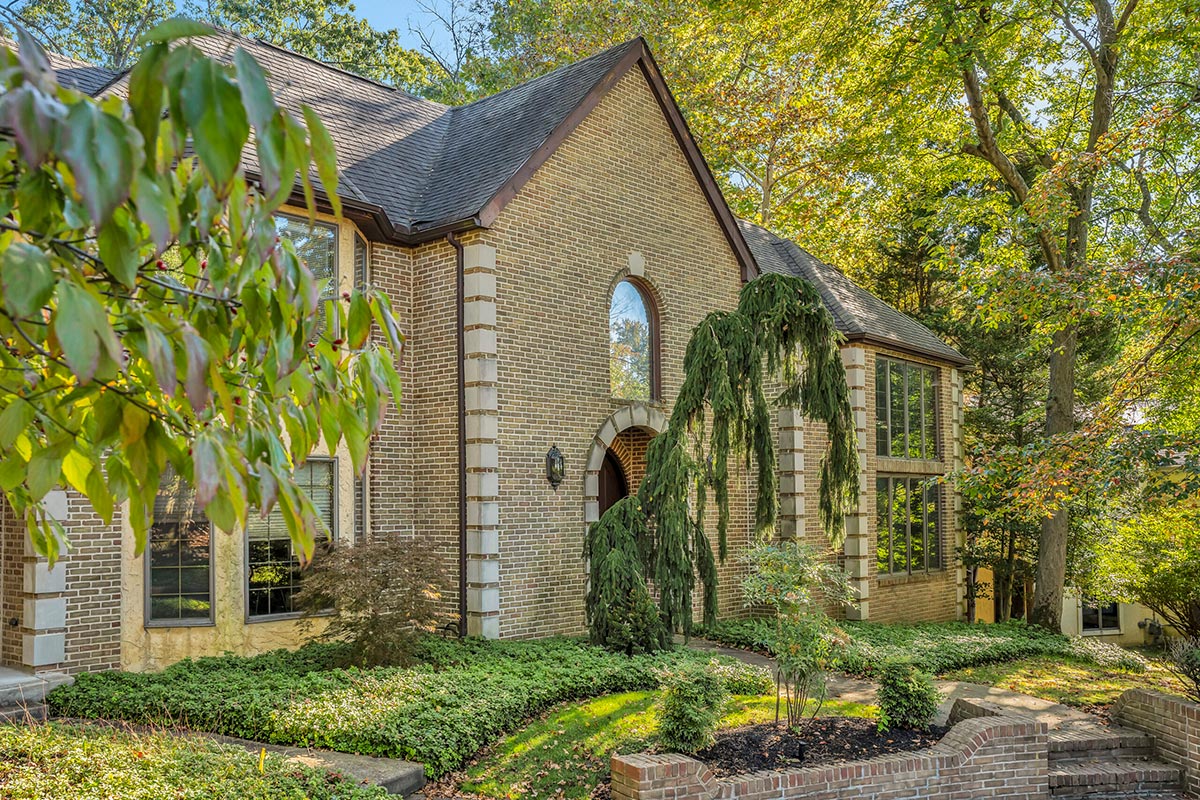
Recovery occurs when structure meets opportunity – and New Jersey has both. New Jersey has everything you need to maintain a supportive environment at all phases of recovery, with scenic coastal calm, suburban comfort, and proximity to two of the largest cities in the country. From small beach towns to serene suburbs and bustling urban cities, sober living houses in New Jersey provide residents with the peace of mind to heal, restore relationships, and become the person they want to be without sacrificing the support and resources they need.

Whether you are looking for sober housing for yourself or your loved one has just completed treatment, is being discharged from an inpatient program, or is simply ready to move into a stable living situation, New Jersey has a wide array of options to accommodate different needs and lifestyles.

This guide will discuss what New Jersey offers as a strong recovery community, what to expect from sober living houses in the state, and how to keep you or your loved one substance-free and living a sober lifestyle in the long term.

Why Choose Sober Living in New Jersey?

In terms of facilitating recovery and ongoing recovery support, New Jersey brings together accessibility, quality healthcare, and supportive communities in a way that makes recovery more manageable and sustainable.

Access to Treatment and Services

New Jersey is one of the most well-connected and recovery-friendly states in the nation. The state has hundreds of licensed behavioral health facilities and active peer-recovery networks and communities in many of its towns, cities, and neighborhoods. Sober living residents can receive therapy, medication-assisted treatment, or outpatient programs without interruption. The scale of New Jersey means help is always available — either through a large hospital system, a community counseling center, or a local recovery organization.

Location and Connectivity

The state’s central location allows you to stay close to family and employment opportunities while serving as a buffer against old habits or triggers. Most towns have train lines, highways, and bus routes to New York City and Philadelphia; this access provides flexibility so you can live in a quiet suburban area and still have access to the region’s major job markets and recovery meetings.

Diverse Communities and Lifestyles

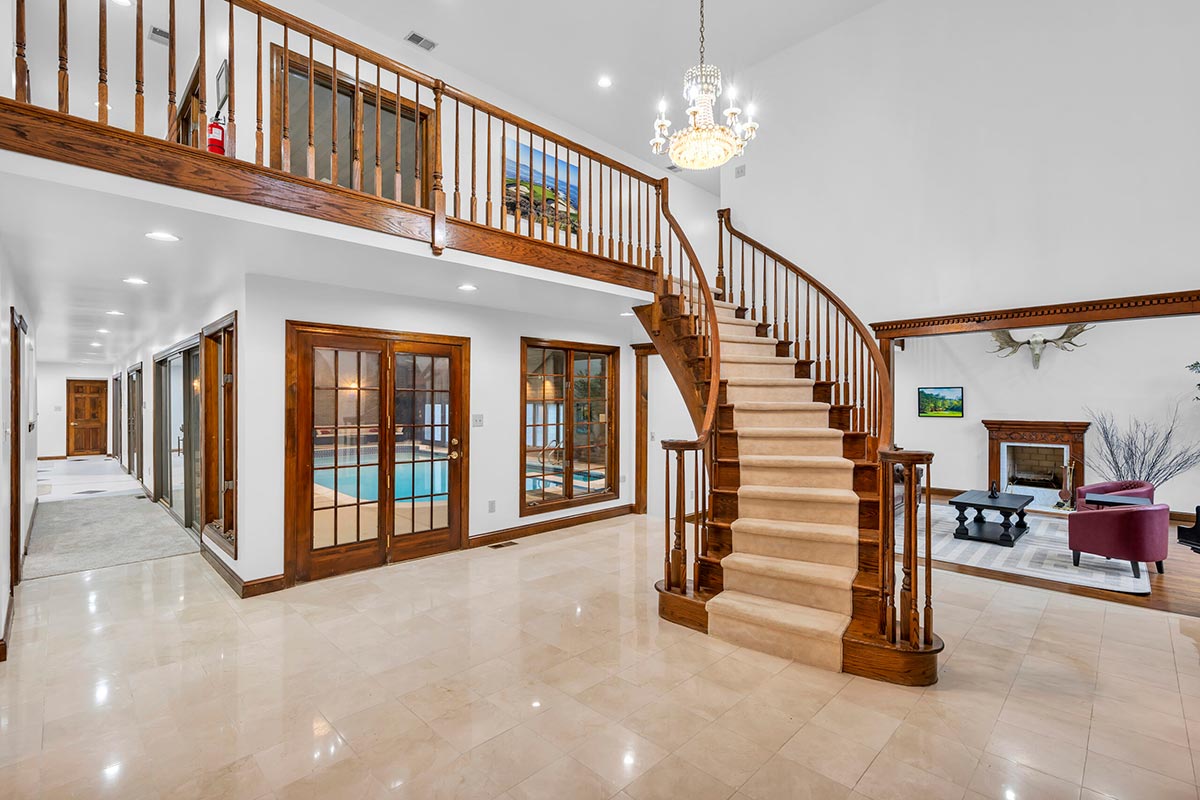
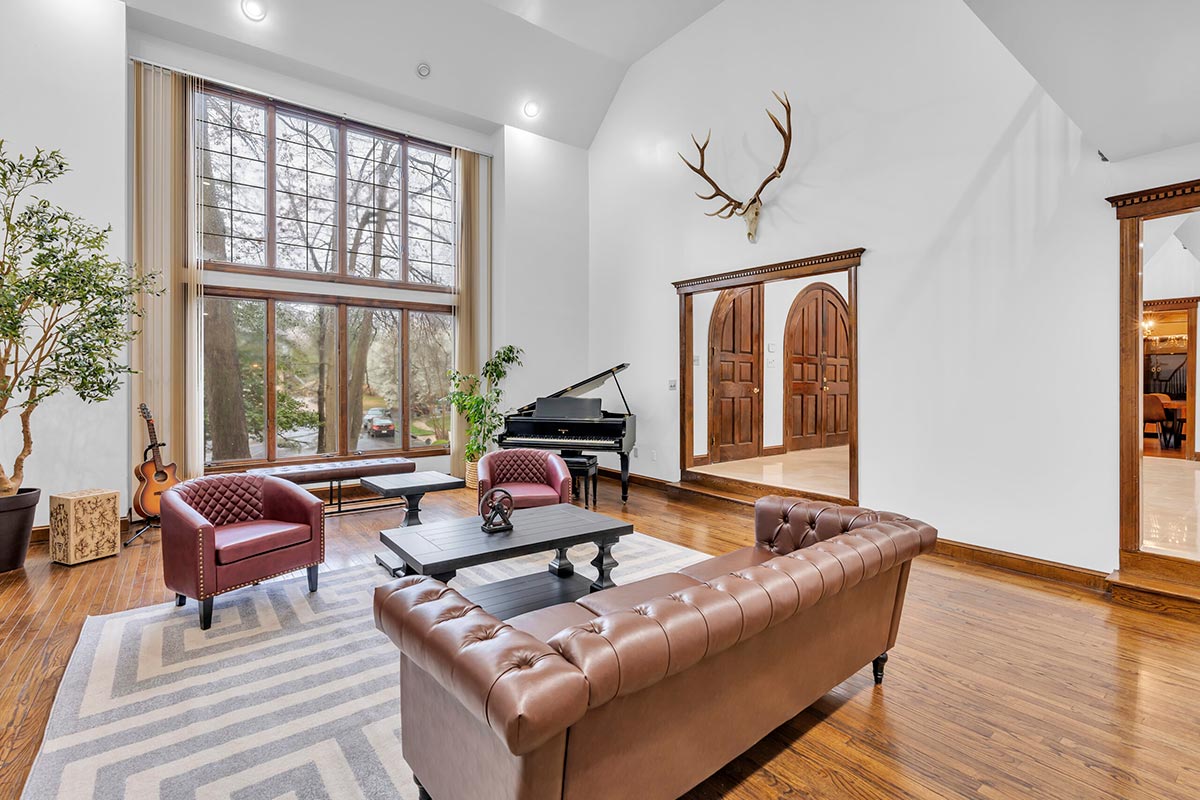
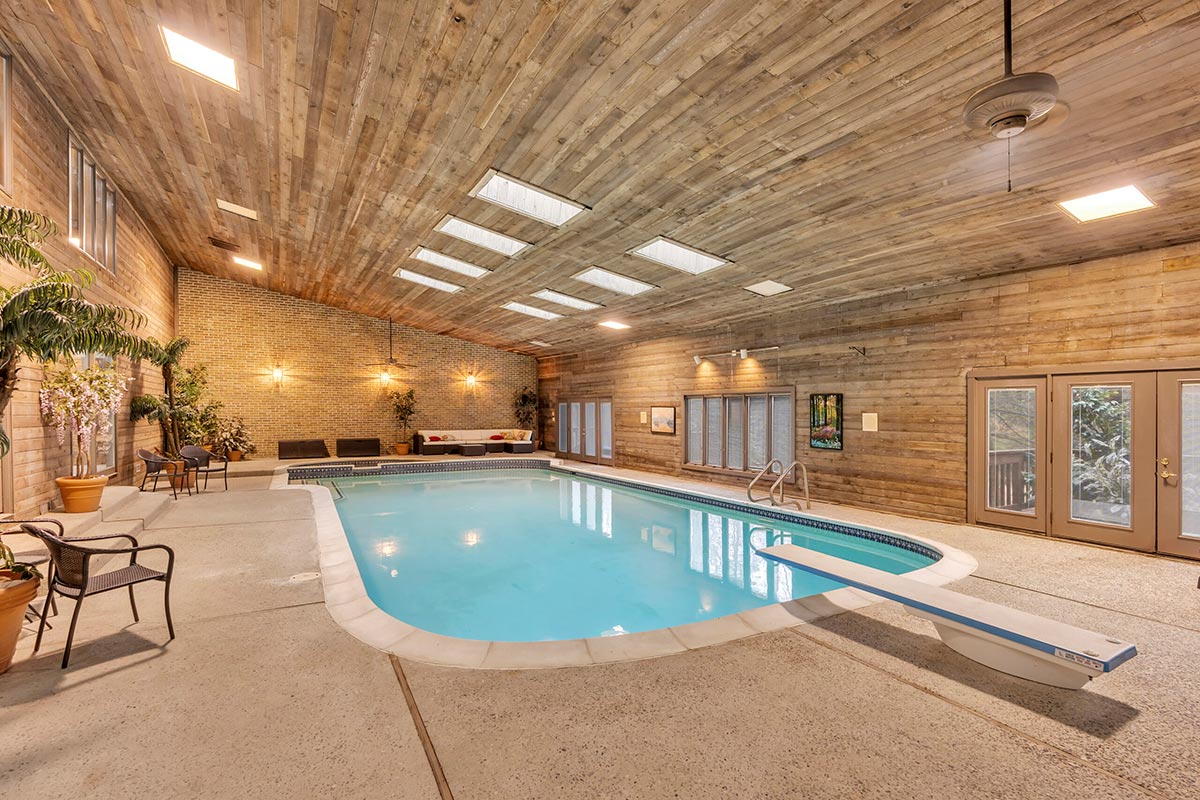
The diversity of New Jersey is its strength. There are coastal towns, suburban neighborhoods, and urban areas, which offer different settings for recovery. Some individuals may feel safer in small residential communities that offer stability and peace, while others thrive in busier environments that offer connection and energy. New Jersey sober living homes come in all forms across the state — some simple, affordable group homes, and others that may offer more personal or upscale sober living arrangements that assure a higher level of personal comfort.

Strong Employment and Education

New Jersey has solid job prospects in key industries such as healthcare, finance, logistics, and education. Higher education and trade programs throughout the state offer continued education or new skills in recovery. Work or education is a considerable part of building stability for lasting sobriety, and the state’s economy can support that balance.

Supportive Recovery Culture

Recovery communities flourish in New Jersey, from the Jersey Shore to the Delaware River. There are thousands of weekly AA, NA, and SMART Recovery meetings held throughout the state. Nonprofits, churches, and advocacy groups provide safe spaces for people in all stages of recovery. It’s easy to find people in New Jersey who understand where you’ve been and where you want to go.

What to Expect in a Sober Living Home in New Jersey

Sober living homes across New Jersey share the same goal: helping residents move from treatment to independence while staying accountable and supported.

Structure and Routine

Residents follow consistent daily schedules that include chores, curfews, meetings, and shared responsibilities. Most homes require participation in 12-step or alternative recovery programs several times per week. Drug and alcohol testing is common, not as punishment but as a safeguard that keeps the home stable for everyone.

Homes across the state are well-connected to community resources. Whether you’re in North Jersey near Newark or in South Jersey near Cherry Hill, it’s easy to reach meetings, outpatient treatment programs, or therapy sessions by car or public transit.

Community and Accountability

Living alongside others in recovery provides built-in support. Residents encourage one another through milestones and setbacks, learning to manage challenges together. Weekly meetings and peer mentorship keep the group connected and focused. Over time, that shared accountability builds confidence and belonging — two things that make recovery last.

Continued Recovery Support

Most New Jersey sober living apartments and homes are located near outpatient clinics, counseling centers, and medical facilities. Residents continue therapy, meet with sponsors, or work with recovery coaches while developing skills for long-term independence. Many homes also help with job readiness, budgeting, or life planning, giving residents the tools to maintain stability once they move on.

Local Substance Abuse and Recovery Stats

In New Jersey in 2023, more than eighty-two thousand people entered treatment for substance use disorders and nearly the same number were discharged—highlighting both the scale of demand and the system’s throughput.

Among individuals entering treatment in New Jersey in 2023, alcohol remains the single largest category (~40 %), followed by heroin (~32 %), then other opiates (~8 %)—underlining that both alcohol and opioids remain central to the state’s treatment burden.

New Jersey’s policy documents emphasise that stable housing is a cornerstone of addiction recovery: without it, the chances of relapse and failure to maintain sobriety rise significantly.

Recent analysis of sober-living residences in New Jersey uncovered widespread operational concerns—prompting the state to introduce stricter regulations and oversight of recovery housing environments from July 2024 onward.

Start Your Recovery Journey Today

Recovery doesn’t start and stop in one place — it grows as you do. Across New Jersey, people are choosing sober living as a bridge between treatment and lasting independence. The state’s access to care, employment, and community support creates an environment where progress is realistic and sustainable.

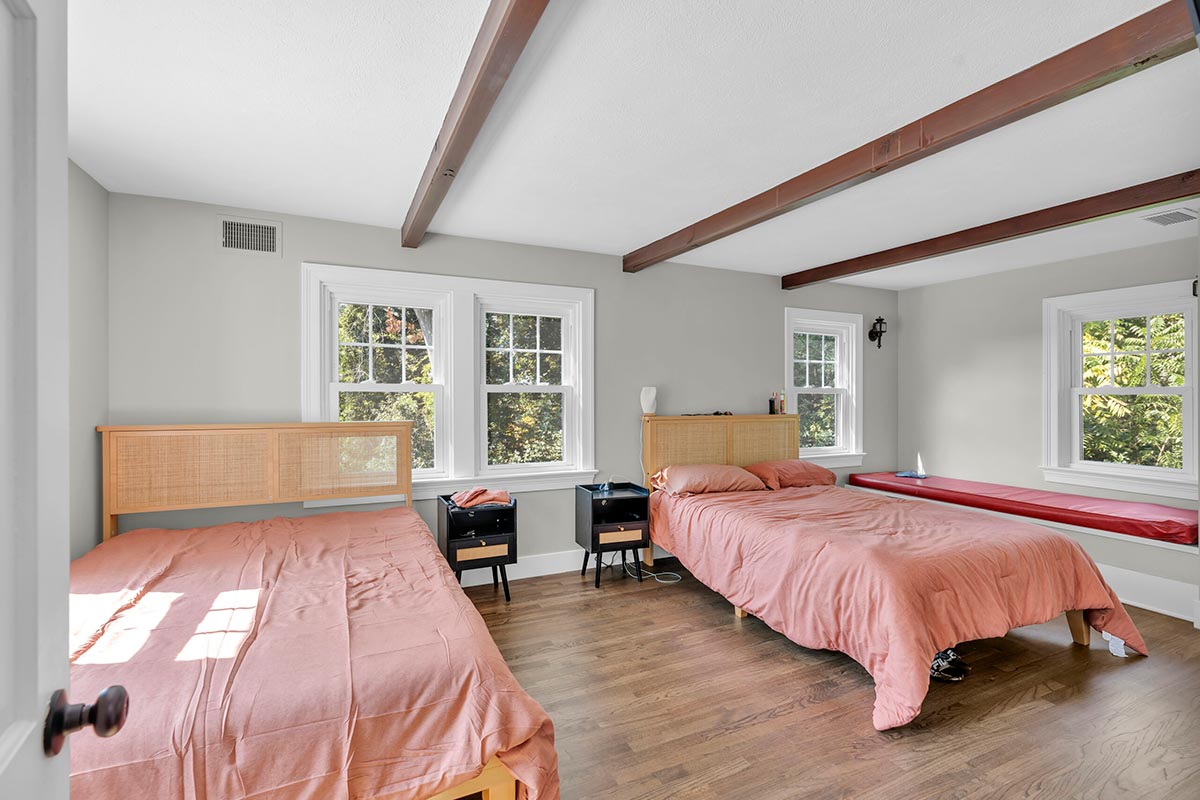
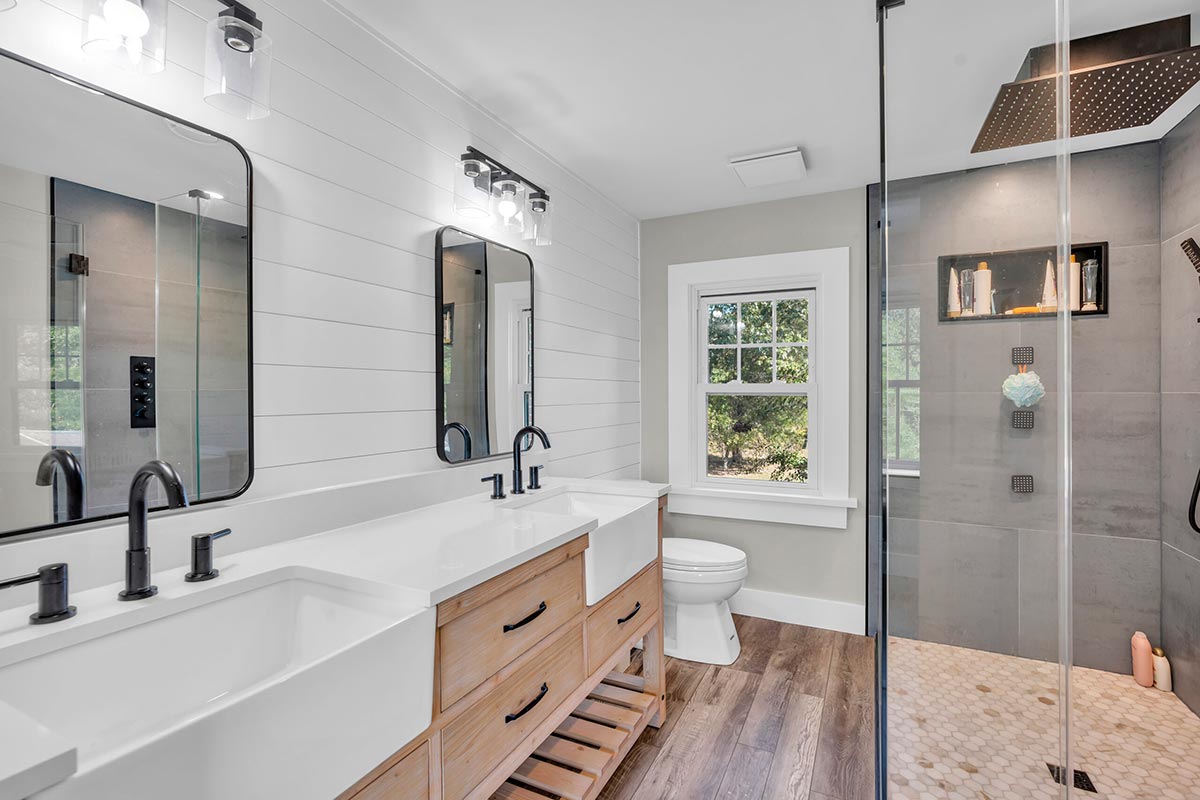
For those ready to take the next step, The Forest Sober Living offers homes throughout South Jersey, including Cherry Hill, Hainesport, and Pennsauken. Each location provides structure, connection, and accountability within a supportive, professional community.

Whether you’re looking for men’s or women’s housing, LGBTQ-friendly spaces, pet-friendly homes, or accommodations for couples, The Forest offers safe and welcoming environments to continue your recovery journey.

Reach out today and we’ll help you take that next step.

Frequently Asked Questions About Sober Living in New Jersey

What’s the difference between sober living and rehab?

Rehabilitation aims to provide medical treatment and care in a clinical setting. Sober living is where you take those lessons back into the real world – rebuilding structure, accountability, and independence with peer support in a sober living setting.

Are sober living homes regulated in New Jersey?

Yes. The state certifies recovery residences through the Department of Human Services and adheres to standards set by the National Alliance for Recovery Residences (NARR). Certification helps ensure that homes meet safety and ethical requirements.

How long can someone stay in sober living?

Most people remain in sober living programs for about 3 to 12 months, but this depends on their personal goals and progress. There isn’t a set timeline. Some will stay longer, either to improve their financial stability or to stabilize their routine before transitioning to fully independent living.

What’s included in sober living costs?

Monthly rent in a sober living facility generally covers housing, utilities, shared supplies, and recovery-based support (meetings and recovery-based peer mentorship). Some houses include transportation and life-skills programming.

Can you work or go to school while living in sober housing?

Absolutely. Most people in sober living are employed, volunteer, or go to training or classes. The intent is to restore their independence while maintaining accountability for their long-term recovery.

How can I tell if a sober home is reputable?

Choosing a sober living home can be as simple as reviewing certifications, house rules, management, and costs/expectations. Going to the home and interacting with the residents can lead to the most supportive living environment.

Sources

  1. New Jersey Department of Human Services, Division of Mental Health and Addiction Services. (2024, July). Substance Use Overview 2023: Statewide. https://nj.gov/humanservices/dmhas/publications/statistical/Substance%20Abuse%20Overview/2023/Statewide.pdf
  2. New Jersey Department of Human Services, Division of Mental Health and Addiction Services. (2025, February 13). CY 2023 SUD Treatment State Performance Report. https://nj.gov/humanservices/dmhas/publications/performance/PR_State_CY2023_20250213.pdf
  3. Department of Community Affairs (DCA) & New Jersey Department of Human Services. (2023). Recovery Housing Program Action Plan 2023 (Draft). https://nj.gov/dca/dhcr/links/RHP_2023.pdf
  4. SoberLivingApp. (2024, September 5). Understanding the changing NARR regulations for MI, NJ and VA sober living homes. https://soberlivingapp.com/sober-living-app-blog/2024/9/4/understanding-the-changing-narr-regulations-for-michigan-new-jersey-and-virginia-sober-living-homes

Sober Living Homes Nearby