Exploring Sober Living in Phoenix, Arizona

Where Recovery Takes Root in the Valley of the Sun
Key Points

  • Phoenix offers a strong recovery community with hundreds of 12-step meetings and peer-led groups happening every day across the Valley.
  • Most sober living homes in Phoenix provide structure through daily routines, curfews, chores, and meeting attendance that help residents build steady habits.
  • Monthly costs for sober living typically range from $500 to $1,500, with some homes offering sliding-scale rates, scholarships, or veteran support programs.
  • Residents benefit from easy access to outdoor spaces like Camelback Mountain, the Phoenix Mountain Preserve, and the Arizona Canal Trail that support mental and physical wellness.
  • The city’s wide range of sober living options—including men’s, women’s, LGBTQ-friendly, pet-friendly, and couples housing—makes it possible to find a community that feels like home.
Jump to Section

    Finding Strength and Structure in Phoenix

    Recovery does not stop after treatment. It continues to build through structure, consistency, and connection to others in recovery. Sober living homes in Phoenix provide a structured and supportive environment for people who are ready to move from intensive inpatient or outpatient care into independent living.

    Each recovery residence is more than just a place to stay; it is a home that provides accountability, community, and personal growth. With strong recovery networks, 12-step community-based programs, and support for mental health available across the city, Phoenix is an ideal place to lay a foundation for lasting recovery.

    This guide shares what sober living looks like in Phoenix, how to find safe sober living, and a list of local resources to make recovery sustainable in the Valley.

    Why Choose Sober Living in Phoenix?

    There are valid reasons why Phoenix has grown to be a recovery destination. Its continuous sunshine, outdoor culture, and supportive network of treatment providers foster a setting in which recovery can truly flourish.

    In Phoenix, you can find hundreds of 12-step meetings taking place every day. This city also has a vibrant peer support culture and diverse employment opportunities. Phoenix has both the framework and social connections that long-term sobriety in recovery takes.

    A Supportive City for Growth

    Phoenix provides the balance of routine, community, and access that helps recovery thrive. Benefits include:

    • Hundreds of 12-step meetings and peer-led recovery groups every day.
    • Local therapists, treatment centers, and outpatient programs for ongoing support.
    • Steady jobs across industries that help residents rebuild stability and independence.

    Recovery in Nature

    The Valley’s natural beauty plays an important role in healing. Residents can enjoy:

    • Desert trails and parks like the Phoenix Mountain Preserve for hiking and reflection.
    • Lakes and outdoor recreation that encourage connection and wellness.
    • Year-round sunshine that supports movement, activity, and a positive mindset.

    Staying Local

    Choosing sober living in Phoenix allows you to stay close to what matters:

    • Familiar surroundings that make transition easier after treatment.
    • Family involvement for encouragement and accountability.
    • Continuity of care with trusted sponsors, therapists, and outpatient programs.

    Inclusive Housing Options

    Phoenix offers recovery housing for every lifestyle, including:

    • Men’s and women’s sober living homes
    • LGBTQ-friendly environments
    • Pet-friendly residences
    • Couples housing designed for shared recovery

    Employment Opportunities

    Phoenix has one of the strongest job markets in the state, with opportunities across healthcare, tech, hospitality, education support, customer service, and public service. It’s a city where you can find steady work at every skill level and build routines that help you stay grounded in recovery.

    • Banner Health is one of Arizona’s largest employers, offering non-clinical roles in patient support, office operations, scheduling, food service, environmental services, and facilities across multiple Phoenix campuses.
    • HonorHealth provides a variety of steady healthcare-support positions including office support, reception, patient transport, environmental services, and food service.
    • American Express (Phoenix Campus) hires for customer service, fraud support, operations, and back-office positions with structured schedules and strong employee support.
    • City of Phoenix offers municipal roles in parks and recreation, community services, clerical support, public works, and customer support.
    • Arizona State University – Downtown Phoenix & West Campus hires for a wide range of non-student-facing positions including office support, facilities, custodial roles, event services, and operations.

    What to Expect in a Sober Living Home in Phoenix

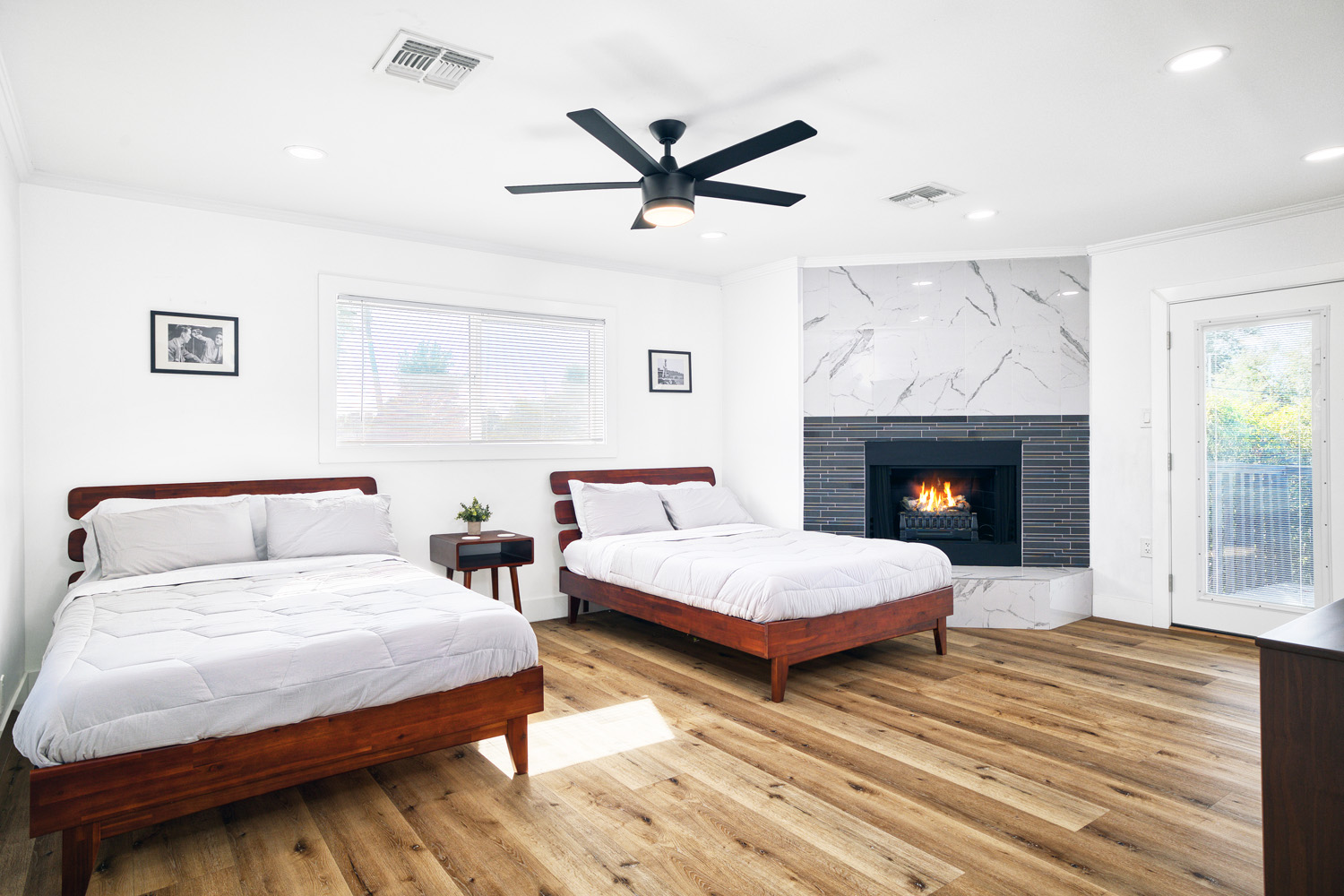
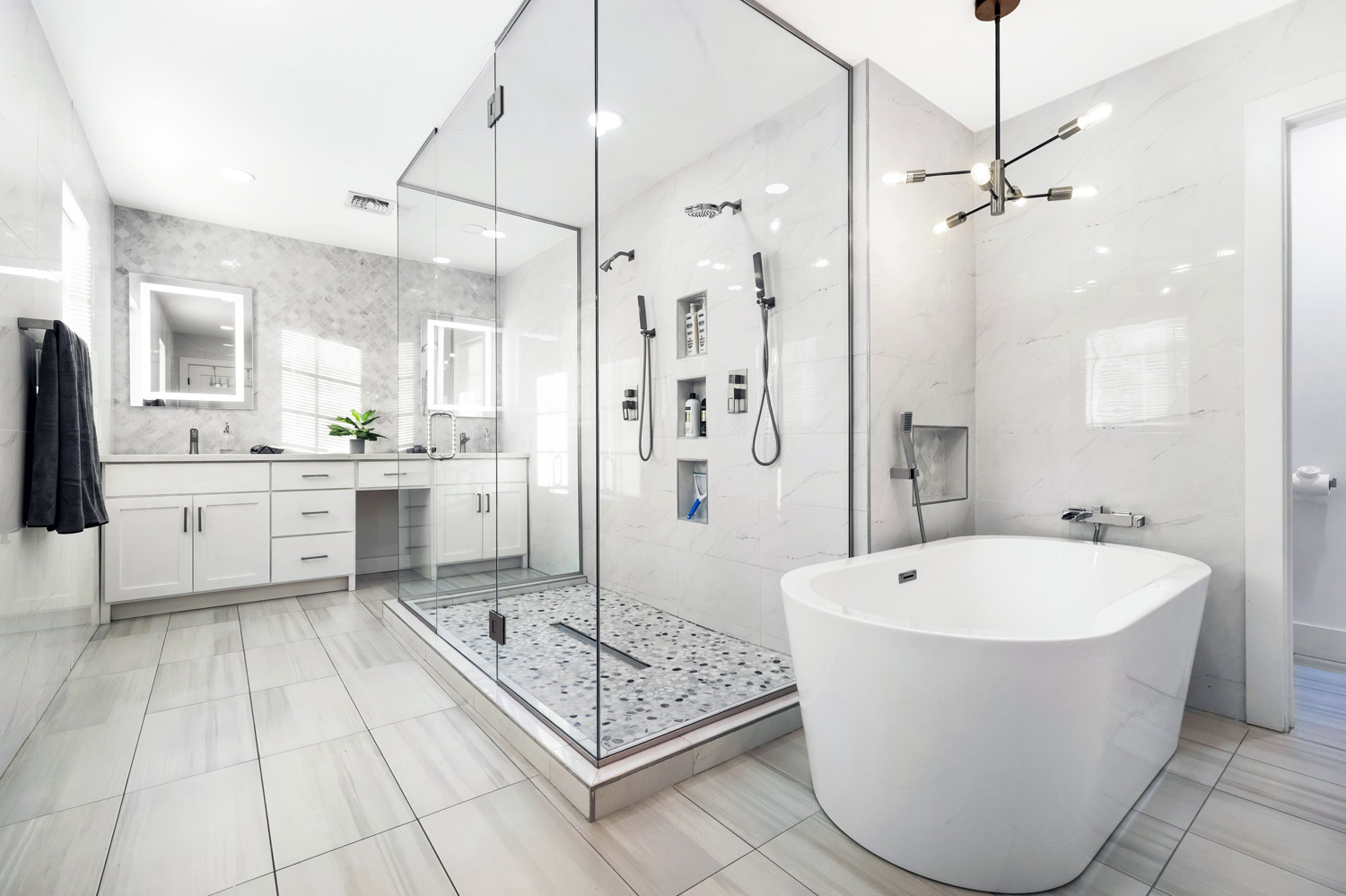
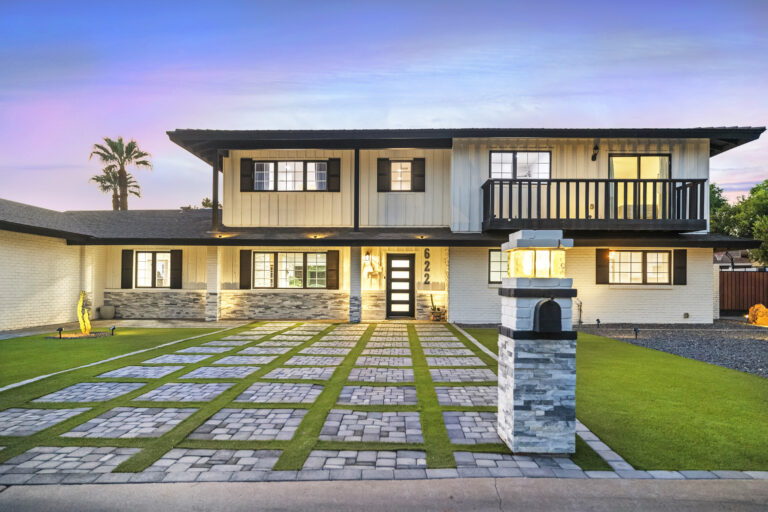
    Finding the right sober living community is about much more than location. It is about the structure, community, and lifestyle that support recovery. Sober Living Homes in Phoenix present reliable support for building healthy habits and fostering real change.

    Structure and Routine

    Life in a Phoenix sober living home follows a predictable routine. Residents wake up at the same time every day, carry out household chores, attend recovery meetings, and are expected to follow curfew rules. Many homes encourage residents to participate in a 12-step or similar recovery program at least several times a week. Regularly scheduled testing provides accountability and safety for all.

    Routine is not a way to restrict people. In the early days of recovery, it provides important structure and stability. Residents gain confidence through routine, and each day moves them one step closer to sustainable independence.

    Community and Accountability

    Residents share a living space with others who are working toward the same goal: recovery from substance use. House meetings, generally held weekly, help residents resolve any issues and provide an opportunity to discuss goals and generally check in with one another. Peer mentors and house managers often hold the role of providing support, creating a sense of trust and belonging.

    Phoenix’s wider recovery community creates that connection, too. Many residents see others from the same sober house in recovery meetings and sober social events around the city and surrounding towns, building friendships that last long after they leave structured sober housing.

    Continued Recovery Support

    Recovery residences in Phoenix support those in recovery to stay engaged in purposeful recovery work. Most residents continue outpatient therapy, meet with sponsors, or build new recovery skills. Many recovery residences help residents with employment, budgeting, or day-to-day life responsibilities—important and essential steps to sustainable recovery and independence.

    Sober-Friendly Things to Do in Phoenix, Arizona

    Recovery is stronger when your days are filled with purpose and connection! Phoenix offers countless ways to stay active, explore creativity, and enjoy community without relying on substances.

    Here are a few local favorites:

    Visit Camelback Mountain for a sunrise hike and sweeping valley views in the heart of Phoenix.

    Explore Piestewa Peak in the Phoenix Mountains Preserve for accessible trails that support movement, clarity, and recovery.

    Stroll or bike the Arizona Canal Trail for a calming, paved pathway that weaves through Phoenix’s neighborhoods and wilderness.

    Visit the The Phoenix sober-active community to link movement, connection, and peer support in one growing network.

    Discover monthly art, music, and culture at the First Friday Art Walk in the downtown Phoenix Roosevelt Row Arts District.

    Visit the Heard Museum in downtown Phoenix to immerse yourself in Native American art and culture.

    Catch live music or attend a community event at The Nash, Phoenix’s premier jazz venue.

    Wander through Roosevelt Row to explore murals, galleries, and local art.

    Health and Wellness in Phoenix

    Urban Yoga PHX offers daily yoga, meditation, and breath-work classes in a calm, welcoming space downtown.

    Ekam Yoga Studio specializes in Ashtanga, flow, and strength yoga classes with personalized guidance for all levels.

    Yoga Box Central Phoenix provides accessible yoga options like hot yoga, Vinyasa, Yin, and sculpt in Uptown Phoenix.

    Elevate Yoga & Wellness blends aerial yoga, sound meditation, and restorative practices in downtown Phoenix for whole-body wellness

    Local Substance Use & Recovery Stats

    Maricopa County, Arizona’s most populous county and home to Phoenix, continues to lead Arizona’s recovery efforts. County assessments show that expanding access to substance use treatment and recovery housing remains a key public health priority.[1]
    Across the county, sober living and transitional housing programs have become an essential part of the recovery landscape, helping residents maintain structure, accountability, and community support after treatment.[2]

    Research consistently shows that structured sober living environments improve recovery outcomes.[3] A national study found that residents who stayed in sober living homes for six months or longer were significantly more likely to remain abstinent and employed than those who left earlier or transitioned directly to independent living.[4]

    Phoenix’s recovery community continues to grow through local collaboration among certified housing providers, peer networks, and county initiatives.[5] Together, these efforts create a strong foundation for lasting recovery in Maricopa County.

    Begin Your Recovery Journey

    Recovery is not a single choice. It’s built one day at a time through connection, structure, and community. In Phoenix, that foundation is already here. The city’s sober living homes, meeting spaces, and open desert trails offer room to rebuild at your own pace and rediscover what balance feels like.

    Wherever you are starting from, there’s a place for you here — men’s and women’s homes, LGBTQ-friendly spaces, pet-friendly options, and supportive homes for couples walking this path together. You do not have to face this alone.

    Start where you are. Build something steady.

    FAQs About Sober Living in Phoenix, Arizona

    What’s the difference between sober living and rehab?

    Rehab is a formal treatment program that offers therapy, medical attention, and structure to clients. Sober living can be the next stage in recovery. It offers a supportive home environment where residents practice accountability, routine, and independence. Residents have more freedom than at rehab, but the same commitment to honesty and growth.

    Are there specialized sober living homes throughout Arizona?

    Absolutely. Phoenix has many sober living homes for both men and women, LGBT-friendly sober houses, pet-friendly houses, and couples in recovery. With such a large and diverse recovery network in Phoenix, it can be easy to find a sober living home that fits with your needs and values.

    How long can someone stay in a sober living home?

    There isn’t a fixed schedule. Most people stay for anywhere from 3 to 12 months. The goal is to leave this type of housing only after you feel secure enough to live independently, which often means having stable employment, a consistent daily routine, and a solid support network in place. Many residents choose to extend their stay to make sure they have a solid foundation in place before moving on.

    What rules are typical in sober living programs?

    Every home is unique, but there are features that many of them have in common: regular urine testing, set curfews, recovery meetings, and shared responsibilities. Weekly house meetings are usually held to hold residents accountable to one another and foster a strong connection between them. These rules are not meant to be controlling; they are necessary for the safety and routine that recovery requires.

    How can I tell if a sober home is safe and reputable?

    Choose a residence from the National Alliance for Recovery Residences (NARR) or a state recovery housing coalition if you can. Go visit the site, talk with the staff, and read the house rules. Talk to some of the residents about their experience living there if possible. Trust your instincts—safe homes should feel quiet, organized, and respectful.

    Sources

    1. Maricopa County Department of Public Health. (2023). Opioid and Substance Use Needs Assessment: Final Report. Maricopa County, AZ. https://www.maricopa.gov/DocumentCenter/View/86245/OUD-SUD-Needs-Assessment-Final-Report
    2. Maricopa County. (2024). Substance Use Prevention and Response Strategic Plan FY 24–28. Maricopa County, AZ. https://www.maricopa.gov/DocumentCenter/View/92018/Maricopa-County-Substance-Use-Prevention-and-Response-Strategic-Plan-FY24-28
    3. Vilsaint, C. L., Tansey, A. G., Hennessy, E. A., Eddie, D., Hoffman, L. A., & Kelly, J. F. (2025). Recovery housing for substance use disorder: A systematic review. Frontiers in Public Health, 13. https://doi.org/10.3389/fpubh.2025.1506412
    4. Lee, J., et al. (2023). Six-month length of stay associated with better recovery outcomes among sober living houses. The American Journal of Drug and Alcohol Abuse. https://doi.org/10.1080/00952990.2023.2245123
    5. Arizona Recovery Housing Association. (n.d.). About Us. https://www.myazrha.org

    Sober Living Homes Nearby