Local Guide to Sober Living in Lancaster, Pennsylvania
Recovery in Pennsylvania Dutch Country
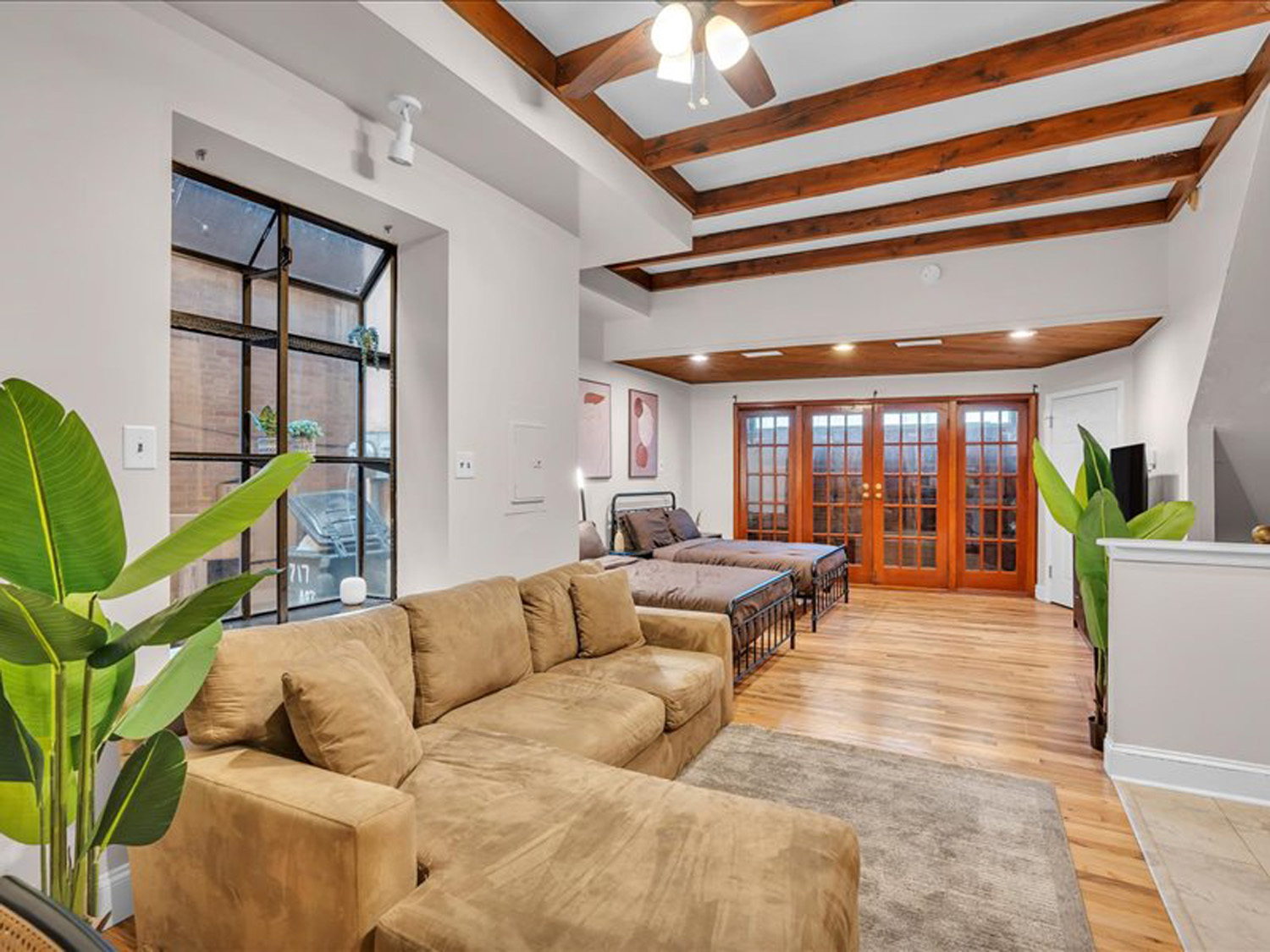
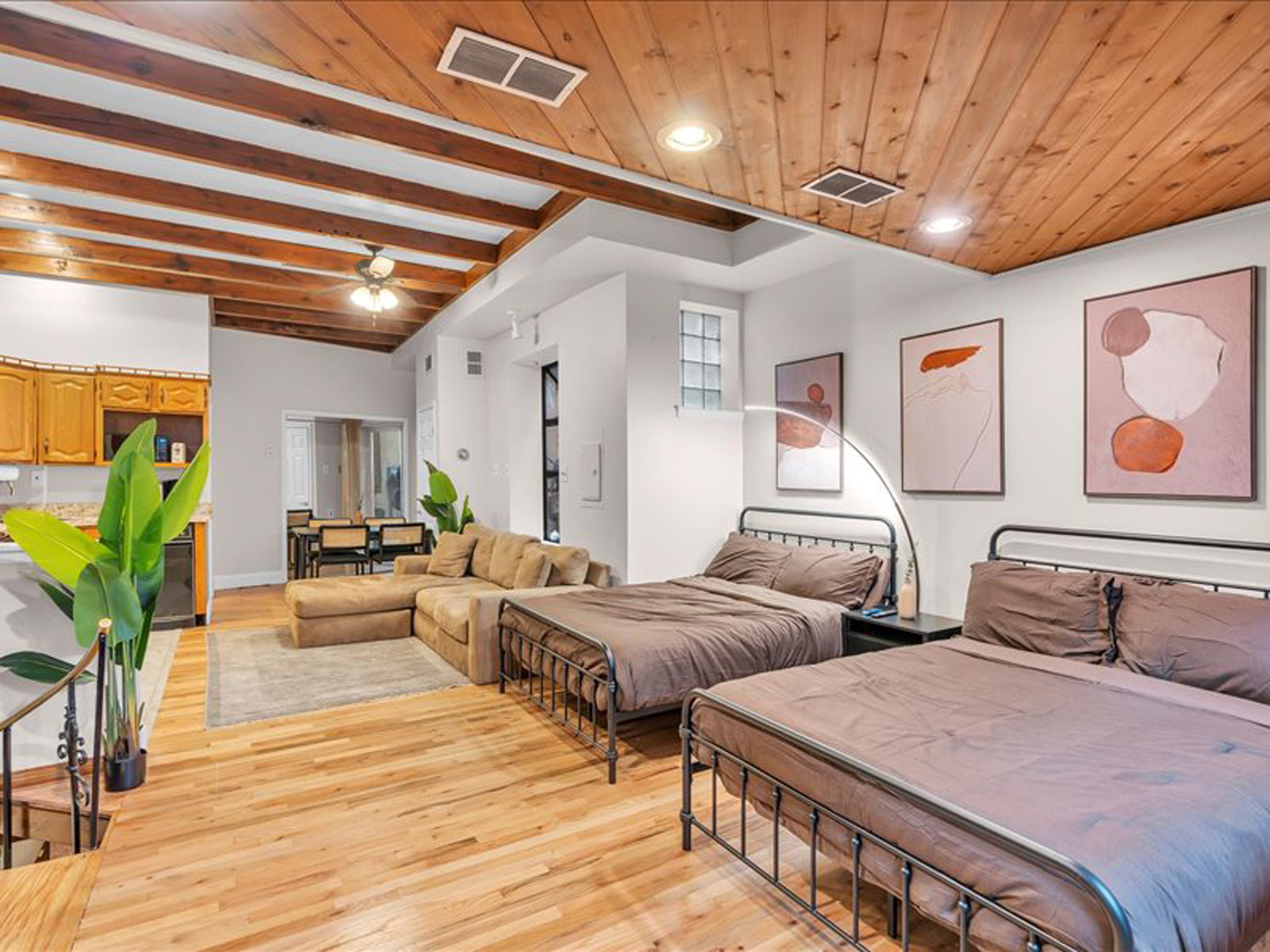
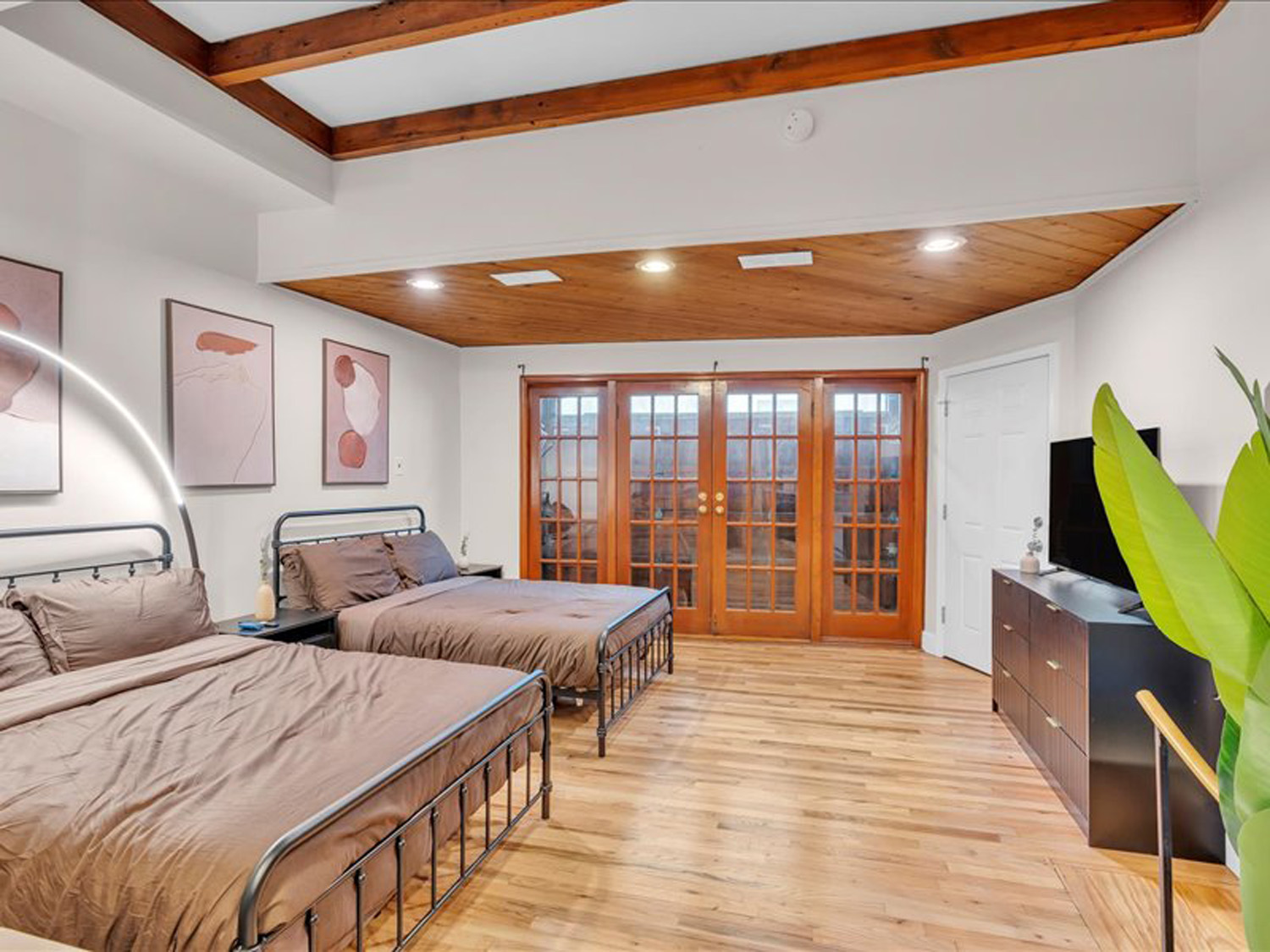
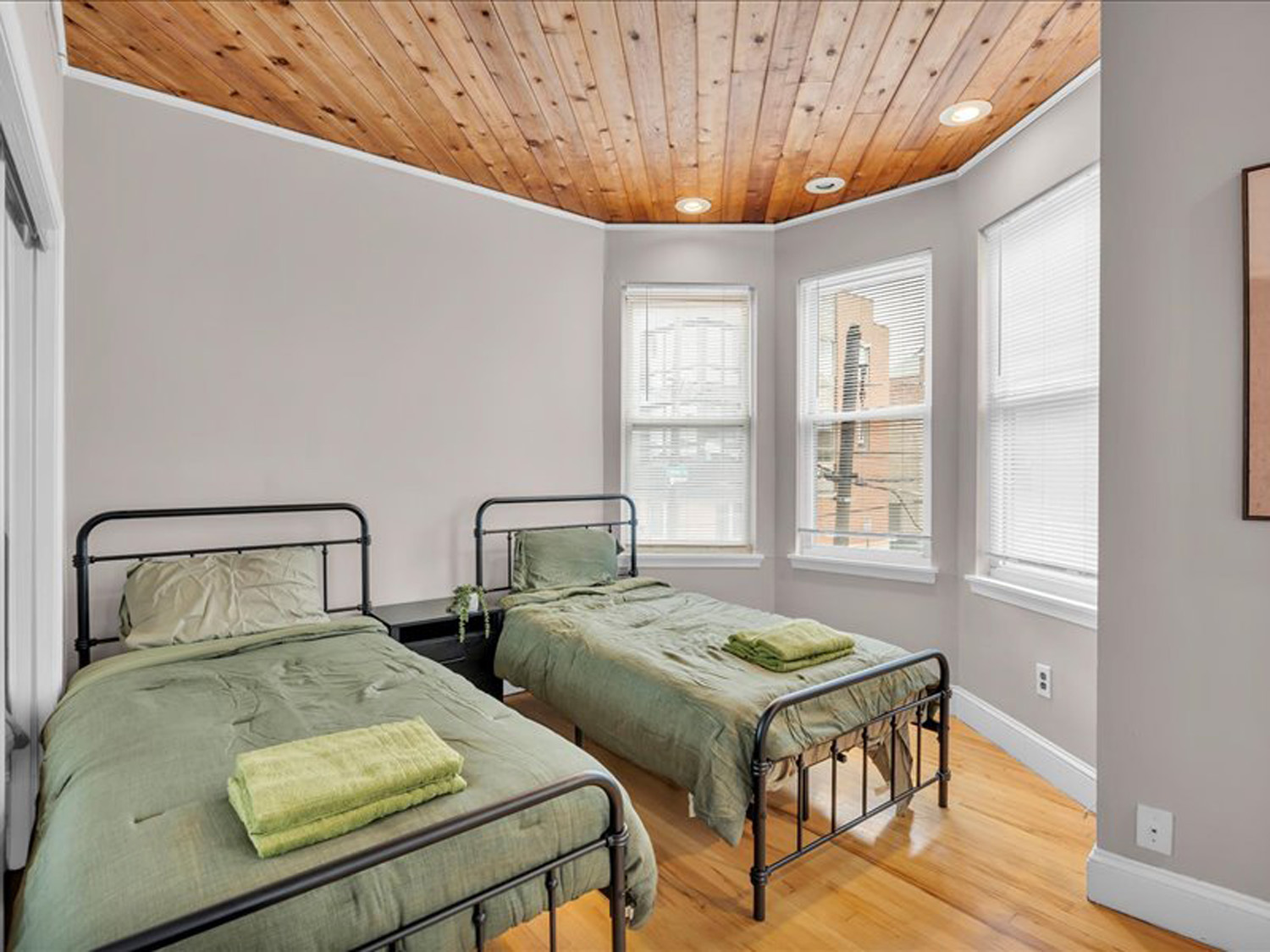
Take the Next Step Today
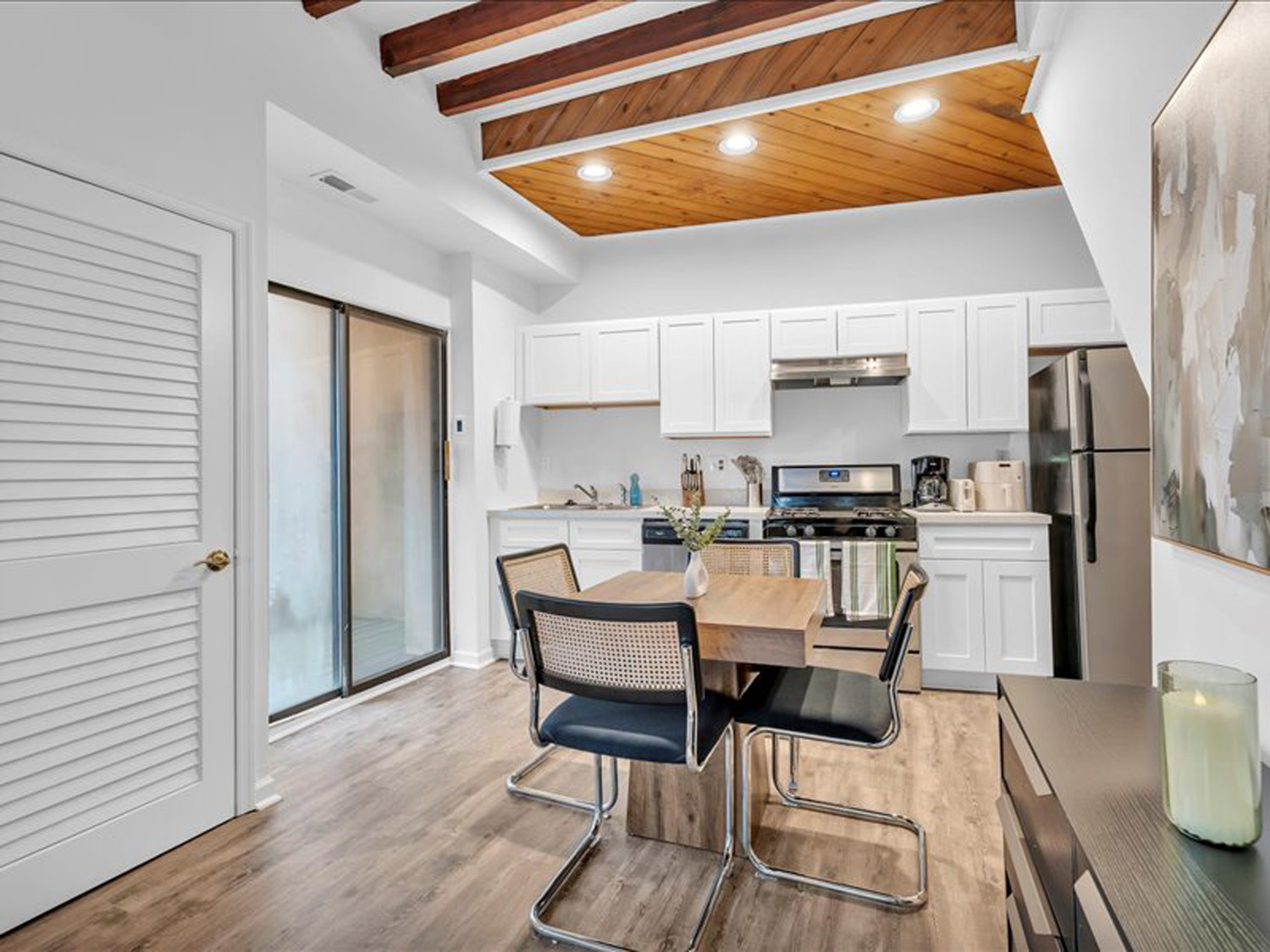
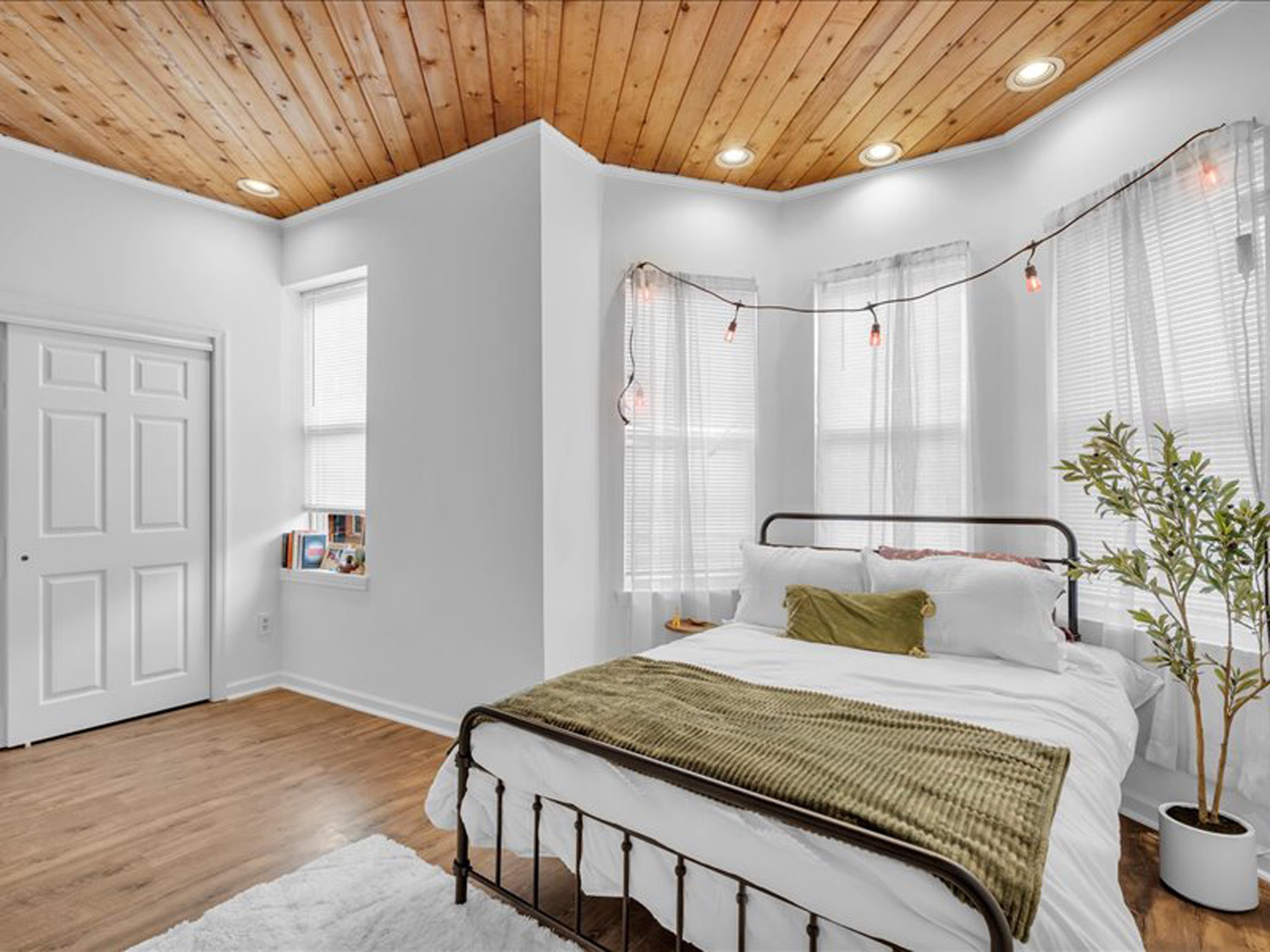
Lancaster gives recovery a quiet foundation — a place where people can slow down, reconnect with themselves, and rebuild with purpose. For many, it’s the perfect setting to find stability and confidence again.
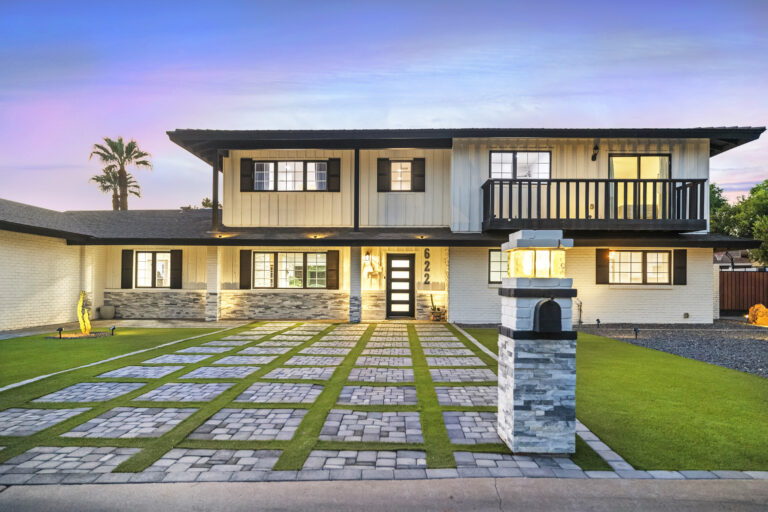
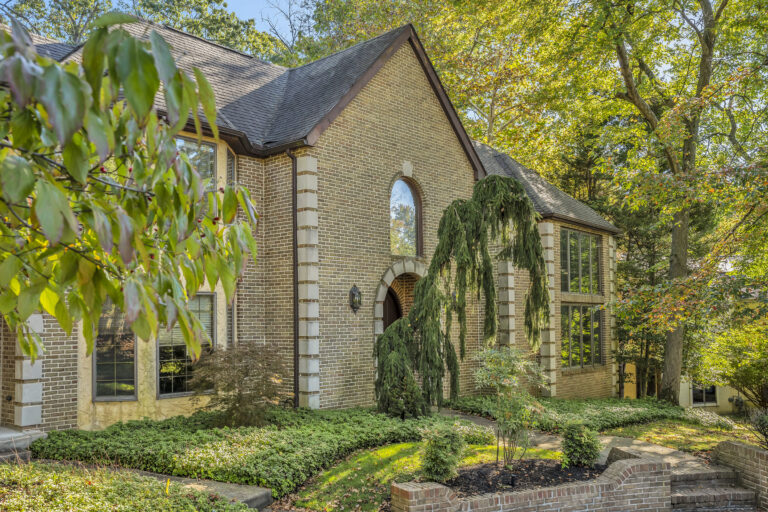
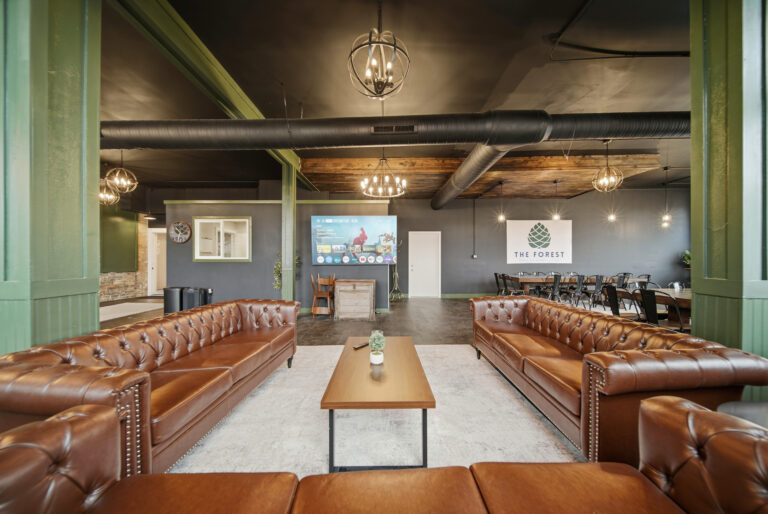
But if you’re looking for recovery in a place that offers you a bit of separation while still keeping that next level of structure and connection, The Forest’s homes in Berwyn, Malvern, and Philadelphia offer all that and more, only a few hours from Lancaster. You’ll stay close to home while gaining access to a stronger recovery network, daily support, and a community built around accountability and care.
If you’ve built your start in Lancaster and you’re ready for what comes next, The Forest can help you keep that progress moving forward. Reach out today and take the next step toward lasting recovery.
Frequently Asked Questions About Sober Living in Lancaster, Pennsylvania
What’s the difference between sober living and rehab?
Rehab is the setting where rehab occurs — with therapy, medical care, and structured recovery work. Sober living is what comes after rehab. It is a safe space for the continued rebuilding of daily living habits where you will be held accountable and learn how to live independently, balanced with recovery and connection with others in recovery.
Are there specialized sober living homes in Lancaster?
Certainly! Lancaster has a wide variety of housing options, from men’s and women’s residences to LGBTQ-friendly homes, and housing for couples or pet owners, as well as Spanish-speaking housing options and programs to share in the lifestyle of a growing, diverse community. No matter your background, you should expect to find a community where you feel understood and supported.
How long can someone stay in a sober living home?
There isn’t a fixed timeline. Some individuals might remain for several months, whereas others choose to extend their stay to ensure they have established a strong foundation before heading out on their own. The objective is to leave sober living once you have developed balanced routines, secured employment, and built a support network that will help you maintain your recovery independently.
What rules are typical in sober living programs?
Many homes have similar, predictable expectations: stay substance-free, assist with chores, abide by curfews, and attend house meetings or recovery groups regularly. These expectations create structure—not pressure—so that everyone can feel safe and supported while they work towards some level of stability.
How can I tell if a sober home is safe and reputable?
Identify housing certified by one of Pennsylvania’s recovery residence programs or the National Alliance for Recovery Residences (NARR). Visit in person, ask questions, and speak with residents. Lancaster’s recovery community is small enough that you will usually hear candid feedback at meetings or via a local support group.
Sources
- Commonwealth of Pennsylvania, Department of Health. (2025). Drug overdose deaths — Health Statistics A to Z. https://www.pa.gov/agencies/health/health-statistics/health-statistics-a-to-z/drug-overdose-deaths—health-statistics-a-to-z
- Commonwealth of Pennsylvania, Department of Health. (2025). SU-03: Drug overdose death rate (LHI) — Pennsylvania Healthy People, county level (data years 2021-2023). https://www.pa.gov/content/dam/copapwp-pagov/en/health/documents/topics/healthstatistics/healthypeople/documents/current/county/su-03-drug-overdose-death-rate-lhi.html
- Alcohol Research Group. (2022). National Study of Treatment & Addiction Recovery Residences (NSTARR): Pennsylvania — Key findings (State report). https://nstarr.arg.org/wp-content/uploads/2022/10/Pennsylvania_Final.pdf
- PennWatch. (2025, March 5). Pennsylvania to spend more than $2 million for those in need of recovery housing. https://www.pennwatch.org/pennsylvania-to-spend-more-than-2-million-for-those-in-need-of-recovery-housing/