Cherry Hill Sober Living Guide: Aftercare Housing & Support
Recovery in South Jersey’s Most Connected Suburb
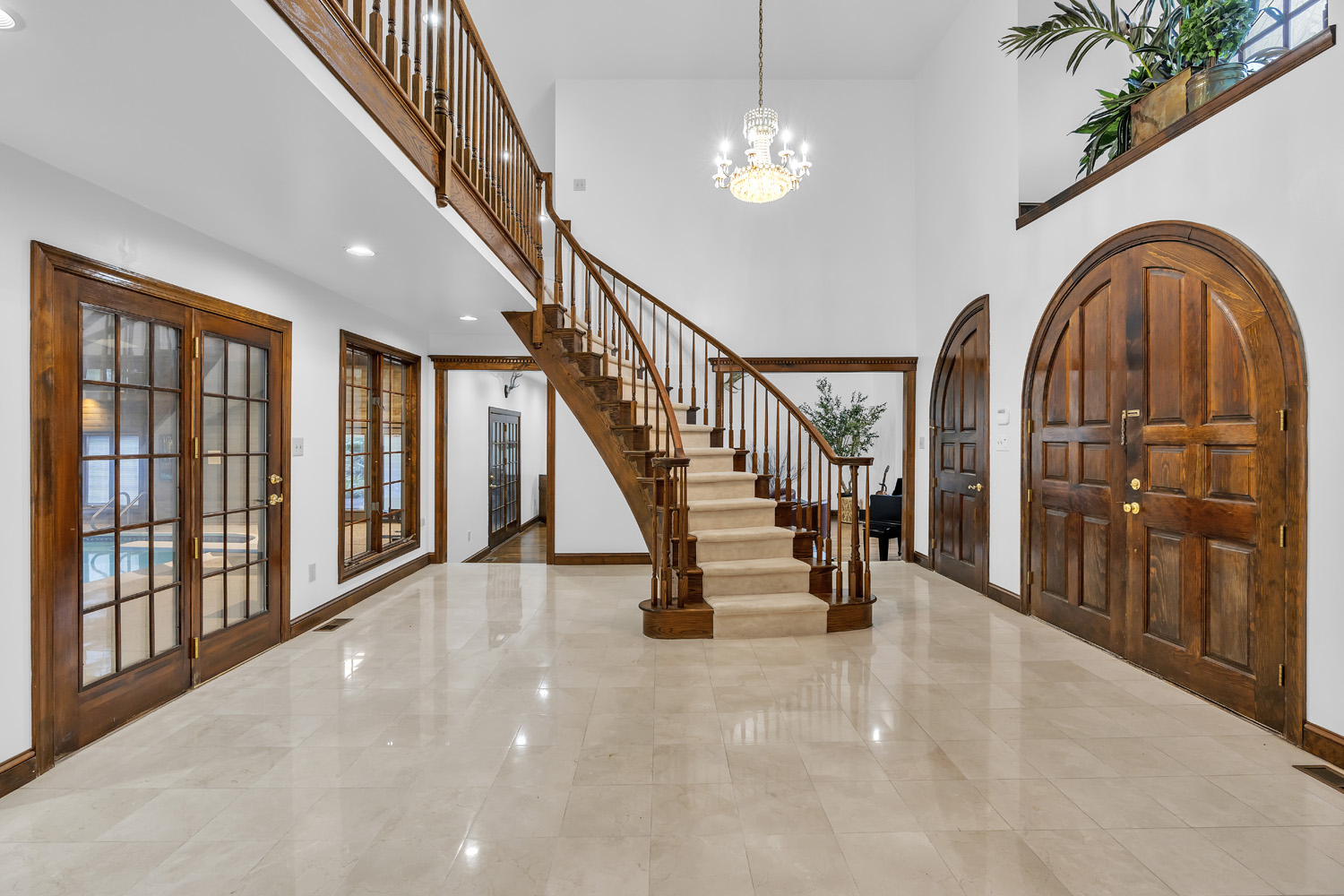
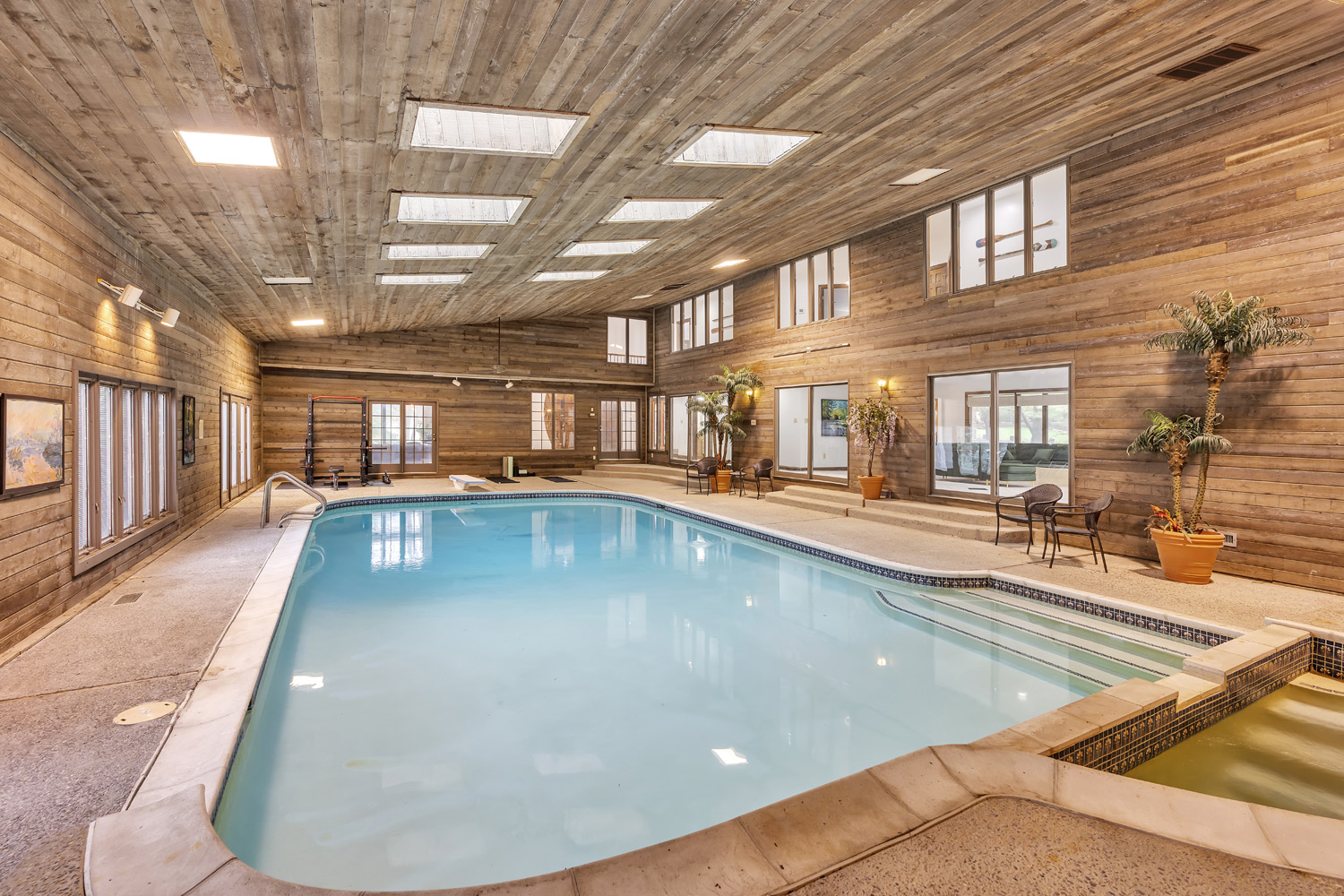
Find Stability Where Recovery Can Thrive
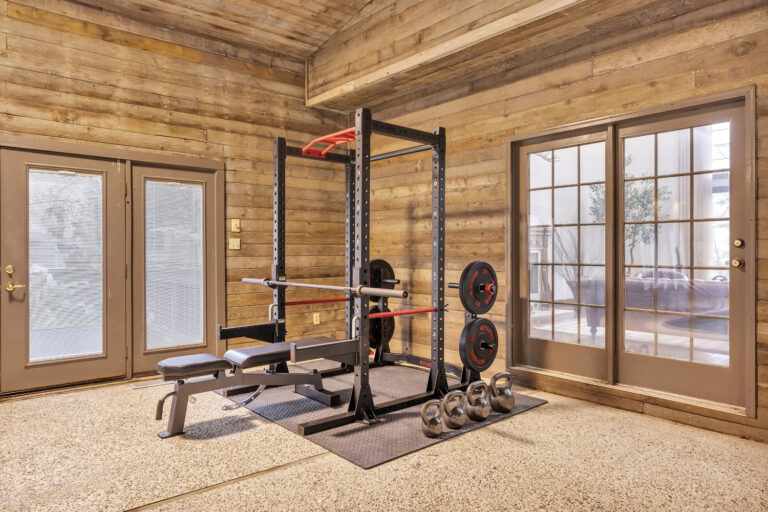
Cherry Hill gives you the best of both worlds: calm, residential comfort with direct access to opportunity and care. It’s the kind of place where recovery feels less like stepping away from life and more like stepping into it fully.
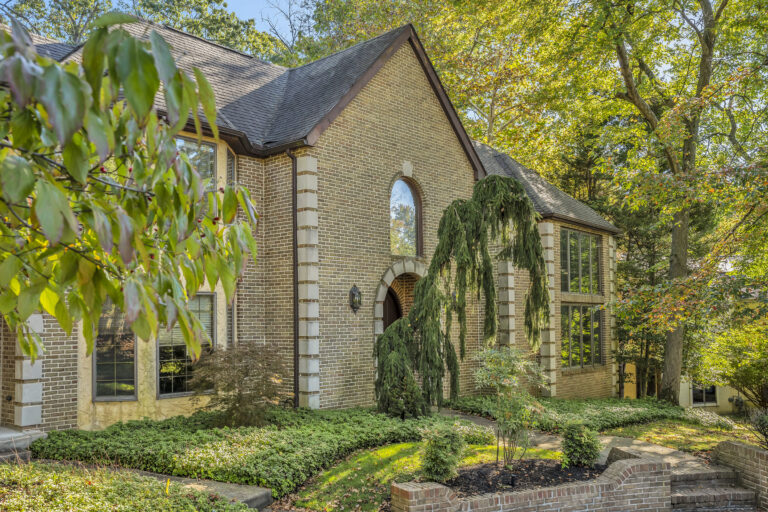
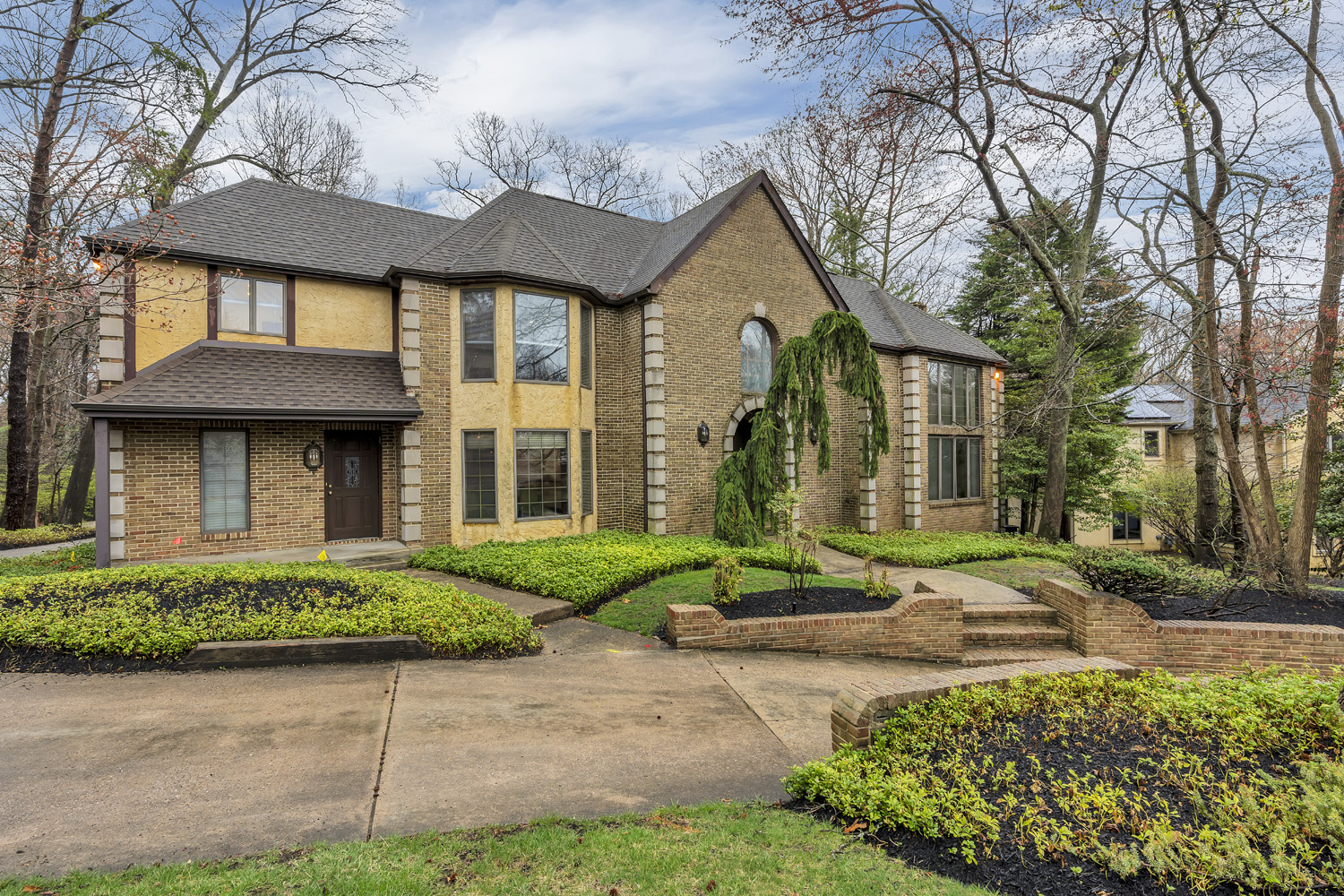
That’s one of the many reasons that The Forest Sober Living is proud to call Cherry Hill home. Our residences here — and in nearby Hainesport and Pennsauken — are built around the same principles that make this community so strong: structure, compassion, and connection.
When you’re ready to move forward, you don’t have to go far to find your footing.
Reach out today and let us support you with your next step.
Frequently Asked Questions About Sober Living in Cherry Hill, New Jersey
What’s the difference between sober living and rehab?
Rehabilitation is the treatment stage. It is focused on therapy, detox, and addressing the underlying issues surrounding addiction through medical and clinical treatment. Sober living is the bridge back to everyday living. It provides a structured, safe, drug-free home for recovering residents to practice recovery skills, establish routines, and hold each other accountable. It is not so much about treatment, but about support, stability ,and community as they move into independent living.
Are there specialized sober living homes in Cherry Hill?
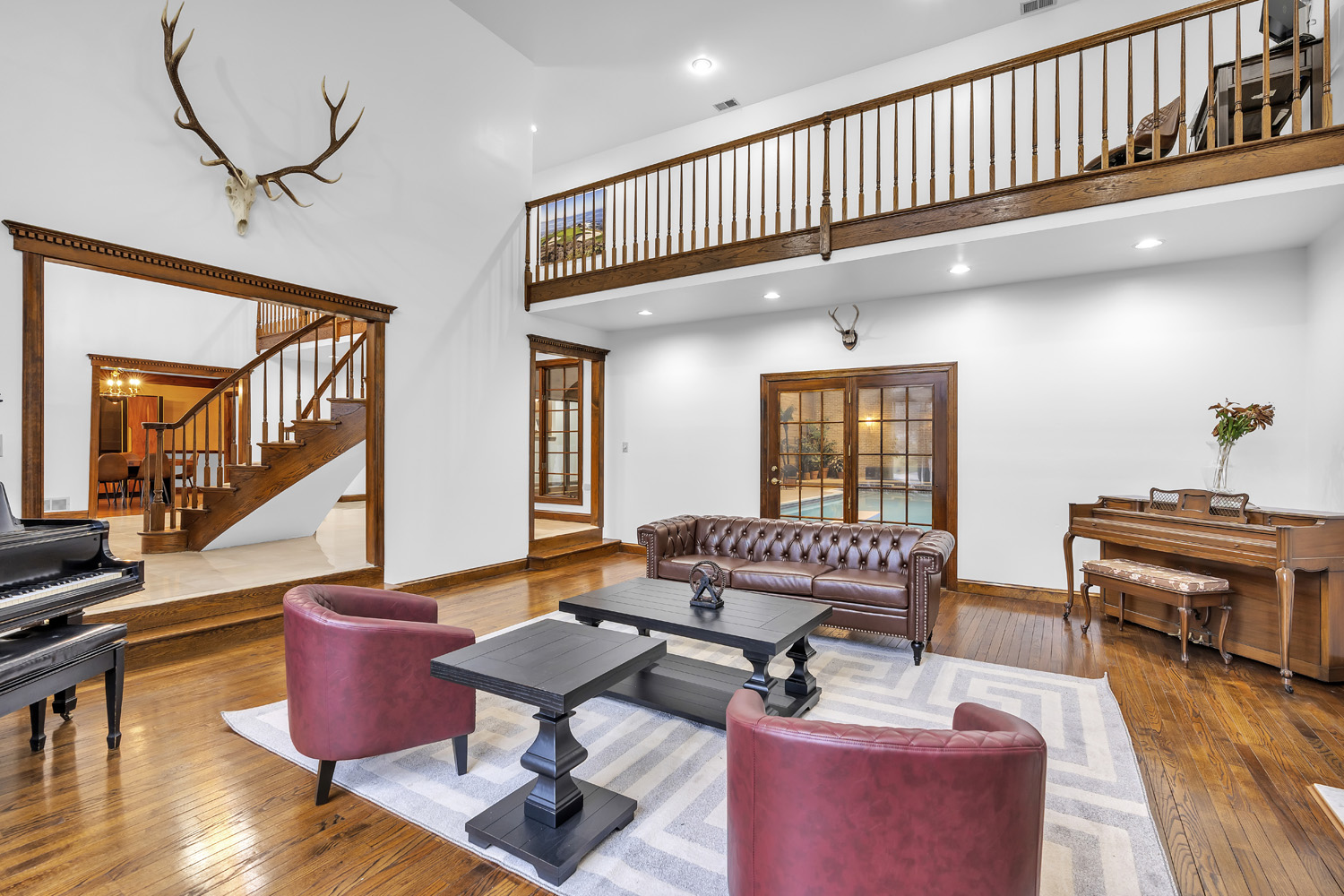
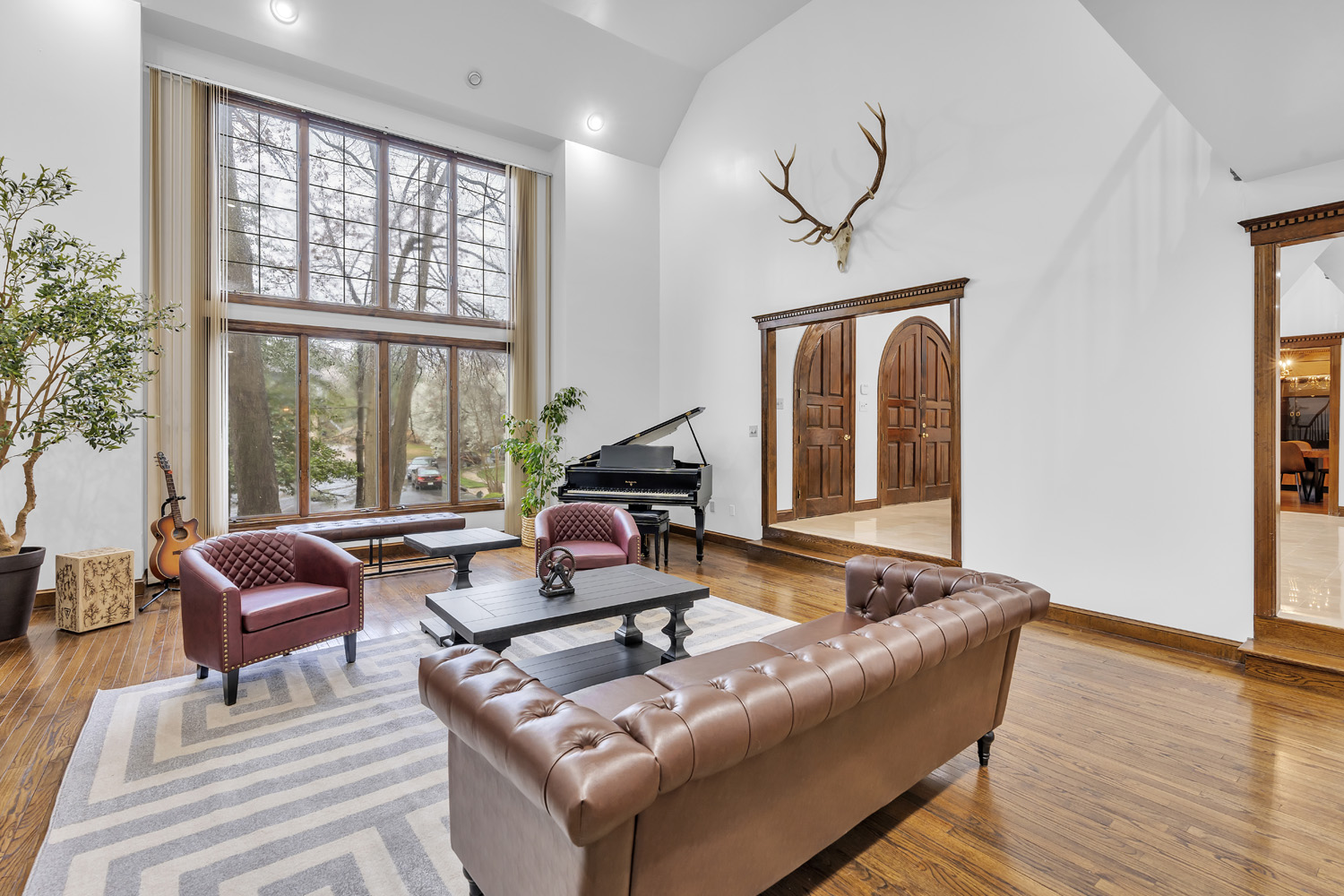
Yes. Cherry Hill has several different sober living options to meet everyone’s needs and preferences. There are men’s and women’s houses, LGBTQ+-based homes, pet-friendly houses, and residences intended for families or couples. Some homes are more focused on affordability and peer support, while others offer more updated facilities, private rooms, and/or transportation services. The diversity of sober living homes gives people the opportunity to find an environment that is comfortable, supportive, and appreciated.
How long can someone stay in a sober living home?
There’s not a one-size-fits-all timeline. The average resident’s stay ranges from about 3 months to about a year, but some residents stay longer if they feel they still need a structured environment before moving into independent housing. The hope is for residents to make consistent progress, staying long enough to develop healthy habits, financial security, and a healthy support network to aid their recovery. Many homes allow residents to move on with a gradual move-out process, where the resident can have increasing independence, but still be able to tap into community support as needed.
What rules do sober living homes follow?
Rules are in place to promote safety and to ensure consistency and a recovery-focused environment inside the home. It is common for sober living houses to request that residents adhere to curfew times, attend regular house meetings, participate in 12-step or peer-supported groups, and test randomly for drugs. Residents are also expected to do chores, remain employed or volunteer, and show the utmost respect towards others living in the sober home. Rules and guidelines are not meant to be a form of punishment; they are meant to create a safe, stable, accountable environment focused on recovery and long-term sober living.
How can I find a reputable sober home in Cherry Hill?
Begin your search looking for homes that carry certifications from New Jersey’s recovery residence programs or are affiliated with the National Alliance for Recovery Residences (NARR), which has a national quality standard. Search online reviews, speak with alumni, and visit the space to see the environment for yourself. A reputable home will be candid about its rules, staff qualifications, fee requirements and expectations of residents and should prioritize safety, community, and support over profits.
Sources
- New Jersey Department of Human Services, Division of Mental Health and Addiction Services. (2023). Substance Use Overview 2022. https://www.nj.gov/humanservices/dmhas/documents/pdf/statistical/substance-abuse-overview/2022/Statewide.pdf
- New Jersey Department of Human Services, Division of Mental Health & Addiction Services. (2024, July). Substance Use Overview 2023: Camden County. https://nj.gov/humanservices/dmhas/documents/pdf/statistical/substance-abuse-overview/2023/Cam.pdf
- New Jersey Department of Human Services. (n.d.). Supportive housing, recovery support and care management for individuals with an opioid use disorder. https://www.nj.gov/humanservices/notices/documents/rfprfi/Young%20Adults%20Recovery%20Housing%20RFP_5-13-26%20rev2.pdf