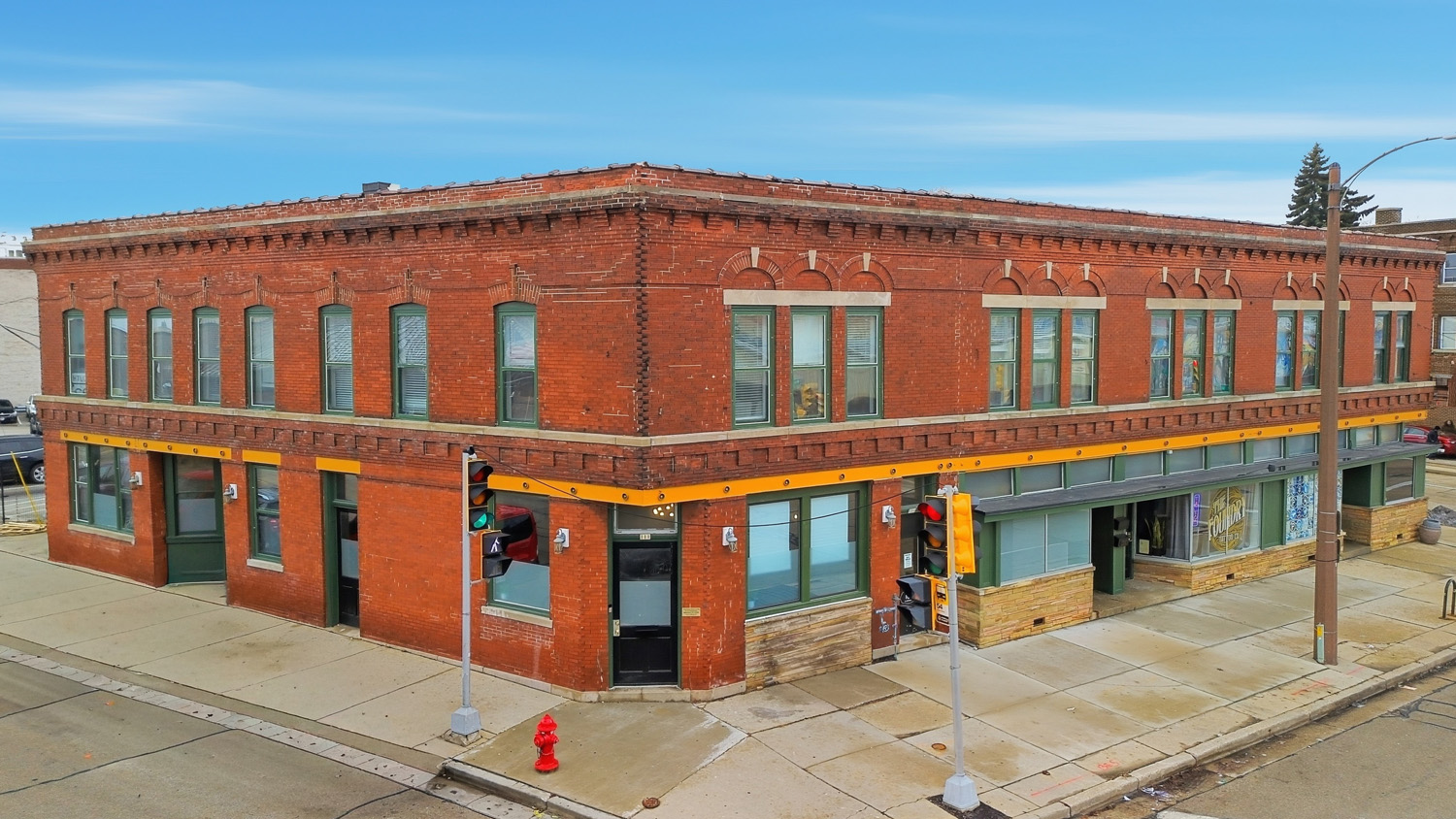
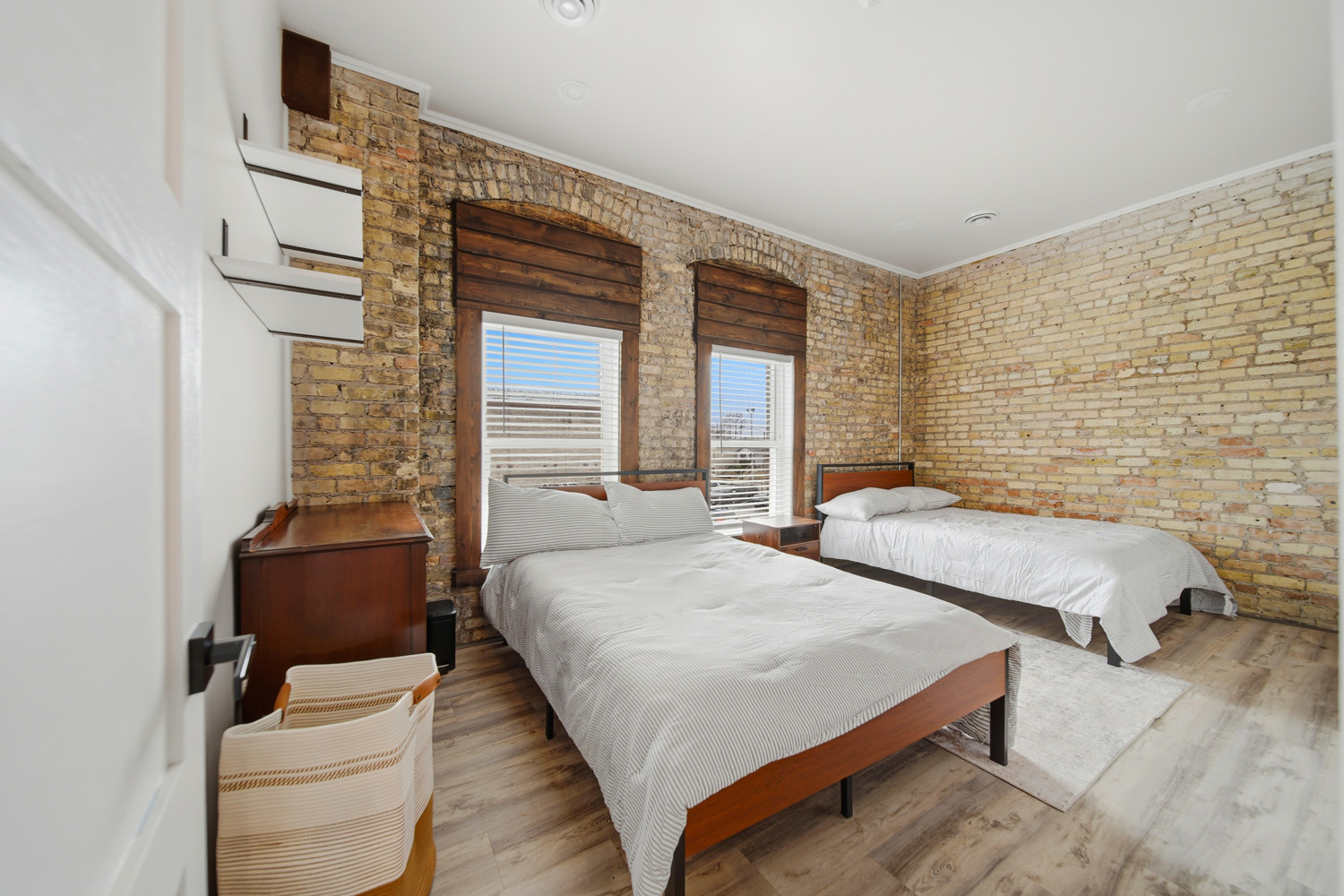
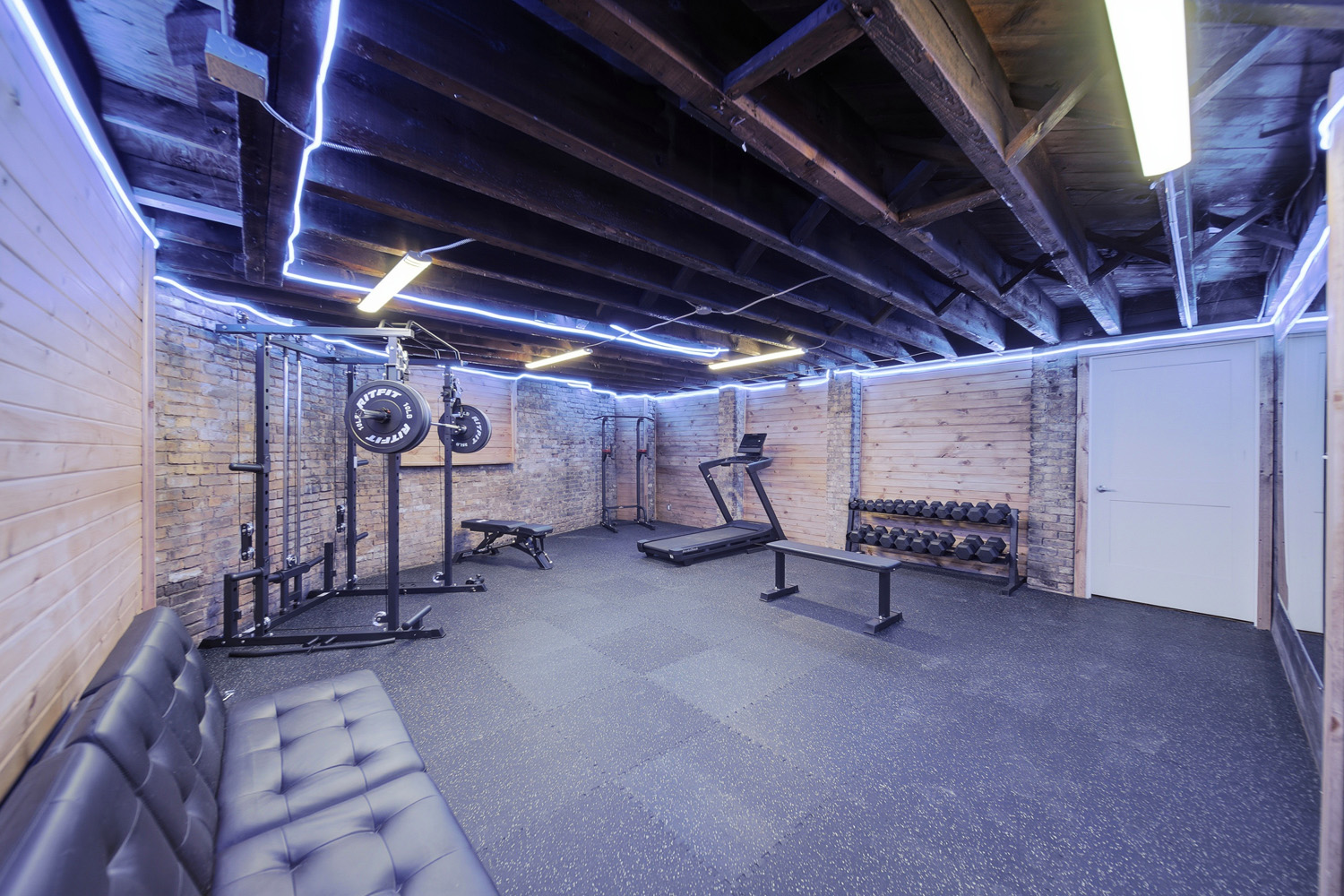
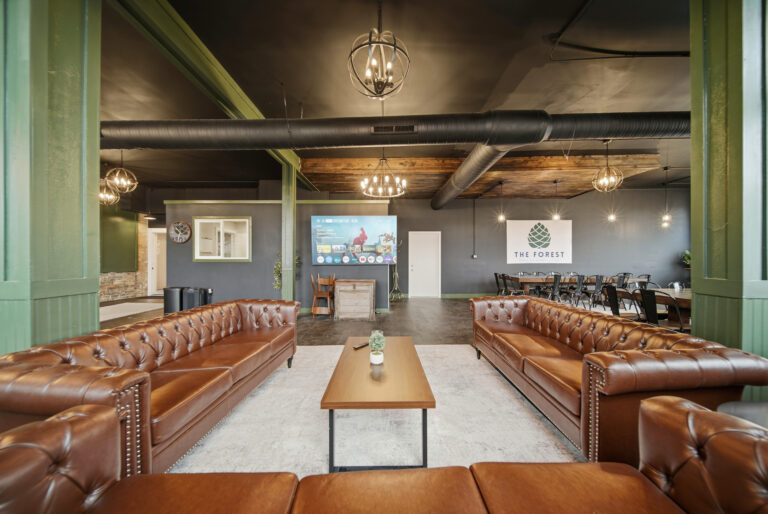
If you’re in the early phases of recovery after addiction treatment, West Allis may be an ideal place to continue your recovery journey. It’s close to Milwaukee and its resources without being so busy that day-to-day life becomes overwhelming. It’s a city where routines are easy to build, where support is close by, and where the community has a consistent, lived-in feel that helps make early recovery less daunting.
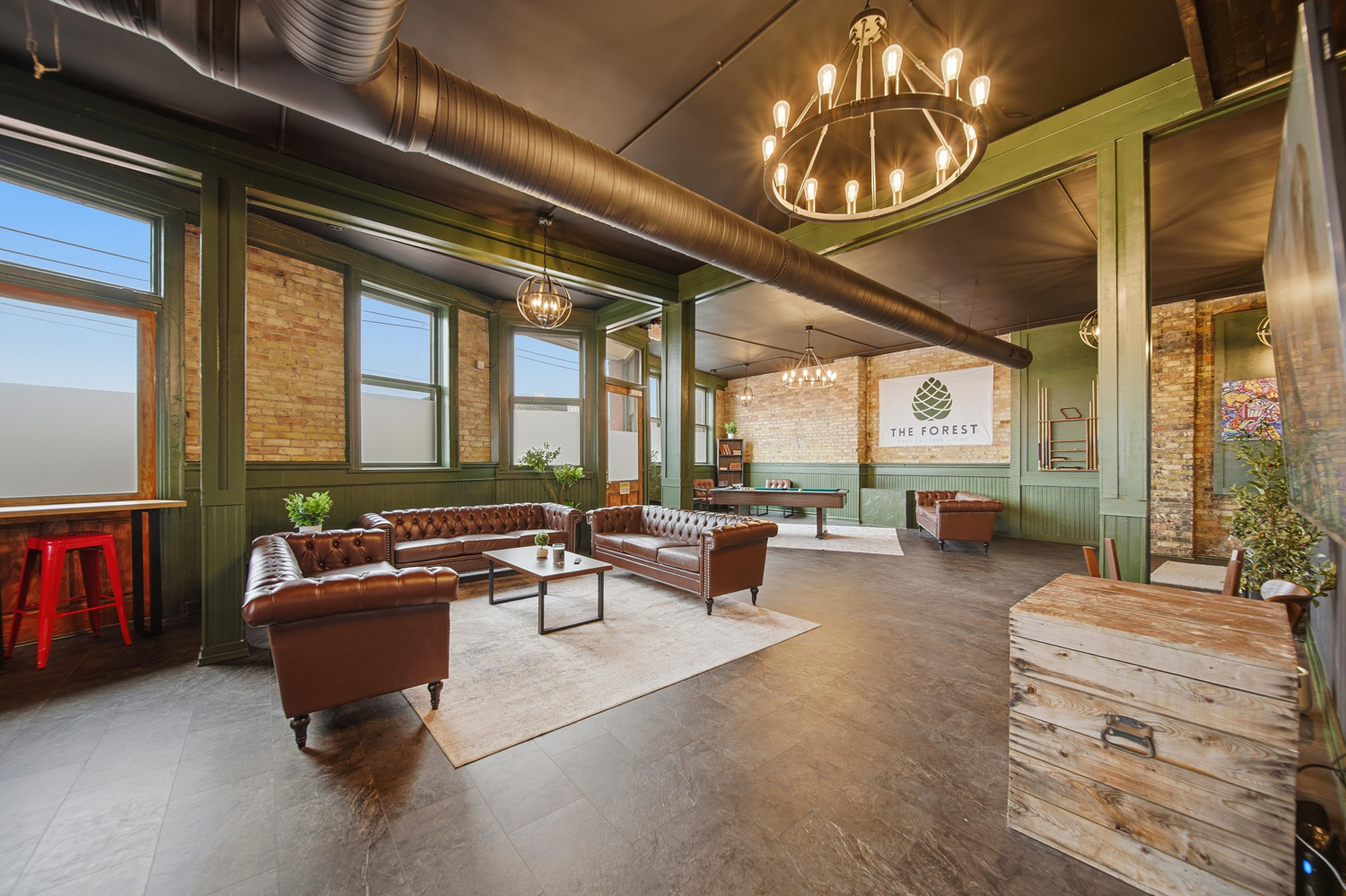
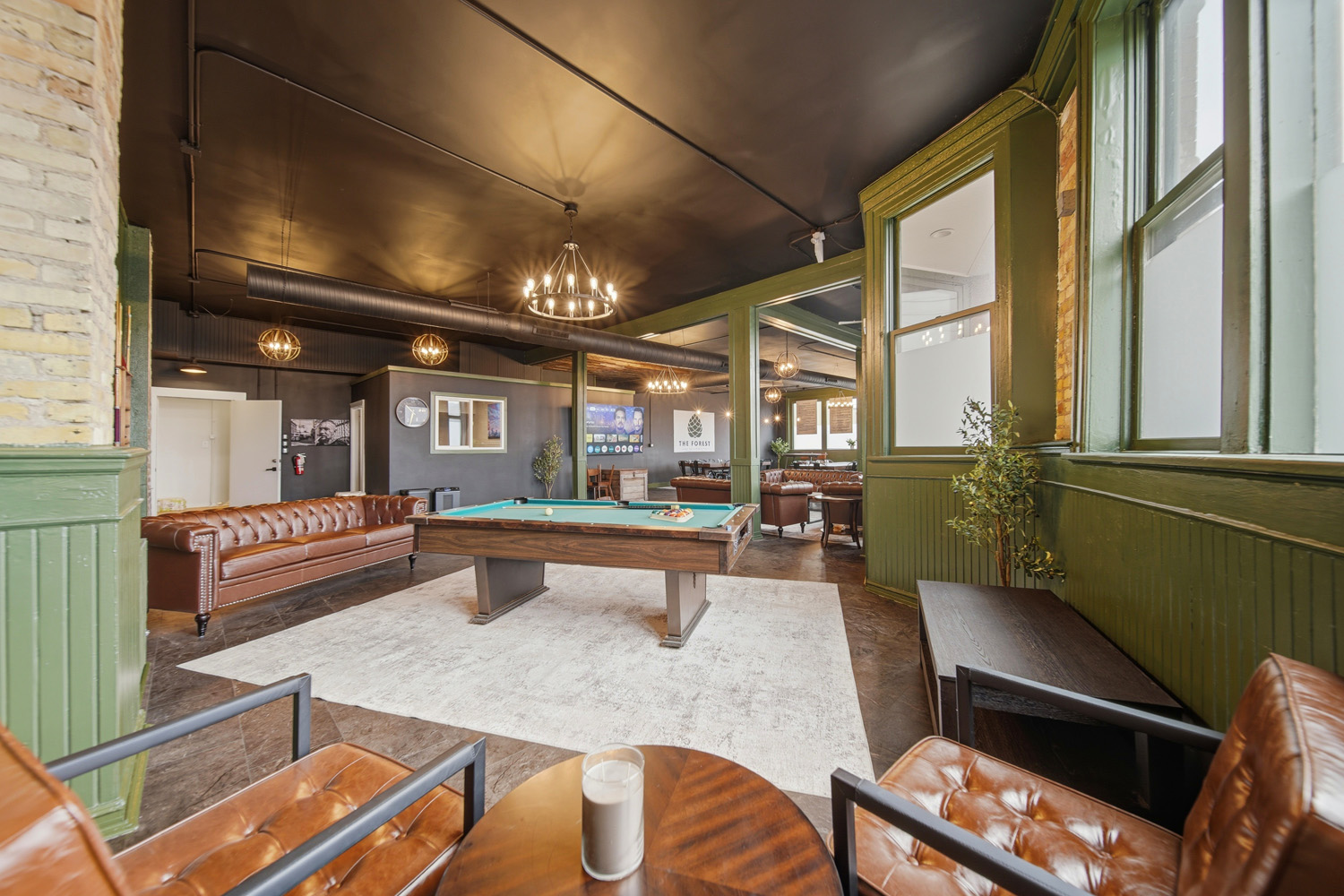
If you’re looking for a place that provides additional structure and accountability, sober living homes may be a good fit. They offer the stability and support you need while also providing a collaborative home environment focused on rebuilding life after treatment. Many people say that being just minutes from Milwaukee’s treatment centers—combined with the quieter, steadier atmosphere of West Allis—makes a meaningful difference as they move forward.
This guide explains what sober living looks like in West Allis, the types of homes available, the support nearby, and what daily life may feel like as you continue your recovery.
Why Choose Sober Living in West Allis?
West Allis offers a setting that makes early recovery feel less overwhelming. It’s close to treatment and care in Milwaukee, while still calm and manageable enough to rebuild routines in a smaller city. Here are additional reasons why many people in recovery choose West Allis as their place to create new habits and work on sober living.
Calm and Convenient
West Allis is easy to navigate, which helps tremendously in early recovery. Grocery stores, pharmacies, outpatient treatment programs, and healthcare providers are all nearby. Residents can get to appointments, re-establish grocery shopping routines, and stay connected to Milwaukee if additional support is needed.
Public transportation is very accessible, and links residents to counseling services, IOP programs, and support groups in the area. Having these essential services within reach eases stress and creates more space for healthier habits to grow.
Safety and Stability
West Allis has a settled, steady feel. Neighborhoods are well-cared-for, parks offer quiet places to regroup, and daily life moves at a pace that supports healing. For people in early recovery, that sense of consistency makes it easier to establish new routines.
Many residents say they can finally breathe here— and that there’s a sense of community that supports their goals and reduces unnecessary stressors.
Community and Support
West Allis has strong recovery support, with additional resources throughout Milwaukee County. Residents have easy access to outpatient treatment providers, counseling and therapy services, peer-support meetings, nonprofit programs, and community groups that understand the challenges of early sobriety.
Peer support is especially important here, whether through support groups, recovery coaching, or the connections built inside a sober living home. The encouragement feels grounded and human, not clinical or intimidating.
Diverse Housing Options
West Allis offers several types of sober living and supportive housing. There are gender-specific homes, coed homes, and many homes that emphasize a welcoming, LGBTQ-inclusive environment for all residents. Some homes are quieter and designed for people who prefer privacy, while others are pet-friendly or staffed with live-in managers who oversee day-to-day needs.
Regardless of the style, all sober living homes share the same goal: creating a stable, substance-free environment where residents can establish routines, practice life skills, and move forward in recovery with ongoing support.
Employment Opportunities
West Allis has a strong job market, with opportunities in health care, customer service, logistics, food service, and manufacturing. Its close proximity to Milwaukee expands the options even further.
Some of the largest employers around West Allis include:
- Advocate Aurora Health, offering roles in support services, administrative work, facilities, and non-clinical patient care.
- City of West Allis, with positions in parks, public works, sanitation, and administrative services.
- Quad Graphics, offering warehouse, production, and distribution work.
- Gordie Boucher Auto Group, hiring for customer service, detailing, and support positions.
- ACL Laboratories, offering positions in laboratory testing, specimen processing, and administrative support.
What to Expect in a Sober Living Home in West Allis
Every sober living home has its own approach, but most offer a similar foundation of structure, support, and community. Here’s what residents can generally expect when settling into a sober home in West Allis.
Structure and Routine
Sober living works best when there’s a balance between guidance and independence. Most homes follow routines that include shared chores, curfews, weekly house meetings, and regular drug testing. These expectations help create a predictable rhythm that supports sobriety without feeling overly strict. Many houses also encourage residents to stay connected to outpatient treatment, counseling, or behavioral health appointments, giving them steady support as they rebuild their lives.
Community and Accountability
One of the most meaningful parts of sober living is the sense of community that forms inside the home. Living with people who understand addiction, mental health challenges, and the ups and downs of early recovery creates a level of connection that’s hard to find elsewhere. Housemates check in on one another, share routines, talk through difficult days, and celebrate progress—big or small.
For many residents, this is the first time they feel genuinely understood, and that kind of peer support can make a lasting difference.
Continued Recovery Support
Because West Allis sits right next to Milwaukee, residents have access to a wide network of evidence-based treatment programs. People often continue with outpatient care, individual or group therapy, support for co-occurring mental health conditions, medication-assisted treatment when needed, and counseling services. Some also work with recovery coaches or participate in aftercare planning to maintain structure during the transition back into daily life.
These layers of support help residents stay steady as they build confidence, strengthen routines, and move forward in their recovery.
Sober-Friendly Things to Do in West Allis
West Allis has plenty of low-key ways to spend your time that don’t involve drinking or high-pressure environments. The city makes it easy to get outside, stay active, and build healthy routines, all while remaining close to Milwaukee’s broader community. Below are a few local spots that offer calm, connection, and simple ways to enjoy the day.
Greenfield Park provides walking trails, open space, and a calm place to reset.
West Allis Farmers Market gives residents access to local produce and community connection.
Wisconsin State Fair Park hosts events and open spaces for movement and fresh air.
The West Allis Public Library offers a quiet environment and free community programs.
LaFollette Park is a simple place for walking, fresh air, and time away from stress.
Health and Wellness in West Allis
Anytime Fitness West Allis offers flexible workouts and accessible classes.
Yoga Is Served provides welcoming yoga and movement classes focused on wellness, community, and inclusivity at its studio on W National Avenue.
MTstyle Massage Studio offers therapeutic massage, aromatherapy, hot-towel sessions, and stress-relief treatments in a calm, personalized environment.
Healium Hot Yoga offers heated yoga, HIIT classes, and strength-focused sessions that support movement and overall well-being.
Wisconsin Athletic Club West Allis features a full-service fitness center with pools, group classes, racquet sports, and personal training for a variety of wellness needs.
Local Substance Use and Recovery Stats
Dashboard data show that from 2023 to 2024, opioid-related deaths in Milwaukee County fell by about 6–7%, while naloxone use by EMS and law enforcement dropped roughly 41%, suggesting more people are getting Narcan earlier from community sources.[1]
Milwaukee County’s overdose dashboard identifies West Allis as one of the communities with “disproportionately high numbers of overdoses” relative to its population, highlighting it as a local hotspot for substance-use harms.[2]
As of August 2024, Milwaukee County operates 19 Harm Reduction Vending Machines (including one at the Rogers Behavioral Health West Allis campus), after adding 8 new machines to the original 11 launched in 2023.[3]
County data show that in 2023, at least 90% of Milwaukee County residents who experienced an overdose were within a 10-minute drive of a harm-reduction vending machine, and about 1 in 5 were within a 10-minute walk.[4]