Trenton Sober Living Guide: Transitional Housing & Support

Recovery in the Heart of the Capital City
Cherry-Hill
Cherry-Hill
Jump to Section

    People are most successful in recovery and developing new lives when they are able to connect with others and better understand their life purpose. The city of Trenton, New Jersey, is a place that will allow you to do both.

    The capital of the state of New Jersey, Trenton offers recovery support in its community programs and healthcare systems, which provide intensive access to community programs built around sober living principles. Trenton’s sober living houses serve as a bridge between being in treatment and independent sober living, as they are not treatment-based but offer accountability, support from the community, and a safe living environment that offers healing.

    This guide explains why Trenton is an effective recovery city, what the sober living atmosphere is like in Trenton, and provides other accessible healing resources in the city and throughout Mercer County.

    Why Choose Sober Living in Trenton

    Trenton blends urban opportunity with community-centered recovery support, making it one of New Jersey’s most practical cities for sober living. Below are some reasons why Trenton is a top spot for those in recovery looking to build life skills and learn how to live a drug-free life.

    Accessible and Central Location

    As New Jersey’s capital, Trenton is incredibly well-connected. NJ Transit, Amtrak, and SEPTA lines link directly to Philadelphia, New York, and throughout the state. That accessibility makes it easy to reach therapy, meetings, or work without relying on a car — an important advantage for people rebuilding daily structure.

    Affordability and Opportunity

    Compared to larger metro areas, Trenton’s housing and cost of living remain relatively low. This affordability creates breathing room to focus on recovery goals without the overwhelming financial pressure found elsewhere.

    Community and Diversity

    Trenton is a city built on resilience. Its diverse neighborhoods reflect cultures and experiences from around the world, creating recovery spaces where everyone can feel seen and understood. Multilingual and culturally specific meetings are common, and the recovery community here emphasizes acceptance and mutual respect.

    Strong Recovery Network

    Trenton’s recovery landscape includes a wide network of outpatient programs, peer recovery centers, and treatment providers. Organizations like the Mercer Council on Alcoholism and Drug Addiction and Catholic Charities Behavioral Health Services play vital roles in community-based care. These networks provide resources that help residents maintain progress and accountability.

    Range of Sober Living Options

    Sober living homes in Trenton include men’s and women’s housing, LGBTQ-friendly residences, pet-friendly homes, and sober living for couples. From modest shared houses to higher-end recovery residences, the variety allows people to find a home that fits their needs, finances, and goals.

    Employment Opportunities

    Once known for its manufacturing and government roots, Trenton now offers a job market full of supportive, steady-routine roles that help you anchor your day and rebuild confidently in recovery. Here are some employers worth checking out:

    • Capital Health Regional Medical Center provides many non-clinical roles including environmental services, patient transport, facilities, dietary support, and administrative operations.
    • State of New Jersey hires for structured positions in clerical support, public works, customer service, maintenance, and general administrative operations across many state departments headquartered in Trenton.
    • NJ Transit provides steady routine-friendly jobs in station operations, facilities maintenance, customer information support, logistics, and administrative roles.
    • City of Trenton hires for municipal roles including public works, utilities support, recreation services, parks maintenance, and office administration.

    What to Expect in a Sober Living Home in Trenton

    Sober living programs in Trenton provide important elements of structure and peer accountability that allow recovery practices to become permanent lifestyle changes.

    Structure and Routine

    Life in sober living is consistent. Each day, you have responsibilities to fulfill, curfews to meet, and recovery meetings to attend to maintain balance and predictability. Regular drug testing demonstrates ongoing safety and honesty, affirming an ongoing commitment to the sober living approach. The overall structure and routine are made easier by the fact that each resident lives in Trenton, a city that provides efficient and affordable transit options and easy access to jobs and schools.

    Community and Accountability

    What contributes to the success of these homes is the communities that reside in them. You share chores and cooking responsibilities, and support and celebrate each other. House meetings are not only about house rules; they are also an opportunity to talk, support, and learn from what others are going through. Often, peer mentors and recovery coaches are also present to support you until you feel more comfortable about your early recovery journey.

    Continued Recovery Support

    While in sober housing, most residents continue to participate in therapy, counseling, or outpatient programs. There are good local options, like Capital Health Behavioral Health, Catholic Charities of Trenton, and Henry J. Austin Health Center, all offering continued addiction and mental health support. Being connected to care while living independently makes it so recovery becomes something lasting and meaningful; not just something you did, but something you’re going to continue doing.

    Sober-Friendly Things to Do in Trenton, New Jersey

    The combination of historical sites, artistic expression, and natural areas in Trenton create a complete and unified experience that supports your recovery journey. Here are some local attractions which you can visit:

    Cadwalader Park, designed by Frederick Law Olmsted, features curved walking trails and expansive grassy areas.

    The New Jersey State Museum presents art, historical, and scientific exhibits for educational experiences without the distractions of nightlife.

    The Mill Hill Historic District lets visitors experience its restored row houses and tree-lined streets through community events.

    Trenton Thunder Ballpark hosts collegiate summer baseball and family-friendly events — a lively, affordable way to spend time with friends in a sober environment.

    The Trenton Farmers Market serves as a local meeting spot, offering fresh produce, handmade items, and a friendly atmosphere.

    Artworks Trenton creates a creative environment for people to connect through workshops, exhibits, and local art events.

    Health and Wellness in Trenton, New Jersey

    Agape Healing & Yoga Wellness Center offers trauma-informed yoga, mindfulness, and holistic healing in a calm studio space focused on emotional regulation and nervous system recovery in Trenton.

    Sol Touch Wellness provides therapeutic massage, holistic bodywork, and energy-based treatments designed to ease tension and support deep physical and emotional reset.

    Urge Fitness Trenton offers a 24/7 gym environment with strength and cardio equipment plus group classes that help you build steady, consistent movement routines.

    Zen Landing Wellness in nearby Hamilton provides yoga, massage, and healing arts in a community-oriented studio that supports balance, grounding, and gentle recovery work.

    Oasis Massage & Healing in Hamilton offers massage, yoga, and meditation classes in a small, supportive setting that helps you reconnect with your body and release stress safely.

    Local Substance Use and Recovery Stats

    In 2023 in Mercer County, alcohol was the primary drug for 1,322 admissions (35%); heroin was 1,334 admissions (36%); other opiates 363 admissions (10 %).[1] At the time of admission, 23% were unemployed and 53 % were “not in labor force”.

    The state’s Division of Mental Health & Addiction Services notes that stable housing is a cornerstone to addiction recovery and without it, the risk of relapse and inability to maintain abstinence is greatly increased.[2]

    In Mercer County, naloxone administrations rose to 603 in 2023, while opioid prescriptions dispensed fell to 135,561.[3]

    Keep Moving Toward What’s Next

    Recovery means learning to live again with purpose and direction — and Trenton gives you the tools to do both. But sometimes, creating distance from familiar places and patterns helps new habits take root.

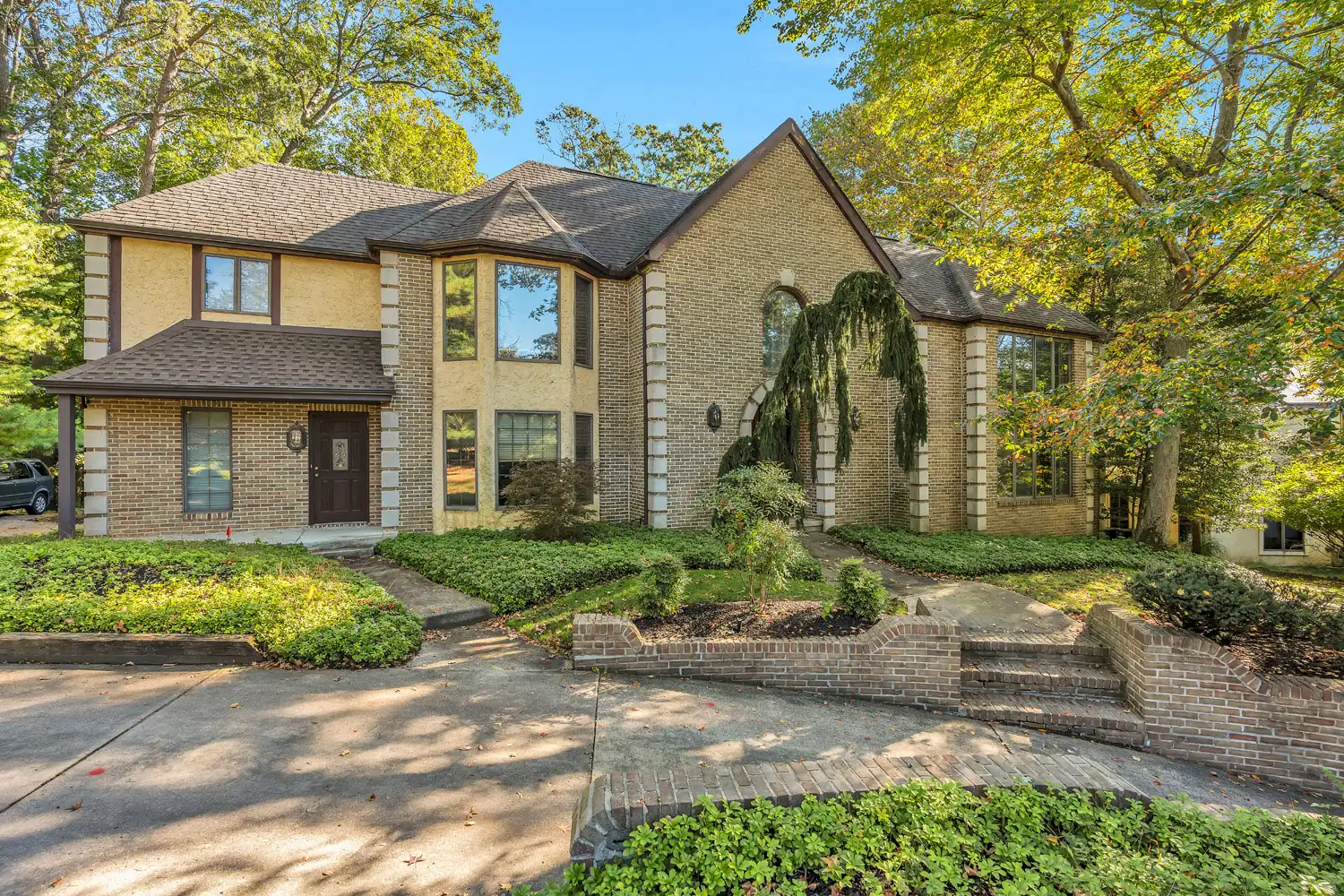
    That’s why The Forest Sober Living offers homes in Cherry Hill, Hainesport, and Pennsauken — structured, supportive environments close enough to stay connected, but far enough to focus fully on your next chapter.

    Each home provides the guidance, accountability, and calm that recovery depends on.

    When you’re ready to keep building the life you’ve started, The Forest is here to help you take that step forward.

    Frequently Asked Questions About Sober Living in Trenton, New Jersey

    What’s the difference between sober living and rehab?

    Rehabilitation focuses on clinical and medical support. It’s the inpatient or formalized phase of the addiction treatment process, where you are stabilized so you can begin your recovery journey. Sober living follows rehabilitation. It is a form of recovery housing where you can take all of the things you learned in treatment and turn them into habits in your everyday life. Sober living helps you build daily structure and accountability with peer support to regain your independence, while remaining part of a recovery-based community.

    Are there specialized sober living homes in Trenton?

    Certainly. Trenton has options for various types of recovery housing, including men’s and women’s gender-specific houses, LGBTQ-friendly homes, as well as housing for couples and pet owners. Some houses provide a simple model for shared living among residents, while other homes offer private and more comfortable living spaces. Regardless, the aim is the same: to provide a safe and structured place to continue growth in your addiction recovery journey with like-minded people.

    How long do residents stay in a sober living home?

    Most people remain in treatment for between 3 months up to a year, depending on how they progress, what their goals are, and how stable they feel. Many stay longer as part of their aftercare plan, particularly while preparing to save money for independent housing or connecting to ongoing therapy or intensive outpatient programs. There is no timeline to recovery; the most important goals to achieve are to allow oneself time to build confidence and consistency to be successful in recovery.

    What rules do sober living homes have?

    Rules contribute to creating safety and trust in the house. Expect curfews, attendance at regular meetings, sharing chores, and random drug and alcohol testing. These rules are not about placing limitations; they are about accountability and support. If all residents follow the same structure, the house provides a stable environment for rebuilding one’s life in recovery from addiction.

    How can I find a reputable sober living home?

    Begin by looking for certification through the State of New Jersey’s Recovery residence programs or the National Alliance for Recovery Residences (NARR). Certified residences operate under strict safety, ethical, and care standards. If possible, visit in person and try to talk with the staff and residents about their experiences. The best recovery housing is organized and respectful, and will be honest with you about expectations and what you will experience. Places like these create an environment where you can feel safe and focus on recovery.

    Sources

    1. New Jersey Department of Human Services, Division of Mental Health & Addiction Services. (2024, July). Substance use overview 2023: Mercer County. https://www.nj.gov/humanservices/dmhas/documents/pdf/statistical/substance-abuse-overview/2023/Mer.pdf
    2. New Jersey Department of Human Services. (n.d.). Supportive housing, recovery support and care management for individuals with an opioid use disorder. https://www.nj.gov/humanservices/notices/documents/rfprfi/Young%20Adults%20Recovery%20Housing%20RFP_5-13-26%20rev2.pdf
    3. Trenton Health Team. (2024, October). Mercer County Overdose Fatality Review Team Annual Report 2024. https://trentonhealthteam.org/wp-content/uploads/2024/10/Mercer-OFRT-Annual-Report-2024.pdf


    Sober Living Homes Nearby