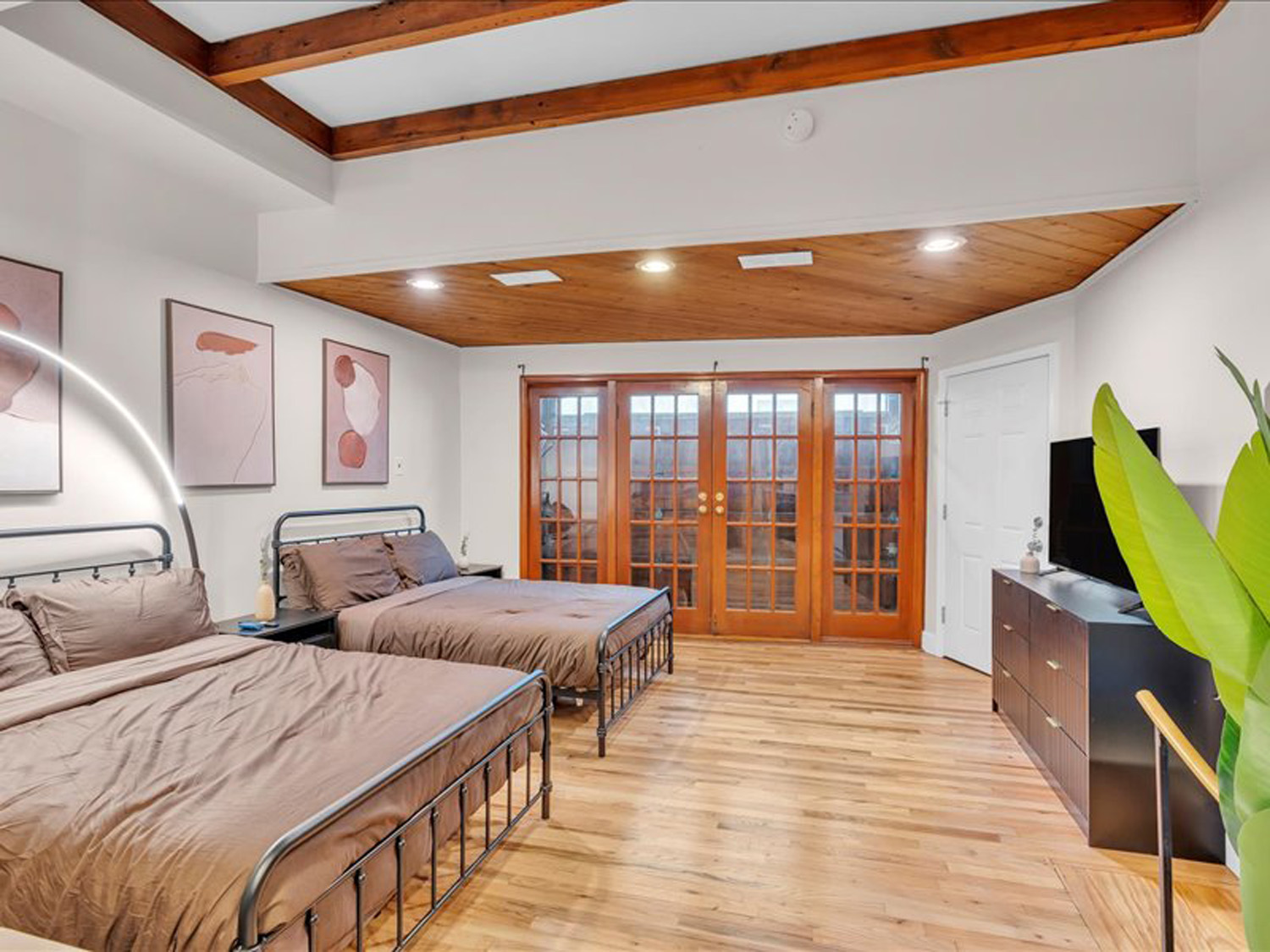
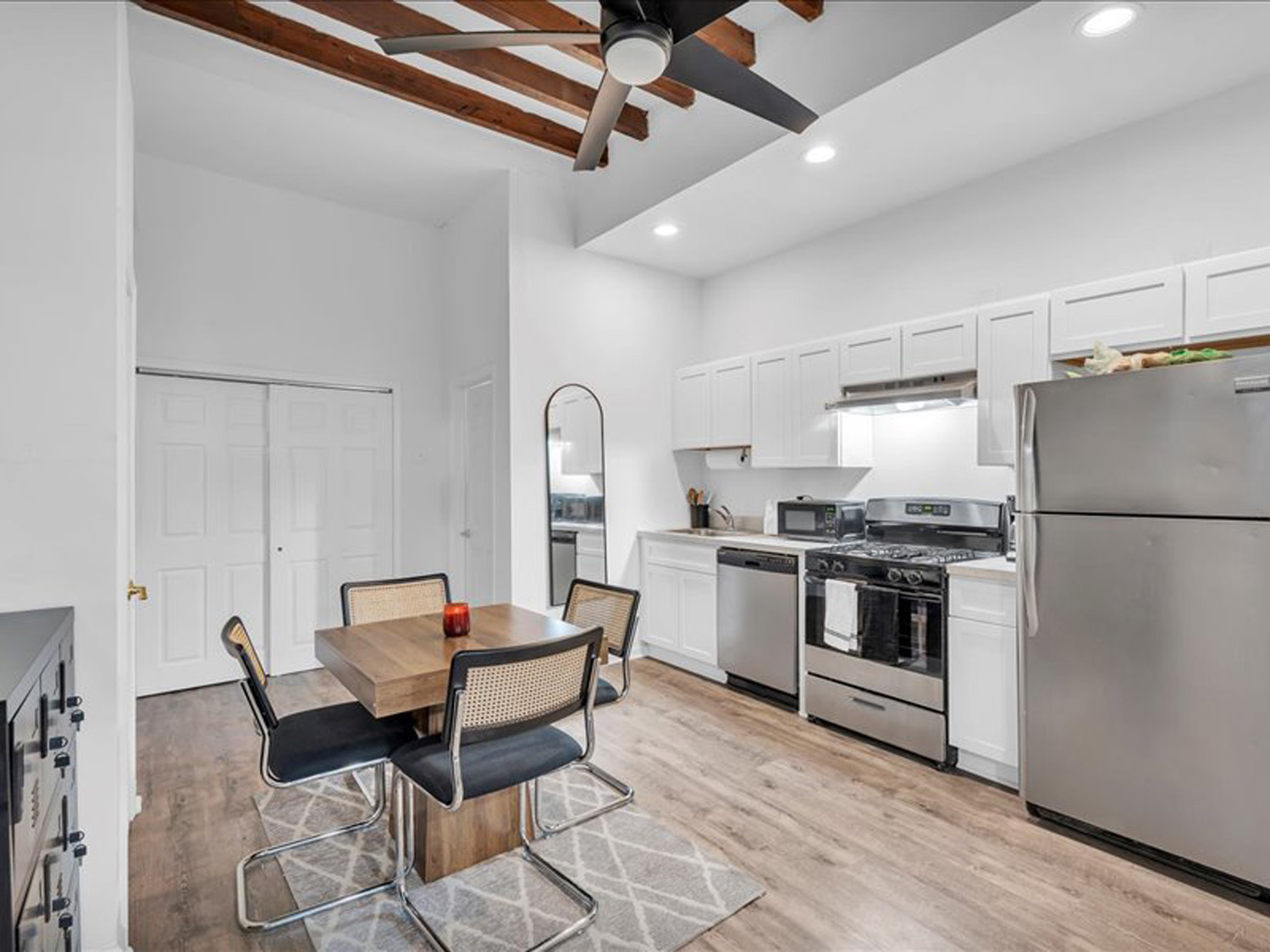
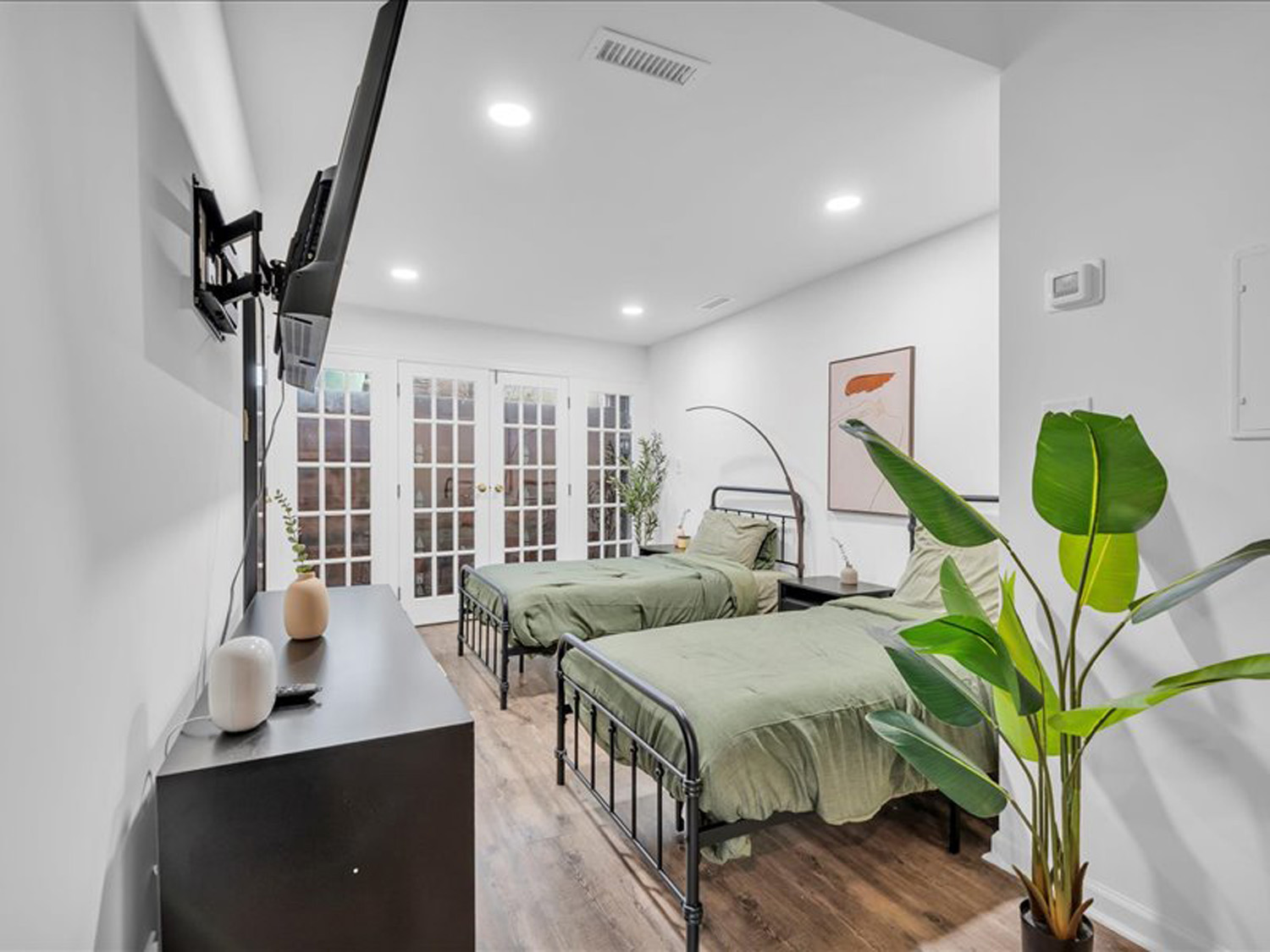
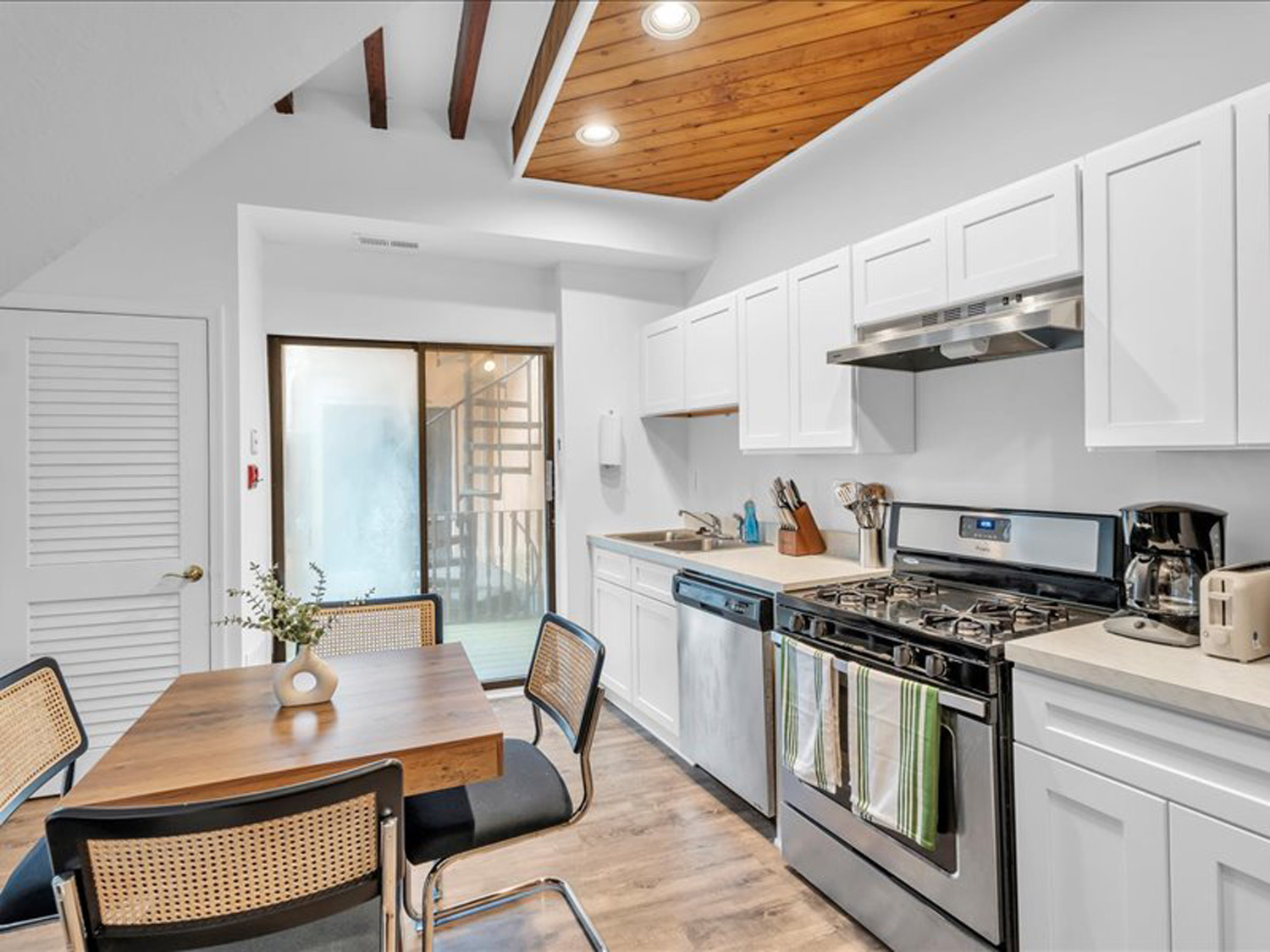
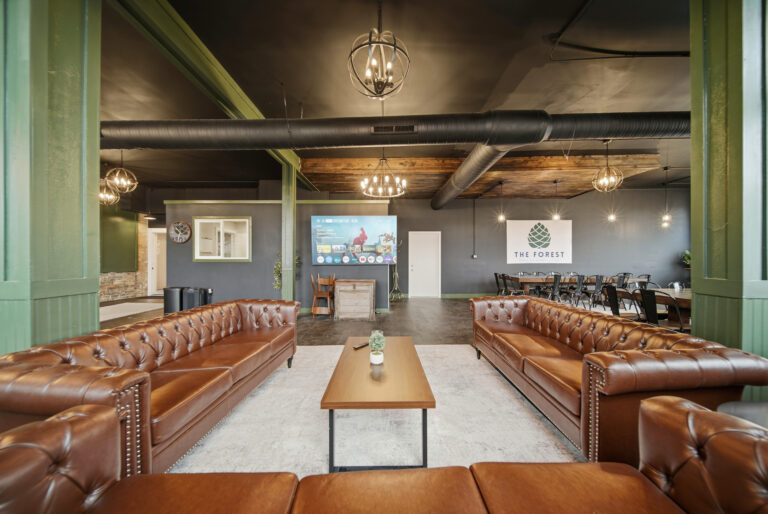
Recovery is most successful in environments that provide purpose and peace, and Erie has both.
As Pennsylvania’s only Great Lakes city, it embodies the best of small-town charm, the beauty of the water, and a pace that allows for contemplation. From the sunset views on the bay to friendly neighborhoods that still look out for each other, Erie affords you space to restore and reconnect.
Sober living facilities in Erie offer structure, supportive peers, and community to facilitate the permanence of recovery. Whether you are completing addiction treatment near Erie or are interested in relocating to a quiet, affordable city to begin your recovery, this guide will take you through sober living options in Erie, as well as available supportive resources throughout Northwest PA.
[Start Your Journey at The Forest]
Why Choose Sober Living in Erie?
Erie offers a balance of calm and community that makes recovery feel possible. It’s a lakefront city where you can slow down, reconnect with yourself, and build a stable foundation surrounded by genuine people and affordable living.
Affordable and Sustainable
Living costs in Erie are among the lowest in the Northeast. That means residents can focus on mental health and steady recovery without constant financial strain. Affordable sober housing and manageable expenses make it easier to stay grounded, maintain work, and build stability over time throughout your recovery journey.
Small City, Strong Connection
With roughly 95,000 residents, Erie feels close-knit in a way larger cities can’t match. People notice your progress, remember your name, and look out for each other. That everyday connection creates natural accountability and belonging within the recovery community.
Slower Pace, Deeper Healing
Life here moves at a gentler rhythm. Without the rush of big-city life, there’s more room to process, reflect, and grow. For many, Erie’s quiet pace helps recovery sink in and feel sustainable.
Nature and Reflection
Presque Isle State Park stretches into Lake Erie with beaches, trails, and year-round outdoor spaces for reflection and renewal. The surrounding parks and forests offer peaceful escapes that help recovery stay centered.
Inclusive Recovery Homes
Erie’s sober living community includes men’s and women’s homes, LGBTQ-friendly and pet-friendly residences, community house models, and housing for couples. Each offers a calm, affordable space built on structure, connection, and respect.
Employment Opportunities
Once known for its manufacturing and lakefront industry, Erie now offers a job market full of supportive, steady-routine roles that help you anchor your day and rebuild with confidence. With employers in healthcare, education, insurance, public service, and operations, there are paths that fit different stages of recovery. Below are some of the biggest employers in the area:
- Erie Insurance provides stable office support, customer service, claims operations, and administrative roles across its headquarters campus.
- UPMC Hamot offers non-clinical positions including food service, environmental services, patient transport, facilities, and general hospital support.
- Wabtec Corporation hires for steady roles in production, logistics, assembly, and operations at its large Erie manufacturing site.
- Gannon University provides non-teaching opportunities like facilities, dining services, custodial work, and general office operations on campus.
- Barber National Institute gives access to roles in care support, facilities, administrative services, and community-based programs in a mission-driven environment.
What to Expect in a Sober Living Home in Erie
Sober living in Erie is supportive and structured by design to legally guide you in developing independence while remaining engaged with your community and continuing care for substance use disorders. Homes provide structure, routines, and accountability with daily routines and real-life recovery in a city that feels close and manageable.
Structure and Routine
Every house has a stable rhythm that builds consistency. Residents share chores in the shared living spaces, attend house meetings, follow curfew hours, and participate in 12-step or similar-structured recovery programs throughout the week. Regular drug testing helps residents know that the environment is safe and focused. The compact layout of Erie makes everything accessible; meetings, work, and other services are walkable or bikeable, and public transit connects them all.
Community and Accountability
Living among others at a halfway house or sober living facility that has the same purpose matters. Weekly house meetings provide opportunities for discussion and problem-solving, and peer mentors assist newer residents in adjusting to the halfway house. Erie is a small recovery community — people know one another, and that familiarity creates real accountability and support.
Continued Recovery Support
While living in sober housing, most residents take part in therapy and individual counseling, meet with sponsors, or work on employment goals. Many sober houses help with finding employment and skill-building so you can continue building a stable life step by step. Locally, there are accredited behavioral health programs through UPMC Hamot, Saint Vincent Hospital, and community clinics. For more specialized treatment needs, larger cities in Pennsylvania are only a few hours away.
Sober-Friendly Things to Do in Erie, Pennsylvania
Erie’s lakefront setting makes it easy to stay active and connected in recovery. From beaches and trails to art, history, and local gatherings, the city offers plenty of ways to fill your days with meaning and movement.
Presque Isle State Park offers beaches, walking trails, and peaceful lake views that make reflection and exercise part of everyday life.
Erie Bluffs State Park provides miles of hiking paths along dramatic lakeside cliffs and forested overlooks.
Frontier Park features community trails, gardens, and open green spaces for walking, running, or meeting up with friends.
Waldameer & Water World brings family-friendly fun with classic rides, water slides, and lake views just minutes from downtown.
Erie Zoo offers year-round access to wildlife exhibits, botanical gardens, and calm outdoor spaces perfect for mindful afternoons.
Erie County Farmers Markets connect residents through local food, handmade goods, and community events that celebrate healthy living.
Erie Art Museum showcases regional artists and creative exhibits that encourage reflection and inspiration.
Warner Theatre hosts concerts, plays, and performances in one of the city’s most beloved cultural landmarks.
Erie Maritime Museum shares the city’s deep connection to the Great Lakes through exhibits and tours aboard the U.S. Brig Niagara.
Health and Wellness in Erie
YogaErie offers hot power yoga, prenatal and kids classes in a welcoming studio that helps you build strength and calm in recovery.
Presque Isle Mind-Body Wellness Center provides holistic care including massage, sound healing, yoga and counseling for whole-person wellness.
Studio Sage Erie features yoga, movement workshops and wellness sessions in a quiet, intimate setting to support balance and recovery.
LECOM Medical Fitness & Wellness Center gives access to medically integrated fitness, group classes and equipment that help rebuild routine and physical resilience.
Nutrition & Healing Center of Erie focuses on functional nutrition, detox programs and personalized wellness plans to nurture body, mind, and spirit.
Local Substance Use & Recovery Stats
Fentanyl was involved in 87% of opioid-related overdose deaths in Erie County from 2019 to present.[1]
From August 2024 to September 2025, Erie County averaged about 21 overdose deaths per month, down from nearly 37 per month in January 2024.[1]
In March 2025, Pennsylvania’s DDAP announced an investment of more than $2 million in five grants to expand access to licensed recovery housing across the Commonwealth.[2]
Erie County will add three new state-licensed residential recovery houses in 2025: two 8-bed houses (one for men, one for women) and a 16-bed men’s house.[3]