Guide to Sober Living in Wisconsin | Recovery, Routine & Stability

A supportive Midwestern setting to help you move forward
The state of Wisconsin has a grounded, inviting environment for people engaged in their ongoing addiction recovery. Across the state, from Milwaukee and Waukesha to La Crosse and Oshkosh, communities have a steady pace, familiar resources, and quality recovery housing that help those in recovery work on their sobriety.

For those looking for more structure as they continue their journey, sober living homes in Wisconsin are designed to provide a stable, sober living environment that offers residents the chance to learn life skills, remain involved in outpatient treatment, and have peer support as they go through one of the most crucial stages of recovery. Whether someone is moving out of detox, residential treatment, or sober living in another state, sober living homes in Wisconsin provide hope and space for real change.

This guide shares why Wisconsin is an ideal state to live sober in, what to expect in sober living homes in the area, and what resources exist statewide to enhance long-term recovery for you or a loved one.

Why Choose Sober Living in Wisconsin?

Wisconsin has a steady, community-based environment that allows for healing and individual growth. Many people enjoy the calmer neighborhoods, strong recovery communities, and availability of treatment services that ease the transition from treatment to sober living. Below are some of the many reasons people choose Wisconsin for sober living.

Calm and Convenient

Communities across Wisconsin have a calm pace that works well with early recovery. Whether someone lives in a suburb of Milwaukee or a smaller town, the neighborhoods are quiet, predictable, and easier to manage. In most places, there is easy access to outpatient treatment, counseling services, healthcare services, and available community-based support services, to help keep your recovery routine. For people rebuilding their lives after detoxification or treatment, the smaller communities and the welcoming midwest feel of the state provides the stability needed for a long-term recovery.

Safety and Stability

During early recovery, a stable place to live is crucial, and sober living houses purposefully create that for their residents. Regardless of whether a resident is living in a halfway house, sober living house with an on-site manager, or a more independent sober living community, a routine, structure, and roles are provided. Many homes are located near the outpatient programs or mental health providers or housing, and recovery centers; so, as sobriety grows, residents can build confidence and continue to grow.

Community and Support

Wisconsin has a deeply rooted recovery community with access to 12 step meetings, peer support, gender-specific support groups, and statewide non-profit programs that assist almost all manners of recovery.

Across the state, people describe the recovery community in Wisconsin as supportive, down-to-earth, and personal. Regardless if a person lives in Milwaukee, Waukesha, La Crosse, or Oshkosh, residents can find the support they need close at hand.

Diverse Housing Options

Recovery housing in Wisconsin comes in many forms. Residents can find men’s sober homes, women’s sober living residences, gender-specific programs, LGBTQ options, and sober living apartments with varying levels of structure.

Some homes offer a more independent living environment, while others are designed for people wanting extensive structure and daily accountability. Despite these differences, all Wisconsin sober living homes share the same goal: providing a safe, supportive environment where recovery can take root.

Employment in Wisconsin

Finding a job and getting into a steady routine can become an exceptionally powerful element of long-term recovery, as it helps build confidence and fosters accountability. Wisconsin has a steady job market with employment options in fields like manufacturing, healthcare support, customer service, logistics, food service, retail, and hospitality. Many employers also provide jobs that work with your schedule and don’t require advanced degrees, which is ideal for those re-entering the workforce after treatment.

From larger cities like Milwaukee to mid-sized towns like Wausau and Green Bay, residents can find work that fits their treatment schedule, recovery timelines and goals.

What to Expect in a Sober Living Home in Wisconsin

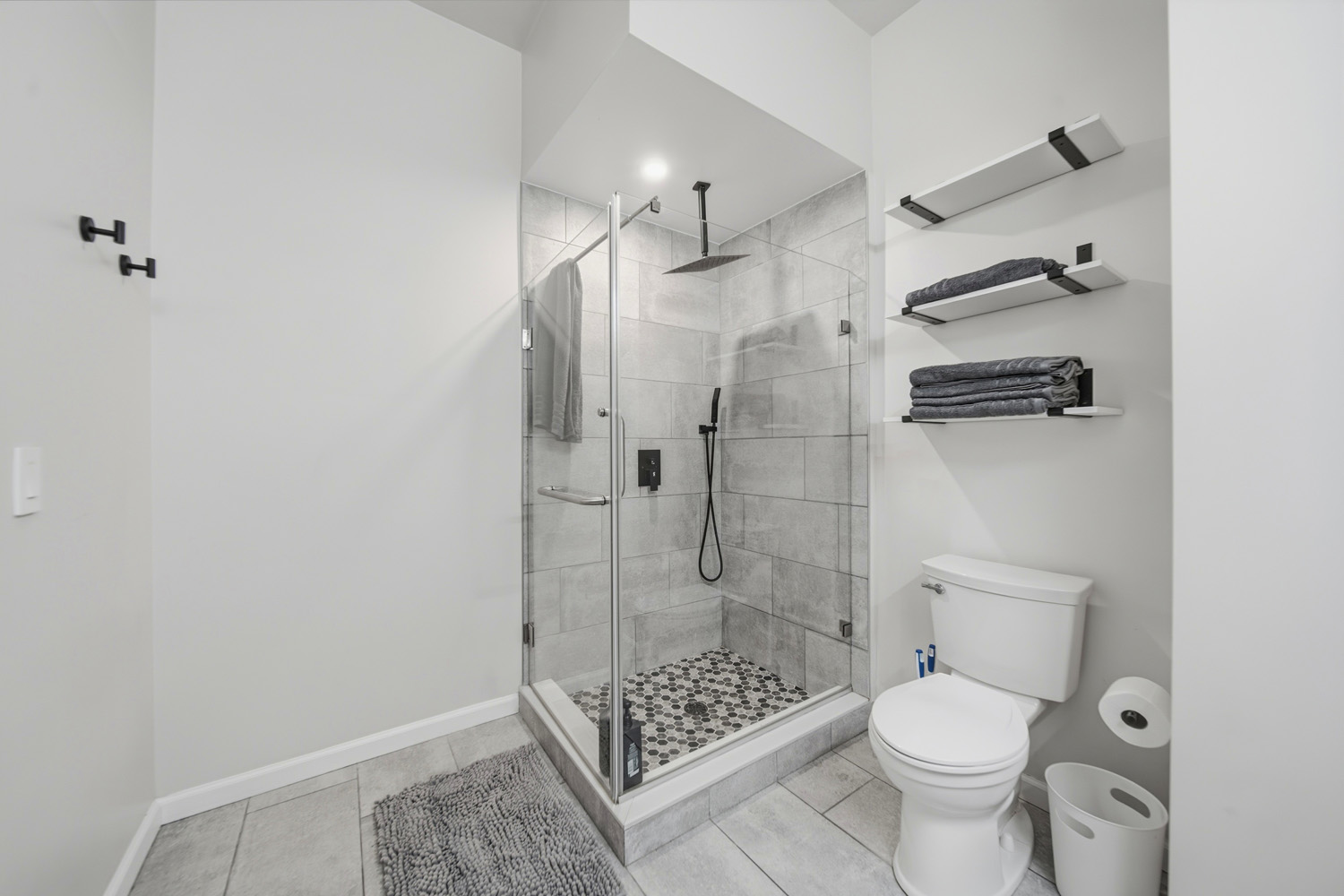
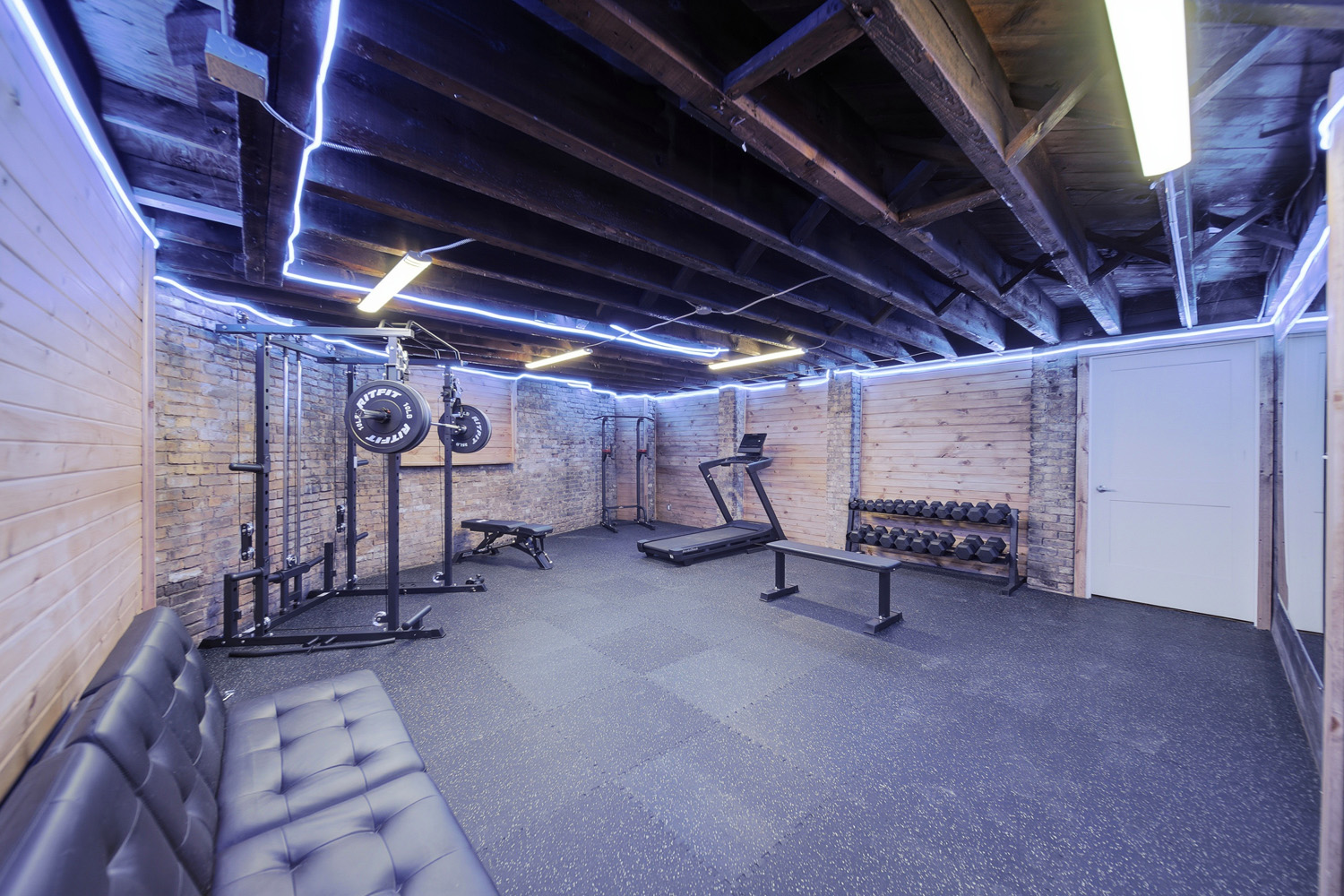
Sober living houses in Wisconsin offer a structured, supportive environment where people can continue developing the habits and skills they started building in treatment. These homes emphasize respect, accountability, and community. Every community is different, but below are some things you can expect:

Structure and Routine

Most Wisconsin sober living apartments and homes follow clear, simple guidelines that help residents stay grounded. Curfews, house meetings, life-skills practice, shared responsibilities, and drug testing support a safe, drug-free environment where people can focus on their recovery goals.

Because the state has many treatment programs and recovery centers, residents often continue outpatient treatment, counseling, medication-assisted treatment, or case management while living in a stable home environment. This balance of structure and continued care supports long-term recovery in a practical, sustainable way.

Community and Accountability

Community is one of the most meaningful parts of sober living. In Wisconsin sober homes, residents often share the daily routines of cooking, conversations, encouragement, and working through challenges together. House meetings provide a place to talk openly, receive guidance, and build accountability with others who share similar goals.

This supportive environment allows residents to rebuild trust, strengthen communication skills, and feel less alone in the recovery process.

Continued Recovery Support

Wisconsin residents in sober living homes are encouraged to stay connected to the statewide recovery community. This may include outpatient treatment, individual counseling, group therapy, 12-step meetings, recovery coaching, or aftercare planning from a treatment center.

Having these services close by helps people maintain momentum, practice relapse-prevention skills, and build long-term recovery at a pace that feels steady and achievable. Wisconsin’s network of recovery resources makes it easier for people to stay focused on their healing.


Local Substance Abuse and Recovery Stats

In 2023, Wisconsin’s 26 opioid treatment programs served 11,584 patients, including 1,883 who received concurrent behavioral health services.[1]

Recent data shows that Wisconsin’s adult substance use disorder rate is slightly higher than the national average (18.6% vs. 18.1%), while alcohol use is significantly higher, with 59.9% of residents reporting past-month drinking compared to 50.9% nationally.[2]

In 2023, law enforcement agencies in Wisconsin made 28,220 drug-related arrests, according to the bill-of-information data from the Wisconsin Department of Justice.[3]

The National Study of Treatment and Addiction Recovery Residences identified 98 recovery residences in Wisconsin, equal to 1.69 houses per 100,000 people, ranking 40th in the nation for per-capita recovery housing. It also found that 38 of Wisconsin’s 72 counties had no identified recovery residences, and most other counties had fewer than five.[4]

A Home Where Your Recovery Can Keep Growing

Wisconsin offers a strong foundation for healing, and having a place where you feel supported can make your next steps a little easier.
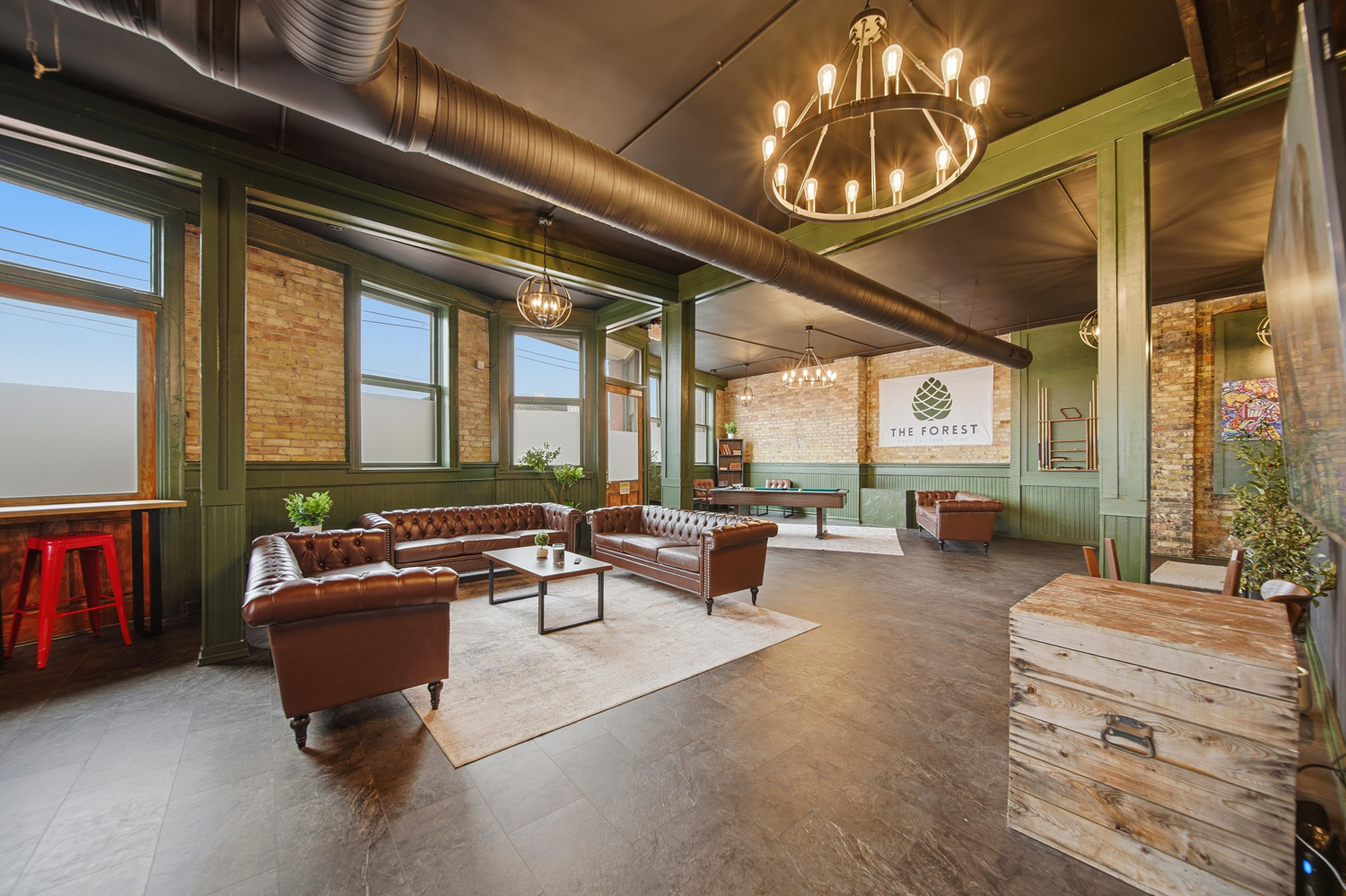
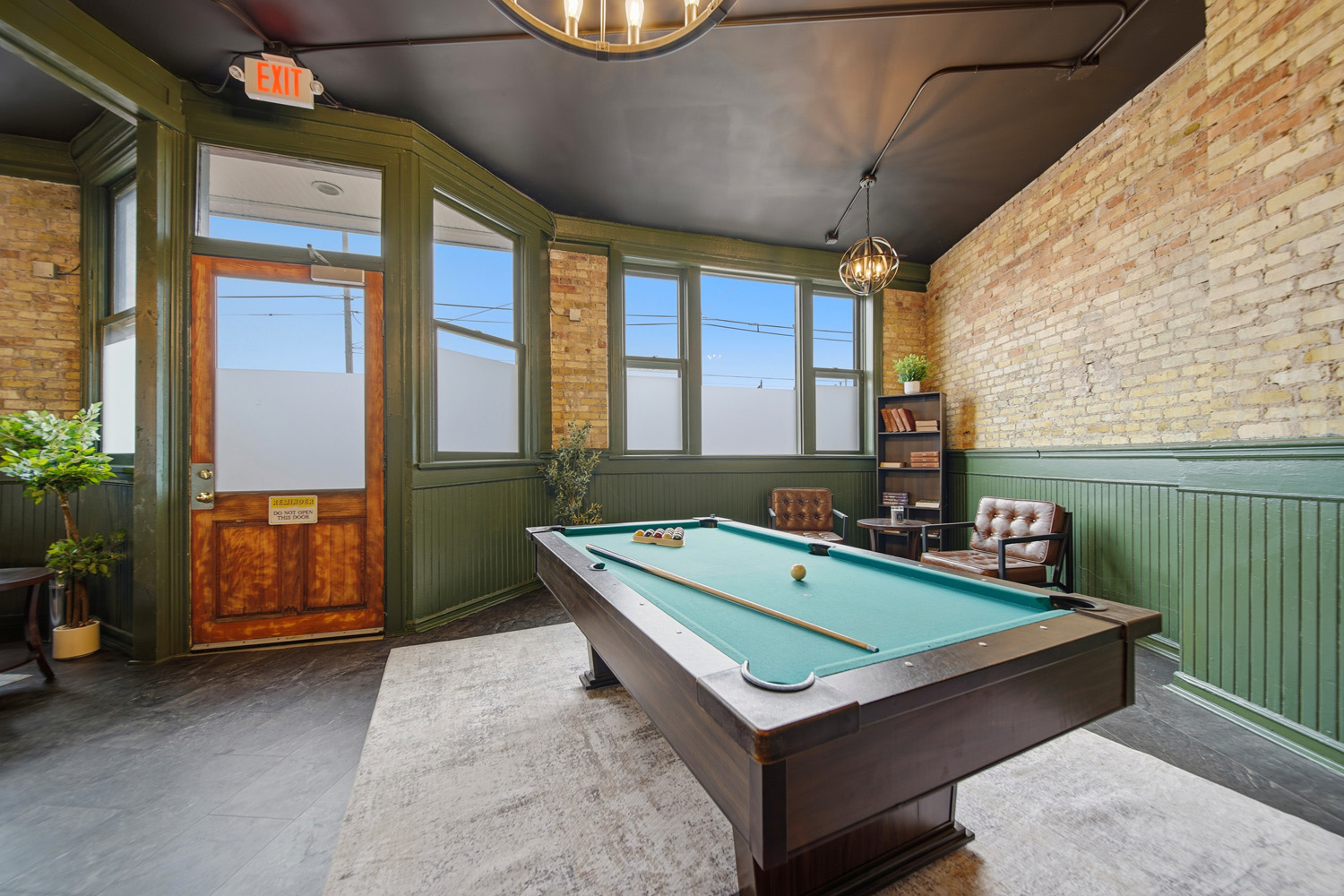
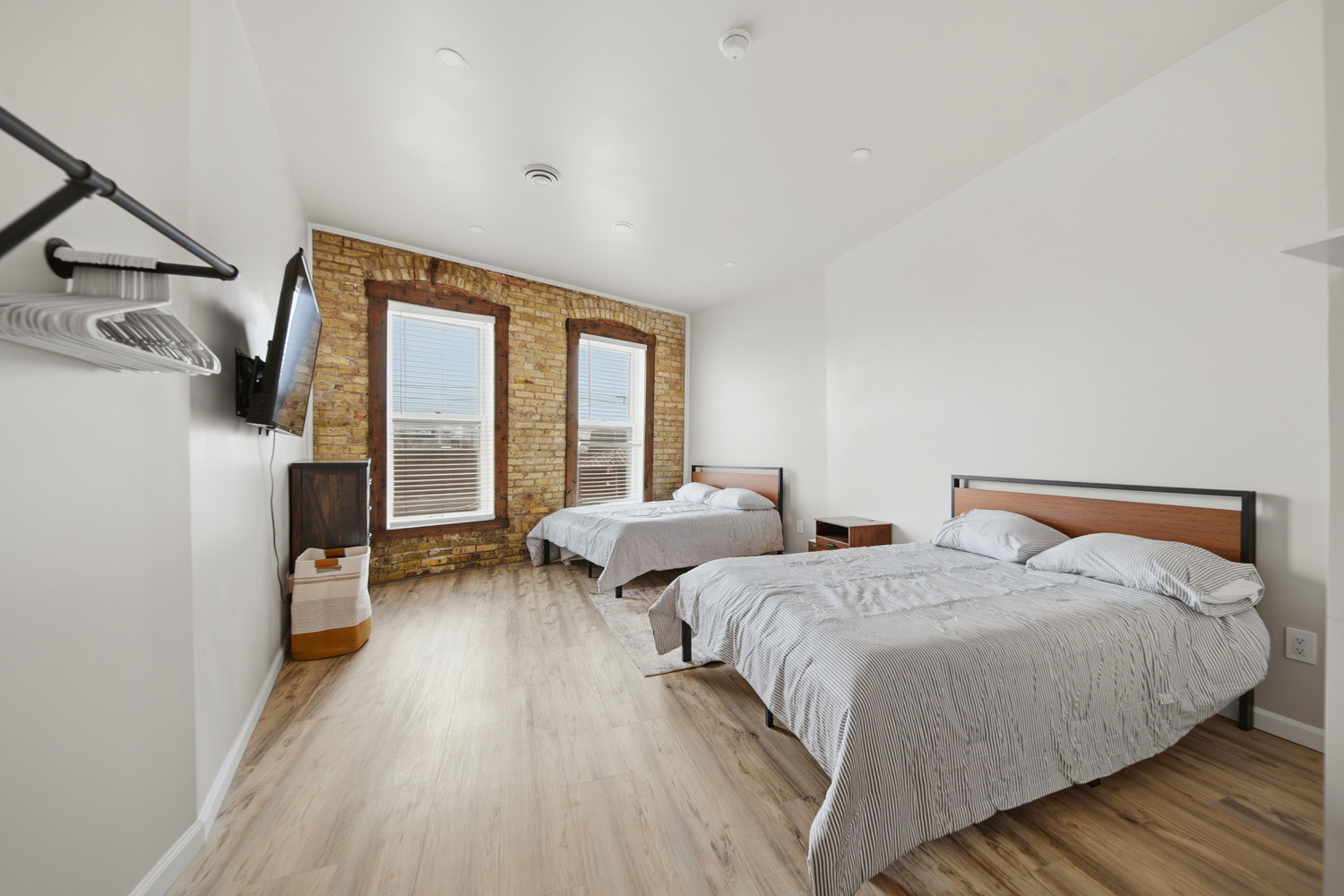
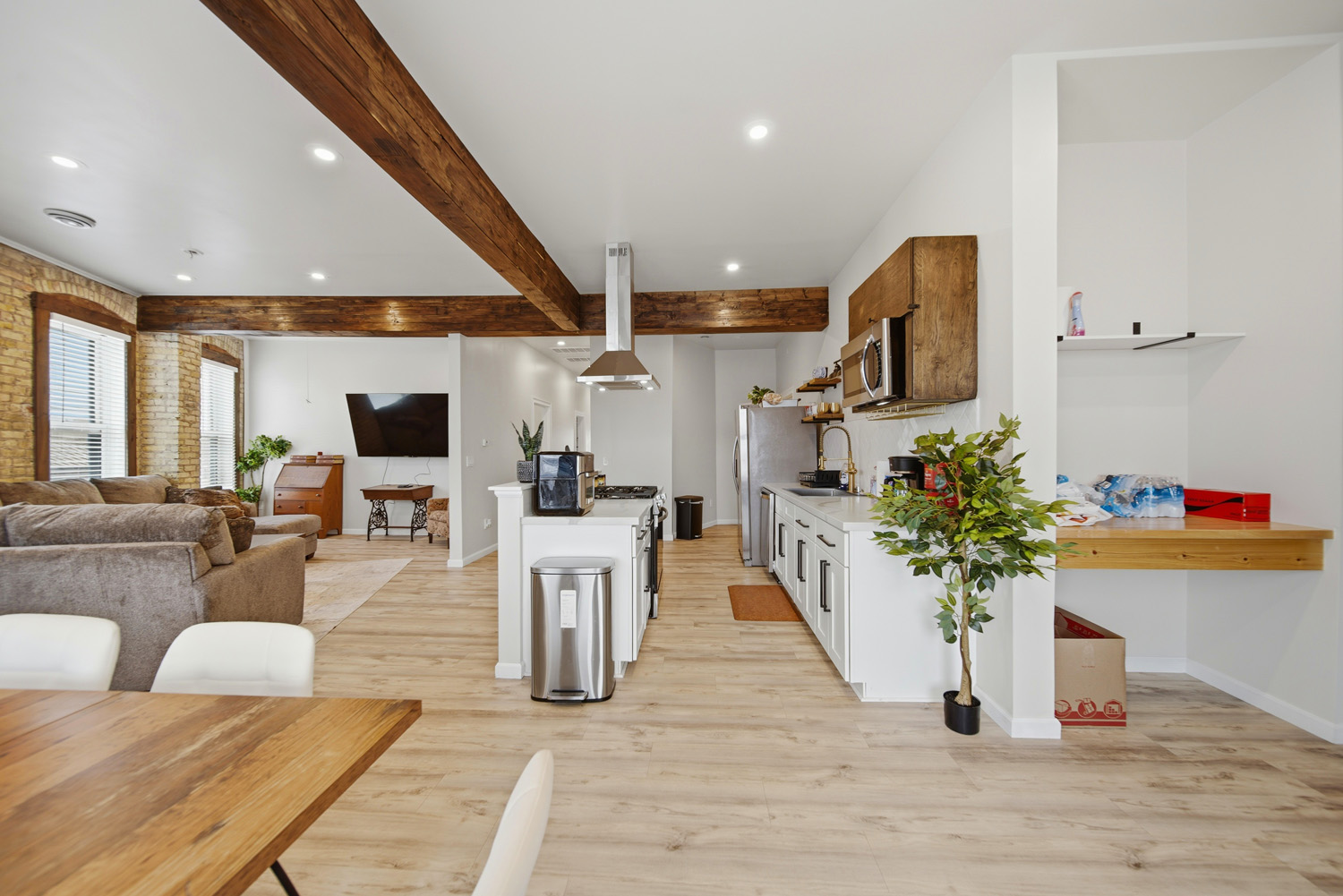
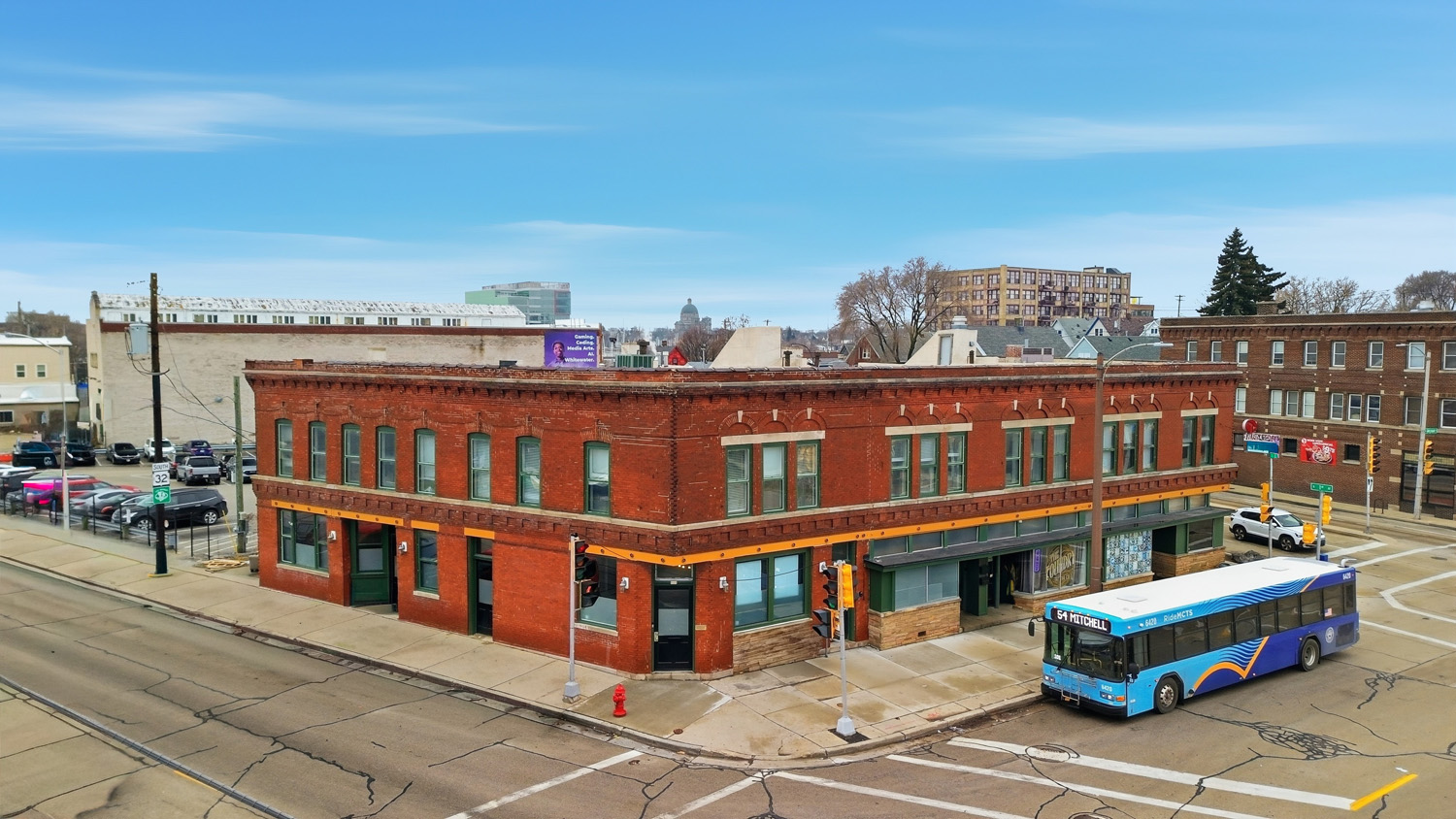
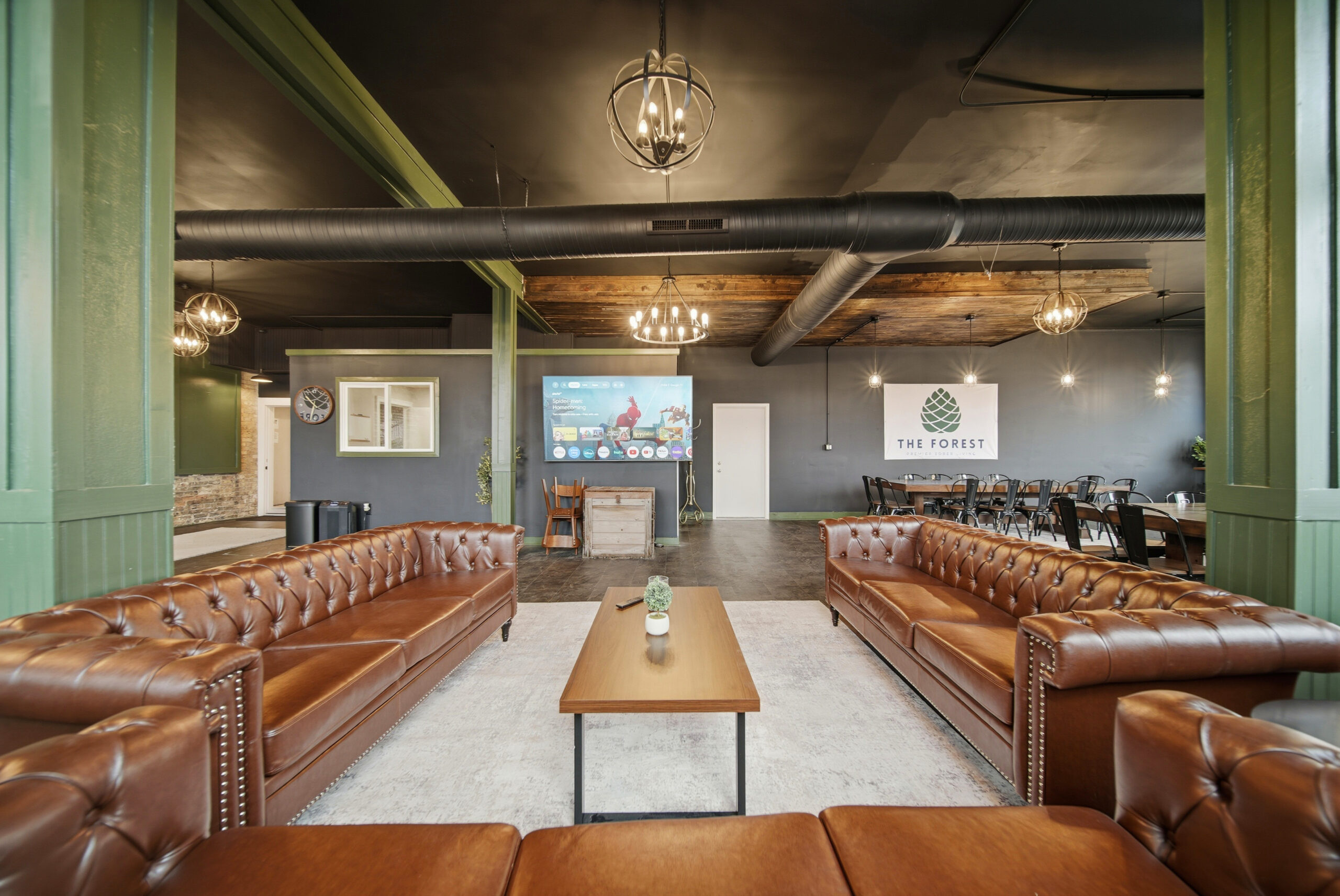
If you’re looking for a home that gives you structure, encouragement, and room to keep moving forward, The Forest Sober Living in Milwaukee offers that kind of space. It’s a calm, welcoming environment where your progress is taken seriously and your goals are treated with care.

Here, routines feel manageable, support feels genuine, and you’re surrounded by people who want to see you succeed. It’s a home where growth happens naturally — one steady day at a time.

If you’re ready for a place that believes in you and gives you the support you deserve, reach out today.

Frequently Asked Questions About Sober Living in Wisconsin

What is a sober living house?

A sober living house is a safe, drug-free home where people can continue building stability after detox, inpatient treatment, or outpatient programs. It’s a place with structure, peer support, and daily routines that help you stay grounded as you move toward long-term recovery.

How long do people stay in Wisconsin sober living homes?

Most residents stay somewhere between three and twelve months. Some stay longer if they need more time, support, or consistency. Everyone’s recovery timeline is different, and sober living gives you space to grow at the pace that feels right for you.

Are there rules in sober living homes?

Yes. Simple guidelines, like curfews, shared chores, house meetings, and drug testing, help keep the home steady and respectful. These expectations aren’t about punishment; they’re about creating a supportive environment where everyone feels safe and focused on their recovery.

Do I have to be in treatment while in sober living?

Some homes ask residents to stay connected to outpatient treatment or attend regular 12-step meetings. Others simply encourage ongoing support. Many people choose to keep counseling or recovery coaching in place because it helps them stay consistent and supported.

Can I work while living in sober housing?

Absolutely. Many residents work during their stay. Wisconsin offers reliable job opportunities in manufacturing, retail, healthcare support, food service, and customer service — all roles that fit well with early recovery routines.

Are there gender-specific or specialized sober living options?

Yes. Wisconsin has a variety of options, including men’s homes, women’s homes, gender-specific programs, halfway houses, and more independent sober living apartments. Each home offers a different level of structure, so people can choose what feels most supportive.

What should I bring when moving in?

Most people arrive with clothing, personal items, identification documents, and any approved medications. Many homes offer a simple packing list to help you bring what you need without overthinking it.

How do I know if sober living is right for me?

Sober living may be a good fit if you want structure, community, and a supportive environment while you build long-term recovery. If living alone feels too fast or too overwhelming, sober housing can give you a steady bridge between treatment and fully independent living.

Sources

  1. Wisconsin Department of Health Services. (2024). 2023 calendar year report on opioid treatment programs in Wisconsin (P-02115-23). https://www.dhs.wisconsin.gov/publications/p02115-23.pdf
  2. Wisconsin Department of Health Services. (2025). Wisconsin mental health and substance use needs assessment report (P-00613). https://www.dhs.wisconsin.gov/publications/p00613.pdf
  3. Wisconsin Department of Justice. (2024). 2023 Annual Drug Report – S. 961/565 (Report to the Legislature). https://docs.legis.wisconsin.gov/misc/mandatedreports/2024/department_of_justice/2023_annual_drug_report_s_961_565_received_11_13_2024.pdf
  4. Alcohol Research Group. (2022). National Study of Treatment and Addiction Recovery Residences (NSTARR): Wisconsin state report. https://nstarr.arg.org/wp-content/uploads/2022/10/Wisconsin_Final.pdf

Sober Living Homes Nearby