Sober Living in Atlantic City, NJ | Recovery Housing & Resources

Recovery on the South Jersey Shore
Jump to Section

    It takes bravery and persistence to recover from substance abuse, and sometimes, the best place to start fresh is somewhere that welcomes new and different things. Atlantic City has always been a place of change and reinvention, where people start over and create new paths forward. Today, Atlantic City is no longer just a destination; it’s a community that realizes that recovery and opportunity can happen at the same time.

    Sober living homes in Atlantic City, New Jersey, provide structure, accountability, and connection in an environment which promotes all modalities of recovery. Whether you have just completed a treatment program, just started out with outpatient treatment, or are just getting back into a long-established healthy routine, Atlantic City provides resources and aid to assist you in your commitment to long-term recovery.

    This guide will discuss why Atlantic City is a good place for recovery, what to expect in sober living homes, and the resources available through the recovery network in the area to support you long-term.

    Why Choose Sober Living in Atlantic City

    Atlantic City offers more than a shoreline, it offers a chance to start over with access to strong recovery communities, affordable housing, and meaningful opportunities for work and connection.

    Accessibility and Support

    Located along the South Jersey coast, Atlantic City is connected by major highways, NJ Transit trains, and bus routes that make regional access simple. Residents can reach meetings, therapy sessions, and employment centers throughout Atlantic County and beyond. The city also has a growing network of recovery organizations and peer-support programs that make it easy to stay engaged and accountable.

    Affordability and Opportunity

    Compared to larger urban areas, housing and living costs in Atlantic City are more manageable, helping residents focus on building financial stability during recovery. Sober living homes here offer a range of options — from shared group homes to private residences — at prices that make long-term progress possible.

    Community and Diversity

    Atlantic City is one of New Jersey’s most diverse cities, home to people from all backgrounds and walks of life. That diversity carries through to its recovery network, which includes meetings, community groups, and resources for every stage of the process. The city’s tight-knit neighborhoods, faith-based organizations, and community programs help create a sense of belonging that supports recovery from day one.

    A Coastal Setting That Supports Recovery

    Living by the ocean brings a natural rhythm to recovery. The beach, boardwalk, and surrounding green spaces provide daily opportunities to clear your mind, exercise, and reflect. Many residents find that being close to the water helps them feel grounded and renewed — a quiet reminder that change is always possible.

    Diverse Sober Living Options

    Sober living homes in Atlantic City reflect the city’s variety. Options include men’s and women’s sober living, LGBTQ-friendly homes, pet-friendly residences, and homes for couples. Some properties offer more private or luxury settings for those seeking a higher level of comfort and privacy. No matter the environment, the focus remains the same — structure, accountability, and community.

    Employment Opportunities

    Though known for its iconic casinos and boardwalk industry, Atlantic City also offers a mix of supportive, steady-routine roles that help you anchor your day and rebuild confidently in recovery. Below are some of the biggest employers in the area:

    • AtlantiCare Regional Medical Center provides many non-clinical roles including environmental services, food service, patient transport, facilities, and administrative support across its hospital and outpatient sites.
    • City of Atlantic City hires for municipal positions like public works, parks & recreation support, community services, code enforcement assistance, and general office administration.
    • Atlantic City School District offers non-student-facing jobs including custodial work, facilities maintenance, building operations, and general administrative support.
    • Hard Rock Hotel & Casino Atlantic City provides structured hospitality and operations roles including facilities, housekeeping, back-of-house support, logistics, and administrative services.
    • Tropicana Atlantic City hires for steady routine-friendly roles in housekeeping, facilities operations, food service support, security assistance, and administrative functions.

    What to Expect in a Sober Living Home in Atlantic City

    Sober living in Atlantic City combines independence with structure to help residents develop routines, life skills, and a connection to recovery.

    Structure and Routine

    A daily structure provides rhythm and stability. Residents contribute to household responsibilities, adhere to curfews, and attend recovery meetings at various programs. Most homes incorporate random drug and alcohol testing to promote accountability. NJ Transit and local transit options make it convenient to travel to jobs, outpatient treatment, and meetings throughout Atlantic County.

    Community and Accountability

    Every sober living home creates its own support network. Residents cook together, lift each other up, and support one another in dealing with life challenges. Weekly house meetings also provide a space for open communication and mutual respect. The larger recovery community in Atlantic City is engaged, welcoming, and ready to offer support. They offer 12-step meetings, SMART Recovery, and other local wellness programs to help keep people connected.

    Continued Recovery Support

    Recovery doesn’t end once treatment is over. Sober living communities in Atlantic City can help clients learn to balance rehab responsibility in outpatient therapy, sponsorship, or with their own recovery coach to build long-term recovery habits in the transitional setting of sober living. Groups like AtlantiCare Behavioral Health and John Brooks Recovery Center provide clients with counseling, addiction services, and an outpatient program that fit easily into their sober living schedules.

    Sober-Friendly Things to Do in Atlantic City, New Jersey

    Atlantic City offers plenty of sober-friendly activities that keep life balanced, connected, and active during recovery. Here are a few local highlights to enjoy:

    Atlantic City Beach and Boardwalk are the heart of the community — open spaces for long walks, sunrise runs, or quiet reflection by the ocean.

    Absecon Lighthouse provides a peaceful climb with panoramic views and a quiet reminder of perspective and progress.

    Atlantic City Farmers Market offers local produce, crafts, and community gatherings that encourage healthy living and social connection.

    Noyes Arts Garage of Stockton University showcases regional artists and creative exhibits in a relaxed, welcoming space.

    Boardwalk Hall hosts concerts, sporting events, and community gatherings that celebrate the city’s history and pride.

    Bader Field and nearby parks provide space for community sports, fitness, and outdoor recreation.

    Health and Wellness in Atlantic City

    The Leadership Studio Yoga provides accessible yoga, mindfulness, and community programs designed to support balance, connection, and steady routines in recovery.

    Tilton Fitness provides strength training, group classes, and supportive coaching to help rebuild structure, confidence, and physical stability.

    Island Gym Fitness Center offers a full gym environment, group training options, and wellness programming to help you stay active and grounded.

    Exhale Spa + Bathhouse offers a full-service wellness spa and bathhouse inside the Ocean Casino Resort, including massages, facials, pools, sauna, and steam rooms.

    Atlantic Holistic Health Center provides chiropractic care, massage therapy, acupuncture, intravenous nutrient therapy and integrative wellness services.

    Local Substance Abuse and Recovery Stats

    Heroin and alcohol dominate Atlantic County’s treatment landscape.[1] In 2023 alone, more than four in ten admissions were heroin-related, while alcohol use disorders made up nearly as many.

    Roughly 4,000 Atlantic County residents sought formal treatment in 2023, placing the county among New Jersey’s top regions for substance-use admissions relative to its population.[1]

    After years of rising fatalities, Atlantic County saw a 23 percent drop in opioid overdose deaths from 2022 to 2023—a promising sign that expanded harm-reduction and treatment access may be working.[2]

    Atlantic County is part of a statewide recovery-housing expansion backed by more than a million dollars in federal funding—aimed at creating new sober-living homes in the state’s highest-need regions.[3]

    Take the Next Step in Your Recovery Journey
    Atlantic City has long been a place where people come to start fresh — a city that understands both struggle and resilience. For some, staying close to that energy is motivating.

    For others, the next step means finding focus in a new environment.

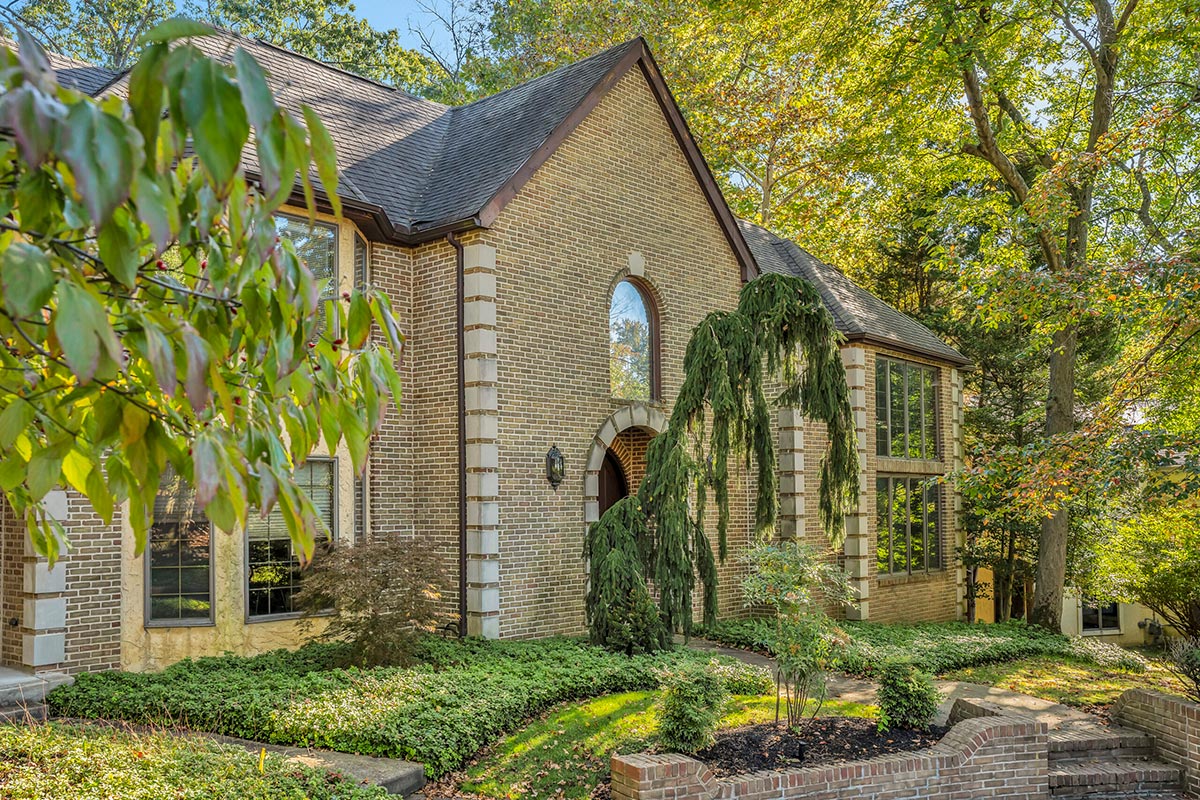
    The Forest Sober Living offers that next step in Cherry Hill, Hainesport, or Pennsauken, all just a short drive from Atlantic City. These South Jersey homes provide structure, accountability, and community in calmer settings that make it easier to build new routines while staying close enough to enjoy the shore and the familiar support it brings.

    If you or a loved one is ready to take that next step in the recovery journey and find a sober living environment that works for them, reach out today. The Forest is ready to help you get there.

    Frequently Asked Questions About Sober Living in Atlantic City, New Jersey

    What’s the difference between sober living and rehab?

    Rehab is a place for intensive work, involving medical care, therapy, and treatment aimed at achieving stability and initiating the healing process. Following rehab, sober living is essential. In this transitional phase, you apply what you’ve learned daily while being in an environment with others on similar paths. While there’s still a sense of structure and accountability, you’ll find increased freedom to engage in work, establish new routines, and adapt to an everyday life without substances.

    Are there specialized sober living homes in Atlantic City?

    Yes. There are homes for men, women, and couples, as well as LGBTQ, couples, and pet-friendly options. Some places are community-focused and straightforward, others are a bit more private or comfortable. What matters most is the fit — finding a home that feels safe, supportive, and respectful of where you are in your recovery.

    How long can someone stay in sober living?

    There isn’t a universal timeline for recovery. Generally, individuals remain in recovery houses for a period ranging from 3 months to 1 year, depending on their needs. The objective isn’t to rush the process; instead, you should leave the program when you genuinely feel prepared to. Some residents choose to stay longer to save money, establish daily routines, or gain more stability before transitioning to independent living. Recovery thrives when it has ample time to develop and stabilize.

    What rules do sober living homes have?

    Rules help maintain stability and safety in the house. Having realistic curfews, regular house meetings, sharing household chores, and testing for drugs and alcohol are not ways to control you. These rules are designed to foster a culture where everyone can trust one another and remain engaged in the recovery process. Structure makes recovery from substance use disorder a daily way of life, not just something that occurs in treatment.

    How can I find a reputable sober living home?

    Begin by seeking houses that are certified through New Jersey’s addiction recovery residence programs or the National Association for Recovery Residences (NARR) — both are regulated by state and national guidelines. If possible, visit the home in person. Talk with staff members, interact with some residents, and just take note of the atmosphere. A good sober living home will be transparent about costs, regulations, and support, and you will likely pick up on whether or not it is a healthy environment fairly quickly.

    Sources

    1. New Jersey Department of Human Services, Division of Mental Health and Addiction Services. (2024, July). Substance Use Overview 2023: Atlantic County. https://nj.gov/humanservices/dmhas/publications/statistical/Substance%20Abuse%20Overview/2023/Atl.pdf
    2. Shancock. (n.d.). Statewide overdose deaths decline across all racial and ethnic groups as NJ Health Department authorizes harm reduction centers in all counties. https://www.nj.gov/health/news/2025/approved/20250326a.shtml
    3. New Jersey Department of Community Affairs & New Jersey Department of Human Services. (2023). Recovery Housing Program Action Plan 2023 (Draft). https://nj.gov/dca/dhcr/links/RHP_2023.pdf


    Sober Living Homes Nearby