
A Complete Guide to Sober Living Homes
Finding Stability, Connection, and Support in Recovery

A Complete Guide to Sober Living Homes
Finding Stability, Connection, and Support in Recovery
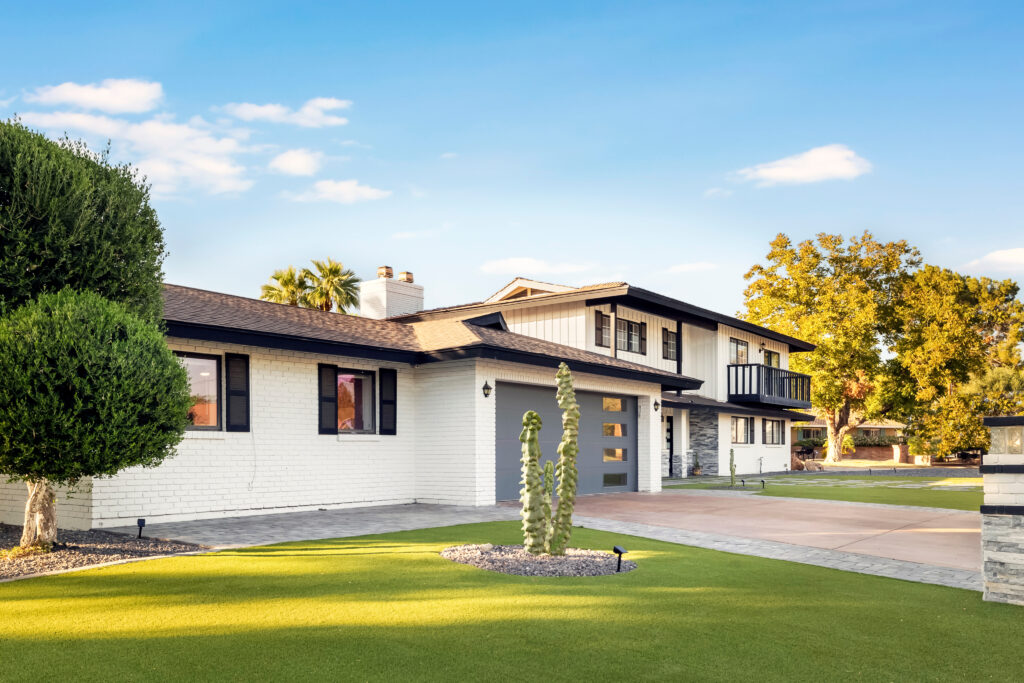
Recovery doesn’t end when treatment does. For many people, the next step is finding a stable, supportive place to continue growing that feels safe, structured, and real.
We’re here to help you understand what sober living is, how it works, and what to expect if you or a loved one are considering it. You’ll learn about different types of sober living programs, how admissions work, and the ways these homes help residents rebuild confidence and independence in everyday life.
Whether you’re exploring options for yourself or helping someone close to you, this is a place to find clear, honest information about what recovery can look like beyond treatment.
What Is a Sober Living House?
A sober living home is a structured, substance-free environment where people in recovery can rebuild their lives with stability and support. It bridges the gap between treatment and independent living, giving residents time to adjust to real-world responsibilities while maintaining accountability.
Unlike inpatient rehab, sober living homes don’t provide 24-hour clinical care. Instead, they focus on helping residents apply what they’ve learned in treatment to daily life. It’s a space where recovery becomes part of your routine, not just a phase.
Sober living homes are sometimes called sober living houses, recovery residences, or sober apartments, but they all share the same goal: to help residents develop structure, consistency, and community while staying sober.
How Does Sober Living Work?
Sober living gives structure to life after treatment. It’s not about rules for the sake of rules, it’s about creating daily consistency that supports long-term recovery.
Residents live in shared homes with others who are also building new routines. Everyone contributes to household responsibilities, follows a schedule, and upholds community standards. In return, they gain stability, accountability, and a sense of belonging.
Typical features of sober living include:
- Clear expectations about sobriety and respectful conduct
- Regular house meetings and drug testing
- Required participation in work, school, or volunteer activities
- Peer mentorship and 24/7 on-site support
- Access to recovery meetings, therapy, or outpatient care
At The Forest, every home is guided by live-in managers and mentors who keep the environment consistent and supportive. You’ll have enough structure to stay grounded and enough freedom to start rebuilding life on your own terms.
Types of Sober Living Homes
Not every sober living home looks or feels the same. Each type offers a slightly different approach to structure, independence, and support. Understanding these differences can help you or a loved one choose the kind of recovery housing that best fits your goals.
Traditional sober living homes are the most common form of recovery housing. They provide a consistent daily routine centered around accountability, peer support, and structure. Residents live together in a drug-free environment, share household responsibilities, and often attend 12-step or other recovery support groups.
Many people transitioning from treatment find this type of home helpful because it mirrors the structure of rehab while offering more independence. Traditional sober living homes help residents build strong habits and maintain long-term stability in their recovery journey.
Transitional sober living is often the next phase after completing a more structured recovery program. These homes offer a bit more freedom while still providing support and connection.
Residents may have flexible curfews, private or semi-private rooms, and increased independence in managing their schedules. Transitional sober living is ideal for people who are ready to return to work or school but still want the consistency and accountability of community-based recovery homes.
Medication-assisted treatment (MAT) plays a vital role in recovery from substance use disorders. MAT-friendly sober living homes allow residents to continue prescribed medications, such as Suboxone or naltrexone, while participating fully in the sober living community.
At The Forest, MAT-friendly homes provide structure and compassion without judgment. Residents receive the same level of accountability as everyone else, along with encouragement to stay engaged in therapy, support services, and outpatient care. This balance allows individuals to manage both their medication plan and their recovery goals with confidence.
Some people enter sober living as part of a legal or probation requirement. Court-ordered sober living homes give individuals a safe, structured space to rebuild stability while meeting court obligations.
These homes maintain strict drug-free environments and daily routines that emphasize responsibility and progress. The Forest’s homes meet many of these standards, creating an environment that satisfies legal requirements while genuinely supporting recovery. Our staff works closely with residents to ensure compliance, personal growth, and continued accountability.
Oxford Houses and other peer-run models operate differently from managed sober living programs. These recovery homes are democratically run, meaning residents make decisions together about rules, rent, and responsibilities.
This type of sober living can be a great fit for individuals who already have strong recovery skills and are looking for maximum independence. However, because there is no on-site management, residents must be highly self-motivated and comfortable maintaining boundaries and structure on their own.
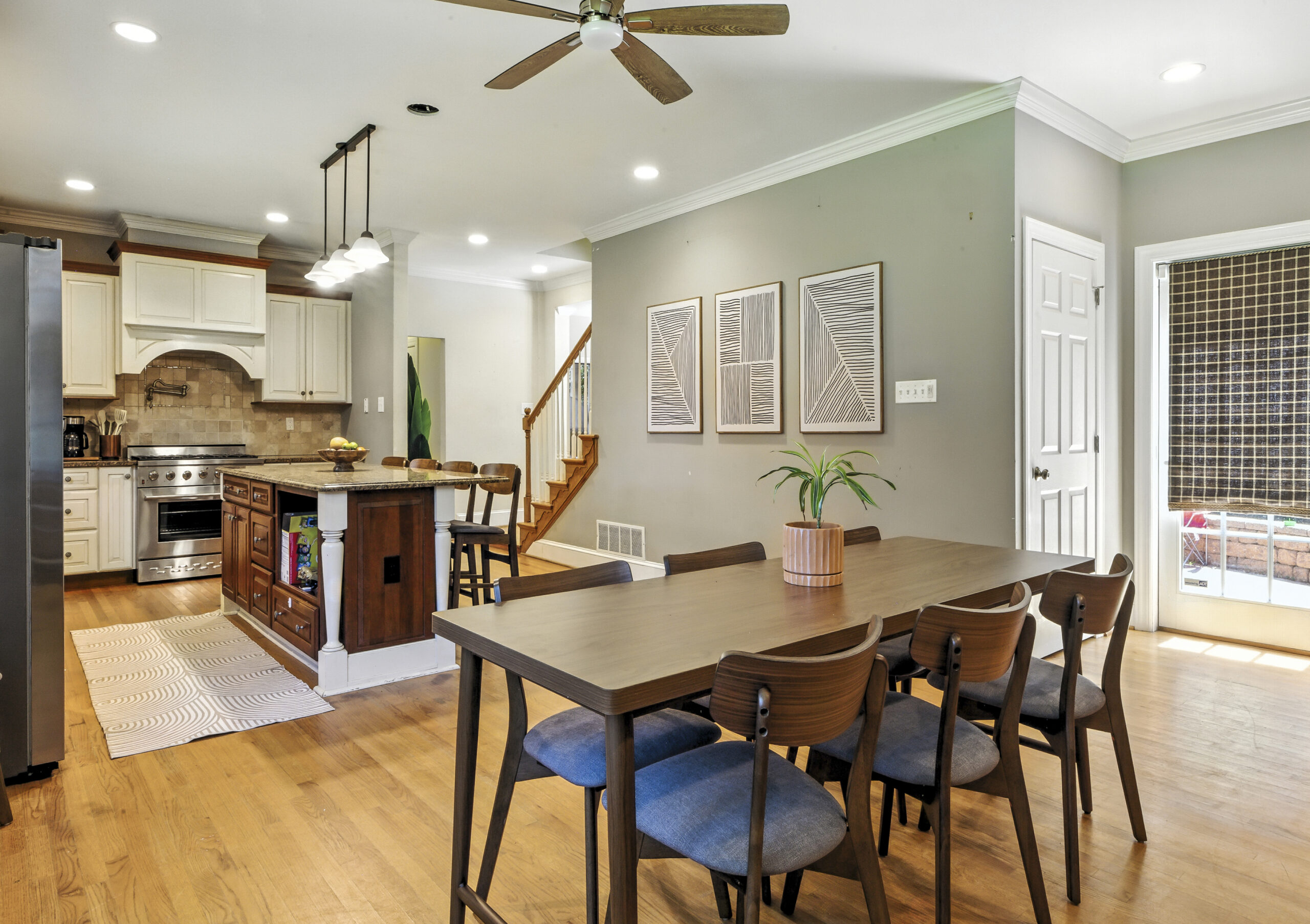
At The Forest Sober Living, every home combines the structure of traditional sober living with the freedom of transitional models. Each house offers guidance, accountability, and peer connection within a calm, welcoming environment. Residents have access to recovery programs, community resources, and support services that strengthen their independence over time.
Every Forest home is built to help recovery last — a steady foundation where people can grow, connect, and move forward with confidence.
Sober Living vs. Halfway Houses
Sober living homes are often confused with halfway houses, but they’re not the same. Halfway houses are usually government-funded, time-limited, and may serve people transitioning from incarceration. Sober living homes are privately run and offer longer stays in a community designed specifically for recovery.
In sober living, residents can typically stay as long as they continue to follow house rules, contribute to the community, and maintain sobriety. That flexibility makes it easier to transition into independent life at your own pace.
Why Choose a Sober Living House?
For many, the hardest part of recovery isn’t treatment — it’s what comes after. Going home can be overwhelming, especially without the same structure and support. Sober living homes fill that gap by offering a middle ground between treatment and independence, acting as an important part in the continuum of care for many, despite not being clinical treatment.[1]
People choose sober living because it provides:
- A safe, drug- and alcohol-free environment
- Daily routines that promote accountability and consistency
- A community of peers who understand recovery
- Access to meetings, outpatient care, and job opportunities
- A gradual transition into independent life
Sober living homes are not about restriction; they’re about rebuilding life one day at a time with people who genuinely care about your success.
Sober Living and Rehab: How They Work Together
Rehab and sober living serve different roles in recovery, but they work best when they build on each other. Rehab provides the clinical care, including therapy, detox, medication, and mental health support, that helps people begin to heal from substance use disorders.
Sober living comes afterward, giving residents a safe, drug-free space to practice what they’ve learned and strengthen their independence. It’s like a bridge between treatment and everyday life, where recovery starts to become part of your daily routine instead of something that only happens in therapy.
Many people move into sober living after completing inpatient or outpatient recovery programs. Others join after some time in independent recovery once they realize they need more structure and accountability.
At The Forest, sober living homes help residents keep their momentum. Our recovery housing provides guidance, connection, and steady routines that make it easier to apply treatment lessons to real life. You can think of rehab as the foundation and sober living as the framework that supports the rest of your future.
Sober Living and Employment
One of the most meaningful parts of sober living is rediscovering independence through work, education, or service. Earning a paycheck, showing up for a job, or pursuing a new skill can help you rebuild confidence and take ownership of your recovery.
Residents at The Forest are encouraged to find work, attend school, or volunteer in the community. Having a daily purpose helps create structure and momentum — two things that make a lasting difference in recovery.
Each home offers guidance to help residents balance work and wellness. Staff and mentors can connect you with local employment opportunities, provide transportation support, and share resources for building practical skills like interviewing, budgeting, and time management.
Many residents use this time to explore new career paths or return to work they once loved. Others focus on education or community involvement as part of their next chapter. No matter the goal, The Forest is here to help you create a life that feels both productive and fulfilling.

What Kind of Support Do Sober Living Programs Offer?
Sober living programs are about more than housing — they’re about support, connection, and growth. These homes give residents access to the kind of guidance and resources that make recovery sustainable in everyday life.
While each community has its own approach, most offer a mix of mentorship, life skills development, and recovery-focused services that help residents move forward with confidence.
Here are some of the support programs you can expect to find:
Peer Mentorship and Live-In Managers
In most sober living programs, experienced peer mentors or live-in house managers provide steady guidance. They help set the tone for the home, resolve conflicts, and ensure everyone is following house expectations. Many have walked their own recovery journey, which makes their presence both relatable and reassuring.
Having a mentor or manager on-site helps residents feel safe and supported. When challenges arise — whether it’s a bad day, a craving, or a personal setback — there’s always someone available to listen, offer advice, or simply remind residents that they’re not alone.
Medication Management for MAT-Friendly Residents
For some, medication-assisted treatment (MAT) plays an essential role in recovery. MAT-friendly sober living homes allow residents to continue prescribed medications, such as Suboxone, methadone, or naltrexone, as part of their care plan.
These homes coordinate with healthcare providers to ensure medications are used safely and consistently. Residents benefit from structure and community support while continuing the medical treatments that help prevent relapse. MAT-friendly sober living combines accountability with compassion, supporting all paths to recovery.
Money Management and Financial Independence
Managing finances can be one of the hardest adjustments after treatment, especially for those who lost stability during active addiction. Sober living programs often include financial literacy support — from budgeting and saving to paying rent on time and planning for future goals.
Residents learn how to handle day-to-day expenses, build accountability around money, and understand what financial independence looks like in recovery. These skills help reduce stress and prepare residents for life after sober living.
Family Communication and Reintegration Guidance
Recovery doesn’t happen in isolation. Often, that means healing relationships and finding new ways to connect with loved ones. Many residents must work to rebuild trust and communication with family during their time in sober living, and many recovery homes have built-in support to help make that process feel safe and supported.
Through guided conversations, check-ins, or family meetings, everyone involved learns how to listen, set boundaries, and support recovery without judgment. It’s not about fixing everything overnight, but about building stronger, more honest relationships one step at a time.
Employment Support and Job Placement Resources
Work can be a big part of feeling like yourself again. Having a job gives life purpose and stability, and many sober living programs understand just how important that is.
Residents often get help finding work that fits their skills and schedule. Staff might share local job leads, help with resumes and interviews, or connect residents to recovery-friendly employers in the community. The goal isn’t just getting a paycheck, it’s building confidence and creating stability one step at a time.
Life Skills Development
Recovery isn’t just about staying sober. It’s about learning how to live again and how to handle everyday challenges, take care of yourself, and feel confident doing it.
Life skills programs in sober living homes focus on these everyday skills to help prepare residents for independent living. Residents learn practical skills like cooking healthy meals, keeping a clean and organized home, managing time, and setting personal goals. They also build recovery skills, like learning how to cope with stress, manage triggers, and stay grounded when life gets overwhelming.
These lessons help people build confidence not just in recovery, but in daily life.
Access to 12-Step and Non-12-Step Meetings
Staying connected to recovery communities is one of the strongest predictors of long-term success.[2] Most sober living programs encourage participation in support groups such as Alcoholics Anonymous (AA), Narcotics Anonymous (NA), SMART Recovery, Refuge Recovery, or other evidence-based recovery networks.
These meetings help residents stay engaged and accountable while providing perspective and encouragement from others on similar paths. Whether someone connects best with a 12-step group or another kind of meeting, what matters most is having people to lean on and a support system that continues long after leaving the house.
Benefits of Living Sober in a Structured Community
Sober living is about more than staying clean. It’s about finding stability, connection, and a sense of belonging that makes long-term recovery possible. When residents live in a structured, supportive home, they begin to rebuild confidence in themselves and in life.
Here are some of the benefits people often experience:
- Improved stability and self-discipline: Having a daily routine helps take the guesswork out of recovery. Residents learn to set alarms, show up for commitments, and follow through — small steps that build consistency and trust in themselves.
- Stronger relationships and communication skills: Living with others in recovery encourages honesty, patience, and empathy. Over time, residents learn how to communicate more openly and rebuild healthy relationships with friends and family.
- Smoother transition into work and family life: Sober living provides a bridge between treatment and the outside world. Residents have the space to practice independence while still having structure and accountability in place.
- Lower relapse risk: Research shows that people who live in sober environments have lower relapse risk and higher success rates in maintaining long-term recovery.[3] The built-in support system helps residents stay connected and focused on their goals.
- Ongoing access to recovery and community resources: Most sober living homes help residents stay engaged with meetings, therapy, or other forms of recovery support. Having those connections makes it easier to keep growing even after leaving the program.
In the end, the added structure doesn’t limit freedom, it creates it. By providing clear expectations and steady support, sober living homes help residents focus on what really matters: building a life that feels balanced and full of possibility.
Success Rates and Long-Term Outcomes
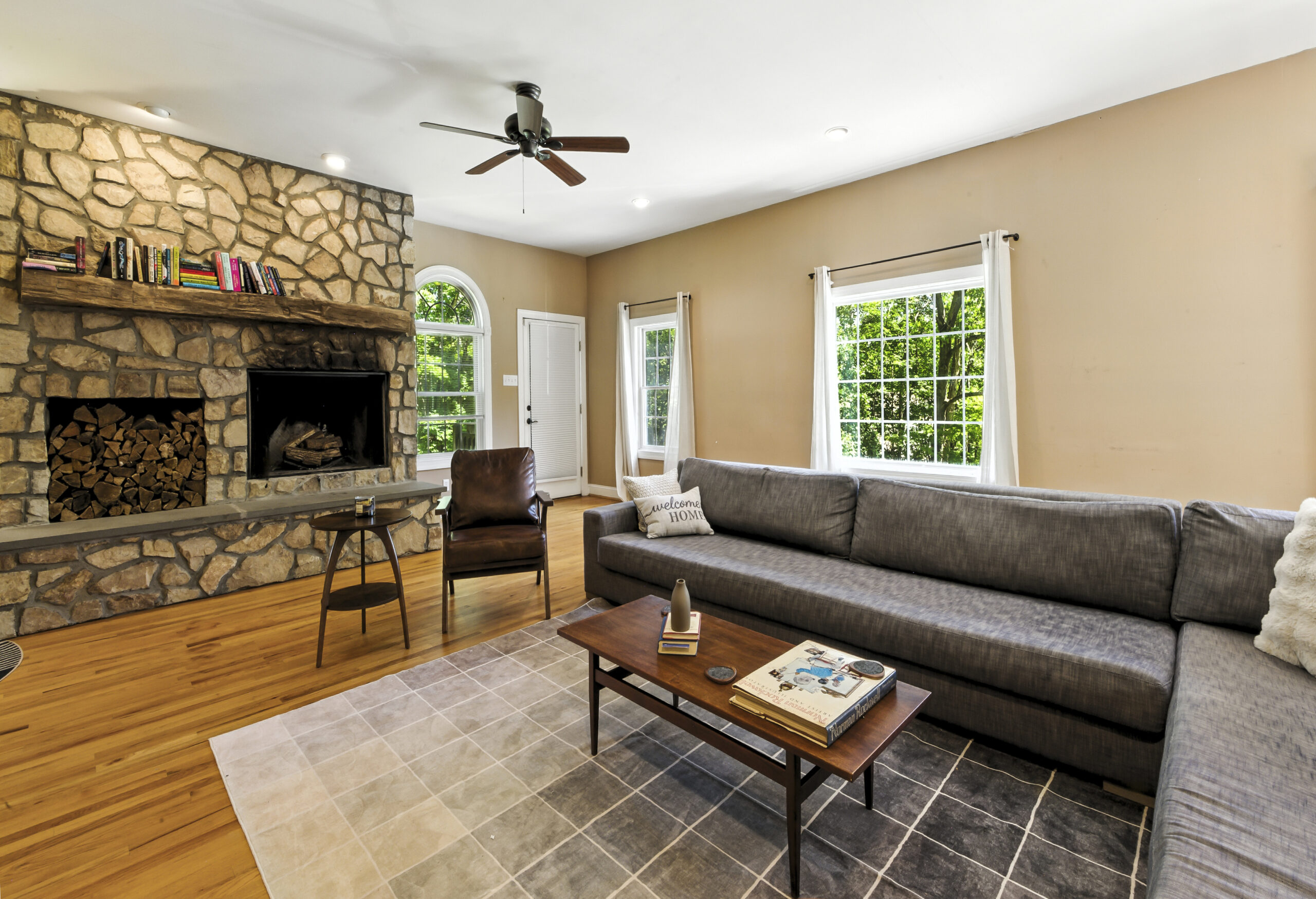
Research consistently shows that people who participate in sober living programs have better long-term outcomes.[4]
A study from the American Journal of Drug and Alcohol Abuse also found that residents who stayed in sober living homes for six months or more had significantly lower relapse rates and higher employment rates than those who didn’t.[5] Another report from the National Institute on Drug Abuse highlights the role of structured housing in reducing relapse during early recovery.
Sober living works because it combines accountability with community. It gives people the time, space, and support they need to build lives they’re proud of.
Reintegration Into Society
The goal of sober living isn’t to stay forever; it’s to prepare for life beyond the program.
Residents at The Forest learn practical skills like budgeting, cooking, and time management. More importantly, they learn how to handle real-life challenges with honesty and resilience.
By the time residents transition out, they’ve already built a foundation of stability and self-reliance. Some move into their own apartments, others reunite with family, and many stay connected through alumni groups and peer networks.
Common Myths About Sober Living
There are plenty of misconceptions about sober living, but the reality is often very different.
Sober living is just another form of rehab.
Sober living is independent housing with structure. It is not clinical treatment.
It’s only for people just out of rehab.
Many residents join after years of sobriety for extra support or community.
Sober homes are strict or punitive.
The structure exists to help residents feel safe and consistent, not controlled.
You can’t work or have a normal life.
Most residents work, study, and build daily routines just like anyone else.
Choosing the Right Sober Living Community
When you’re looking for a sober living house, it’s important to find one that feels safe, supportive, and aligned with your goals. Ask questions like:
- What kind of support and accountability are provided?
- Are homes gender-specific or co-ed?
- Does the sober living facility offer medication monitoring?
- How does the community handle relapse or rule violations?
- What kind of aftercare support is available?
The right environment can make all the difference. Look for a place that encourages independence while offering steady support. What you’re looking for is a home that feels like a community, not just a program.
How to Pay for Sober Living
Sober living is typically private pay and costs will vary by location, amenities, and room type. While insurance rarely covers sober living directly, some residents use personal savings, family support, or health savings accounts (HSAs) to manage costs.
Because every Forest home operates independently, the best way to learn about rates is to contact our admissions team. They’ll walk you through the details for the specific home you’re interested in and help you find an option that fits your situation.
Explore Sober Living Homes by State
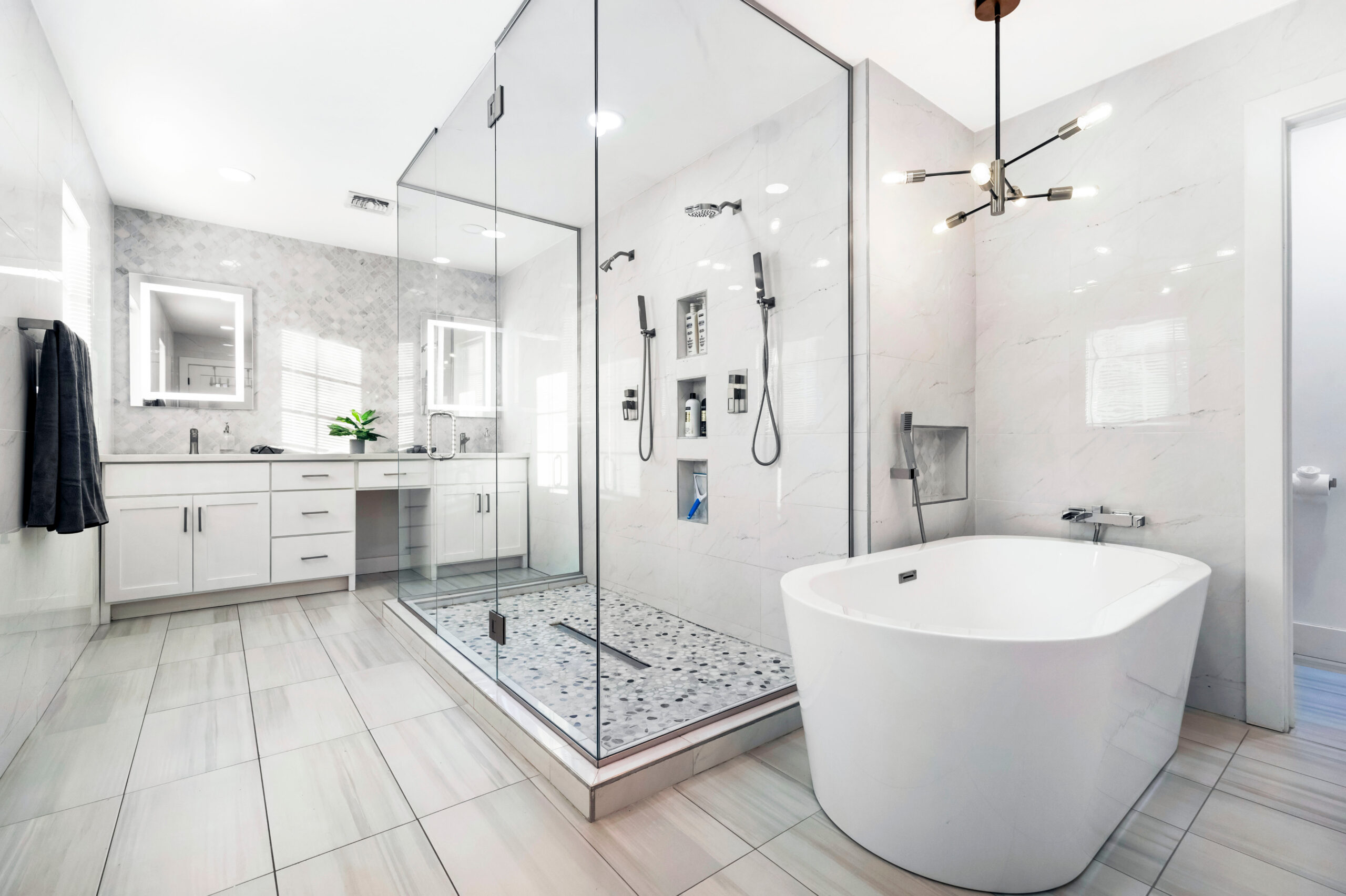
Each Forest home offers a calm, supportive environment where recovery becomes part of everyday life. Click below to explore homes and find the community that feels right for you.
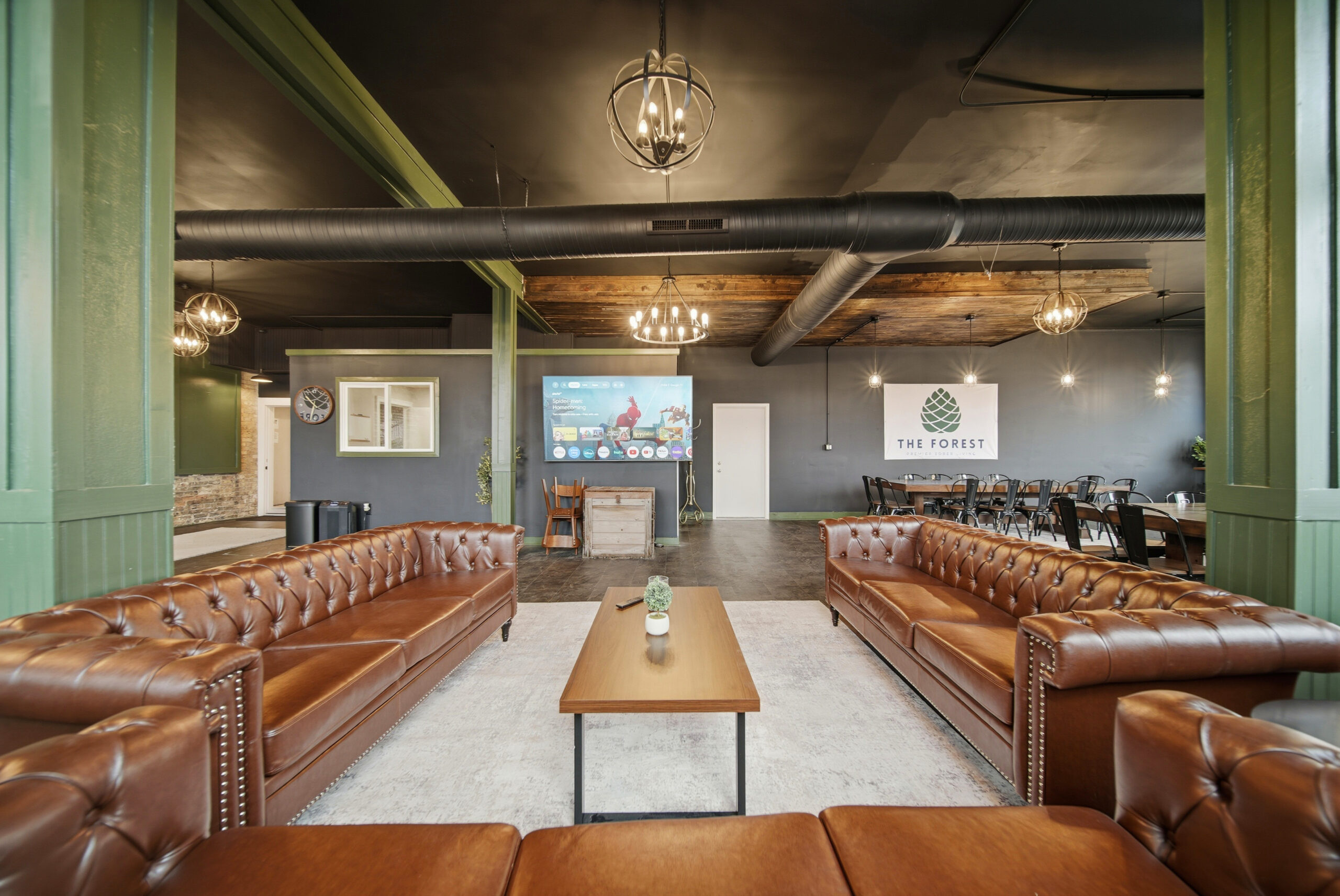
We operate thoughtfully designed homes across multiple states.

Arizona

New Jersey

Pennsylvania
Wisconsin

Florida
Frequently Asked Questions About Sober Living Houses
Who can live in a sober living house?
Sober living homes are open to adults who are ready to maintain sobriety and take responsibility for their recovery. Most residents come after completing treatment, but some join directly from independent recovery when they need more structure and support.
How long do people usually stay in sober living?
The length of stay depends on each person’s goals and progress. Many residents stay between three and twelve months, but some remain longer to keep building stability. At The Forest, there’s no set timeline — residents move forward when they’re ready and supported.
Is sober living the same as rehab programs?
No. Rehab is a clinical treatment program that offers therapy, detox, and medical care. Sober living is a housing program that focuses on accountability, structure, and independence. It’s a place to practice what you’ve learned in treatment and apply it to daily life.
Are sober living homes co-ed or gender-specific?
Most Forest homes are gender-specific to create a focused, comfortable environment. Some locations also offer co-ed or LGBTQ-inclusive housing. Every home at The Forest is inclusive and supportive of all residents, regardless of gender identity or orientation.
Do sober living homes have curfews?
Yes. Curfews help create structure and accountability. They may vary by house or by how long you’ve been a resident. Over time, as you demonstrate responsibility and consistency, curfews often become more flexible.
What happens if someone relapses in a sober living home?
Relapse is taken seriously, but it’s also treated with compassion. Each situation is handled individually to ensure everyone’s safety. Some residents may step back into treatment or take time away to regain stability before returning.
Can I work or go to school while living in sober living?
Yes. In fact, it’s encouraged. Many residents work full-time, attend classes, or volunteer in the community. Sober living helps you balance recovery with real-world responsibilities.
Do residents have to attend meetings or therapy?
Yes, residents are encouraged — and often required — to attend regular recovery meetings or outpatient therapy. Staying connected to recovery work is a key part of maintaining progress and accountability.
What’s a typical day like in a sober living home?
Every home has its own routine, but most days include work or school, house chores, meetings, and community time. Evenings often include shared meals or quiet time. It’s a balance between structure and independence.
What should I bring when moving into a sober living home?
Bring your essentials — clothes, personal items, and any recovery materials you use regularly. Most Forest homes are fully furnished and include bedding, kitchen supplies, and household essentials. Our team can provide a packing checklist before move-in.
How do I know if I’m ready for sober living?
If you’ve completed treatment or are ready for a structured environment to maintain sobriety, sober living can be the next right step. You don’t need to have everything figured out — you just need to be willing to keep growing.
Can family visit residents?
Yes. Family visits are welcome, depending on the home’s schedule and guidelines. Many families stay actively involved by offering encouragement, attending meetings, or supporting residents through milestones.
Start Your Journey at The Forest Sober Living
Sober living is more than a step after treatment. It’s where recovery becomes part of daily life.
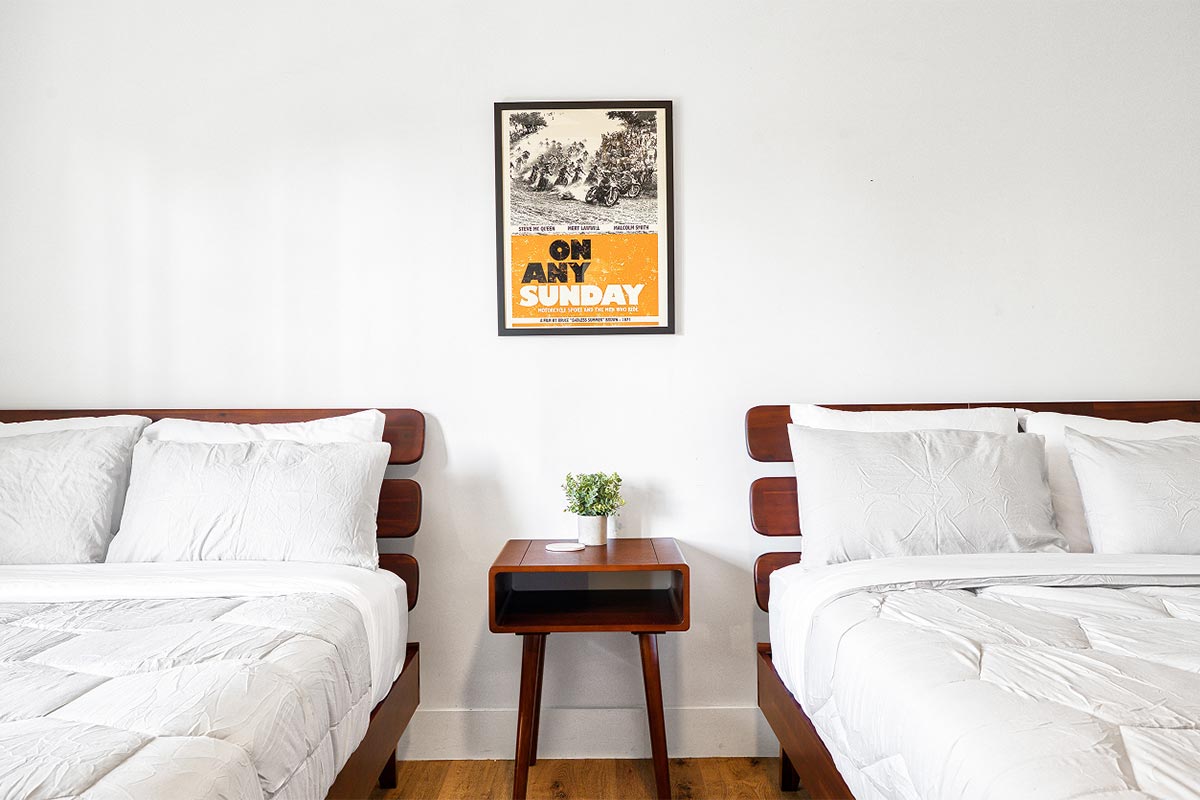
At The Forest Sober Living, you’ll find homes built on trust, structure, and compassion. Whether you’re just finishing rehab or looking for a fresh start, we’re here to help you build stability and confidence in a community that understands recovery.
If you’re ready to learn more, reach out today.
Sources
- Reif, S., George, P., Braude, L., Dougherty, R. H., Daniels, A. S., Shoma Ghose, S., & Delphin-Rittmon, M. E. (2014). Recovery housing: Assessing the evidence base. Psychiatric Services, 65(3), 295-300. https://doi.org/10.1176/appi.ps.201300243
- Edwards, M., Best, D., Irving, J., & Andersson, C. (2015). Recovery networks and community connections: Identifying connection and community assets to build recovery capital. Journal of Substance Abuse Treatment, 58, 59–64. https://shura.shu.ac.uk/14272/3/Edwards%20-%20Best%20et%20al%20-%20Recovery%20networks%20and%20community%20connections%20%28AM%29.pdf
- Vilsaint, C. L., Tansey, A. G., Hennessy, E. A., Eddie, D., Hoffman, L. A., & Kelly, J. F. (2025). Recovery housing for substance use disorder: a systematic review. Frontiers in Public Health, 13. https://doi.org/10.3389/fpubh.2025.1506412
- Mericle, A. A., Karriker-Jaffe, K. J., Polcin, D. L., & Subbaraman, M. (2024). Evidence-based sober living houses: A multi-level analysis of outcomes for individuals residing in sober living homes. Addiction Research & Theory. https://arg.org/project/evidence-based-sober-living-houses-a-multi-level-analysis
- Polcin, D. L., Korcha, R., Bond, J., Galloway, G., & Lapp, W. (2023). Six-month length of stay associated with better recovery outcomes among residents of sober living houses in California. Journal of Substance Abuse Treatment, 149, 108883. https://doi.org/10.1080/00952990.2023.2245123