Guide to Sober Living in Vineland, New Jersey: Recovery Housing & Resources
Recovery in Cumberland County’s Heartland
Take the Next Step in Your Recovery Today
Vineland is the kind of place where recovery feels possible and where people know what it means to start over, where community still matters, and where there’s room to get your footing again.
For some, though, a little distance can make all the difference.
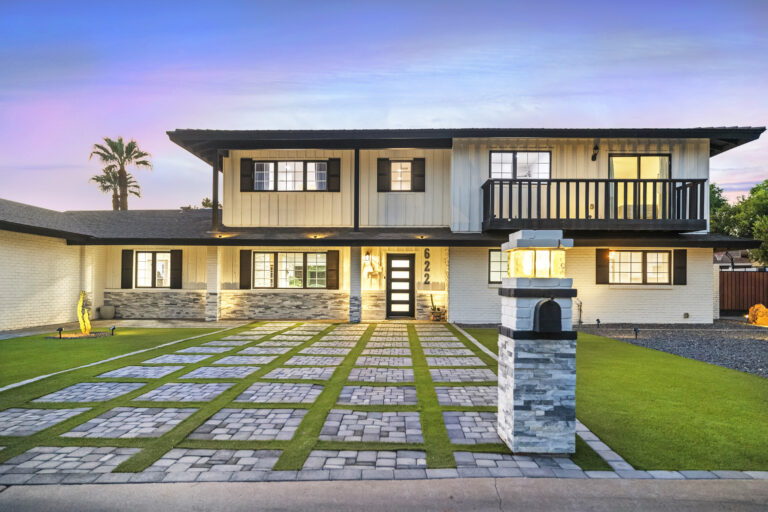
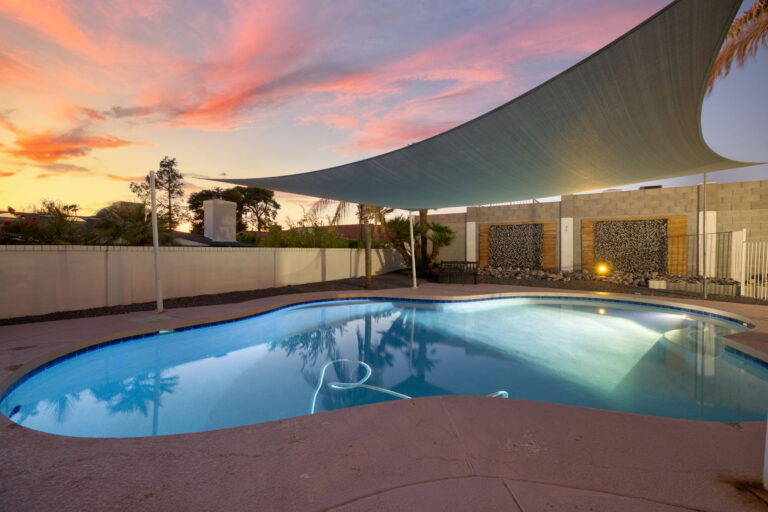
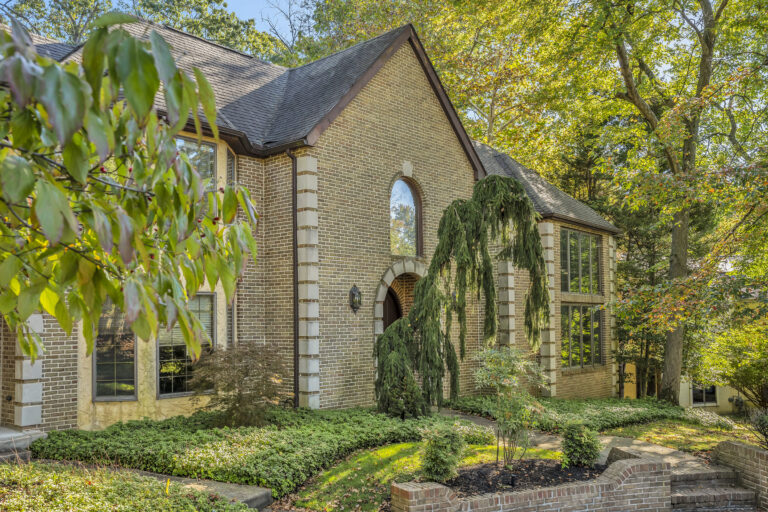
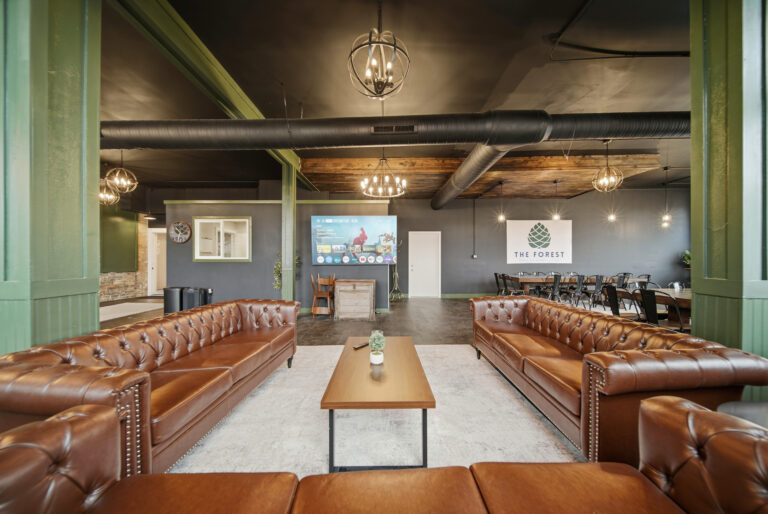
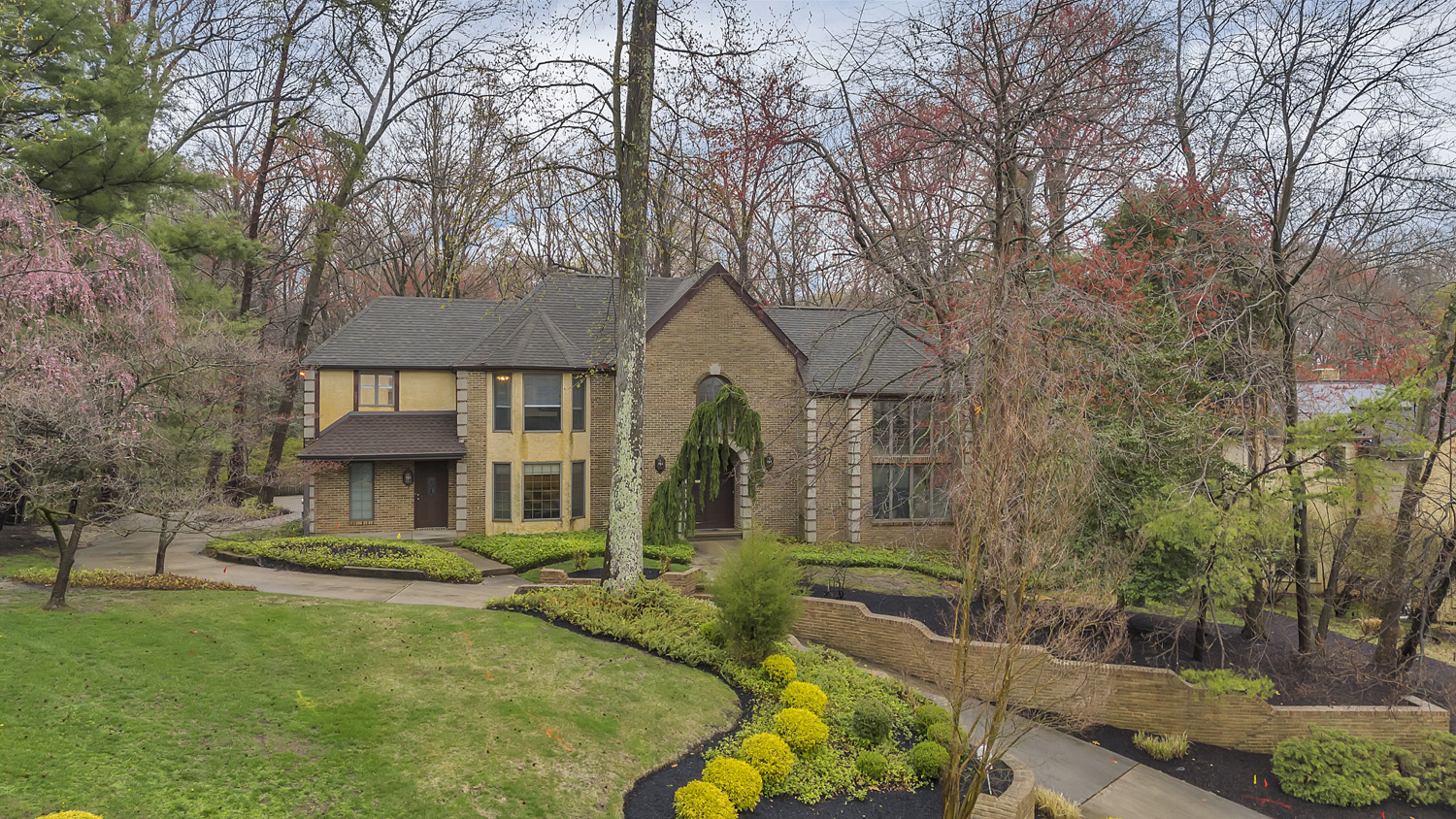
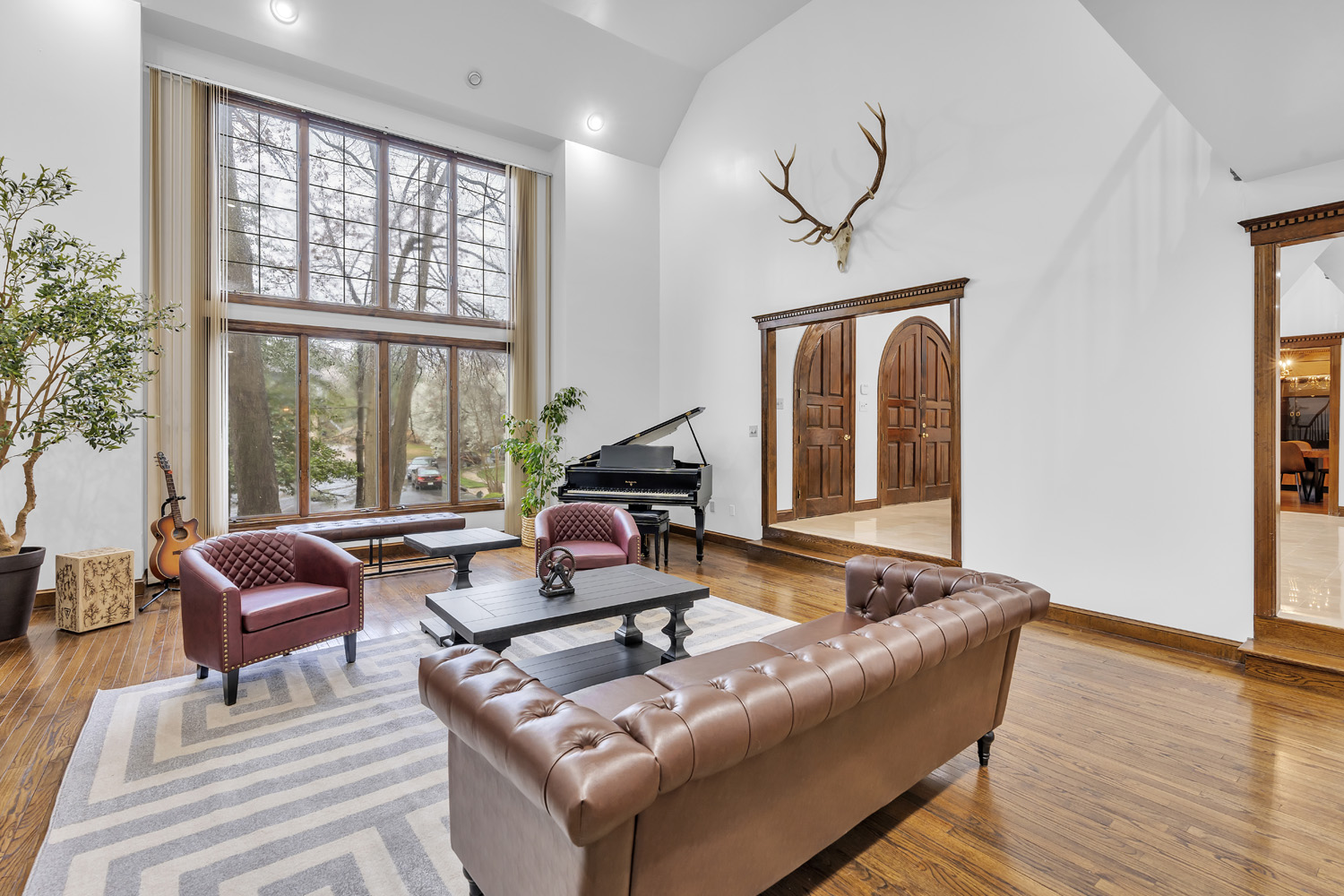
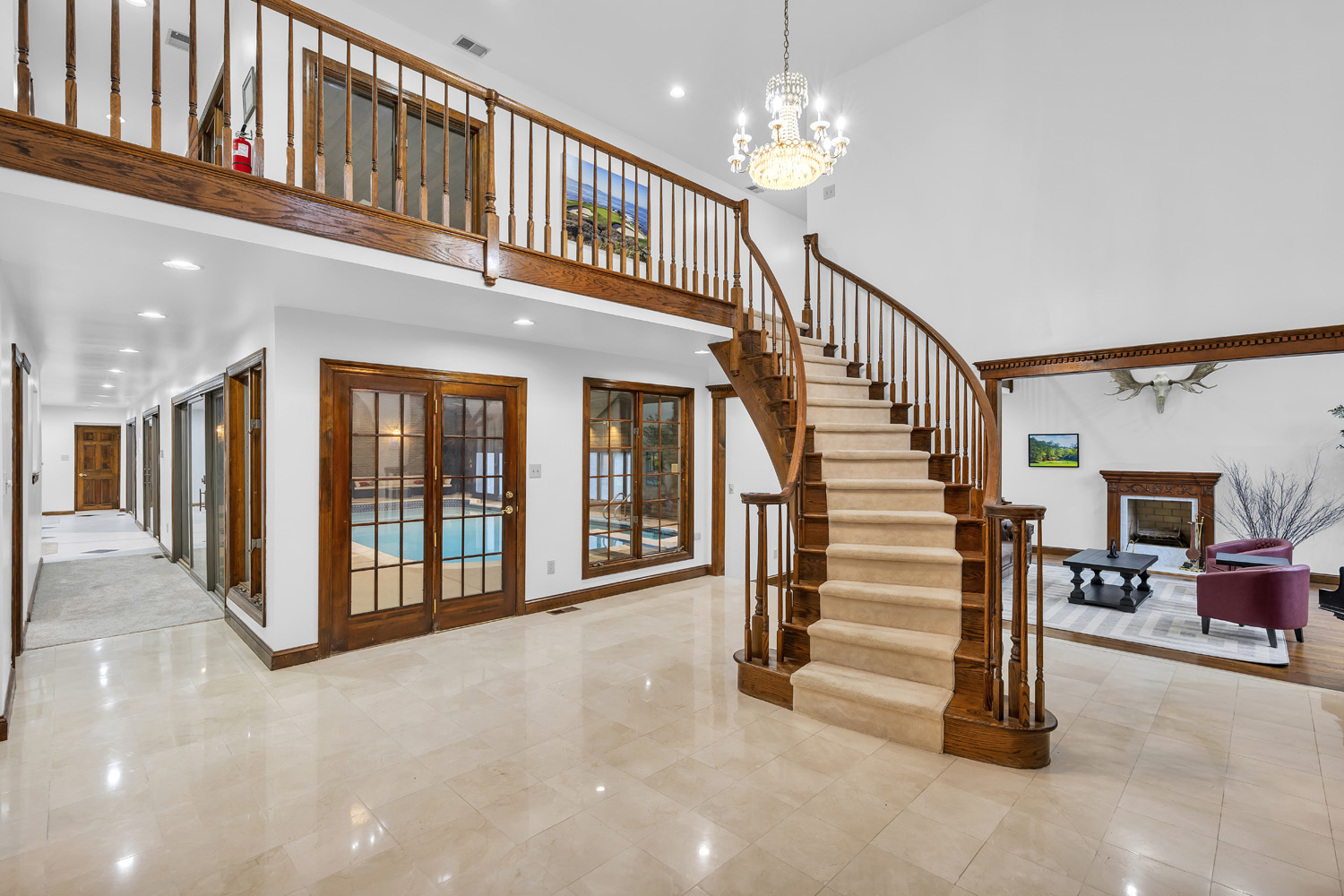
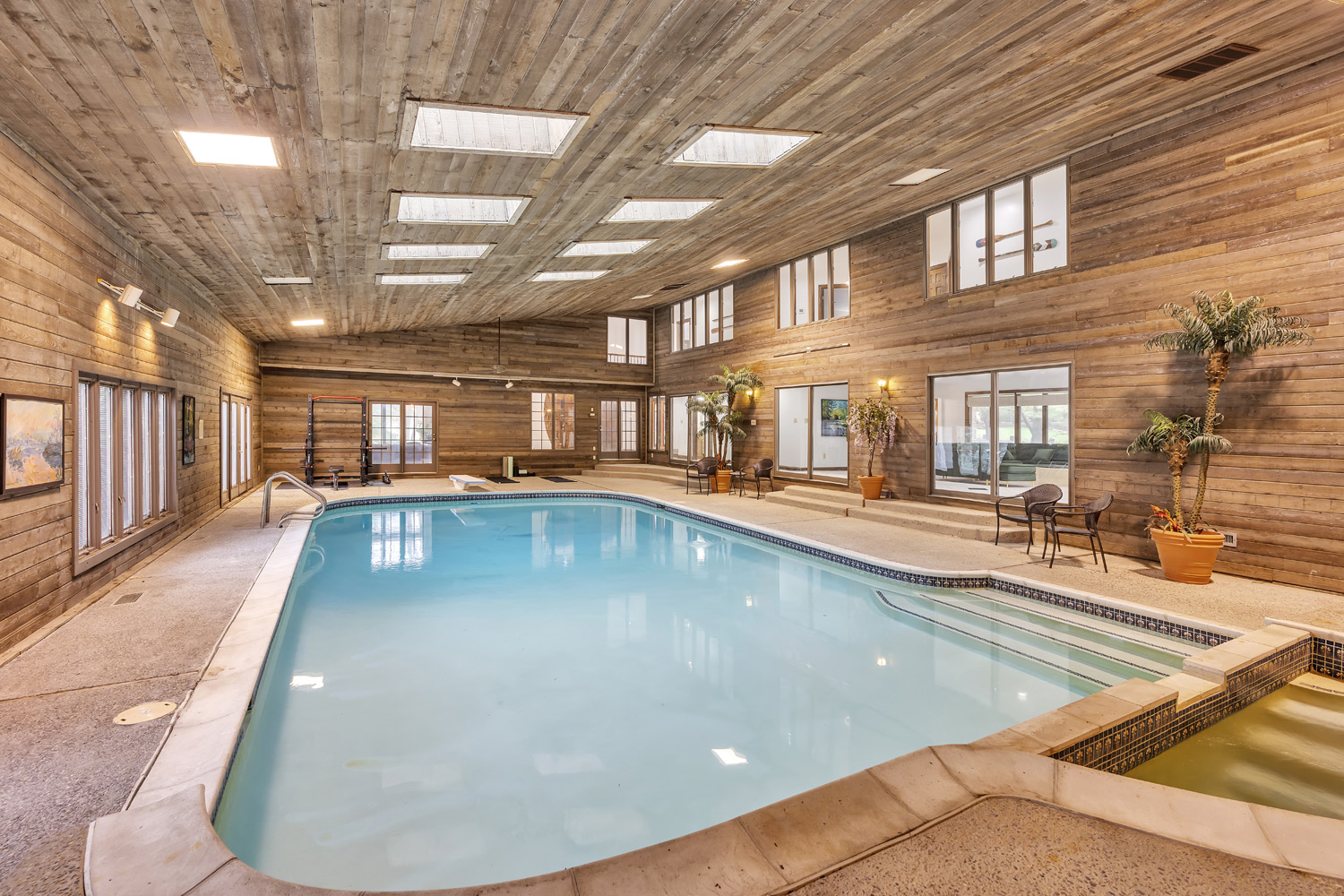
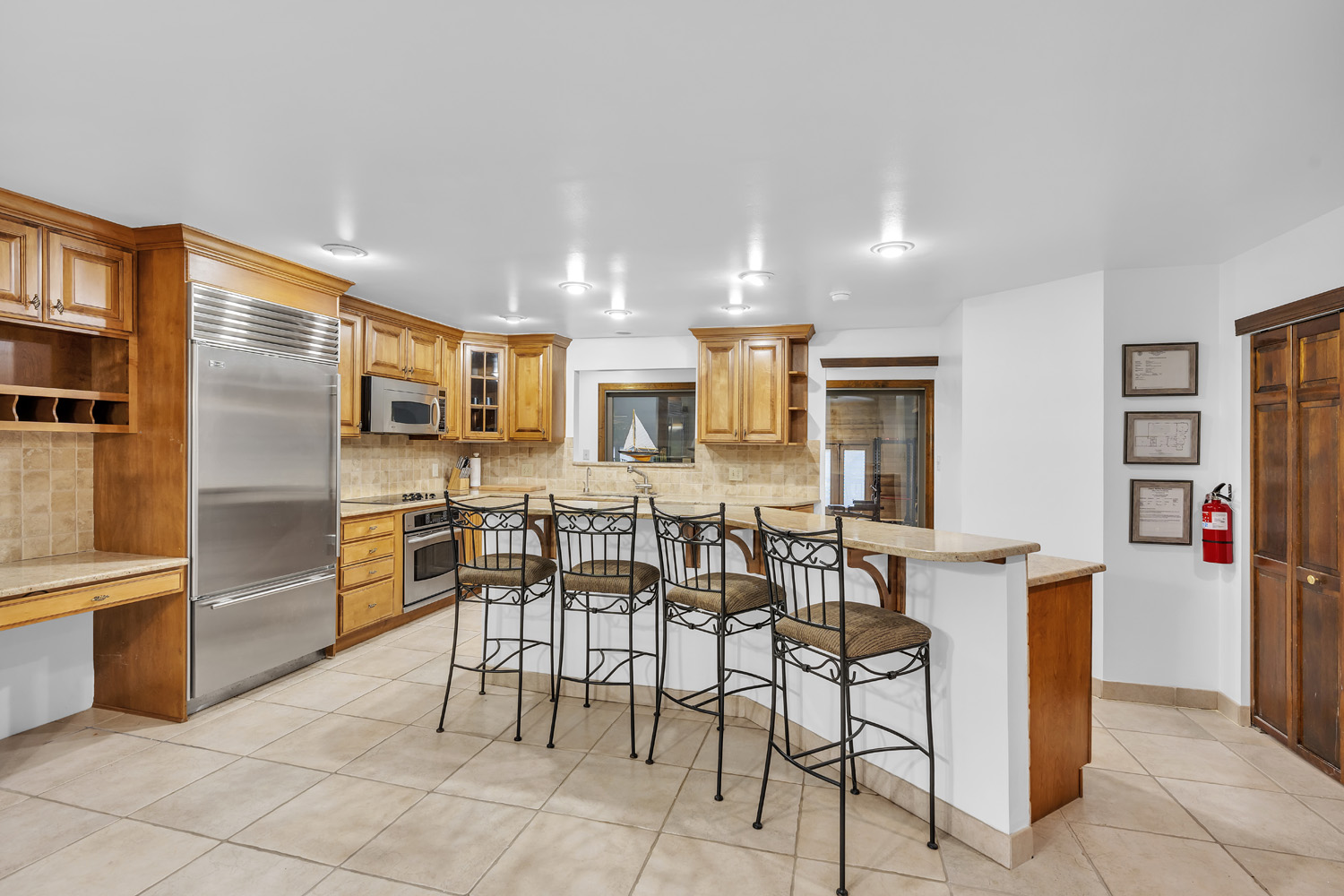
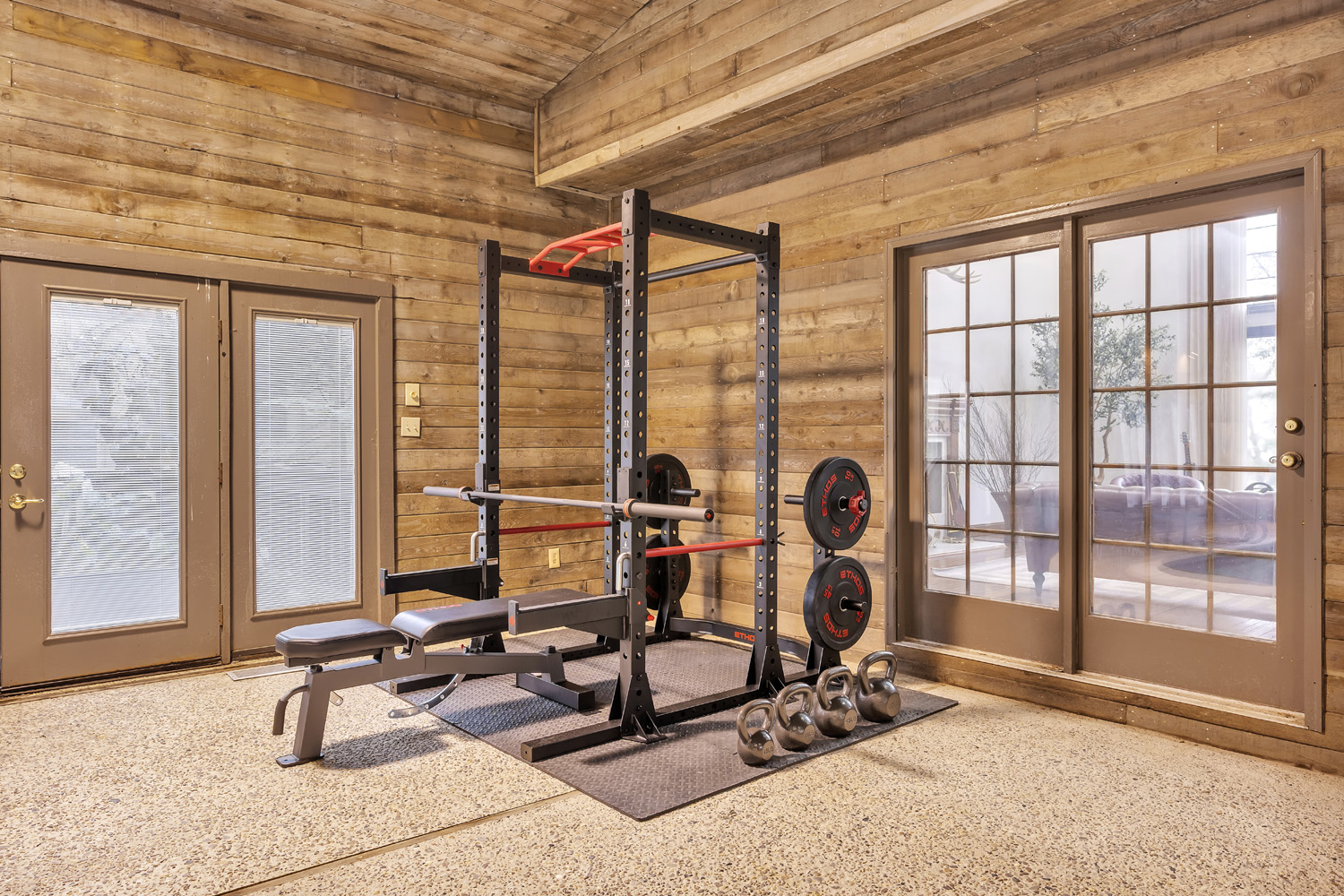
The Forest Sober Living homes in Cherry Hill, Hainesport, and Pennsauken offer that next step. They’re close enough to stay connected to South Jersey’s support network, but far enough to create a fresh start.
Each house is built around accountability, compassion, and real community. You’ll find structure, peer support, and people who understand that recovery isn’t just about getting sober — it’s about learning how to live again, one steady day at a time.
Frequently Asked Questions About Sober Living in Vineland, New Jersey
What’s the difference between sober living and drug rehab?
Rehabilitation and sober living represent different parts of the recovery journey. Alcohol rehab or other rehab programs, such as intensive outpatient or residential treatment, provide clinical healing through therapy and medical support. Sober living, sometimes called a recovery house, is the next step. This is the time to take everything you have learned in treatmet and apply it to daily life, creating routines, keeping yourself accountable, and learning how to manage real life while in recovery.
Are there specialized sober living homes in Vineland?
Certainly. Vineland has an array of recovery homes, including men’s and women’s homes, Oxford House models, LGBTQ-friendly homes, and even homes for couples and pet-owners. Some have communal settings; others offer higher-end amenities, and even within those categories, there can be significant differences. The commonality is the focus on structure, support, and connection that can contribute to recovery for life.
How long can someone stay in a sober living home?
Residents typically spend anywhere from three months to a year in sober living, depending on their progress. The goal is not to leave quickly; it’s to be there long enough to feel stable, confident, and supported. Some even choose to stay longer while they prepare to work, save money, or continue in intensive outpatient or counseling aftercare. Recovery takes time; a good sober living home gives you that time.
What rules are typical in sober living programs?
Rules create a consistent and safe home for everyone. You can expect things like curfews, regular meetings, chores, and drug and alcohol testing. These requirements are not intended to limit or control you, but to protect your progress and the progress of others in the home. In a healthy recovery house, accountability provides the structure to cultivate trust and independence.
How can I tell if a sober home is safe and reputable?
Begin your search for certification from New Jersey’s recovery residence programs or the National Alliance for Recovery Residences (NARR). Go to the home, meet the staff, and talk to the current residents. Ask about the way they handle relapse prevention, aftercare, and linking residents to treatment programs. Legitimate homes are either locally owned or part of an Oxford House network and have the intention of actually helping residents sustain positive momentum.
Sources
- New Jersey Department of Human Services, Division of Mental Health and Addiction Services. (2024, July). Substance use treatment overview 2023: Cumberland County. https://nj.gov/humanservices/dmhas/documents/pdf/statistical/substance-abuse-overview/2023/Cum.pdf
- Substance Abuse and Mental Health Services Administration (SAMHSA). (2022). 2021–2022 National Survey on Drug Use and Health: New Jersey tables. https://www.samhsa.gov/data/sites/default/files/reports/rpt44486/2022-nsduh-sae-state-tables/NSDUHsaeNewJersey2022.pdf
- New Jersey Department of Human Services, Division of Mental Health and Addiction Services. (2023). Substance use overview 2022. https://www.nj.gov/humanservices/dmhas/documents/pdf/statistical/substance-abuse-overview/2022/Statewide.pdf