Local Guide to Sober Living in West Chester, Pennsylvania
Building a Steady Life Surrounded by History and Heart
Take the Next Step Today
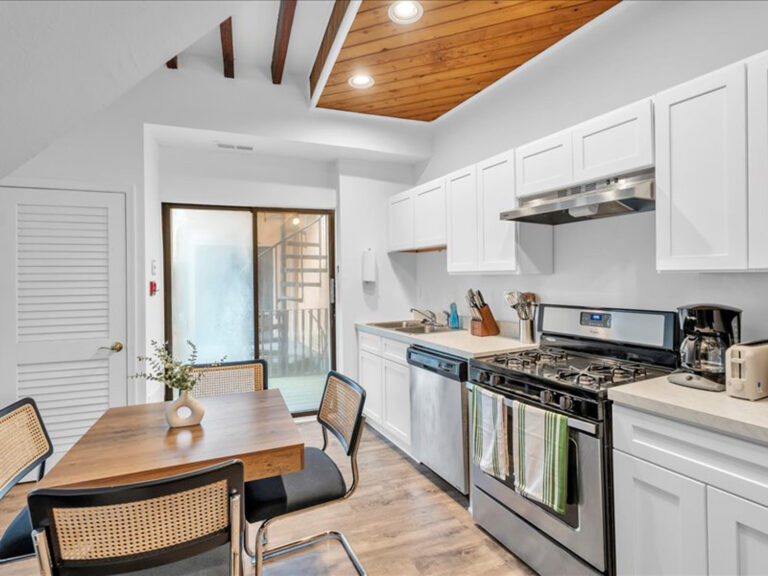
West Chester gives recovery a foundation — a peaceful place to slow down, rebuild, and find balance again. But sometimes, staying in the same familiar environment can make it harder to see yourself in a new way.
Real growth often happens when you step outside your comfort zone and surround yourself with people who live recovery every day.
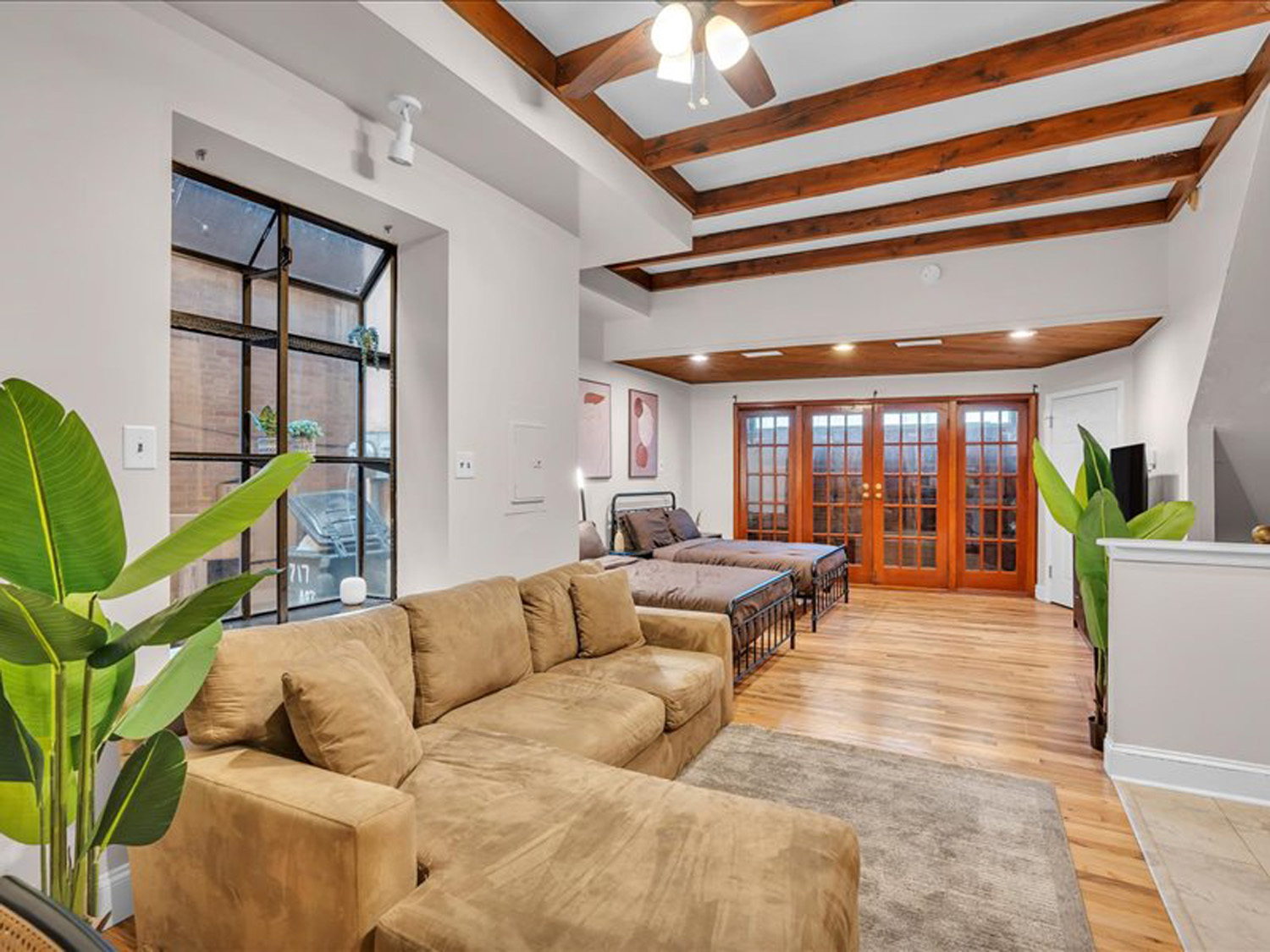
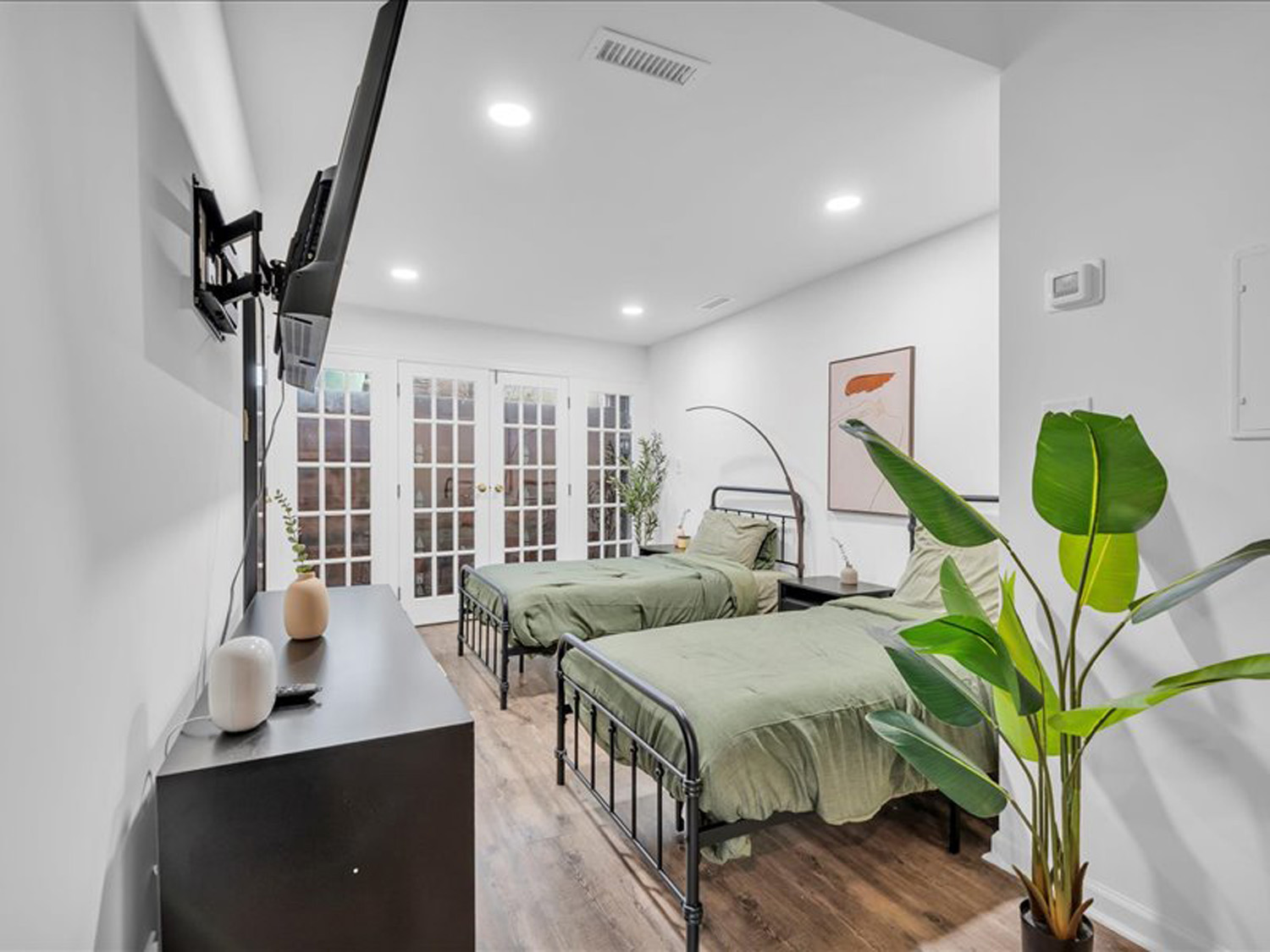
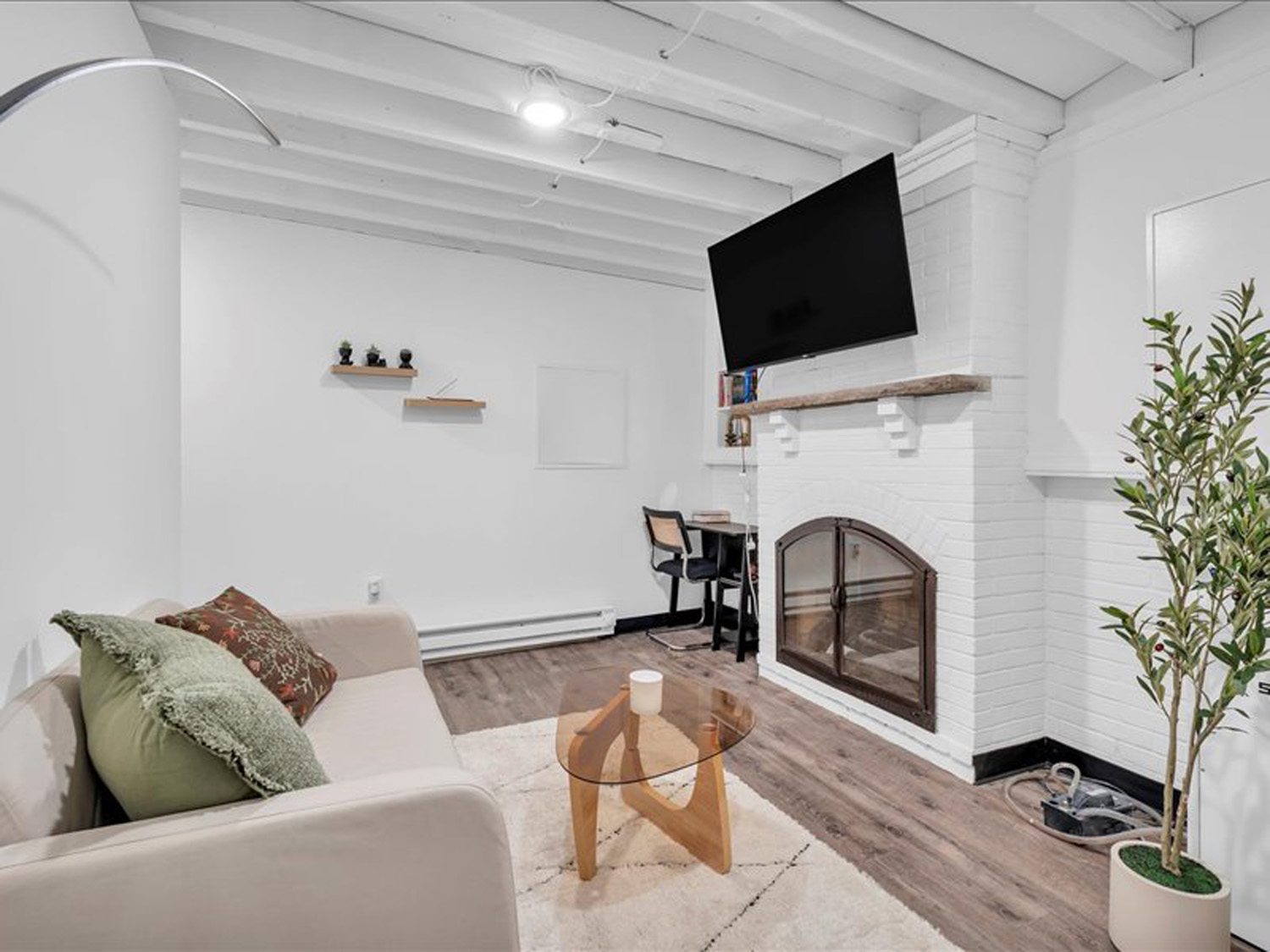
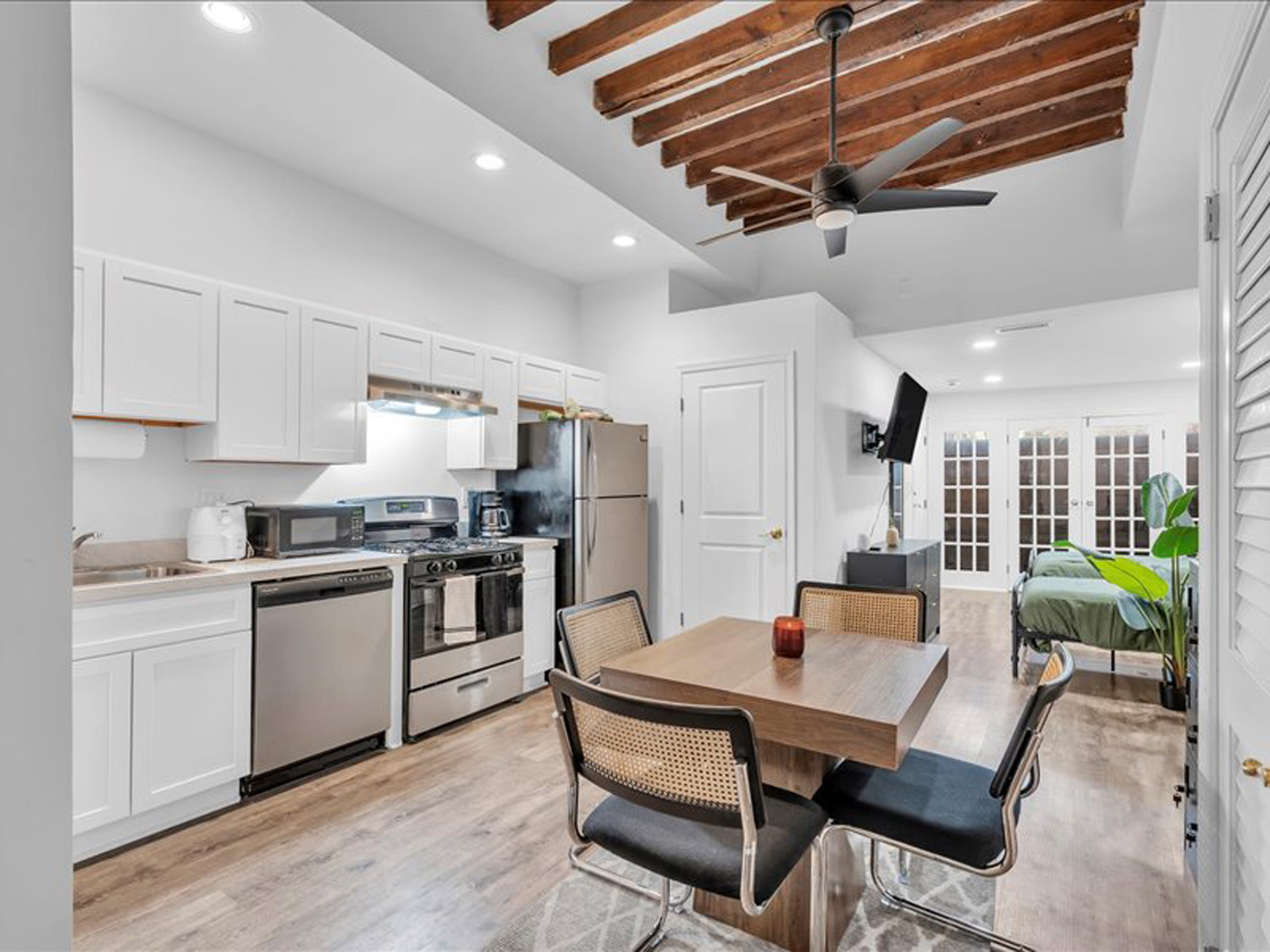
That’s what The Forest offers. Our homes in Berwyn, Malvern, and Philadelphia provide that bit of distance to grow, but are close enough to stay connected to family and support. A change in setting can help break old patterns, build new habits, and give recovery the space it needs to grow stronger.
If you’ve built stability in West Chester and are ready for a deeper reset, The Forest can help you turn progress into lasting recovery in a community designed for growth and accountability.
Frequently Asked Questions About Sober Living in West Chester, Pennsylvania
What’s the difference between sober living and rehab?
Rehabilitation centers on medically supervised and structured care. Sober living, however, is where you take what you have learned in treatment and begin to carry it into everyday life. You practice accountability, rebuilding habits, and simply living among others with the same goals. It is a step between intense care and total independence.
Are there specialized sober living homes in West Chester?
Certainly, there are homes for men and women, LGBTQ-friendly homes, homes for couples, and even pet-friendly homes. Most offer modern, comfortable living in safe neighborhoods that are close to meetings, work, and transportation. You will likely discover a strong sense of community, making it easier to find a home suited to your lifestyle and recovery objectives.
How long can someone stay in a sober living home?
There is no one timeframe. Typically, people spend a few months to a year in sober living. The most important thing is that you leave when you feel ready — when you have put structure in place, established steady employment, and have the confidence to maintain recovery on your own.
What rules are typical in sober living programs?
A home has its own rules, but all of them have the same basic expectations: regular drug and alcohol screening, curfews, participation in recovery meetings, and participation in the home’s activities and roles. The goal is not to restrict you, but to encourage consistency, responsibility, and trust.
How can I tell if a sober home is safe and reputable?
Search for homes that have been certified through the recovery residence programs in Pennsylvania or through the National Association for Recovery Residences (NARR). Go to each home you’re considering, meet the staff, engage in conversation, ask questions, and talk to the clients there in recovery. A quality home will have their rules and policy clearly available and will have well-trained staff and clear accountability. In small communities like West Chester, word spreads quickly, and good homes often have an established reputation in the recovery community.
Sources
[1] Stop Overdose Chester County. (n.d.). Statistics. Retrieved from: https://stopodchesco.org/. Accessed on October 15, 2026.
[2] Commonwealth of Pennsylvania, Department of Health. (2025). SU-03: Drug overdose death rate (LHI) — Pennsylvania Healthy People, county level (data years 2021-2023). Retrieved from: https://www.pa.gov/content/dam/copapwp-pagov/en/health/documents/topics/healthstatistics/healthypeople/documents/current/county/su-03-drug-overdose-death-rate-lhi.html. Accessed on October 15, 2026.
[3] Commonwealth of Pennsylvania, Department of Drug and Alcohol Programs. (2025, September 24). Shapiro Administration celebrates National Recovery Month by highlighting resources for Pennsylvanians in recovery. Retrieved from: https://www.pa.gov/agencies/ddap/newsroom/shapiro-administration-celebrates-national-recovery-month-by-hig. Accessed on October 15, 2026.
[4] Glass, L., Wiseman, J., Anderson, L., Omar, H., & Freedland, T. (2022). Recovery residences and improved outcomes: The association between R.I.S.E. and clinical outcomes. Center for Practice Transformation. Retrieved from: https://practicetransformation.umn.edu/wp-content/uploads/2022/05/ResearchBrief_5_Recovery_Residence_Outcomes.pdf. Accessed on October 15, 2026.