Local Guide to Sober Living in Allentown, Pennsylvania

Building Recovery in the Lehigh Valley
Jump to Section

    Recovery is always possible. It simply takes the right environment to flourish.

    In many ways, Allentown, Pennsylvania, may be the kind of in-between you are looking for as a strong balance of opportunity and community, affordability and access, stability and real connection.

    Halfway houses and sober living houses in Allentown provide a stable structure, accountability, and a peer support group for individuals in recovery when returning to their daily lives after treatment.

    Allentown blends small-city comfort with big-city resources, providing growing room for residents while standing firm on a foundation of belonging.

    The following guide discusses the ingredients that make Allentown a strong recovery community, what sober living looks like in Allentown, and the network of local resources to recover and ultimately enable lasting change across the Lehigh Valley.

    Why Choose Sober Living in Allentown?

    Allentown combines opportunity, affordability, and community—everything recovery needs to stay steady. As the heart of the Lehigh Valley, it offers the structure of a growing city without the pace or pressure of larger metros.

    Affordable Living

    Housing costs in Allentown stay well below those in Philadelphia or New York, yet the city offers similar access to jobs, transit, and amenities. That balance makes it easier to focus on recovery without the constant financial stress. You can work, pay your bills, and build stability without being overwhelmed by cost of living.

    Accessible Location

    Allentown’s central position in the Northeast makes connection simple. It’s about ninety minutes from both Philadelphia and New York City, close to the Poconos, and surrounded by small towns and nature. That location keeps recovery local while still offering easy access to family, friends, or specialized care in nearby cities.

    Strong Recovery Network

    The Lehigh Valley has built a reliable recovery network—treatment centers, outpatient programs, and an active meeting community all support residents in every stage of sobriety. It’s a region large enough to provide resources but small enough for real connection.

    Inclusive and Diverse

    Allentown’s population reflects the diversity of the Lehigh Valley, with a strong Latino community and growing LGBTQ+ visibility. Spanish-language meetings, bilingual services, and inclusive spaces create an environment where everyone can find belonging and support.

    Nature and Balance

    The Lehigh River and nearby parks offer space to unwind and recharge. Trails, riverside paths, and easy access to the Poconos make it simple to spend time outdoors—a valuable part of staying grounded in recovery.

    Variety of Sober Living Options

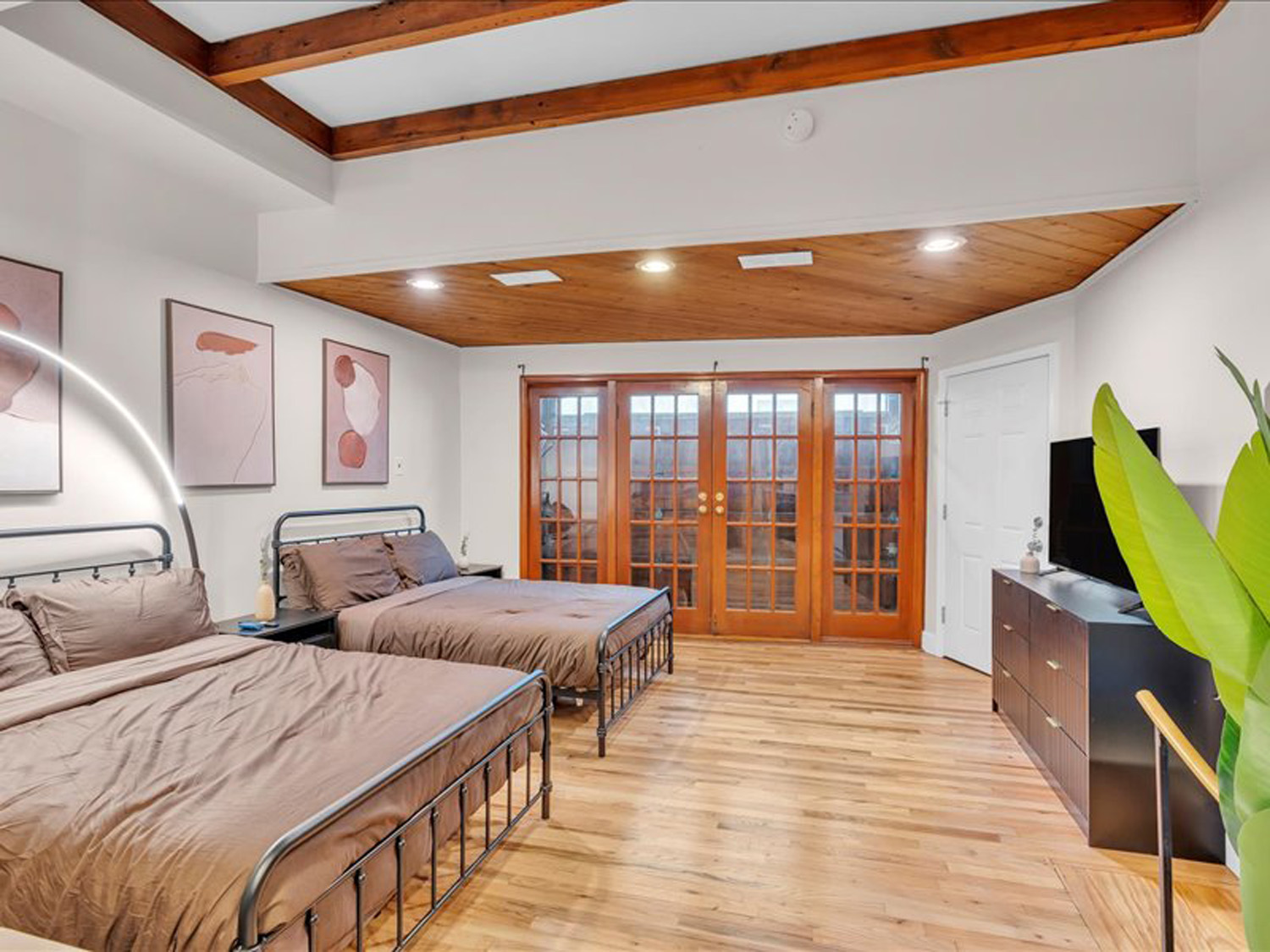
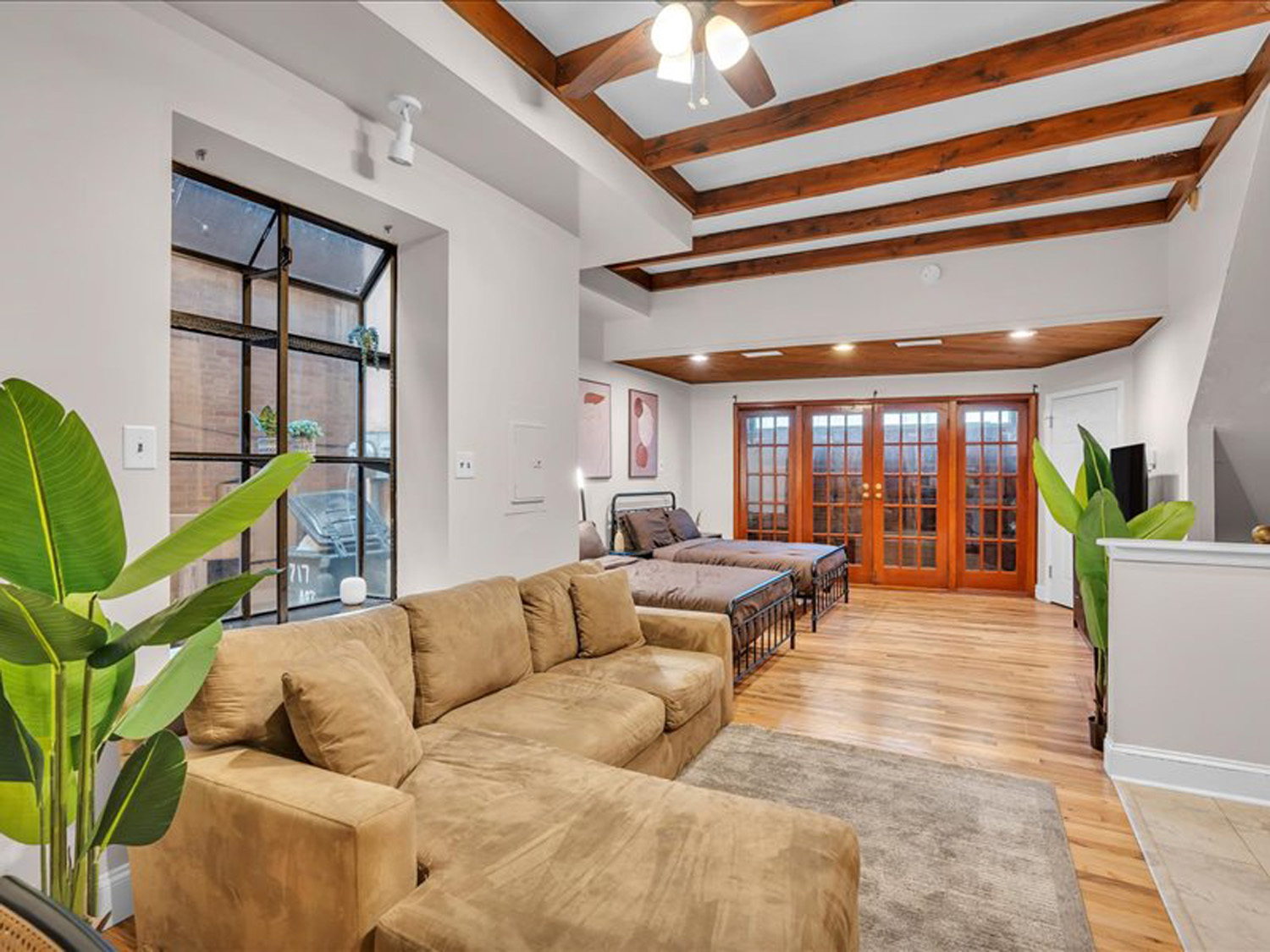
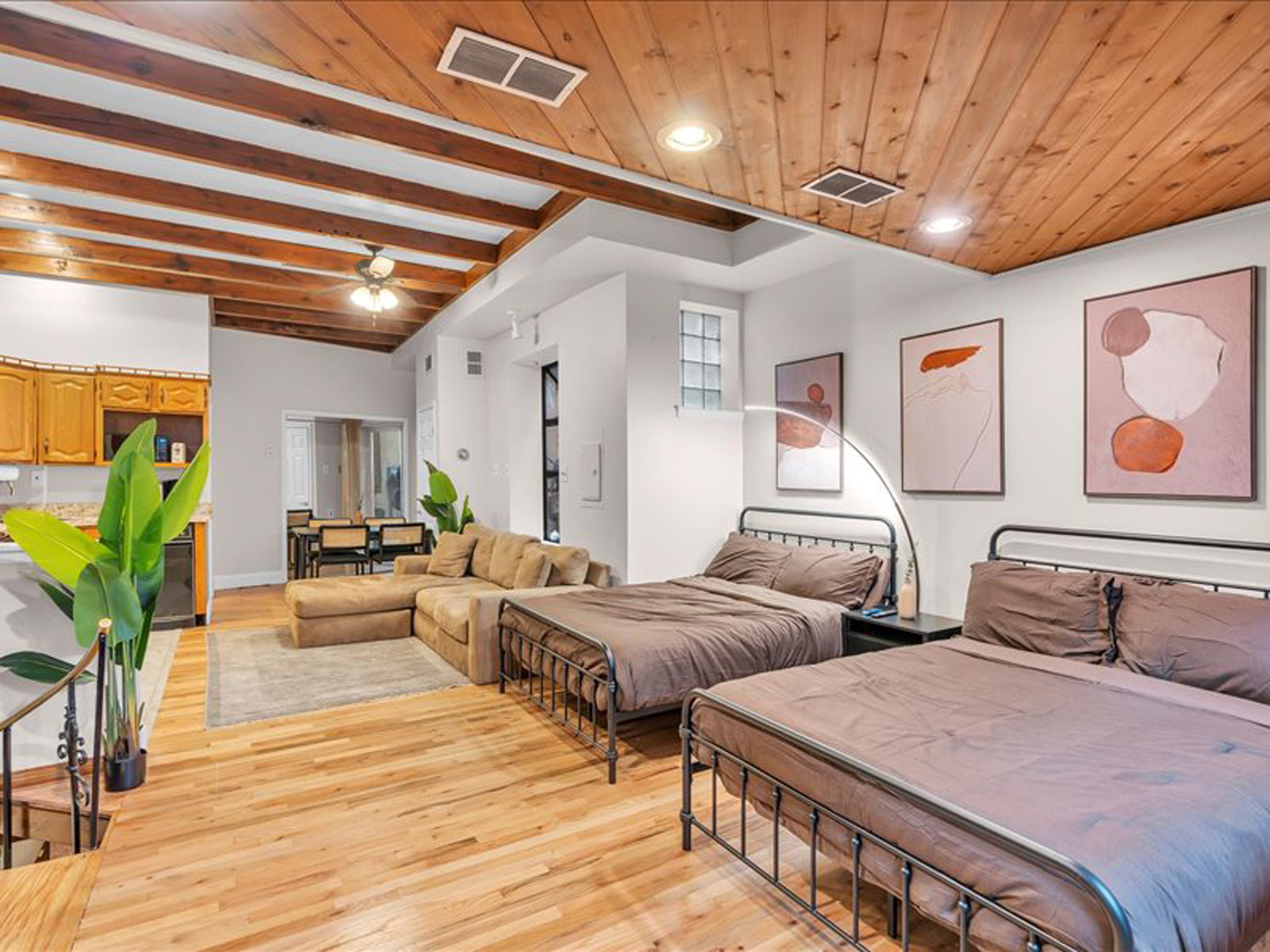
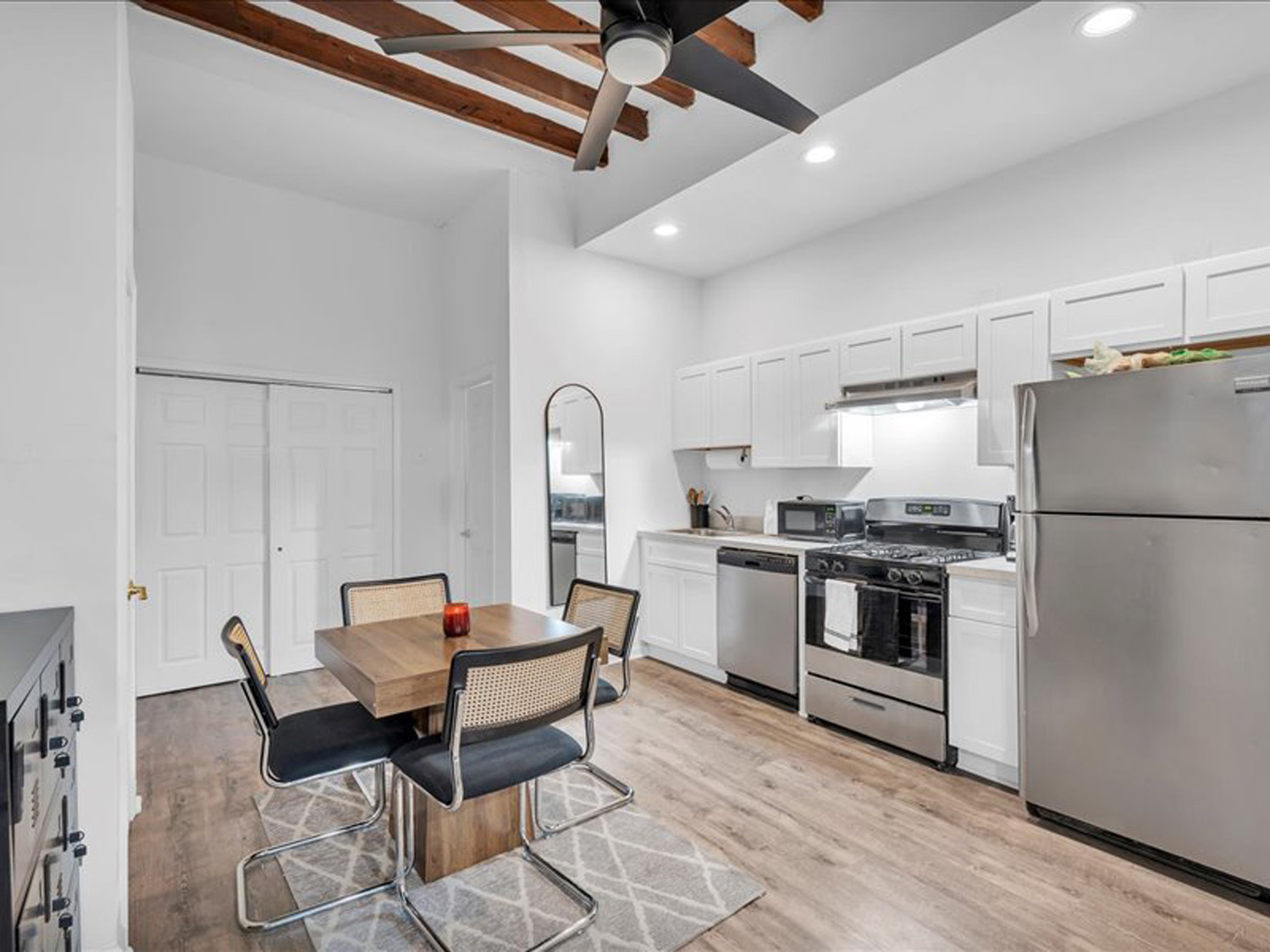
    Sober living homes in Allentown include men’s and women’s residences, LGBTQ-friendly and pet-friendly homes, and options for couples. The city’s continued growth means new, well-maintained homes that provide both structure and comfort for every stage of recovery.

    Employment Opportunities

    Allentown has a strong and steady job market, with opportunities in healthcare, manufacturing, logistics, public service and education support. Below are five of the biggest employers in the area:

    • Lehigh Valley Health Network offers non-clinical roles in office support, environmental services, food service, patient transport and facilities across several Allentown locations.
    • City of Allentown hires for municipal positions in parks and recreation, public works, customer service centers and general office operations.
    • Amazon (Lehigh Valley Fulfillment Centers) provides warehouse, logistics, inventory and support roles with predictable schedules and opportunities for advancement.
    • Air Products employs local teams in manufacturing, operations, technician roles, office support and customer service.
    • Lehigh University offers roles in facilities, dining, office support, custodial work and general operations.

    What to Expect in a Sober Living Home in Allentown

    Sober living in Allentown helps residents regain consistency, connection, and confidence as they return to everyday life. You’ll find it sufficiently structured to provide you with direction, but flexible enough to develop and grow at your pace.

    Structure and Routine

    Each day in a sober living house has a routine of shared chores, meetings, and personal goals that provide structure and purpose. Most sober homes involve participation in 12-step or alternative recovery groups, curfews to help support accountability, and periodic inspections to help everyone stay on track. The proximity of Allentown and the LANTA bus system makes it easy to get to meetings, jobs, or appointments without the difficulty of navigating a large city.

    Community and Accountability

    Recovery is robust in the presence of individuals who can understand it. In sober living, other residents share their experiences, check in during house meetings, and support one another through the challenges and triumphs of early recovery. The recovery network in Allentown expands that connection; local meetings, events, and community events will make it easy to feel seen and supported. Smaller networks mean you see familiar faces and are a part of something that is personal and real.

    Continued Recovery Support

    Sober living focuses on fostering independence while still prioritizing recovery. Many sober living homes in Allentown are housing arrangements that support therapy and sponsor work, plus real life skills, like budgeting and job hunting. The Lehigh Valley healthcare system has a valid and reliable behavioral health system through Lehigh Valley Health Network, St. Luke’s University Health Network, and community clinics. If you are looking for therapy, medication-assisted treatment, or outpatient treatment, valuable and helpful resources are available.

    Sober-Friendly Things to Do in Allentown, Pennsylvania

    Allentown gives you plenty of ways to stay connected and active in recovery. Between outdoor spaces, art, and local community events, the city makes it easy to live well and feel part of something.

    The Lehigh Parkway offers peaceful trails for walking or biking along the river and through open green space.The Trexler Nature Preserve provides miles of hiking trails and wildlife areas where you can slow down and recharge.The Allentown Art Museum brings creativity and culture together through exhibitions, workshops, and local events.The America On Wheels Museum celebrates transportation history with interactive exhibits and community programs.The PPL Center hosts concerts, sports, and sober-friendly entertainment right in the heart of downtown.The Allentown Fairgrounds Farmers Market is a local staple where you can enjoy good food, community connection, and a true sense of city pride.

    Health and Wellness in Allentown

    Valley Wellness Center is a full-service health-and-wellness club offering gym amenities, yoga, spa and family-friendly programs.Vibe Power Yoga provides hot yoga, cycle and restorative classes in a welcoming studio environment.Sarmatta Wellness Center features float-tank sessions, massage therapy and mindfulness experiences for deep relaxation and healing.Pure Health & Wellness Center focuses on chiropractic care, massage therapy and restoring body-mind balance.VHP Mark J. Young Community Health & Wellness Center supports wellness through nutrition counseling, chronic-condition classes and comprehensive community health services.

    Local Substance Use & Recovery Stats

    In Lehigh County, the age-adjusted drug overdose death rate for 2021-2023 was 36.3 per 100,000 population.[1]

    For Pennsylvania as a whole in 2022-2023, 9.59% of people aged 12 or older had a drug use disorder in the past year.[2]

    Allentown’s licensed halfway house provides 40 beds for residential recovery in Lehigh County.[3]

    Lehigh County operates three county-run Recovery Centers — two for adults and one for teens — providing sober activities and peer-support programming countywide.[4]

    Start Your Recovery Today

    Recovery begins with baby steps, and places like Allentown make those steps a reality. This is a city with a nice balance of community and opportunity, which places people in a position to start rebuilding their lives with the right support nearby.

    When it is time to build upon that foundation, The Forest Sober Living offers homes that provide structure in Berwyn, Malvern, and Philadelphia, all of which are a short drive from the Lehigh Valley, nearby communities that offer that next level of care, such as structure, accountability, and a sense of belonging that allows early recovery efforts to transform into lasting change.

    You do not have to travel far to find recovery support that restores some sense of normalcy in daily living. The Forest provides a safe, welcoming community of homes where recovery is possible and each day feels stronger than the one before.

    Frequently Asked Questions About Sober Living in Allentown, Pennsylvania

    What’s the difference between sober living and rehab?

    Rehabilitation supports your stabilization in a clinical, organized way, whereas sober living is applying what you learned in rehab to your daily life. It involves developing consistency, responsibility, and healthy habits in a real-world setting.

    Are there specialized sober living homes in Allentown?

    Yes. Allentown has sober living homes catering to men, women, couples, LGBTQ+ residents, and even pet-friendly options. There are also many sober living homes available only to Spanish-speaking residents, which cater to the city’s large Latino community and highlight its inclusive nature.

    How long can someone stay in a sober living home?

    Typically, individuals remain in treatment for 3 months to a year, depending on their personal objectives and progress. Prolonging your stay can lead to more robust habits, greater job stability, and a solid support system—elements crucial to achieving lasting recovery.

    What rules are typical in sober living programs?

    Homes typically have rules or guidelines regarding curfews, drug testing, attendance at required meetings, and household chores. These processes hold individuals accountable and help the daily structure feel safe, stable, and somewhat normal again.

    How can I tell if a sober home is safe and reputable?

    Search for homes certified through Pennsylvania’s recovery residence programs, or through NARR. Visit the homes in person, meet the staff, and listen and ask around at local meetings. Allentown is a tight-knit recovery community, and people will tell you which homes are genuinely supportive of their residents.

    Sources

    1. Commonwealth of Pennsylvania, Department of Health. (n.d.). SU-03: Drug overdose death rate (LHI) | Pennsylvania Healthy People, county level. https://www.pa.gov/content/dam/copapwp-pagov/en/health/documents/topics/healthstatistics/healthypeople/documents/current/county/su-03-drug-overdose-death-rate-lhi.html
    2. U.S. Department of Health and Human Services, Substance Abuse and Mental Health Services Administration. (2023). 2022-2023 NSDUH State Tables: Pennsylvania. https://www.samhsa.gov/data/sites/default/files/reports/rpt56188/2023-nsduh-sae-state-tables_0/2023-nsduh-sae-state-tabs-pennsylvania.pdf
    3. Commonwealth of Pennsylvania, Department of Drug and Alcohol Programs. (2025, October 8). PA Halfway House Facilities (Revised 10/8/2025) [PDF]. https://www.pa.gov/content/dam/copapwp-pagov/en/ddap/documents/halfway-houses/pa-halfway-houses.pdf
    4. Lehigh County Human Services. (2025). Drug & Alcohol — Recovery Centers. https://www.lehighcounty.org/Departments/Human-Services/Drug-Alcohol

    Sober Living Homes Nearby