LGBTQ-Friendly Sober Living

A supportive path to recovery rooted in authenticity and growth.

Finding a sober living home that allows you to be the complete, authentic version of who you are can make all the difference in the world. For LGBTQ individuals, this means finding a home that is affirming to your identity and understands your unique needs.

LGBTQ-friendly sober living homes offer structure and accountability in a supportive, community-oriented setting. These homes appreciate and acknowledge how crucial belonging is and strive to create an environment in which people live honestly while building stability in recovery. Whether you’re coming out of detox, transitioning from residential treatment, or still engaged in an outpatient program, sober living is an excellent next step to aid you on your recovery journey. This guide will walk you through what LGBTQ-friendly sober living looks like, what you can expect, and LGBTQ resources that complement your current treatment plan.

What Is LGBTQ-Friendly Sober Living?

LGBTQ-Friendly sober living homes provide safe, affirming spaces where every individual is respected and supported. These homes recognize that lasting recovery is more than just abstinence, it takes belonging, understanding, and trust.

In a LGBTQ sober living space, you will be able to use your preferred name and pronouns, connect without judgement, and openly talk about your life. The freedom to ‘be’ makes life less stressful and permits residents in recovery to create the type of environment needed for genuine healing.

Why LGBTQ-Friendly Sober Living Matters

LGBTQ-friendly sober living matters because the recovery experience is different when one doesn’t have to hide who they truly are. For someone in the LGBTQ community, that safety, understanding, and acceptance can mean the difference between just existing and creating a life that you actually want to stay sober for.

What makes a LGBTQ-friendly sober living home so valuable:

  • They provide safety and belonging, especially for people who have been marginalized and rejected in society.
  • They provide understanding without judgement, as it relates to discussions of identity and lived experiences.
  • They encourage support from peers who appreciate their struggles, and together celebrate personal progress.
  • They provide structure, while helping individuals to rebuild a life with dignity, but without judgement of who they are.

Like any structured sober living program, LGBTQ-friendly homes provide shared housing, accountability, and recovery support. What sets them apart is a culture built on inclusion, empathy, and respect.

What to Expect in an LGBTQ+ Sober Living Home

A sober living home provides structure, support, and a sense of community for individuals looking to recover after completing a program at an addiction treatment center. While sober living spaces vary, most share the same basic elements that allow for stable and sustainable recovery:

Structure and Routine

Daily living follows a predictable rhythm. Residents are expected to wake up at a consistent time, complete chores, and follow curfews. Many homes will require residents to attend 12-step meetings or similar recovery groups and take random testing for accountability. These rules are not meant to punish, but rather, create stability during a time of transition.

Community and Accountability

Recovery happens in connection. Residents support one another through peer mentorship, shared goals, and regular house meetings to discuss both progress and areas of difficulty. This shared accountability keeps everyone more grounded, and keeps the momentum of recovery moving forward towards long-term sobriety.

Continued Recovery Support

Sober living isn’t a formal inpatient or outpatient program, but complements ongoing recovery work with accredited recovery centers. Many residents continue to attend evidence-based therapy, 12-step programs, or workshops that focus on life skills. Homes also provide support for practical needs like job searching, budgeting, and managing a schedule. This support promotes independence and long-term success.

Nationwide LGBTQ Substance Use & Recovery Stats

Bisexual adults report much higher illicit drug use than straight adults, for both women and men. In the past year, 39.0% of bisexual women and 45.9% of bisexual men used an illicit drug, compared with 13.8% of straight women and 17.5% of straight men.[1]

In the past year, 13.9% of LGB+ teen boys had a substance use disorder compared with 5.8% of straight teen boys, and 19.4% of LGB+ teen girls used an illicit drug compared with 11.2% of straight teen girls.[2]

Among adults who needed substance use care, only 13.1% of LGBTQ adults received treatment in a specialty facility in the past year (vs 11.4% of straight adults), meaning roughly 9 in 10 people who need care still go without it.[3]

How Families Can Support LGBTQ Individuals in Recovery

Family support can make a lasting difference in recovery when it’s grounded in respect and understanding. Start by affirming your loved one’s identity, using their correct name and pronouns, and asking how you can best support them.

Stay connected through open communication and healthy boundaries. Many sober living programs offer family meetings or support groups that help relatives learn about recovery and how to encourage progress without pressure.

For LGBTQ individuals, compassion matters most. Learn about the challenges they may face, listen without judgment, and show up consistently. Acceptance and love help healing take root.

Find A Space to Heal in Recovery

Recovery is stronger when you’re in the right environment.

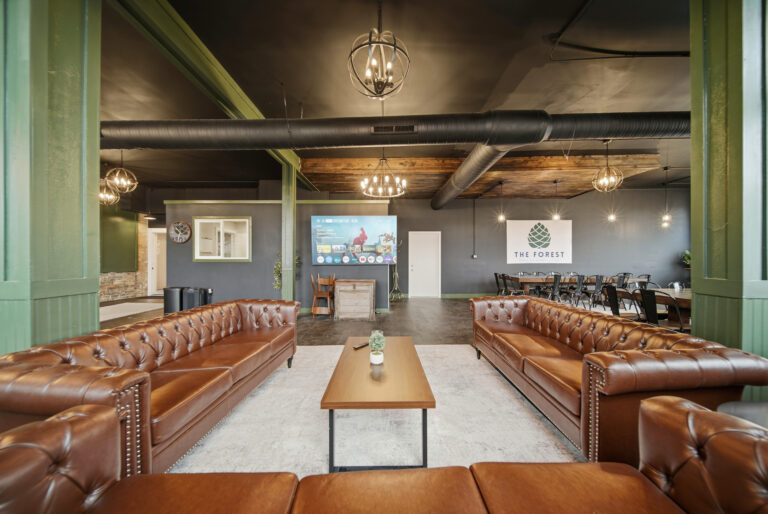
At The Forest Sober Living, we provide structured, LGBTQ-friendly homes that honor every person’s identity while helping residents build stability and confidence in recovery. Here, community and accountability work hand in hand with compassion. You’ll find connection, daily rhythm, and real support from people who understand your path and respect your story.

You belong here. Your recovery matters.

If you’re looking for LGBTQ sober living, The Forest offers supportive homes across Arizona, Florida, New Jersey, Pennsylvania, Texas, and Wisconsin. Reach out today and we’ll help you find the location closest to you.

Frequently Asked Questions About LGBTQ-Friendly Sober Living

What’s the difference between sober living and rehab?

Rehab is a structured treatment program that includes therapy, medical care, and clinical oversight. Sober living provides a stable home environment that focuses on accountability, daily routines, and community support. It’s often the next step after treatment, helping people practice independence while staying connected to recovery.

Are there LGBTQ-specific sober living homes?

Yes. Some homes are designed specifically for LGBTQ residents, while others are LGBTQ-friendly and maintain inclusive policies for everyone. When exploring options, ask how each home supports identity, pronouns, and nondiscrimination to ensure it’s a safe and affirming space.

How long can someone stay in a sober living home?

The average stay is three to twelve months, depending on personal goals and progress. Many residents choose to stay longer to build steady routines, strengthen accountability, and feel ready for independent living.

What rules are typical in sober living programs?

Most homes have curfews, meeting requirements, random testing, and household responsibilities. These expectations are not about control—they’re about structure, which helps create stability and trust in recovery.

How can I tell if a sober home is safe and reputable?

Look for certification through organizations like NARR or state-level recovery coalitions. Visit in person if possible, review the home’s policies, ask about staff training, and speak with current or former residents. Above all, trust your instincts. A safe sober living home should feel respectful, consistent, and welcoming from the start.

Sources

  1. Substance Abuse and Mental Health Services Administration. (2023). Lesbian, gay, and bisexual behavioral health: Results from the 2021 and 2022 National Surveys on Drug Use and Health (SAMHSA Publication No. PEP23-07-01-001). Center for Behavioral Health Statistics and Quality. https://www.samhsa.gov/data/report/LGB-Behavioral-Health-Report-2021-2022
  2. Substance Abuse and Mental Health Services Administration. (2024). Behavioral health of adolescents across sexual identities: Results from the 2023 National Survey on Drug Use and Health. https://www.samhsa.gov/data/sites/default/files/reports/rpt56180/2023-nsduh-lgb-infographic-report.pdf
  3. Substance Abuse and Mental Health Services Administration. (2024). Behavioral health care access among lesbian, gay, and bisexual (LGB) populations. https://library.samhsa.gov/sites/default/files/cfri-lgb-report-pep24-07-026.pdf

Sober Living Homes Nearby