Green Bay is a city that moves to its own beat, where the pace of life is slower, and residents can enjoy waterfront scenery, welcoming neighborhoods, and daily community engagement. For individuals transitioning out of substance use, alcohol use, or moving through a major life event, that settled vibe can make re-entry into life a bit easier.
And for those looking for more structure as they rebuild their lives, sober living in Green Bay is a safe step between treatment and independent living. Residents have services and mental health support nearby, there are many outpatient treatment options, and the community aspect allows them to process their recovery with others who are navigating similar challenges and changes. For those coming from detox, inpatient treatment, or an outpatient program, Green Bay offers a space where routines can develop, habits can shift, and growth is possible.
The following guide will go more in depth about what sober living looks like in Green Bay, what you can expect, and the local resources available to you in the city and throughout Brown County.
Why Choose Sober Living in Green Bay?
Green Bay has the benefits of a larger city without the overwhelm. It offers stability, connection, and a slower pace that helps people ease back into daily life without feeling pulled in too many directions.
Calm and Convenient
The city of Green Bay is easy to navigate, which offers people in early recovery fewer challenges in daily life. The sober living homes are typically in the vicinity of grocery stores, pharmacies, job centers, and public transportation. Residents have everything they need without feeling overwhelmed, while creating new patterns.
The buses in Green Bay are an easy way to travel to appointments for outpatient treatment, 12-step meetings, or mental health or counseling appointments. Even if residents do not have a vehicle, they will still be able to maintain their support services and keep structure in their routines.
Safety and Stability
Many neighborhoods in Green Bay feel familiar and predictable. Residents have lived in their homes for a long time, local businesses know their regular customers, and parks are maintained and clean. This offers comfort in a credible atmosphere for someone in early recovery.
Most sober living homes are located in residential neighborhoods as well, while still being close enough to access resources from Brown County. The sidewalks, parks, and convenient access to recovery support gives those in sober living a sense of ongoing stability, while they develop new, healthier habits.
Community and Support
Green Bay offers a supportive and active recovery community. This includes peer-based groups, recovery homes, and nonprofit programs that help people stay engaged.
Residents often find community through these support groups, local recovery events, or even simple activities with their housemates. Green Bay also has several Oxford Houses and sober homes led by peers. These settings emphasize accountability and responsibility, with residents actively participating in the development of a sober environment. They provide connection and help reduce the feeling of isolation that is so common in early recovery.
Diverse Housing Options
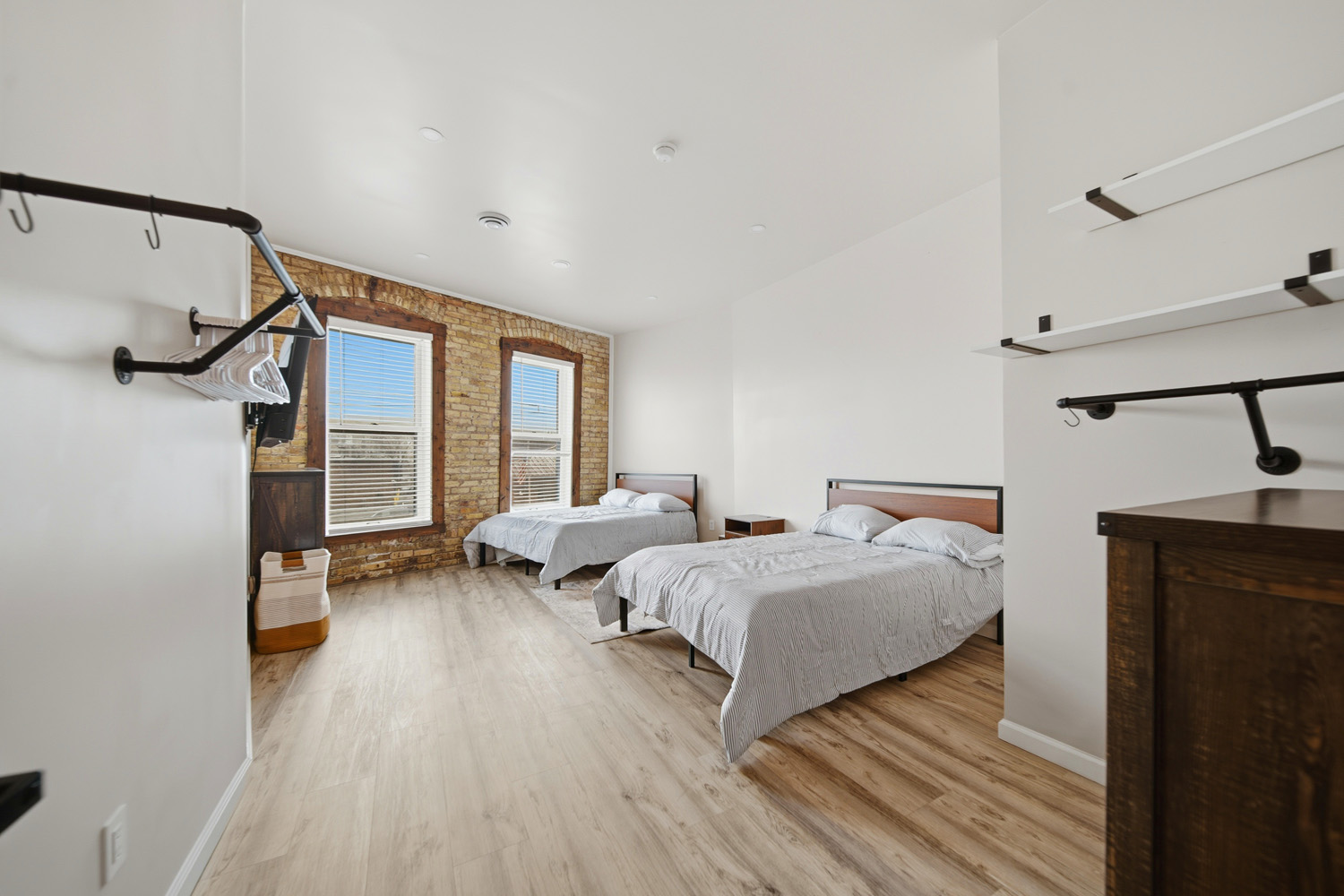
There are many kinds of sober housing options in Green that make it possible for those in early recovery to find a home that feels safe and supportive. Some residents prefer gender-specific homes for women or men, while others choose homes that highlight their LGBTQ-inclusive environment.
Many recovery residences have managers who help maintain structure and routine, while other homes follow the Oxford House model. These sober living homes provide residents the opportunity to have input in their household. Whatever sober living arrangement works best for you, all offer stabilization and give residents the opportunity to learn skills for independent living.
Employment Opportunities
Green Bay has a strong job market and plenty of opportunities for people rebuilding their lives. Residents often find work in manufacturing, health care, customer service, logistics, food service, and administrative support.
Some of the largest employers in the area include:
- Bellin Health, which offers roles in facilities, clerical support, food service, and environmental services.
- HSHS St. Vincent Hospital, with positions in patient support, housekeeping, and administrative services.
- Schneider National, hiring for logistics, customer service, dispatch, and warehouse support roles.
- Georgia-Pacific, offering work in production, manufacturing, and operations support.
- Green Bay Packaging, with openings in assembly, machine operation, and facility support.
What to Expect in a Sober Living Home in Green Bay
Sober living offers a steady bridge from treatment programs to independent living. It provides structure, encouragement, and a supportive environment where residents can grow at their own pace. Every home operates a little differently, but in general, you can expect the following from your sober living home:
Structure and Routine
Most sober living homes in Green Bay follow simple routines that help residents stay grounded. Daily expectations often include shared chores, curfews, weekly house meetings, and regular drug testing. Many homes also encourage residents to continue outpatient treatment or counseling to stay connected to professional support. The structure gives people enough freedom to rebuild their lives while still offering guidance when things feel challenging.
Community and Accountability
Living with others who understand substance use disorder and the emotional challenges of early recovery can make the process less isolating. Housemates support each other through shared meals, conversations, and everyday routines. Peer support becomes a central part of the experience, helping residents build confidence, connection, and long term stability.
Continued Recovery Support
Most residents in Green Bay continue working with outpatient providers, mental health counselors, or addiction treatment professionals. Treatment centers across Brown County offer evidence-based services such as individual therapy, group counseling, recovery coaching, and relapse prevention. These programs help residents stay accountable while they practice life skills and maintain a healthy living environment in their sober home.
Sober-Friendly Things to Do in Green Bay
Green Bay offers simple, calming activities that support a sober lifestyle and help residents stay connected to healthy routines. Here are some local favorites worth exploring:
Bay Beach Wildlife Sanctuary offers quiet trails and peaceful outdoor spaces.
Fox River Trail provides miles of waterfront paths for walking and biking.
Green Bay Botanical Garden offers calm gardens and seasonal events.
Neville Public Museum gives residents a chance to learn, explore, and unwind.
Titletown District offers ice skating, fitness paths, and wellness events.
Bay Beach Amusement Park provides a family-friendly, low pressure environment for relaxed fun.
Health and Wellness in Green Bay
Planet Fitness Green Bay offers accessible fitness routines and strength training for all levels.
Aurora BayCare Sports Medicine Center provides athletic training, physical therapy, and wellness services.
Tranquility Spa offers massage, body treatments, and relaxation services.
Odyssey Climbing + Fitness offers rock climbing, bouldering, and movement classes that support mental and physical wellness.
The Yoga Loft is a welcoming yoga studio offering classes for all levels with focus on personal growth and mindful movement.
Terry Naturally Health Food Store offers vitamins, supplements, natural foods, and wellness products, with knowledgeable staff to answer your questions.
Local Substance Use and Recovery Stats
In 2023, Brown County reported 63 accidental illicit overdose deaths.[1].
The Wisconsin Association of Sober Housing lists several certified sober-living homes in Brown County, including options in Green Bay with space for up to 12 residents.[2]
Brown County Health & Human Services established a $250,000 one-time grant fund (using ARPA funds) to be awarded to organizations providing sober-living/recovery residence services in Brown County.[3]
Brown County saw a 50% reduction in opioid-related deaths from 2023 to 2024 due to awareness campaigns and the efforts of an overdose task force in the Brown County Public Health Department.[4]