Guide to the Top Sober Living Resources in Scranton, PA

Recovery in the Electric City

Jump to Section

    Recovery becomes attainable in settings that are authentic. Scranton is one of those places. Well known for its community, steady pace, and mountain vistas, Scranton provides an opportunity to stabilize and learn, rooted in connection with others who care about what you are doing and where you are going. Scranton is a place where starting over does not necessitate starting over alone.

    Sober living residences in Scranton foster structure, accountability, and the capacity for connection with others, which support long-term personal growth. Regardless of whether you are finishing treatment in Northeastern Pennsylvania, helping a loved one take their next step after intensive treatment, or looking for a community to re-establish yourself after a relapse, regularity and community make this healing experience both practical and sustainable.

    This guide will lay out what works in this area for recovery, what you can expect from sober living residences in Scranton, and the supportive resources available in the region surrounding this Northeastern Pennsylvania community to help people stay grounded in healing.

    Why Choose Sober Living in Scranton?

    Scranton is a big enough city to provide plenty of opportunities, yet small enough to build genuine connections that make long-term recovery sustainable. Here are some reasons why Scranton is a great place for recovery.

    Affordable and Practical

    Scranton’s cost of living is among the lowest for any city of its size in the Northeast. Housing stays affordable, allowing residents to maintain quality sober living, work steady jobs, and meet financial goals without constant stress. This breathing room makes it easier to focus on healing instead of survival.

    A Connected Recovery Community

    With about 75,000 residents, Scranton feels personal. People know one another in meetings and local recovery programs, creating natural accountability and real peer support. That sense of visibility helps you and your loved ones stay engaged in recovery and community life.

    Nature that Supports Healing

    Set in the Lackawanna River Valley and surrounded by the Pocono foothills, Scranton blends small-city life with easy access to trails, lakes, and forests. Outdoor time here becomes part of recovery — a space for reflection, grounding, and daily movement.

    Real People, Real Conversations

    Scranton’s working-class culture values honesty and effort over appearance. It’s a place where people are open about struggles and focused on progress, not perfection. That authenticity resonates with anyone looking for recovery that feels genuine.

    Distance That Helps You Heal

    Scranton’s location offers meaningful separation from triggering environments. It’s far enough from major metros like Philadelphia and New York to create space for change, yet close enough for loved ones to visit and stay connected. That balance can be key for people ready to start fresh.

    Inclusive Housing Options

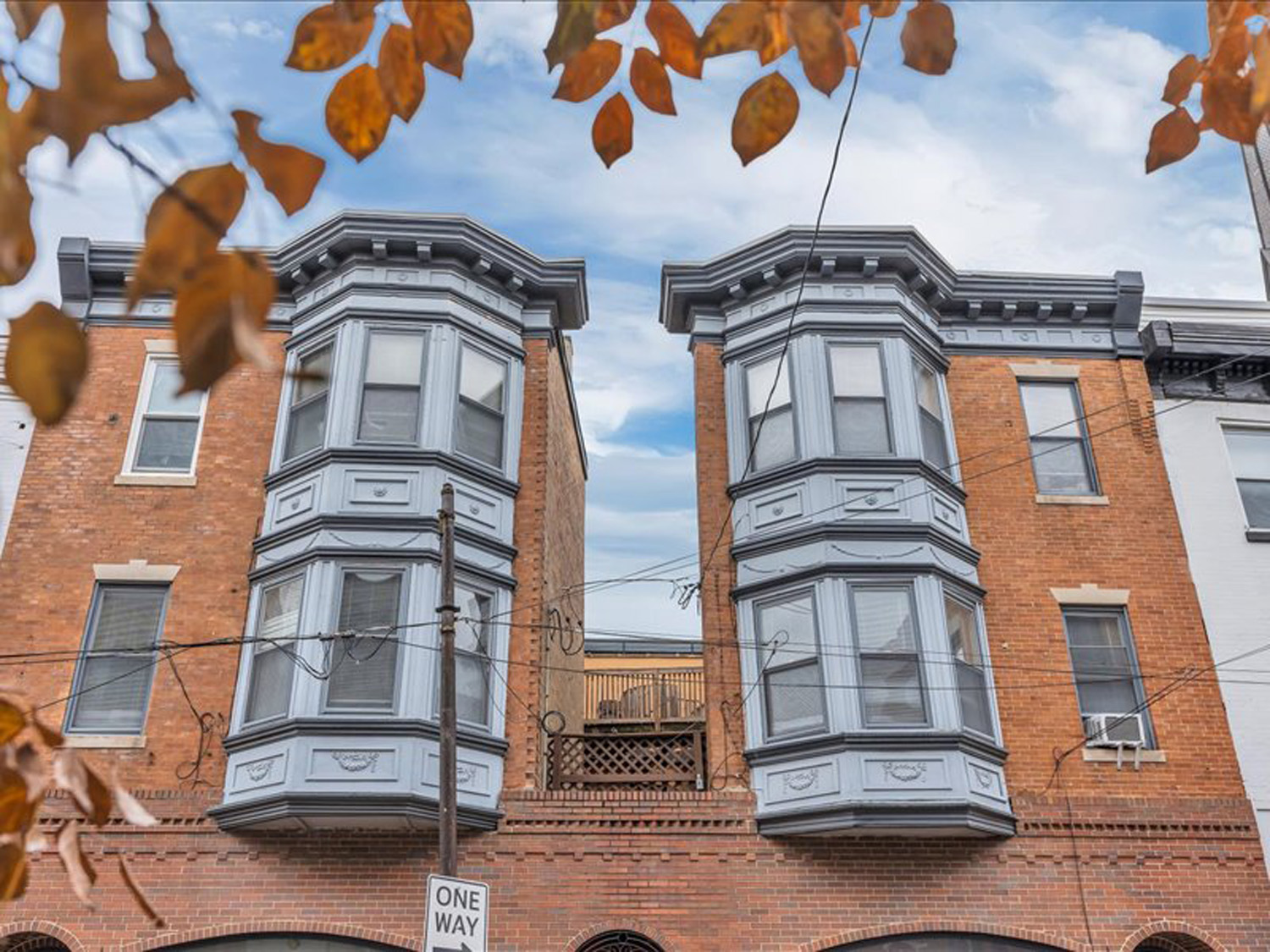
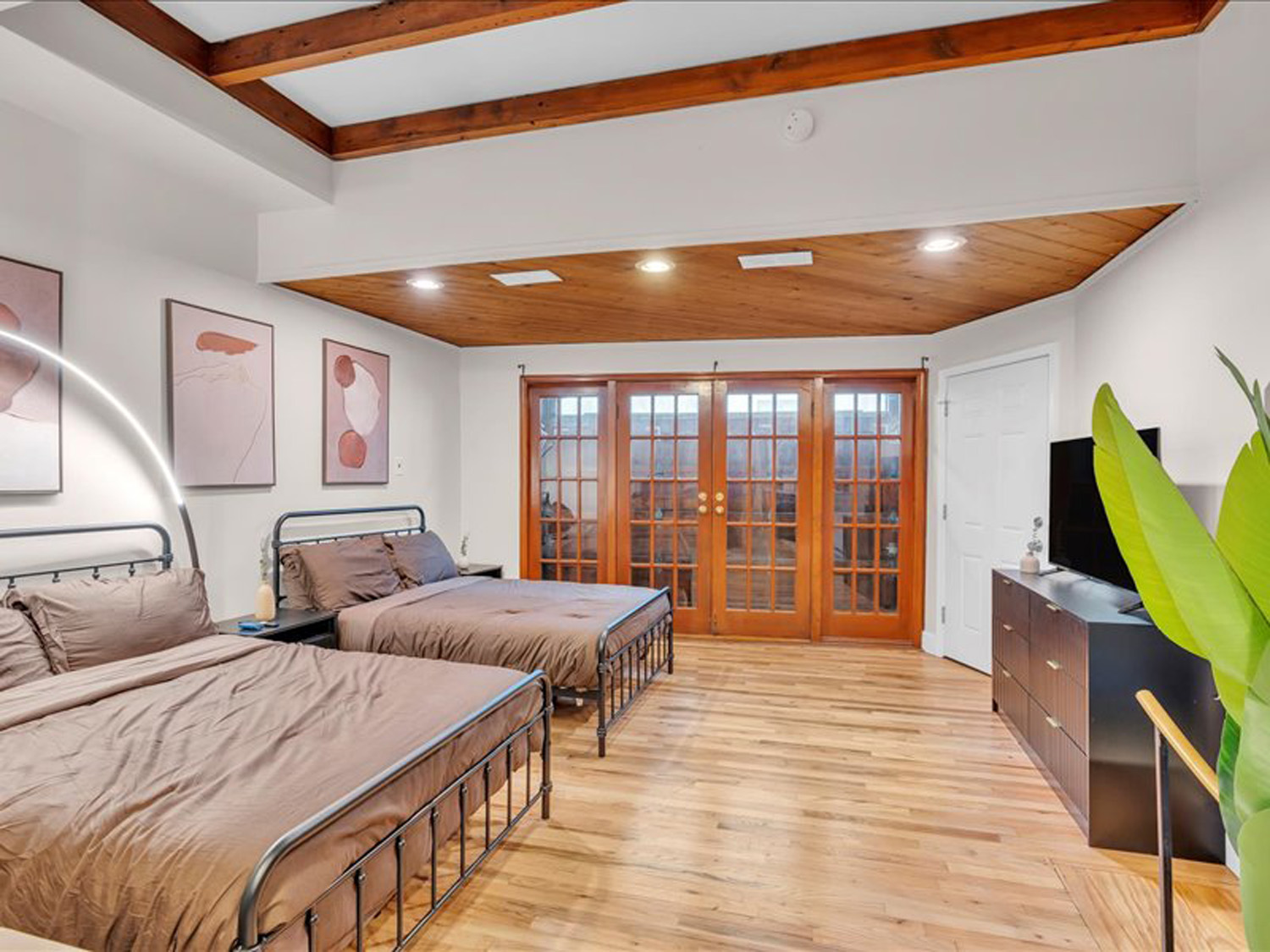
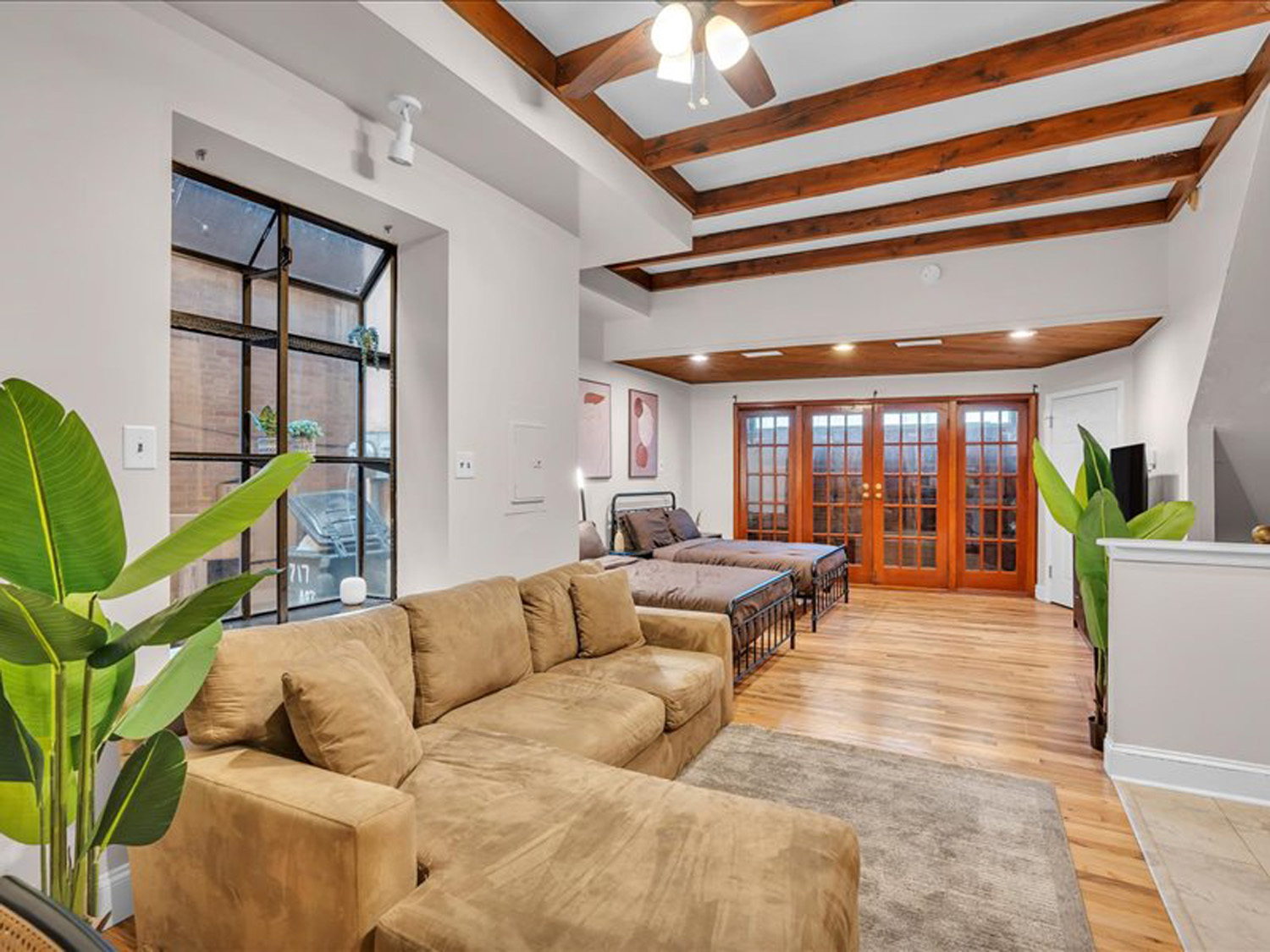
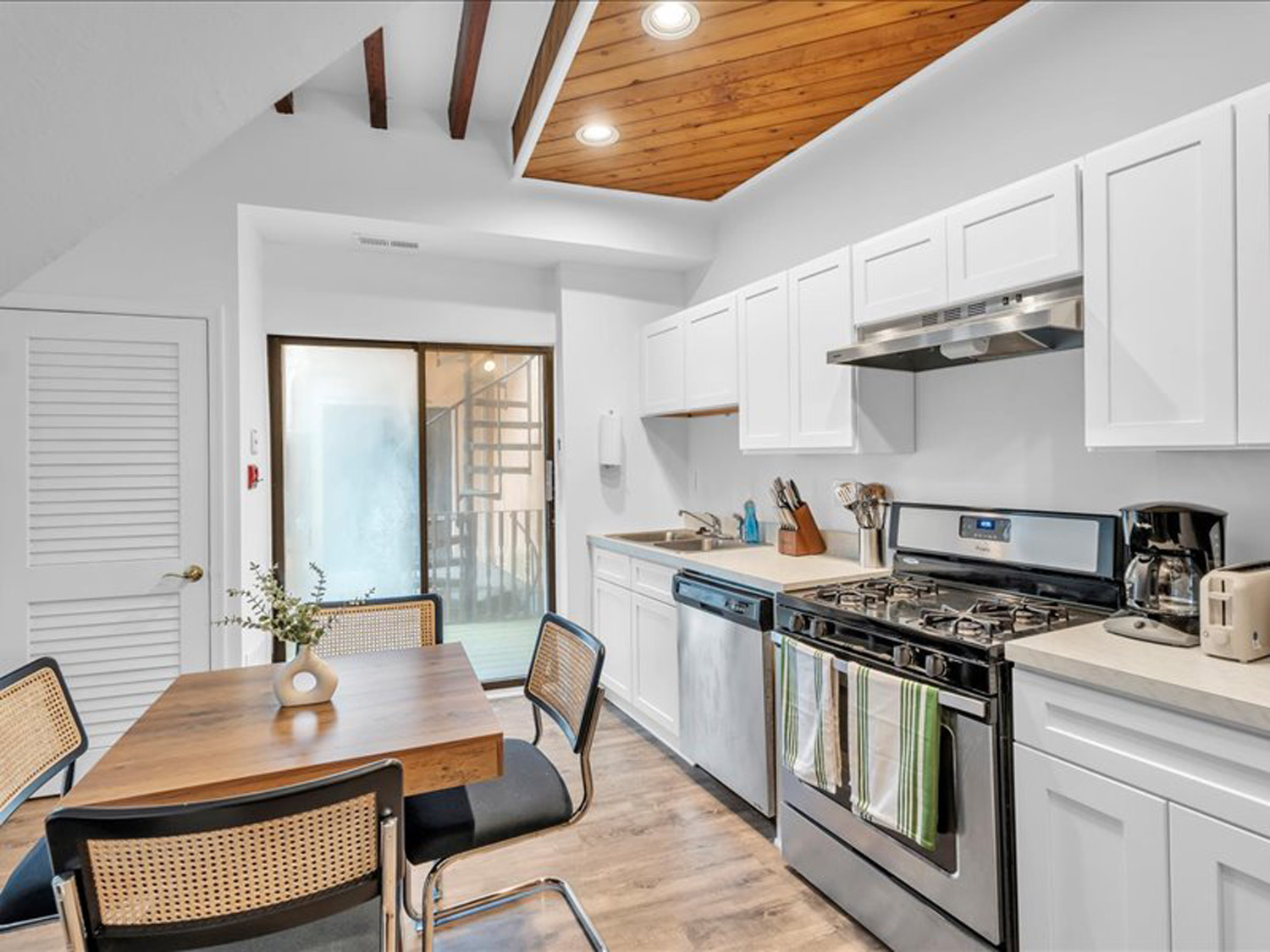
    Scranton’s recovery housing includes men’s and women’s homes, LGBTQ-friendly and pet-friendly residences, and options for couples. With its affordability and community spirit, the city makes sober living accessible to anyone working toward long-term recovery.

    Employment Opportunities

    Once known for its coal and rail history, Scranton now offers a job market full of supportive, steady-routine roles that help you anchor your day and rebuild with confidence in recovery. With employers in healthcare, education, public service, and operations, there are paths that match different stages of rebuilding. Below are some of the biggest employers in the area:

    • Geisinger provides many hospital and clinic support roles like food service, environmental services, patient access, clerical work, and facilities across its regional health system.
    • Commonwealth Health – Regional Hospital of Scranton offers non-clinical positions in patient support, registration, environmental services, dietary services, and office operations in an acute-care setting.
    • The University of Scranton provides non-teaching jobs such as facilities, dining services, custodial work, administrative support, and campus operations.
    • Scranton School District hires for non-student-facing roles such as facilities support, custodial work, and general office administration.
    • City of Scranton offers municipal jobs in parks and recreation, public works, neighborhood services, and office support, giving you a structured, community-focused routine.

    What to Expect in a Sober Living Home in Scranton

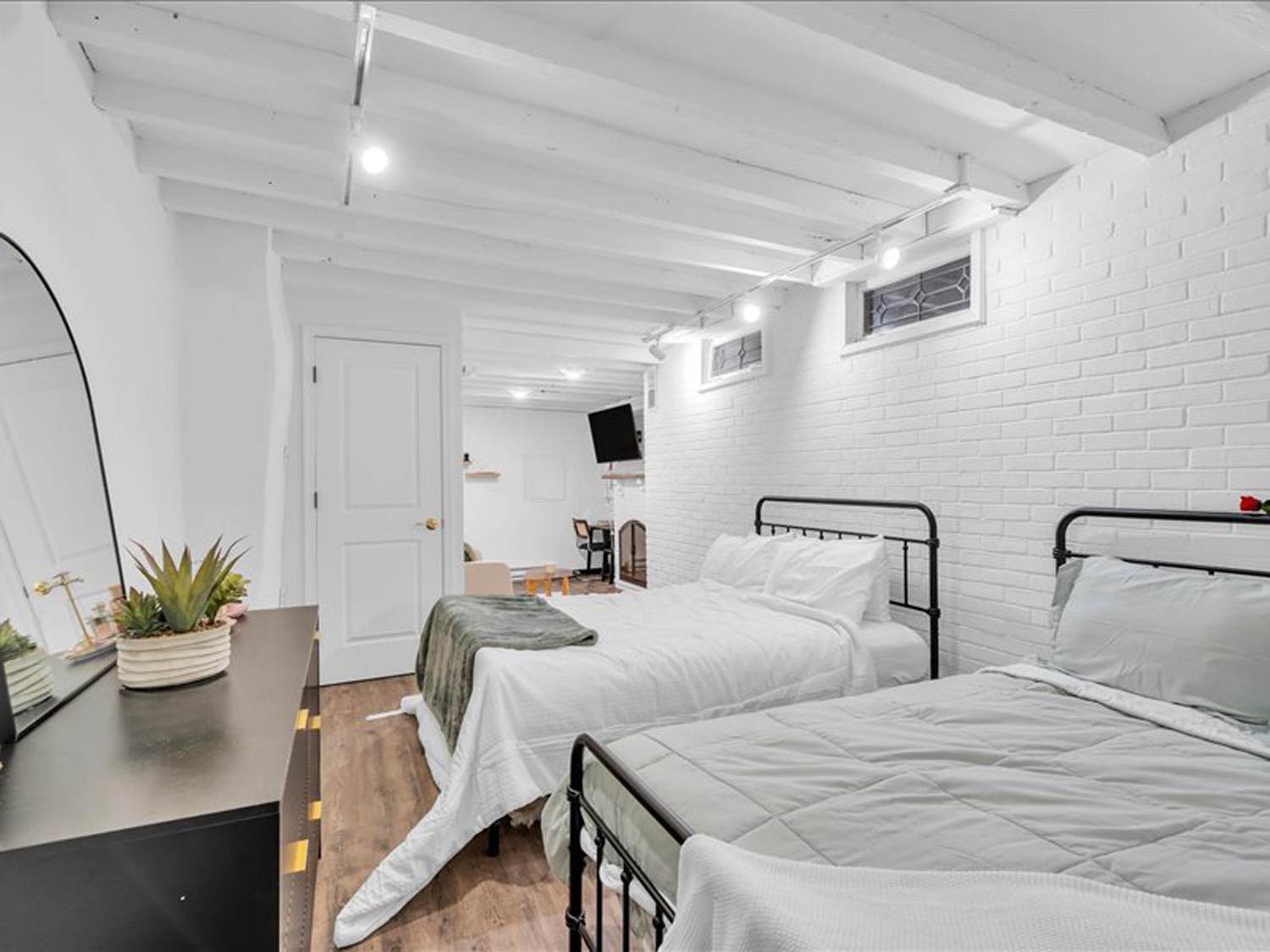
    Living sober in Scranton provides a peaceful structure with reliable support. It’s where the work of recovery continues after an inpatient or treatment program, giving you time to learn how to be independent with the guidance and support from the community around you.

    Structure and Routine

    Living in a sober home in Scranton is structured to help you remain accountable and develop stability. Residents share household responsibilities, adhere to curfews, and attend recovery meetings multiple times a week. Regular drug testing keeps everyone accountable, and the daily structure provides the consistency needed to thrive in recovery. Scranton, being a relatively small and manageable place, means that meetings, jobs, and services are within reach, too, by car or the COLTS bus system.

    Community and Accountability

    Being a part of others’ recovery creates an authentic connection. Weekly house meetings help cultivate a space for honesty and communication, while peer mentors and friends support you when things get challenging. Scranton’s tight-knit recovery community makes it tough to go unnoticed or fade into the background because you’re known, supported, and reminded that you have people on your team that care about your success.

    Continued Recovery Support

    The majority of residents continue with therapy and aftercare programs or outpatient services, while living in sober living. Many houses assist with job searches, resume creation, and life skills to support recovery in its real-world form, so that it’s not only about sobriety, but also stability. In addition, local providers such as Geisinger Health System and Commonwealth Health provide behavioral-health and substance-abuse treatment services, and community clinics allow for convenient, easily accessible care throughout Lackawanna County. The predictability of strong continued support and local resources in Scranton provides stability for continued recovery.

    Sober-Friendly Things to Do in Scranton, Pennsylvania

    Scranton makes it easy to stay active, grounded, and connected while building a life in recovery. The city’s mix of outdoor spaces, history, and community spirit keeps every day full without pressure or distraction.

    Nay Aug Park offers walking trails, tree-covered paths, and a scenic gorge that’s perfect for quiet reflection.

    Lackawanna River Heritage Trail runs through the heart of the city, giving residents a peaceful route for walking, biking, or reconnecting with nature.

    McDade Park provides open fields, fishing ponds, and hillside views that make it a favorite spot for spending time outdoors.

    At Steamtown National Historic Site, you can explore the city’s railroad heritage while enjoying events and trails that celebrate local history.

    The Everhart Museum brings art, science, and natural history together in a calm, welcoming space that encourages curiosity and creativity.

    And Montage Mountain Resort offers year-round recreation — skiing and snowboarding in winter, concerts and water activities in summer — all just minutes from downtown.

    Health and Wellness in Scranton

    Mission Yoga offers grounding yoga classes, breathwork, and movement sessions in a warm, community-centered studio that supports both stability and stress relief in recovery.

    Satsang Yoga Studio provides yoga, meditation, and mindfulness-based classes that help you reconnect with your body and build calm, steady routines.

    Lavish Body & Home offers therapeutic massage, skincare, and relaxation-focused services in a peaceful space designed to support emotional and physical wellness.

    The Salt Barre blends barre, yoga, and salt therapy to support breathing, movement, balance, and overall tension release.

    Geisinger Wellness provides integrative wellness programs including nutrition guidance, fitness support, and whole-body health services to help rebuild strength and routine.

    Local Substance Use & Recovery Stats

    In 2021, there were 110 fatal opioid-poisoning (overdose) deaths in Lackawanna County.[1]

    Lackawanna County’s age-adjusted drug-overdose death rate is 49.2 per 100,000 (2021–2023) — more than double the national Healthy People 2030 goal of 20.7.[2]

    As of September 2025, Pennsylvania has 409 licensed recovery houses, reflecting a 31 % increase since 2023.[3]

    People who live in recovery homes are nearly twice as likely to stay sober by the end of treatment compared to those who do not.[4]

    In March 2025, the Commonwealth awarded $2 million in new grants—five awards of up to $500,000 each—to expand access to licensed recovery housing.[5]

    Take the Next Step Today

    Scranton gives people a place where life slows down enough to focus on what really matters. It’s often where the first real stability begins, surrounded by community, nature, and a pace that lets recovery take root.

    But for some, the next chapter in their recovery journey means a new environment. This is where the Forest can help.

    The Forest’s homes in Berwyn, Malvern, and Philadelphia offer that next level of structure and connection, just a few hours from Scranton. Staying within Pennsylvania keeps you close to home while surrounding you with fresh opportunities, supportive peers, and a recovery-focused community designed for progress.

    If you’ve built a foundation in Scranton and you’re ready to grow, The Forest can give you a path forward. Reach out today and let’s take that next step together.

    Frequently Asked Questions About Sober Living in Scranton, Pennsylvania

    What’s the difference between sober living and rehab?

    Rehabilitation involves treatment — therapy, structure, and medical support in a medical facility. Sober living is the process following rehabilitation. It consists of learning how to live everyday life while recovering, developing routines and accountability while becoming more independent within a safe and supportive environment.

    Are there specialized sober living homes in Scranton?

    Certainly. Scranton offers affordable options for a variety of residents, including men’s and women’s homes, LGBTQ-friendly housing, and homes for couples or pet-owners. Scranton’s affordability provides options while allowing people to rebuild stability without increasing their financial strain.

    How long can someone stay in a sober living home?

    There is no defined timeline. Some residents are in sober living for several months and some stay much longer as they find their way back to work, become more comfortable taking more risks, and continue to grow in their recovery with a strong support system. The plan is to move on when life outside of the house feels stable and sustainable.

    What rules are typical in sober living programs?

    Most homes have clear expectations with regular meeting times, curfew times, shared responsibilities, and drug tests occasionally to hold you accountable and maintain a safe environment. The expectations are not intended to be limiting — rather, they provide structure and accountability so everyone has the best opportunity to focus on progress.

    How can I tell if a sober home is safe and reputable?

    Seek homes certified through either Pennsylvania’s recovery residence programs or the National Alliance for Recovery Residences (NARR). If possible, spend some time visiting the homes; ask questions about staff experience, and talk to residents. In a close community like Scranton, reputations spread quickly, and local meetings can often be good places to learn honest opinions.

    Sources

    1. Lackawanna Recovery Coalition. (n.d.). Overdose Data – Lackawanna County. https://www.lackawannarecovery.org/overdose-data/
    2. Commonwealth of Pennsylvania, Department of Health. (2025). SU-03: Drug overdose death rate (LHI) — Pennsylvania Healthy People, county level (data years 2021–2023). https://www.pa.gov/content/dam/copapwp-pagov/en/health/documents/topics/healthstatistics/healthypeople/documents/current/county/su-03-drug-overdose-death-rate-lhi.html
    3. Commonwealth of Pennsylvania, Department of Drug and Alcohol Programs. (2025, September 24). Shapiro Administration celebrates National Recovery Month by highlighting resources for Pennsylvanians in recovery. https://www.pa.gov/agencies/ddap/newsroom/shapiro-administration-celebrates-national-recovery-month-by-hig
    4. Glass, L., Wiseman, J., Anderson, L., & Freedland, T. (2022). Recovery residences and improved outcomes: The association between R.I.S.E. and clinical outcomes. Center for Practice Transformation, University of Minnesota. https://practicetransformation.umn.edu/wp-content/uploads/2022/05/ResearchBrief_5_Recovery_Residence_Outcomes.pdf
    5. Commonwealth of Pennsylvania, Department of Drug and Alcohol Programs. (2025, March 5). Shapiro Administration invests more than $2 million to create a bridge for Pennsylvanians in need of recovery housing. https://www.pa.gov/agencies/ddap/newsroom/shapiro-administration-invests-more-than–2-million-to-create-a-

    Sober Living Homes Nearby