Local Guide to Sober Living in Philadelphia, Pennsylvania
Building Recovery in the City of Brotherly Love

Key Points
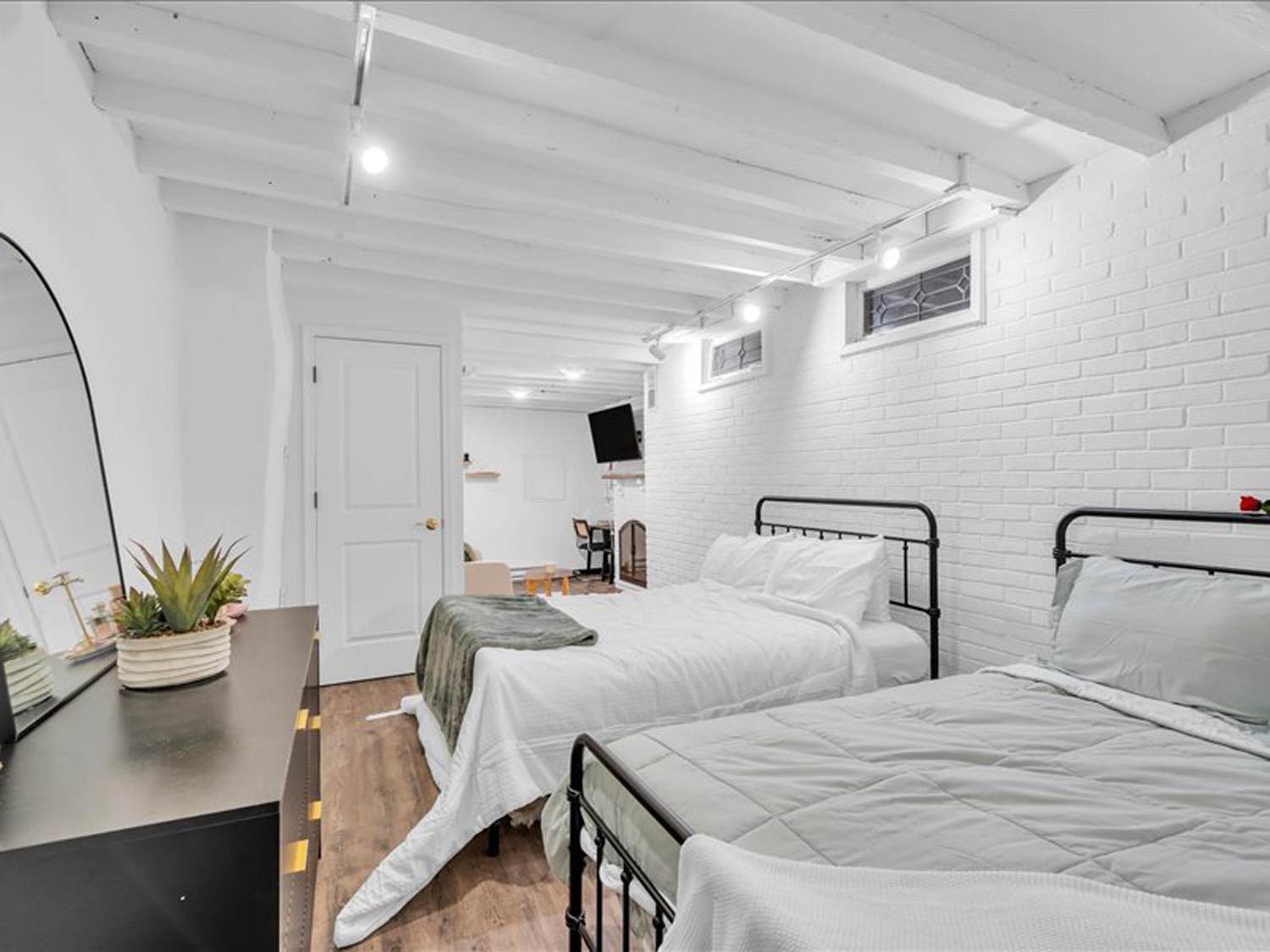
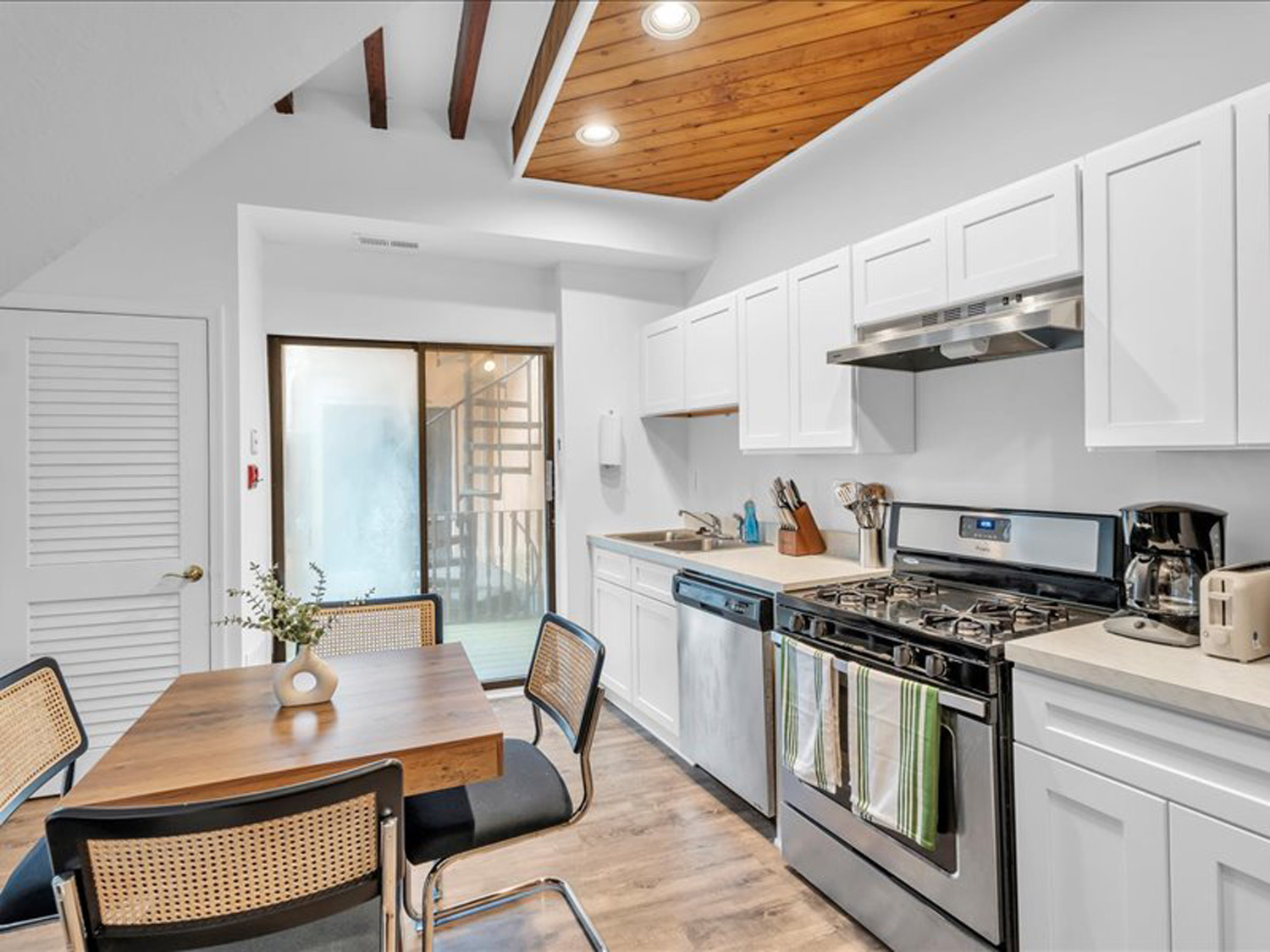
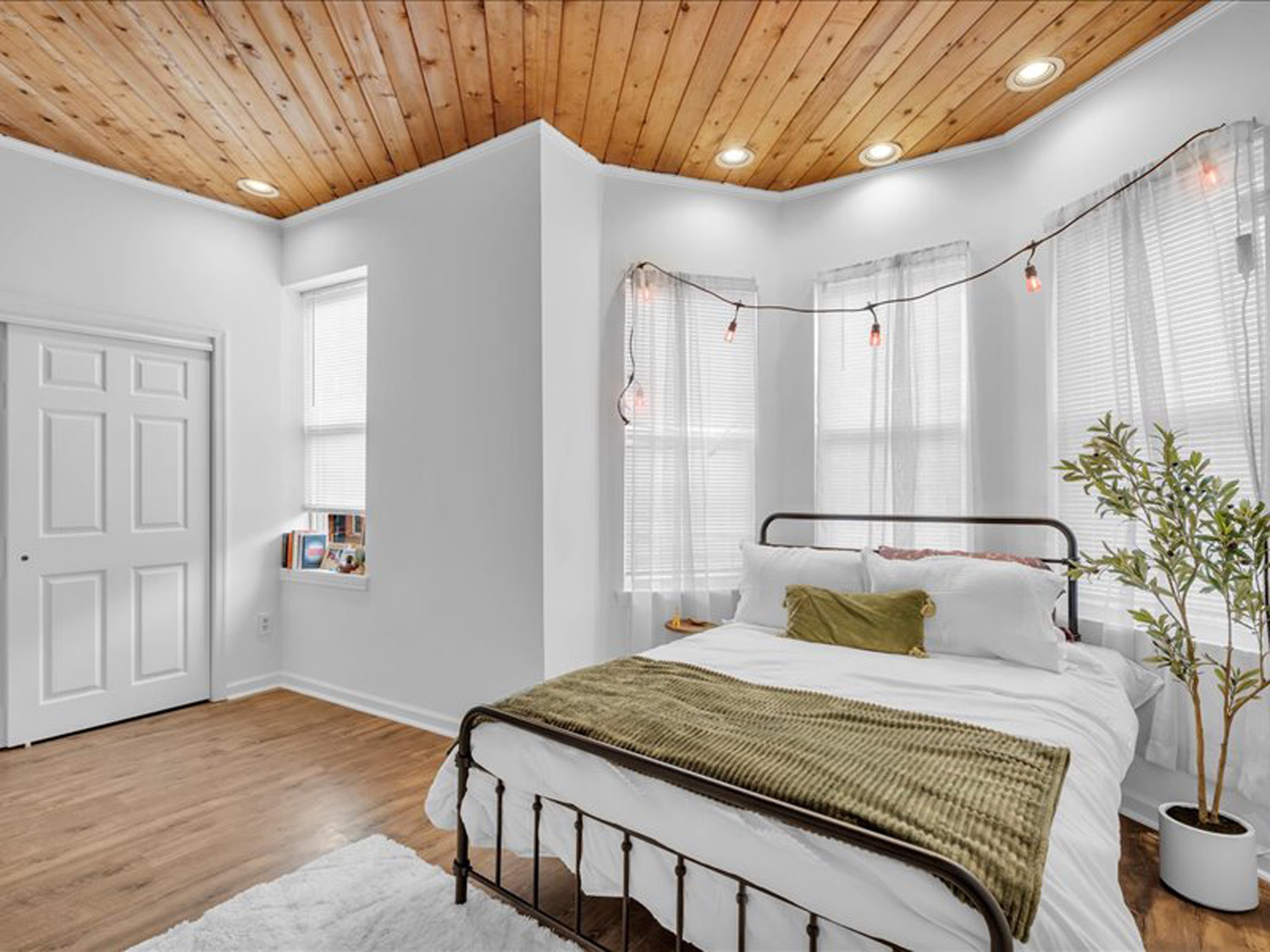
- Philadelphia is a leading recovery city, with one of the strongest sober living and recovery networks in the Northeast.
- Sober living homes provide structure, accountability, and community, helping residents transition from treatment to independent life.
- Public transportation and walkable neighborhoods make it easy to attend meetings, work, and appointments without a car.
- Inclusive and diverse recovery options serve LGBTQ+ individuals and culturally specific communities across the city.
- Affordable sober housing exists citywide, allowing people to focus on recovery without overwhelming financial stress.
- Strong employment opportunities in healthcare, education, public service, and corporate roles support long-term stability.
- Local data shows recovery housing improves outcomes, with residents nearly twice as likely to remain abstinent at discharge.
Continue Your Recovery Journey
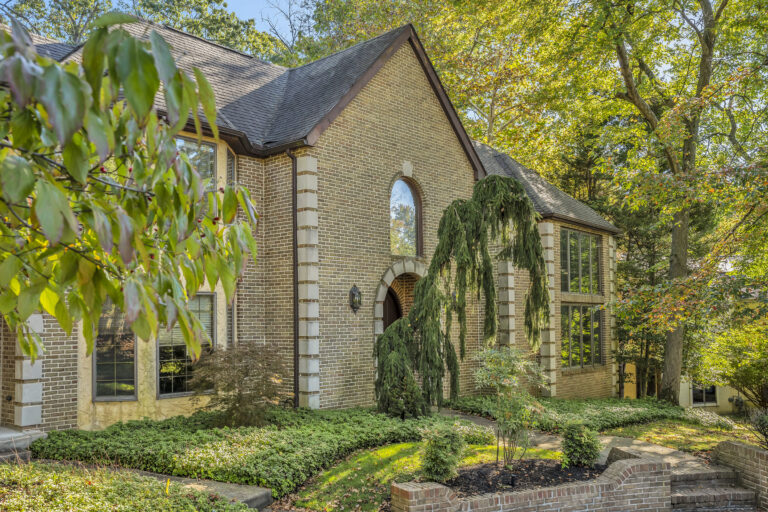
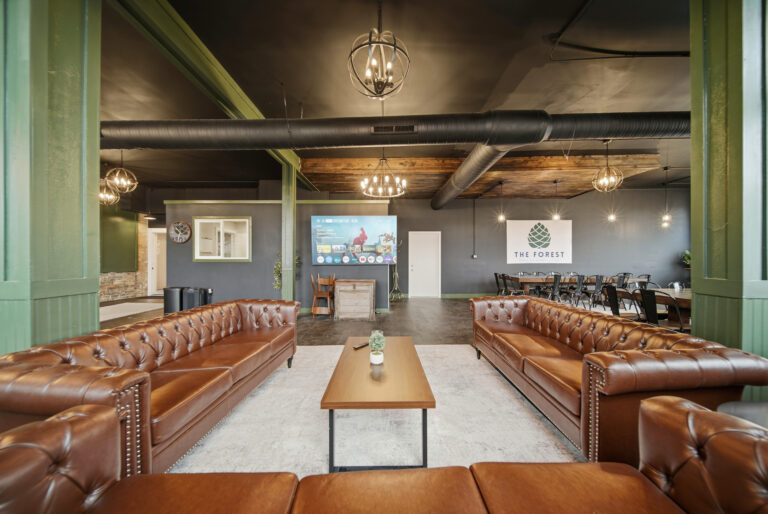
Addiction recovery doesn’t happen in isolation. It’s built through people, structure, and small steps that add up to real change. At The Forest, that’s what we focus on every day. Our sober living homes in Philadelphia, Berwyn, and Malvern give residents a safe place to grow, stay accountable, and reconnect with life one day at a time.
Each home has its own rhythm and personality, but all share the same foundation: steady support, respect, and genuine community. You’ll find people who understand the work it takes to rebuild and who show up for each other in the ways that matter.
If you’re ready to build something solid, something that lasts, we’re here. The Forest offers more than housing. It’s a place to rediscover who you are and to move forward with strength and purpose.
Frequently Asked Questions About Sober Living in Philadelphia, Pennsylvania
What’s the difference between sober living and rehab?
Rehab can be the first stage of healing. It’s a clinical, structured environment where your focus is primarily on therapy, medical services, and stabilization. Sober living is the next step. It’s where you practice what you have learned in areas like hygiene, routines, and life skills while staying committed to growth, accountability, and communication with others in recovery. Sober living is less clinical and more personal, and it is an environment that instills accountability and everyday structure.
Are there specialized sober living homes in Philadelphia?
Absolutely! In the City of Philadelphia, there are sober living options for men, women, LGBTQ+ people, and even pet and couple-friendly housing. All provide somewhat different environments, but they all share the same goal: helping residents rebuild their lives in a space that feels safe and supportive.
How long can someone stay in a sober living home?
There is no set time frame, although most people stay somewhere between 3 and 12 months. What counts is that you stay long enough to build some stability, find work, and create a support system. Some people will stay longer as they continue to grow in their recovery and independence.
What rules are typical in sober living programs?
Rules exist to provide accountability and safety for all. Most homes have house managers, curfews, conduct regular drug and alcohol testing, and expect residents to participate in house meetings, chores, and weekly house check-ins. The intention of these rules isn’t to control, but to provide structure that allows life to feel comfortable and stable again.
How can I tell if a sober home is safe and reputable?
A quality sober home will be open about its processes. Look for certification through Pennsylvania’s recovery residence programs or the National Alliance for Recovery Residences (NARR). When you visit a sober home, get a feel for the place by meeting the staff and talking with current or former residents. In Philadelphia, the Department of Behavioral Health and Intellectual disAbility Services (DBHIDS) provides oversight to ensure that homes meet high standards of care and safety.
Sources
[1] Higgins, D., & Laboy, C. (2025, February). Unintentional Drug Overdose Fatalities in Philadelphia, 2023 (CHART Vol. 9, No. 3). City of Philadelphia Department of Public Health. Retrieved from: https://www.phila.gov/media/20250604152641/CHARTv9e3.pdf. Accessed on October 15, 2026.
[2] Commonwealth of Pennsylvania, Department of Drug and Alcohol Programs. (2025, April 24). PA Halfway House Facilities (Revised 4/24/2025) [PDF]. Retrieved from: https://www.pa.gov/content/dam/copapwp-pagov/en/ddap/documents/halfway-houses/2025.04%20licensed%20hwhs%20in%20pa%20updated%20w.%20reset.pdf. Accessed on October 15, 2026.
[3] City of Philadelphia, Department of Public Health. (2025, April 29). Health Department releases reports on overdose crisis. Retrieved from: https://www.phila.gov/2025-04-29-health-department-releases-reports-on-overdose-crisis/. Accessed on October 15, 2026.
[4] Glass, L., Wiseman, J., Anderson, L., Omar, H., & Freedland, T. (2022). Recovery Residences and Improved Outcomes: The Association between R.I.S.E. and Clinical Outcomes (Research Brief No. 5). Center for Practice Transformation. Retrieved from: https://practicetransformation.umn.edu/wp-content/uploads/2022/05/ResearchBrief_5_Recovery_Residence_Outcomes.pdf. Accessed on October 15, 2026.