A Look Inside the Daily Structure and Support of Sober Living
The process of moving from treatment to independent living demands substantial work, but sober living facilities play an important role in helping an individual function successfully and safely during such a transition.
Moving into sober living homes is a true metamorphosis for many people in recovery as they grow accustomed to cultivating new habits, developing crucial relationships, and understanding what life looks like without addiction. Current research indicates that sober living homes, or recovery residences, are now among the most accessible and effective long-term supports for people recovering from substance use disorders.[1]
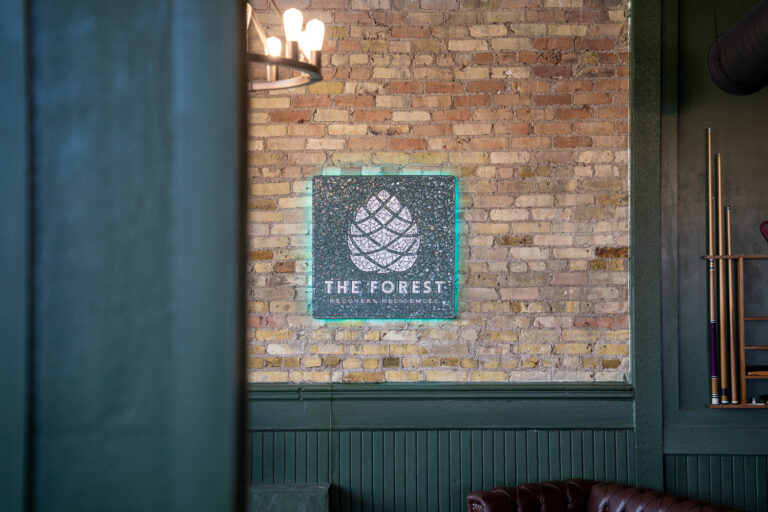
The Forest Sober Living offers an environment with structure rooted in accountability and supportive care. This guide will provide an overview of sober living, explain how The Forest is different from other sober living programs, and help you learn how to prepare for this phase of the recovery process.
The Purpose of Sober Living
The transition from treatment back into daily life can be one of the most vulnerable periods in recovery. You may have new coping tools but still feel uncertain about managing work, relationships, or stress on your own. Sober living fills that gap.
The purpose of sober living is to:
- Provide a safe, substance-free home with clear boundaries and accountability.
- Offer structure through routines, curfews, and community expectations.
- Encourage peer support — residents lift one another up through shared experience.
- Promote independence, helping you gradually reenter the world with confidence.
It’s where you practice what you learned in treatment: showing up, being responsible, and connecting with others, in a supportive space that’s designed for your success.
Daily Life in a Sober Living Home
Life in sober living is structured, but it’s also real.
You’ll find a mix of freedom and accountability with enough structure to keep you grounded, and enough independence to help you grow.
Here’s what a typical day might include:
- Morning routine: Wake up on time, make your bed, prepare breakfast, and get ready for work, school, or daily commitments.
- House meetings: Residents meet weekly to discuss responsibilities, share goals, and check in with each other.
- Work or volunteering: Most sober living residents are encouraged to find employment, attend school, or volunteer as part of rebuilding their independence.
- Recovery work: Attending support group meetings like Alcoholics Anonymous, Narcotics Anonymous, or aftercare therapy sessions.
- Evening connection: Cooking dinner, attending house events, or relaxing in a shared space with your peers.
Curfews and visitor guidelines vary by home, but all rules exist to protect the recovery of everyone in the house. The goal isn’t to control your life, it’s to help you build structure and consistency while you regain stability and confidence. Research supports that having consistent routines and peer support helps people successfully transition back into the community.[2]
Community and Connection
The strength of sober living lies in the connection to community. You’re surrounded by individuals who understand not only where you have been but also where you’re going. That type of connection can be transformative.
In most sober living homes, the inhabitants become a second family, sharing meals together, talking through challenges, celebrating milestones, and supporting one another when setbacks arise. These friendships can last long after departing the sober living home.
Structure and Support
Sober living homes thrive on structure. That doesn’t mean rigid schedules. It means having a set routine that supports your recovery and personal growth.
Typical forms of structure include:
- Regular house meetings to discuss progress and responsibilities.
- Curfews to maintain safety and accountability.
- Random drug and alcohol testing to protect the integrity of the home.
- Assigned chores and shared responsibilities that keep the environment healthy.
- Recovery expectations, like attending meetings or therapy regularly.
This balance of structure and independence helps residents rebuild discipline and trust — two things that often get lost during addiction. Studies have found that residents who stay longer in sober living environments experience stronger recovery outcomes, including improved abstinence rates and lower relapse risk.[3]
What Makes The Forest Sober Living Different
Every sober living home has the same mission: to assist and support individuals in continuing sobriety and rebuilding their lives. However, The Forest Sober Living is on another level. We have created something that feels less like a program and more like a home.
At The Forest, residents get more than just a place to stay. They experience encouragement, belonging, and purpose. Our intentional approach blends structure with authentic compassion, so individuals are given the space to learn and grow in their own time while also knowing they are never alone.
Here’s what makes The Forest Sober Living stand out:
A Supportive Environment
Our staff genuinely cares. We spend time with each resident to learn about their history, their aspirations, and what type of support they need. We help each resident develop their own aftercare plan that feels realistic, safe, and connected.
Comfortable, Welcoming Homes
Every Forest location in Arizona, Florida, New Jersey, Pennsylvania, and Wisconsin has clean comfortable living spaces, designed to be serene and uplifting. We created spaces designed for healing and dignity, so residents can focus on recovery without feeling institutionalized.
Connection to Resources
Recovery does not occur in isolation. Participants have access to local rehabilitative aftercare programs, therapeutic modalities, employment resources, and support groups to promote stability and connection. We ensure that every participant has a solid network in and out of the home.
Balance of Structure and Freedom
Our homes strike a balance between personal accountability and autonomy. House meetings, curfews, and shared responsibilities not only support recovery, but they also facilitate a sense of personal growth and independence.
Long-term Growth
The Forest is not just a place to get sober; it is a place to rebuild your life. We encourage education, work, and community involvement so that residents leave with purpose, self-assurance, and a plan.
Every aspect of The Forest experience is built around one objective: to help individuals transition from early recovery to lifelong stability. At The Forest, you aren’t just getting sober; you are learning to live, with support that grows with you.
Family Involvement
Individuals benefit from help from others to achieve their goals of recovery. And family members are often the most important individuals involved when an individual transitions into sober living.
The Forest encourages both positive communication and appropriate family involvement in the recovery process. Our sober living homes inform family members about their loved one’s progress and include educational workshops for family members to understand how to support those in recovry. Family involvement helps individuals rebuild their relationships through trust-based systems that protect their continued sobriety.
Insurance and Payment Options
One of the biggest questions people have about sober living is cost.
While sober living homes are typically more affordable than residential treatment programs, they are not covered by insurance because they’re considered supportive housing, not medical care.
However, at The Forest Sober Living, we understand that financial flexibility is important. We keep our homes affordable and transparent, with clear monthly rates and no hidden fees.
We also help residents explore payment options such as:
- Private pay or sliding scale fees
- Family or sponsor support
- Full and partial scholarship opportunities
If you’re transitioning from a rehab or outpatient program, our team can coordinate with your treatment providers to make the move as seamless as possible, both financially and logistically.
What You’ll Gain from Sober Living
Sober living isn’t just a place to stay; it’s a launching pad for a new life. Residents often leave with:
- Renewed confidence in their ability to live independently
- A strong network of peer support
- Healthy habits and daily routines that reduce relapse risk
- Improved communication and emotional stability
- A sense of purpose and direction in recovery
Every small step — from paying rent on time to showing up for a meeting — becomes part of a bigger transformation.
At The Forest Sober Living, we’ve seen how powerful this phase of recovery can be. With the right support, residents don’t just maintain sobriety; they build meaningful, drug-free lives filled with purpose, community, and hope.