Recovery is facilitated by strength, structure, and support, and it grows stronger in places that offer both peace and possibility. Asbury Park is one of those places. Known for its music and vibrant energy, Asbury Park is now a hub not just of renewal for its residents, but also of a culture of renewal. Between the boardwalk, creative culture, and robust recovery community, residents experience fresh hope in a serene environment with connection.
Asbury Park sober living homes embody accountability and independence. They offer the structure, support, and community needed for early recovery to rebuild trust in daily life while providing access to therapy, meetings, and the resources available in Monmouth County. If you are leaving an inpatient program, intensive outpatient program (IOP), or starting a new chapter, you can gain a new life in recovery from an Asbury Park sober living home.
This guide explains why Asbury Park is a good place for recovery, what to expect in sober living homes, and highlights many resources to support sustained healing along the Jersey Shore.
Why Choose Sober Living Houses in Asbury Park
Asbury Park blends a coastal setting with the determination of a community that’s learned how to rebuild. The city’s recovery landscape reflects that same spirit — steady, welcoming, and grounded in growth.
Accessibility and Support
Asbury Park’s location makes it one of the most connected spots on the Jersey Shore. The NJ Transit rail line runs directly to Newark, New York City, and other major employment and treatment hubs. Local bus routes and nearby highways keep therapy sessions, meetings, and outpatient programs within easy reach. That accessibility allows residents to maintain commitments while staying focused on recovery.
Affordability and Balance
Compared to North Jersey or New York City, housing in Asbury Park and surrounding areas is more manageable, making it easier to find stability while rebuilding financially. The city offers a balance of coastal calm and urban convenience — close to opportunity, but far enough from high costs and constant noise to stay grounded.
A Creative, Inclusive Community
Asbury Park has always welcomed people from every background. Its vibrant mix of artists, entrepreneurs, and long-time locals creates a recovery environment where diversity is a strength. The LGBTQ+ community plays a visible and celebrated role here, with local organizations and events that promote inclusion and connection — important qualities for anyone starting over.
Lifestyle and Recovery Environment
Living near the beach brings a sense of rhythm and calm that benefits recovery. The boardwalk and shoreline give residents places to walk, reflect, or simply breathe between responsibilities. The combination of ocean air, creative energy, and supportive community makes Asbury Park a unique place to rebuild a healthy life.
Diverse Housing Options
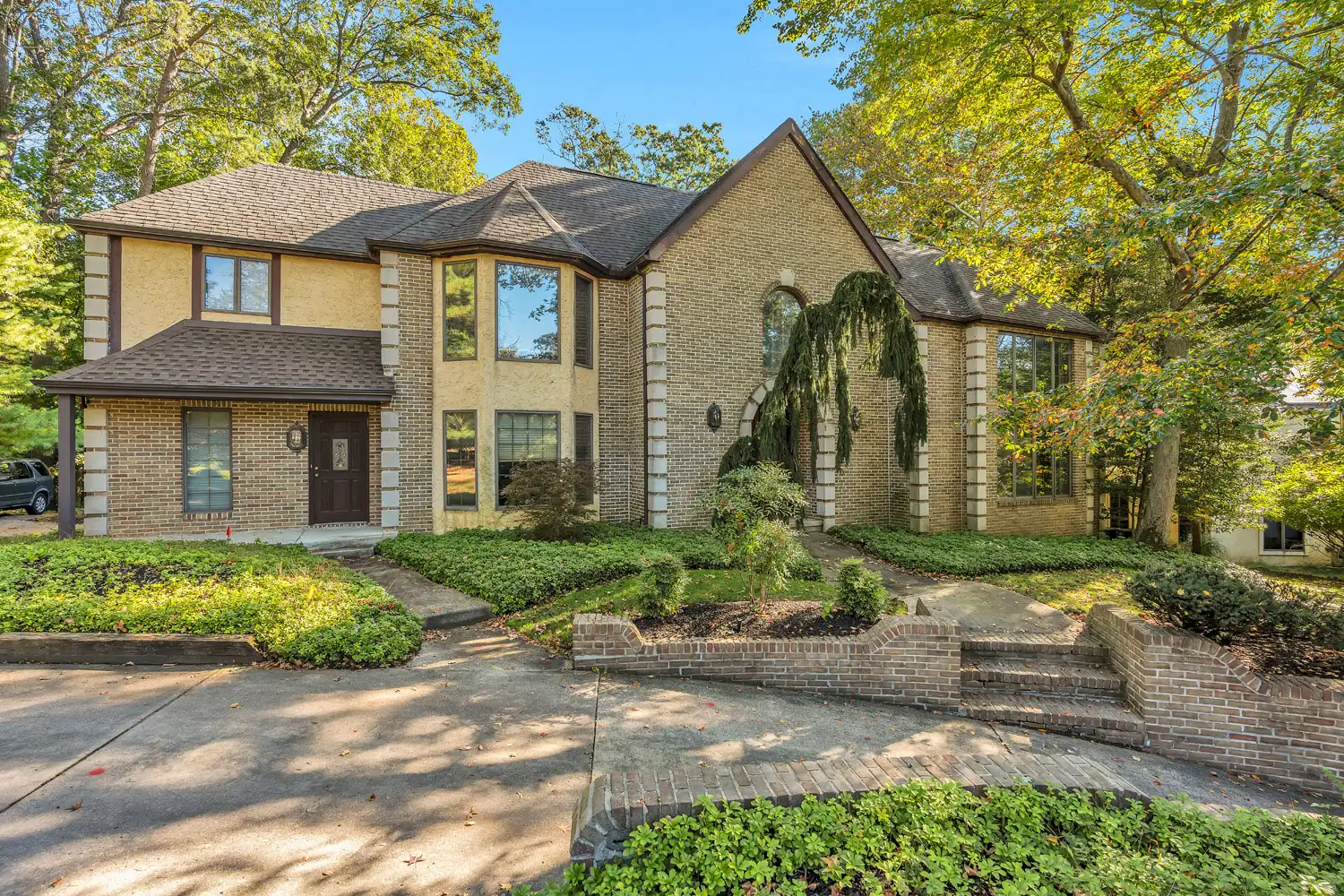
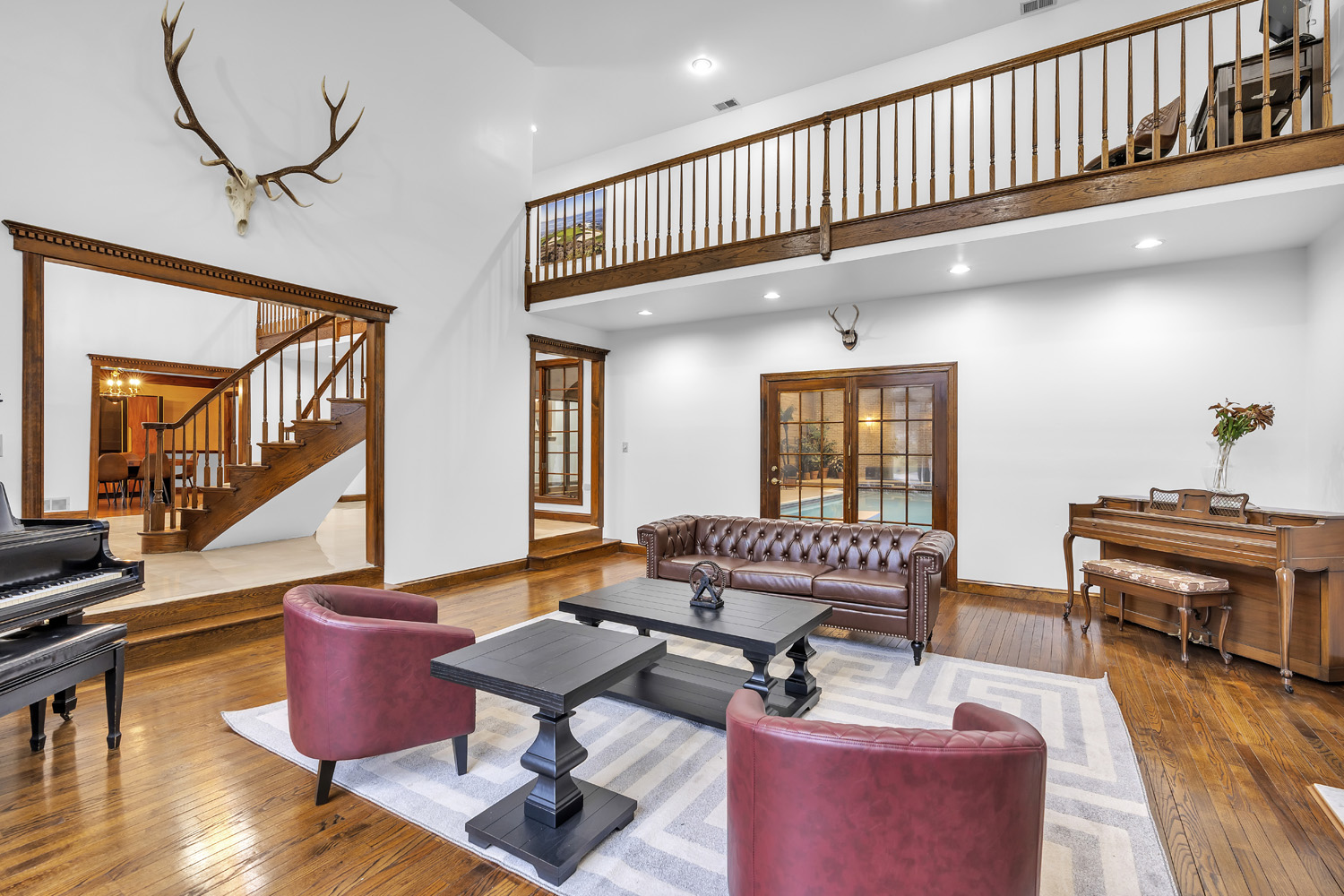
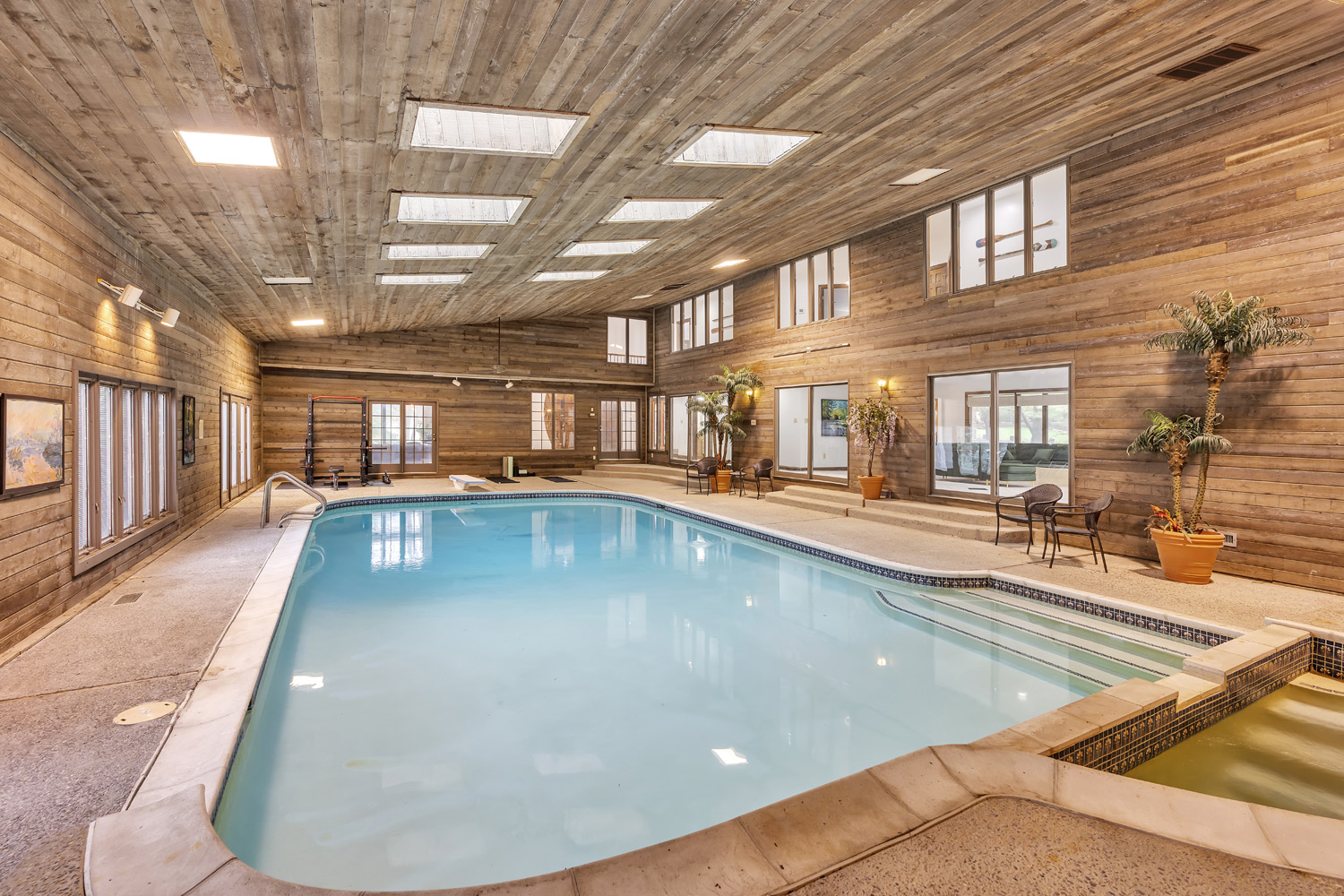
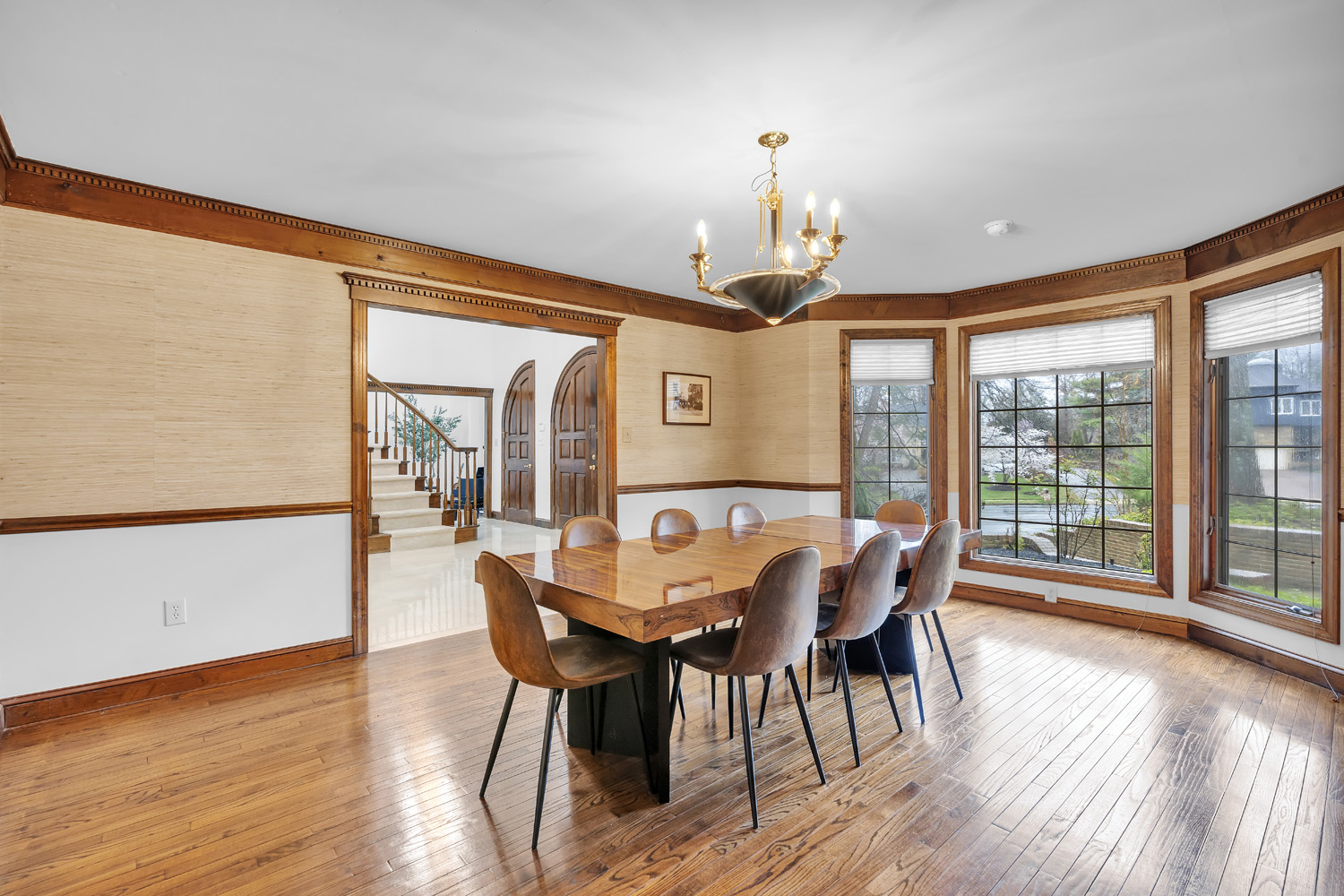
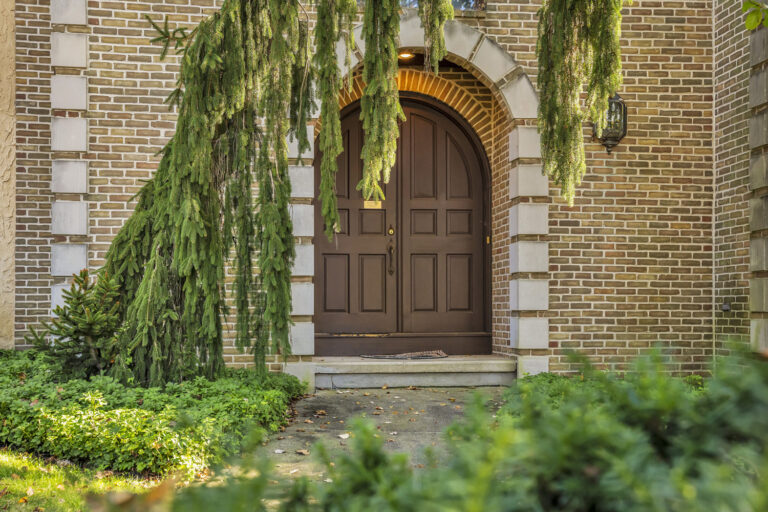
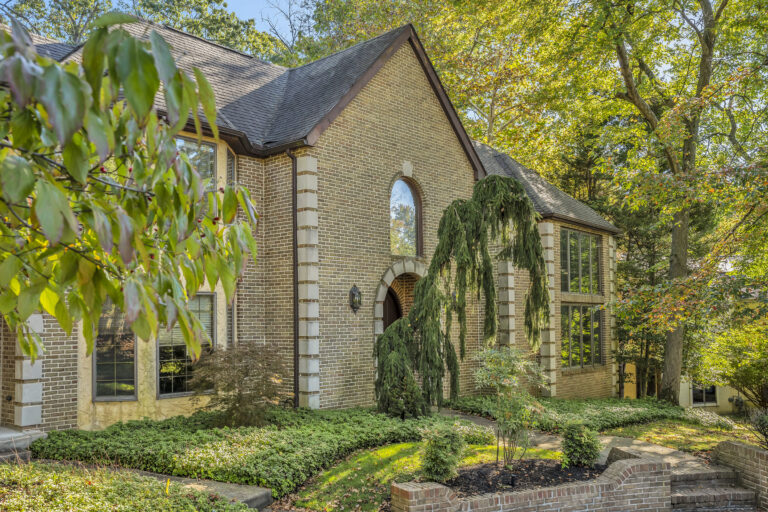
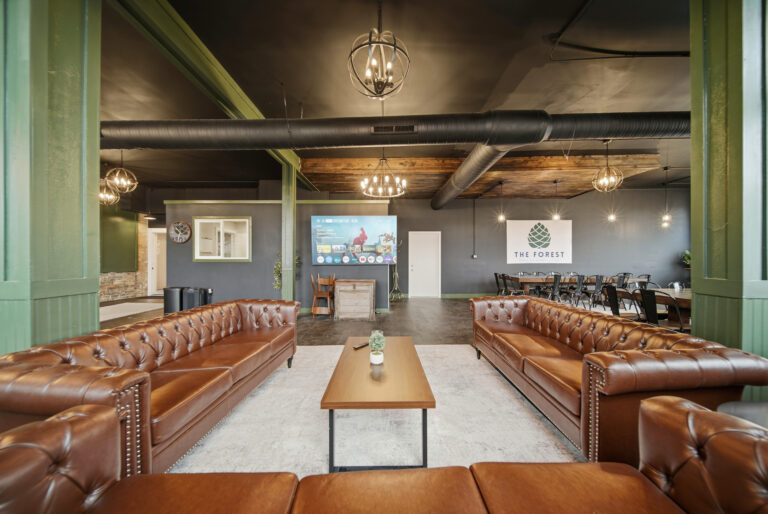
Sober living homes in Asbury Park range from shared recovery houses to upscale homes and apartments near the beach. Options include men’s and women’s homes, LGBTQ-friendly residences, pet-friendly sober living, and housing for couples. Each home offers accountability and comfort in neighborhoods that reflect Asbury Park’s inclusive character.
Employment Opportunities
Once known for its historic boardwalk and music culture, Asbury Park now offers a mix of supportive, steady-routine roles that help you anchor your day and rebuild confidently in recovery. Below are some of the biggest employers in the area:
- Hackensack Meridian Jersey Shore University Medical Center provides many non-clinical roles, including environmental services, transport, food service, facilities, and administrative support.
- City of Asbury Park hires for municipal positions such as public works, parks & recreation support, code enforcement assistance, customer service, and office administration.
- Monmouth Medical Center hires for steady roles in environmental services, food service, facilities, clerical support, and patient logistics.
- The Berkeley Oceanfront Hotel provides structured hospitality roles, including housekeeping, facilities support, maintenance, and back-of-house operations.
What to Expect in a Sober Living Home in Asbury Park
In Asbury Park, sober living houses allow individuals to develop consistency and trust while being a part of a healthy community.
Structure and Routine
Daily routines provide a foundation for success. Residents share chores, follow curfews, attend meetings, and participate in house meetings that develop communication skills and accountability. Regular drug and alcohol screens keep the setting safe and stable. Due to Asbury Park’s convenient location, residents can travel via NJ Transit or local transportation easily and access therapy, outpatient programs, or employment opportunities anywhere in Monmouth County.
Community and Accountability
When residing with others in recovery, the community takes group experiences and turns them into collective strength. Residents help one another with encouragement, accountability, and structure. Check-in times, shared responsibilities, and supporting each other create connection and trust. The recovery community in Asbury Park extends far beyond the residence itself, with local meetings, community clubs, and wellness events that allow residents to remain connected and not feel alone.
Continued Recovery Support
Sober living in Asbury Park connects treatment with sober living. Individuals in sober living will continue to attend therapy, engage in a 12-step or alternative program, and learn life skills necessary for maintaining sobriety. There are local health care services, such as Hackensack Meridian Jersey Shore University Medical Center in Neptune, which offers behavioral health services and treatment for drug addiction through inpatient and outpatient treatment programs. There are also outpatient and private practitioners in Monmouth County who offer services such as counseling, medication-assisted treatment, and holistic options.
Sober-Friendly Things to Do in Asbury Park, New Jersey
Asbury Park makes it easy to stay connected and inspired in recovery. From oceanfront walks to community art, there are countless ways to enjoy life substance-free. Below are some local favorites:
Asbury Park Boardwalk is a perfect place to walk, reflect, and feel part of the community. The beach and open ocean views bring calm and perspective any time of year.
Bradley Park and the city’s public recreation areas offer outdoor space for exercise, fresh air, and community events.
The Stone Pony is one of America’s most famous live music venues and hosts concerts and sober-friendly events throughout the year.
Parlor Gallery and the Asbury Park arts scene showcase local creativity through exhibits, murals, and public art walks that celebrate expression and resilience.
Asbury Fresh Farmers Market offers a weekly community gathering with local vendors and live music.
Paramount Theatre and Convention Hall host film screenings, plays, and cultural events that highlight the city’s historic character and community pride.
Health and Wellness in Asbury Park
Kur Wellness Studios offers yoga, massage, Ayurvedic treatments, and holistic services in a calming, spa-like environment that supports grounding and recovery.
Ebb+Flow features welcoming yoga classes for all levels, meditation, and massage to help you reconnect with movement and slow down stress.
Hot Yoga Revolution provides heated and non-heated classes focused on breath, strength and emotional release in a supportive studio setting.
TAO Massage offers therapeutic massage, floatation therapy, far-infrared sauna sessions and sensory-reduction treatments designed to reset the nervous system and build physical resilience in a calming space.
Local Substance Abuse and Recovery Stats
In Monmouth County, by 2021, alcohol and opiates/heroin were virtually tied as the lead primary drugs for people entering addiction treatment —each accounting for about 42 % of admissions.[1]
According to the 2023 Monmouth County Opioid Settlement Report, a key priority is strengthening treatment, recovery support services and linkage to care for individuals with opioid-use disorder.[2]
Monmouth County is classified among the top ten NJ counties with the highest rates of substance-use admissions, making it a priority region for expansion of recovery housing.[3]
New Jersey has invested over one million dollars in its 2023 Recovery Housing Program to establish two new recovery houses—each with the capacity to serve at least five individuals—in its highest-need counties, underscoring the importance of transitional housing in the recovery continuum.[3]
For individuals recovering from substance use disorders in New Jersey, the absence of stable housing significantly increases the likelihood of relapse and undermines efforts to sustain abstinence.[3]