Largo, FL Sober Living | Community-Based Recovery
Recovery in a Steady Gulf Coast Community
A Supportive Place to Continue Growing
Largo offers a steady beginning for people rebuilding their lives. The quiet neighborhoods, local parks, and strong recovery community help residents feel supported as they settle into healthier routines.
But, for many, the next step in their recovery is finding a place where they can continue growing with more focus, consistency, and connection.
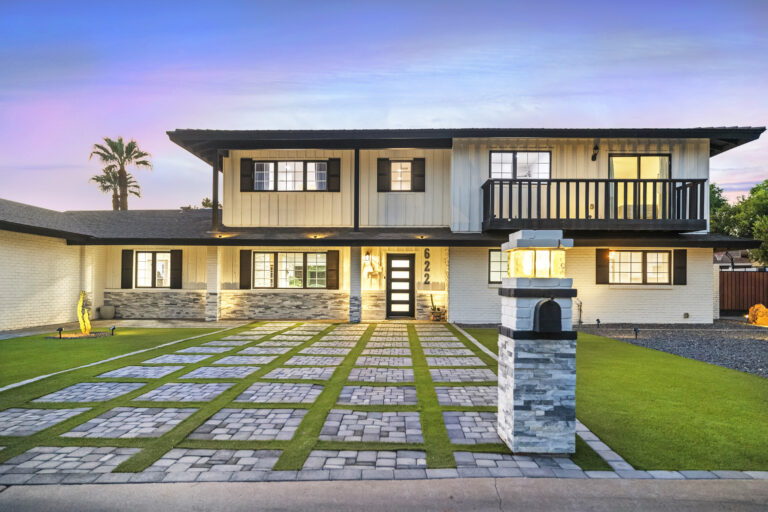
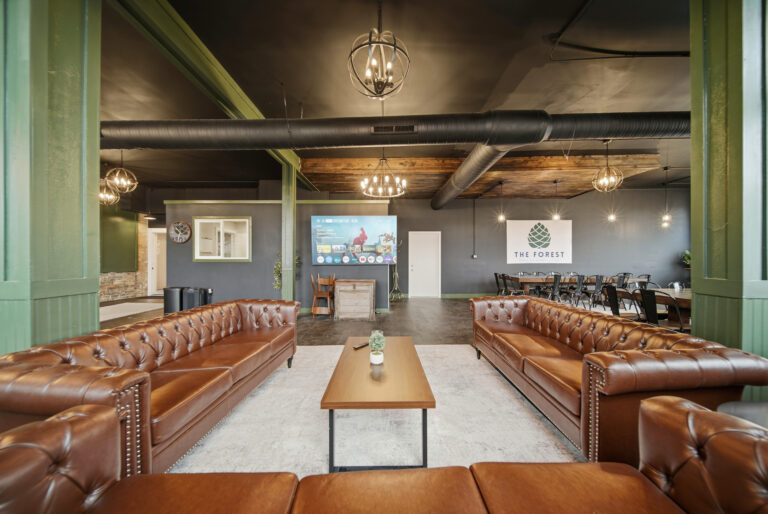
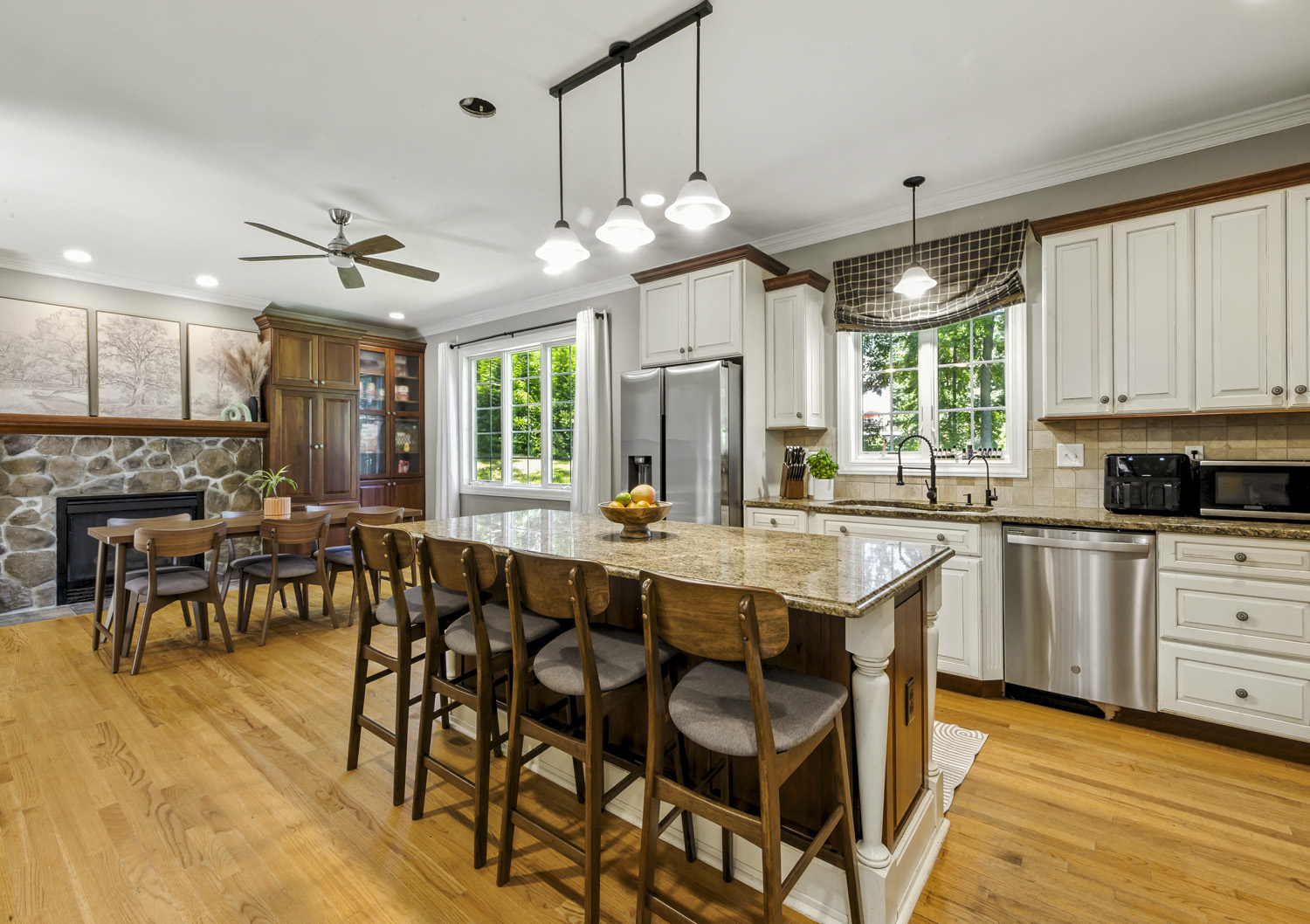
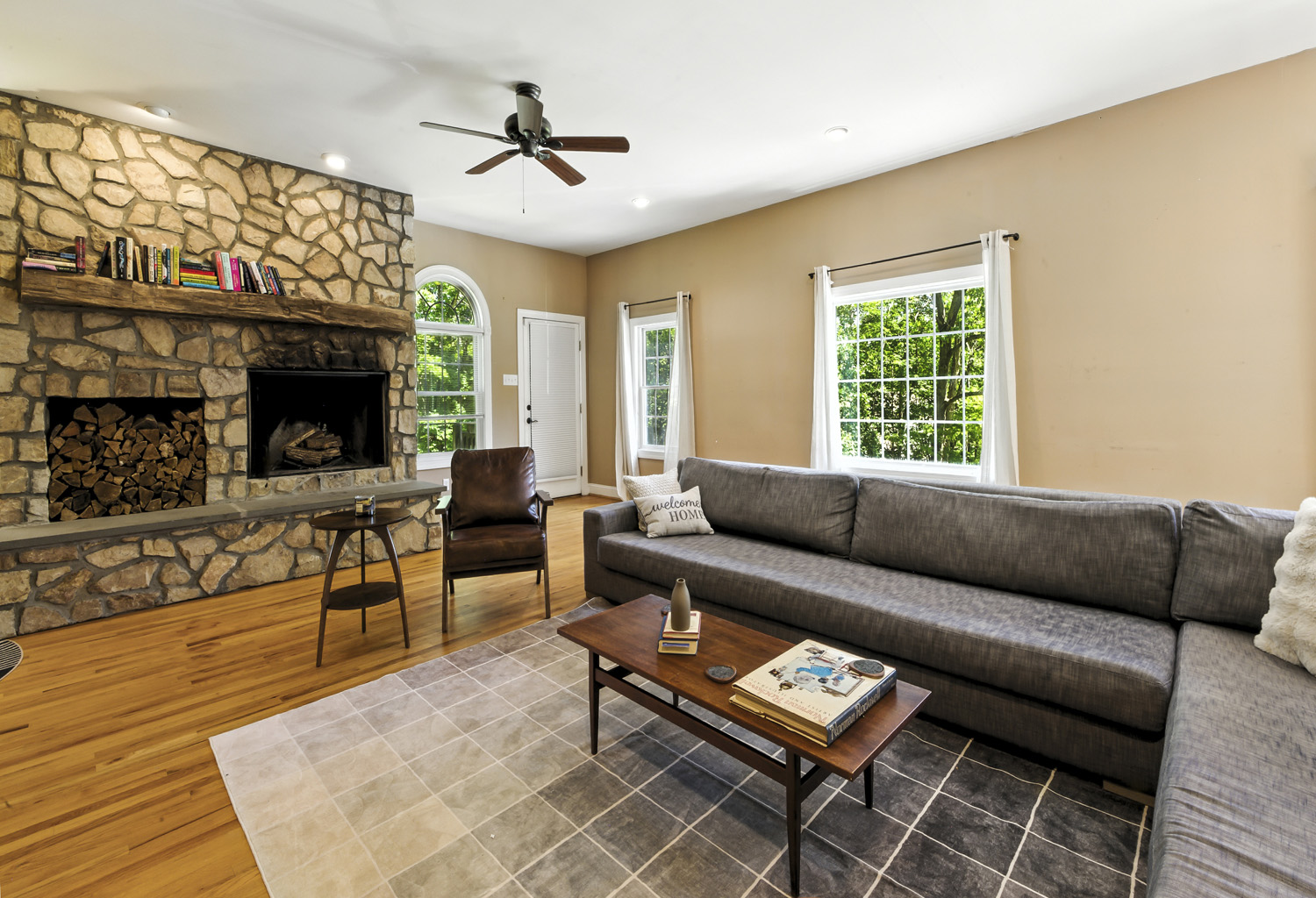
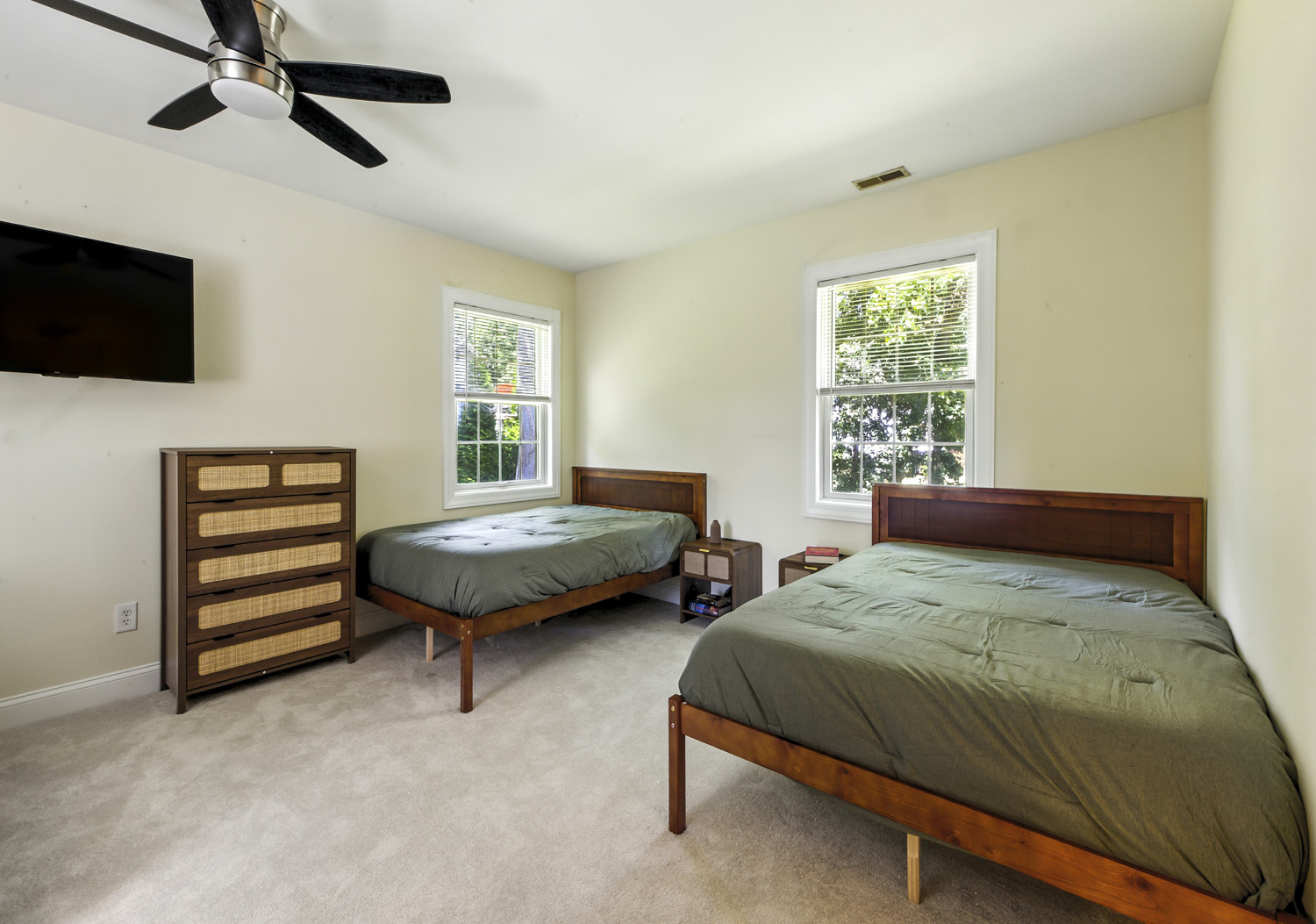
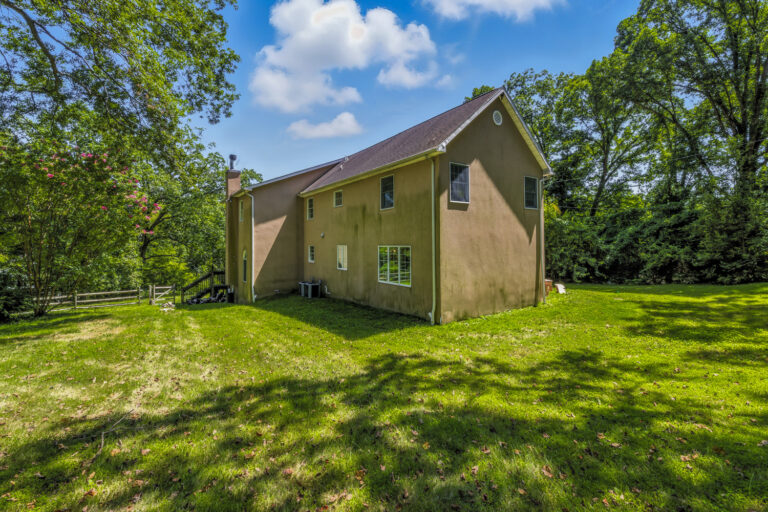
The Forest Sober Living in Lakeland gives people that space. It’s a calm, welcoming home where you can deepen the progress you’ve already made, build confidence in your daily habits, and stay surrounded by people who genuinely care about your recovery journey.
If you are ready for an environment that feels encouraging, grounded, and truly supportive, reach out today.
Frequently Asked Questions About Sober Living in Largo, Florida
What is a sober living home?
A sober living home is a structured, substance-free place where people can continue building stability after detox, residential treatment, or outpatient care. It gives residents a safe environment where they can practice daily routines, strengthen healthy habits, and receive ongoing peer support as they adjust back into everyday life.
How long do people stay?
Most residents stay between three and twelve months, but everyone’s recovery journey looks different. Some people stay longer because the structure and support help them feel more confident. The goal is not to rush you out but to make sure you feel grounded, steady, and ready for the next step.
Are there rules?
Yes. Curfews, house chores, meetings, and regular drug testing help keep the home safe and predictable for everyone. These guidelines aren’t meant to be restrictive. They exist so residents can build healthy habits, stay accountable, and feel supported throughout their time in sober living.
Can I work while living in sober housing?
Yes. Many residents work full time or part time. Largo and the surrounding Tampa Bay area offer plenty of job opportunities in customer service, healthcare support, logistics, and administrative roles. The schedules are usually manageable alongside outpatient treatment, meetings, and recovery routines.
Is treatment required?
Some sober living homes require ongoing outpatient treatment or therapy, while others simply encourage it. Many people choose to stay connected to counseling, behavioral therapy, medication-assisted treatment, or aftercare programs because it strengthens the recovery process and provides continued support.
Are there houses for men, women, LGBTQ residents, or couples?
Yes. Largo has a variety of sober living homes with different structures and focuses. You can find men’s homes, women’s homes, LGBTQ-friendly residences, pet-friendly options, and sober living homes for couples. Some homes also have onsite house managers for people who benefit from additional accountability.
What should I bring?
Most residents bring comfortable clothes, basic toiletries, personal items, important documents, and any approved medications. Many sober living homes share a simple packing checklist so you know exactly what to expect and can settle in comfortably.
How do I know if sober living is right for me?
Sober living may be a good fit if you want accountability, structure, and a supportive community while you build long-term sobriety. If the idea of moving straight into independent living feels too sudden or stressful, a sober living home gives you space to grow at a steady, healthy pace with people who understand what you’re working toward.
How do I know if sober living is right for me?
Sober living may be a good fit if you want accessibility to community, accountability, and structure as well as a safe place to continue your work in sober living house. It can be helpful for people who want a stable environment after treatment but feel taking more time will help them before moving into a permanent home.
Sources
- Florida Department of Health. (2025). Adult substance abuse program enrollees (aged 18 years and older) — Pinellas County [Data set]. FLHealthCHARTS. https://www.flhealthcharts.gov/ChartsDashboards/rdPage.aspx?cid=8723&rdReport=NonVitalIndNoGrpCounts.TenYrsRpt
- Florida Department of Health. (2025). Adult substance abuse beds — rate per 100,000, adult (18 +) — Florida [Data set]. FLHealthCHARTS. https://www.flhealthcharts.gov/ChartsDashboards/rdPage.aspx?cid=321&rdReport=NonVitalIndNoGrp.Dataviewer
- Florida Department of Health. (2025). Substance Use Dashboard Overview — Pinellas County [Data set]. FLHealthCHARTS. https://www.flhealthcharts.gov/ChartsDashboards/rdPage.aspx?islCounty=52&rdReport=SubstanceUse.Overview