Recovery is not about starting again, but about establishing different and better structures to build something stronger. Pittsburgh understands this resilience. It is a city of grit and hard work, resilient as it has transformed from a steel city to a leading-edge city while being deeply rooted in community. It is this idea of change, combined with a feeling of authenticity, that makes Pittsburgh a powerful place for recovery from substance use.
Pittsburgh sober living homes provide structure, accountability, and real support for people to regroup and reconnect to their lives. The stability of solid neighborhoods, availability of resources, and shared recovery community provided in the city honor connectedness as people grow.
In this guide, we will explore the ways Pittsburgh is a powerful recovery community, what sober living looks like in practice, and local resources to support people rooted while they grow.
Why Choose Sober Living in Pittsburgh?
Pittsburgh brings together everything recovery needs: community, opportunity, and balance. It’s a city that has rebuilt itself with care while staying true to its roots, making it a meaningful place to start again.
Neighborhoods with Connection
Pittsburgh feels big but lives small. Each neighborhood—Lawrenceville, Polish Hill, Squirrel Hill, Mount Washington—has its own rhythm and sense of community. People look out for each other here, creating the kind of support that makes recovery feel personal and lasting.
Affordable Living
For a major metro area, Pittsburgh remains surprisingly affordable. Housing and everyday expenses stay within reach, allowing residents to focus on recovery without constant financial strain. Stability feels possible here, even while you work toward long-term goals.
Strong Recovery Network
The city’s recovery community is active, connected, and deeply established. With a wide network of meetings, treatment providers, and outpatient services, support is always close. UPMC’s behavioral health programs and Allegheny County’s Department of Human Services provide trusted care throughout every stage of recovery.
Nature and Balance
Three rivers meet in downtown Pittsburgh, surrounded by green hills, waterfront parks, and peaceful trails. Spots like Frick Park and the Three Rivers Heritage Trail offer space to stay active and reflect. It’s easy to find quiet moments of balance even in the heart of the city.
Diversity and Inclusion
Pittsburgh’s diversity helps make recovery accessible for everyone. The city’s large LGBTQ+ community, especially in neighborhoods like Shadyside and Lawrenceville, adds to an atmosphere of openness and inclusion. Across the city, people from all backgrounds come together with the shared goal of living healthy, connected lives.
Sober Living Options
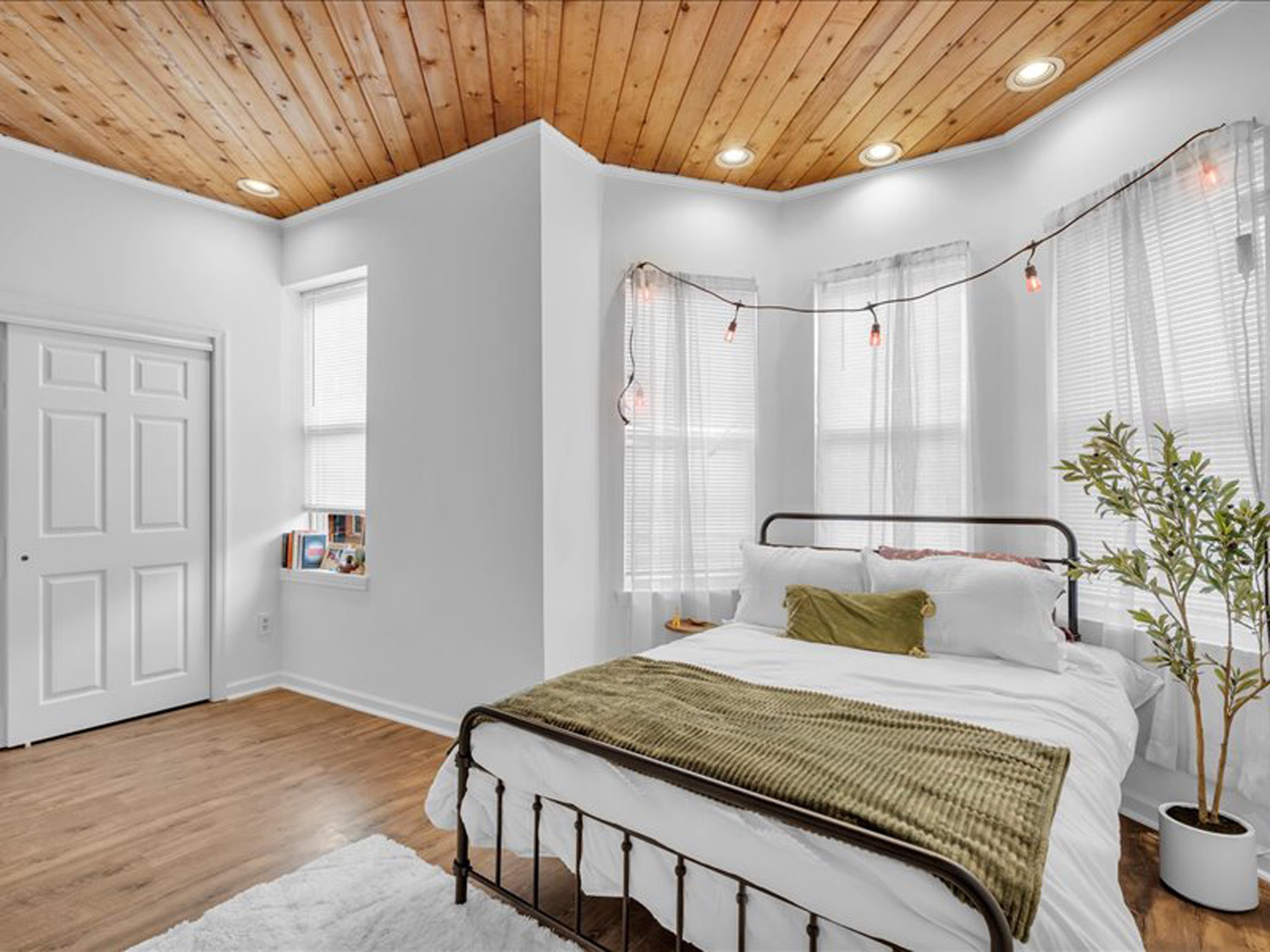
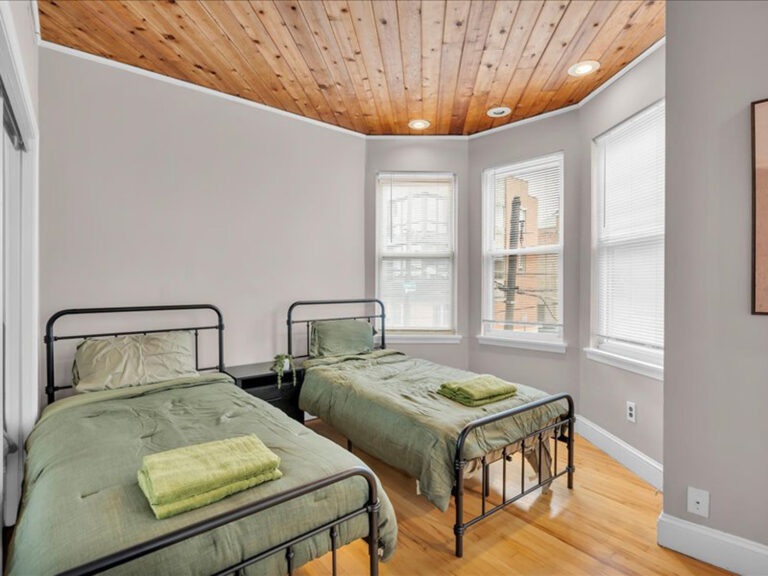
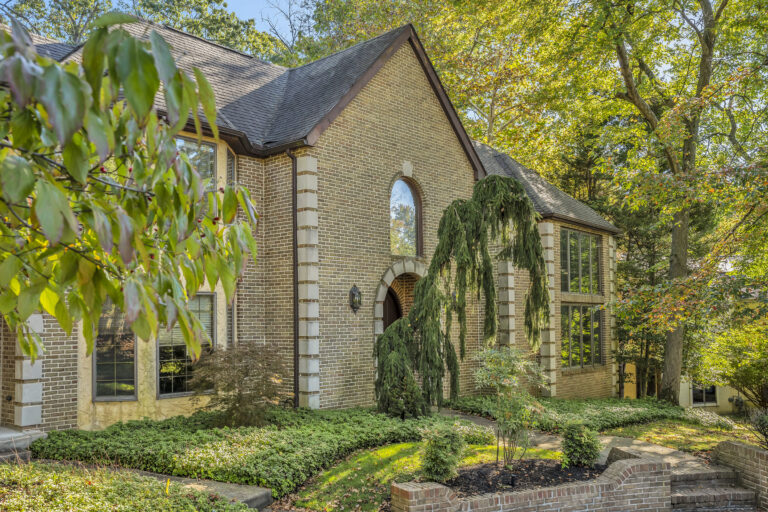
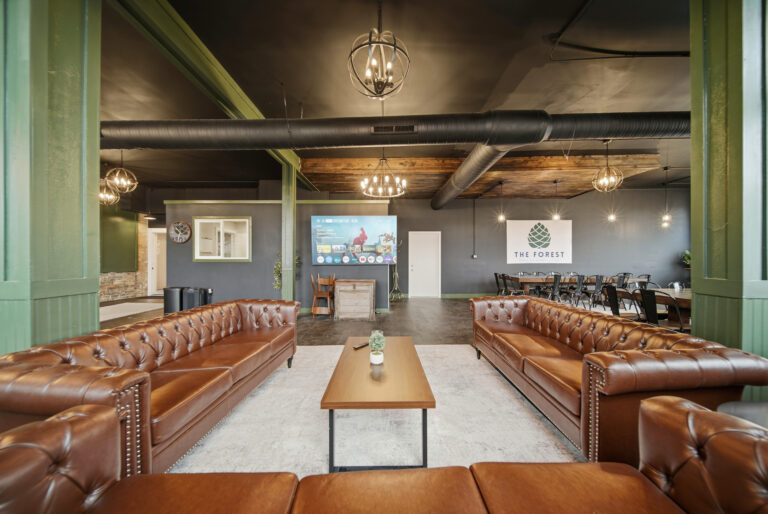
Sober living homes in Pittsburgh match the city’s variety. Men’s and women’s homes, LGBTQ-friendly residences, pet-friendly housing, and homes for couples are all available within a range of neighborhoods and price points. Each one offers structure, comfort, and community to support recovery at every stage.
Employment Opportunities
Once known for its steel industry, Pittsburgh now offers a job market full of supportive, “steady-routine” roles that help you anchor your day and grow confidently in recovery. With employers in healthcare, education, tech support, public service, and operations, there are paths that match different stages of rebuilding. Below are some of the biggest employers in the area:
- UPMC (University of Pittsburgh Medical Center) provides many non-clinical roles like food service, environmental services, patient transport, facilities, and office support across its large hospital system.
- City of Pittsburgh hires for municipal roles including parks & recreation, public works, customer service, and office support—safe, structured jobs to help you build routine.
- University of Pittsburgh offers non-teaching jobs like facilities, dining services, custodial, and general office operations on campus.
- Allegheny Health Network hires for roles in hospital support, customer service, logistics, and environmental services in the region—good options for reliability and growth.
- Pittsburgh Mercy gives access to roles in care support, facilities, administrative operations, and wellness services in a mission-oriented environment.
What to Expect in a Sober Living Home in Pittsburgh
Sober living in Pittsburgh allows individuals to reconstruct their lives with structure and support. It is not about perfection but rather about establishing daily routines that keep recovery and life progressing.
Structure and Routine
Every sober living home adheres to a routine that helps restore order to life. House members assume shared responsibility for chores and upkeep, attend recovery meetings, and comply with house rules and regulations that foster a sense of safety and predictability. Many homes also encourage, but do not mandate, 12-step or alternative programs and use drug or alcohol testing to help programs instill individual accountability in recovery. The bus and light rail systems throughout Pittsburgh provide a convenient way to get to work, treatment, and meetings without worrying about driving.
Community and Accountability
Having people in your life who know what you’re working toward creates natural support and accountability, which are extremely important components of recovery. House meetings give you a chance to talk candidly, work through challenges, and stay connected. In the city of Pittsburgh, recovery is at your fingertips, with many opportunities to connect with others who share your values and vision. You’ll find those connections in every neighborhood, from informal meetups to established recovery groups.
Continued Recovery Support
Most residents continue to advance in therapy, work, or school while living in sober housing. Many houses support job searching, resume editing, or transportation planning so that you can build stability in a stepwise fashion. Pittsburgh has one of the strongest behavioral health systems in the state, with UPMC and Allegheny Health Network providing behavioral healthcare for every level of need. The Persad Center supports LGBTQ+ individuals, and community health clinics offer accessible options for additional care. In this city, you won’t have trouble finding recovery care; it’s part of the rhythm of everyday life.
Sober-Friendly Things to Do in Pittsburgh, Pennsylvania
Pittsburgh makes it easy to stay active and connected without losing focus on recovery. The city’s mix of parks, art, and local energy creates space for reflection, creativity, and community connection. Here are a few local favorites:
The Three Rivers Heritage Trail follows the water through the heart of the city, offering scenic paths for walking, running, or biking.
Frick Park provides miles of wooded trails and quiet places to recharge close to home.
At Point State Park, the convergence of Pittsburgh’s three rivers offers open space, history, and stunning views of the city skyline.
The Carnegie Museums of Pittsburgh—including the Museum of Art and Museum of Natural History—offer world-class exhibits that inspire reflection and curiosity.
The Strip District brings together local markets, coffee shops, and community spaces that feel lively but relaxed.
The Carnegie Library of Pittsburgh offers welcoming spaces across the city for reading, learning, and connecting in a calm environment.
Health and Wellness in Pittsburgh
Free Will Health & Wellness is a functional fitness studio offering inclusive and equitable workouts in a supportive community space.
Nourish & Move provides integrative care including acupuncture, massage therapy, somatic healing and yoga for whole-person recovery.
MindBody Yoga + Barre features yoga, barre, massage, and reiki classes designed to support movement, balance and stress relief.
Honor Your Body Wellness offers personalized therapeutic massage services that help reduce stress, release tension and support physical wellness.
Elements Counseling & Wellness Spa blends holistic wellness services—such as somatic therapy, yoga, and massage—with mental-health support in an inclusive setting.
Local Substance Use & Recovery Stats
From January–August 2024, Allegheny County recorded 301 fatal overdoses, a 35% decrease from 466 during the same period in 2023.
A new county-funded Recovery Housing site will serve 200 people per year, supported by $776,554 in opioid-settlement funding.
Each year, 10,000+ Allegheny County residents visit emergency departments for overdose or other SUD-related medical needs — a key point for rapid referral to treatment.[3]