Sober Living in Jacksonville, FL | Housing & Healthy Living
Recovery in a North Florida City Built Around Routine and Community




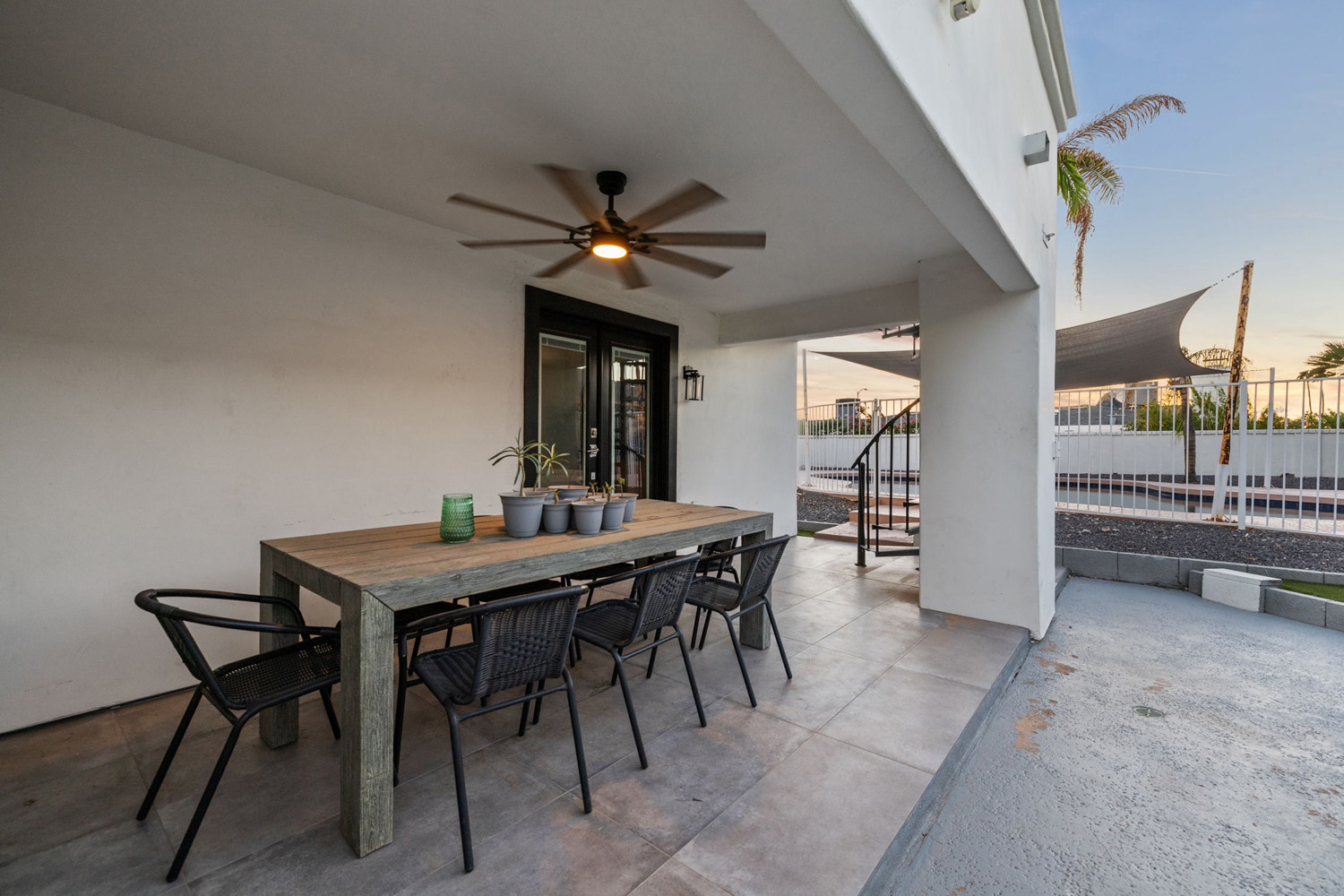
A Fresh Environment to Support Your Next Chapter
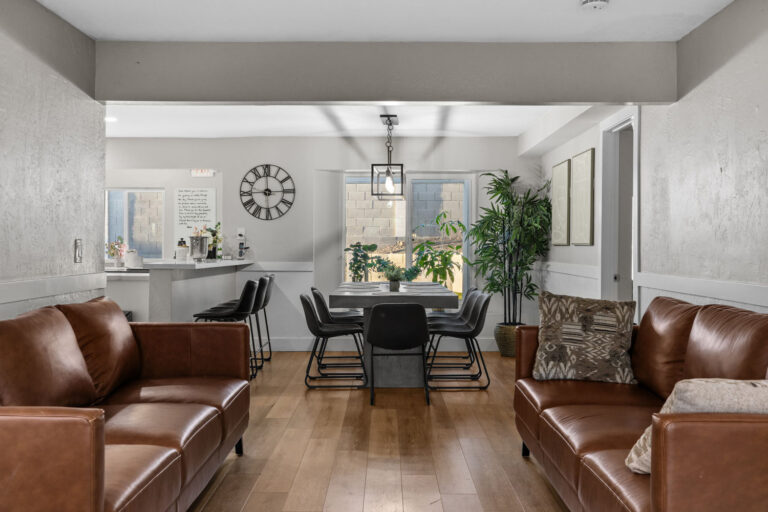
Jacksonville offers a steady foundation for early recovery. The quiet neighborhoods, local parks, and strong recovery community help people feel centered as they begin rebuilding their lives. For some, the next step involves creating a little distance from familiar routines so they can focus more deeply on growth and stability.
That is why many people choose The Forest Sober Living in Lakeland. It provides a calm, supportive place to build new habits, practice healthy structure, and continue healing with a community that understands the recovery journey.
If you are ready for a home that helps you stay grounded and move forward with confidence, reach out today.
Frequently Asked Questions About Sober Living in Jacksonville, Florida
What is a sober living house?
A sober living house is a nurturing, structured home for people who are learning to navigate early recovery after completing detox, residential treatment, or outpatient care. Residents can use sober living as a bridge, helping them build routines, and life skills, and stay connected to peer support.
How long do people usually stay in sober living?
Most residents stay between three and twelve months, though sometimes people stay longer to benefit from more stability. Residents choose how long to live in sober housing based on personal goals, how their recovery is progressing, and how much extra support they believe they need to be successful living independently.
Do sober living homes in Jacksonville require treatment attendance?
Many sober living homes prefer or require residents to continue outpatient counseling, therapy, case management, or medication assisted treatment. Being in Jacksonville makes the resources you might want to stay connected to more accessible, with local providers, support groups, and recovery resources close to sober housing neighborhoods.
Are there curfews and house rules?
Yes, sober living homes have curfews, weekly meetings, house rules and chores, drug testing, and accountability expectations. These help create a steady environment for everyone, as the guidelines exist to support recovery and watch over everyone who lives there as well.
Can I work while living in a sober living home?
Absolutely. Many people in sober living work full or part time. Jacksonville has a strong job market, especially for healthcare workers, people on the sales and customer service side, and workers in logistical, distribution, and public services jobs. Reliable public transportation through JTA helps residents get where they’re going without needing a vehicle.
Are there sober living homes for women, men, couples, and LGBTQ residents?
Yes. Jacksonville has a variety of housing types, including men’s homes, women’s homes, LGBTQ friendly homes, pet friendly homes, couples homes, and many styles and levels of community, structure, and accountability.
What should I bring when moving into a sober living home?
Most people live out of a suitcase when they first arrive and bring their clothing, basic toiletries, and important documents. Some places ask that residents leave personal luggage like comforters, sheets, and decorations for their own privacy. Many sober living homes have a simple packing checklist to get you started.
Is sober living the same as treatment?
No. Sober living is not formal treatment. Instead, sober housing is a stable home environment to support the work people have done while learning in therapy or outpatient care. Often residents continue treatment while living in sober housing so they can practice the new skills on their own in a real-world setting.
How do I know if sober living is right for me?
Sober living may be a good fit if you want accessibility to community, accountability, and structure as well as a safe place to continue your work in sober living house. It can be helpful for people who want a stable environment after treatment but feel taking more time will help them before moving into a permanent home.
Sources
[1] Florida Department of Health in Duval County. (2021). 2021 Duval County Overdose Data. Retrieved from: https://duval.floridahealth.gov/programs-and-services/wellness-programs/od2a-overdose-data-to-action/data-and-research/. Accessed on October 15, 2026.
[2] Jacksonville City Government. (n.d.). Opioid Settlement Proceeds Grants Program – Duval County. Retrieved from: https://www.jacksonville.gov/departments/boards-and-commissions/opioid-settlement-proceeds-grants-program. Accessed on October 15, 2026.
[3] Ponson, S. (2023, September 8). Feds help Duval fight rash of opioid deaths. Jacksonville Today. Retrieved from: https://jaxtoday.org/2023/09/08/feds-help-duval-fight-rash-of-opioid-deaths/. Accessed on October 15, 2026.
[4] Florida Housing Finance Corporation & Ability Housing. (n.d.). The Solution That Saves: Evaluation of Permanent Supportive Housing in Duval County, Florida. Retrieved from: https://www.floridahousing.org/docs/default-source/programs/special-programs/florida-high-needs-high-cost-pilot/duval-county-village-on-wiley-ability-housing-inc.pdf. Accessed on October 15, 2026.