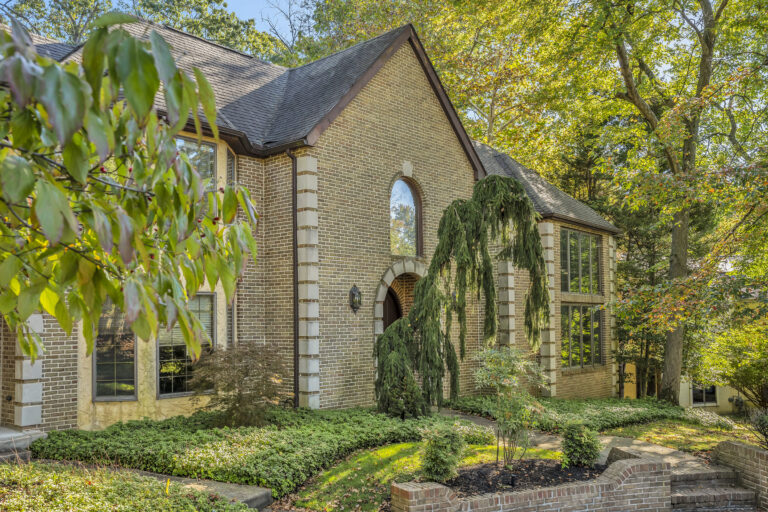
Local Guide to Sober Living in Upper Darby Township, Pennsylvania
Find Safe, Supportive Recovery Housing in the Heart of Delaware County
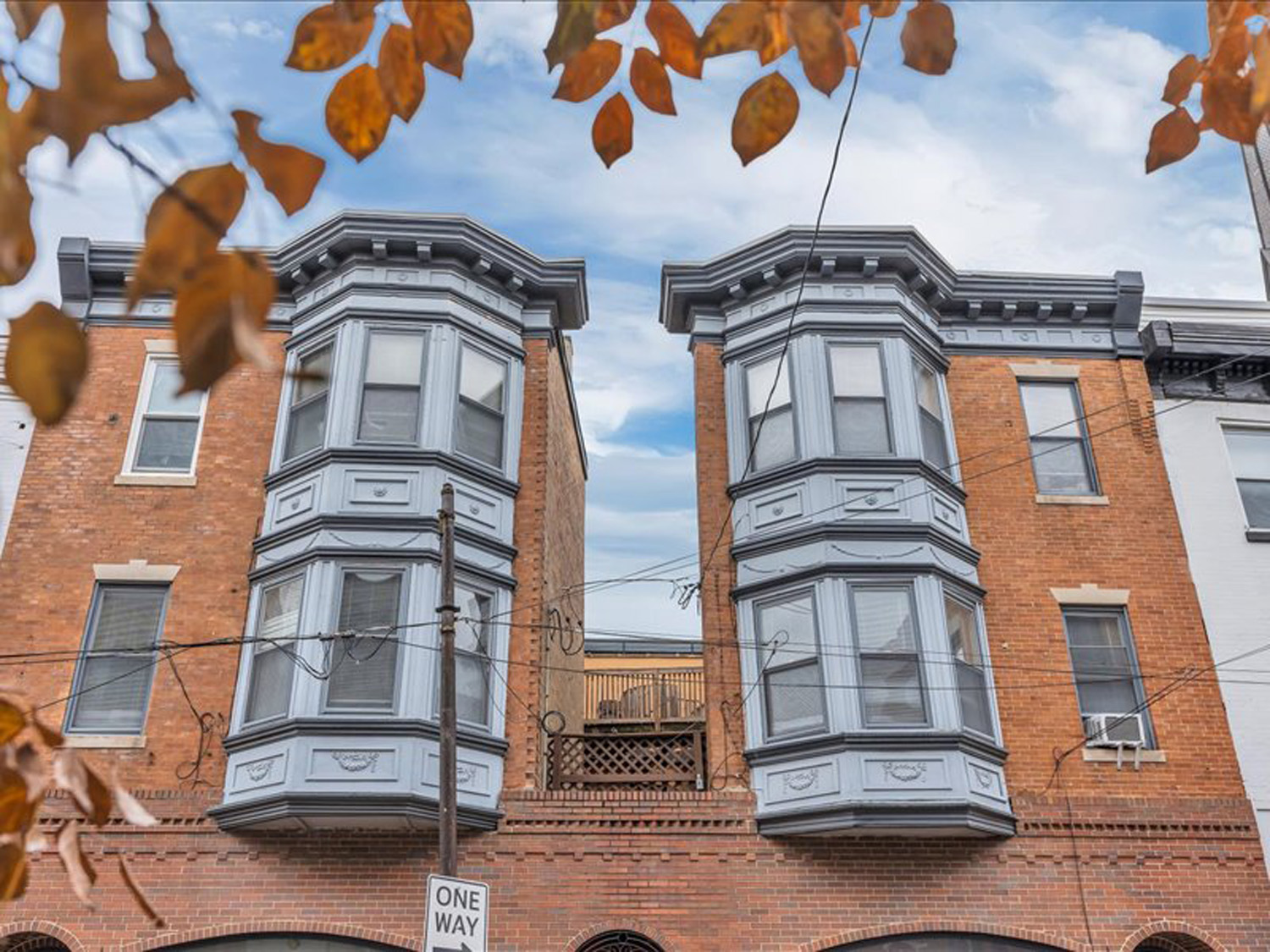
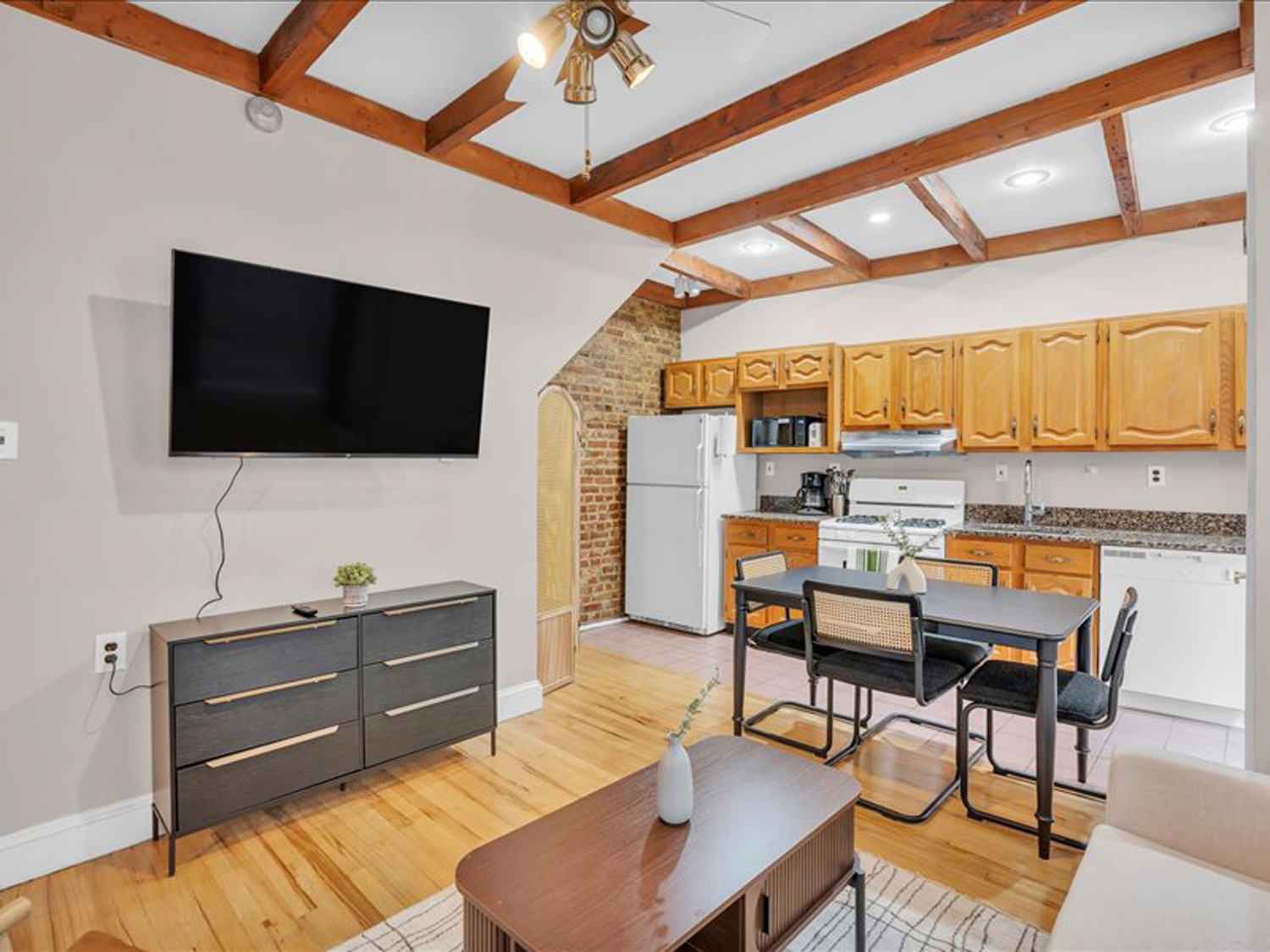
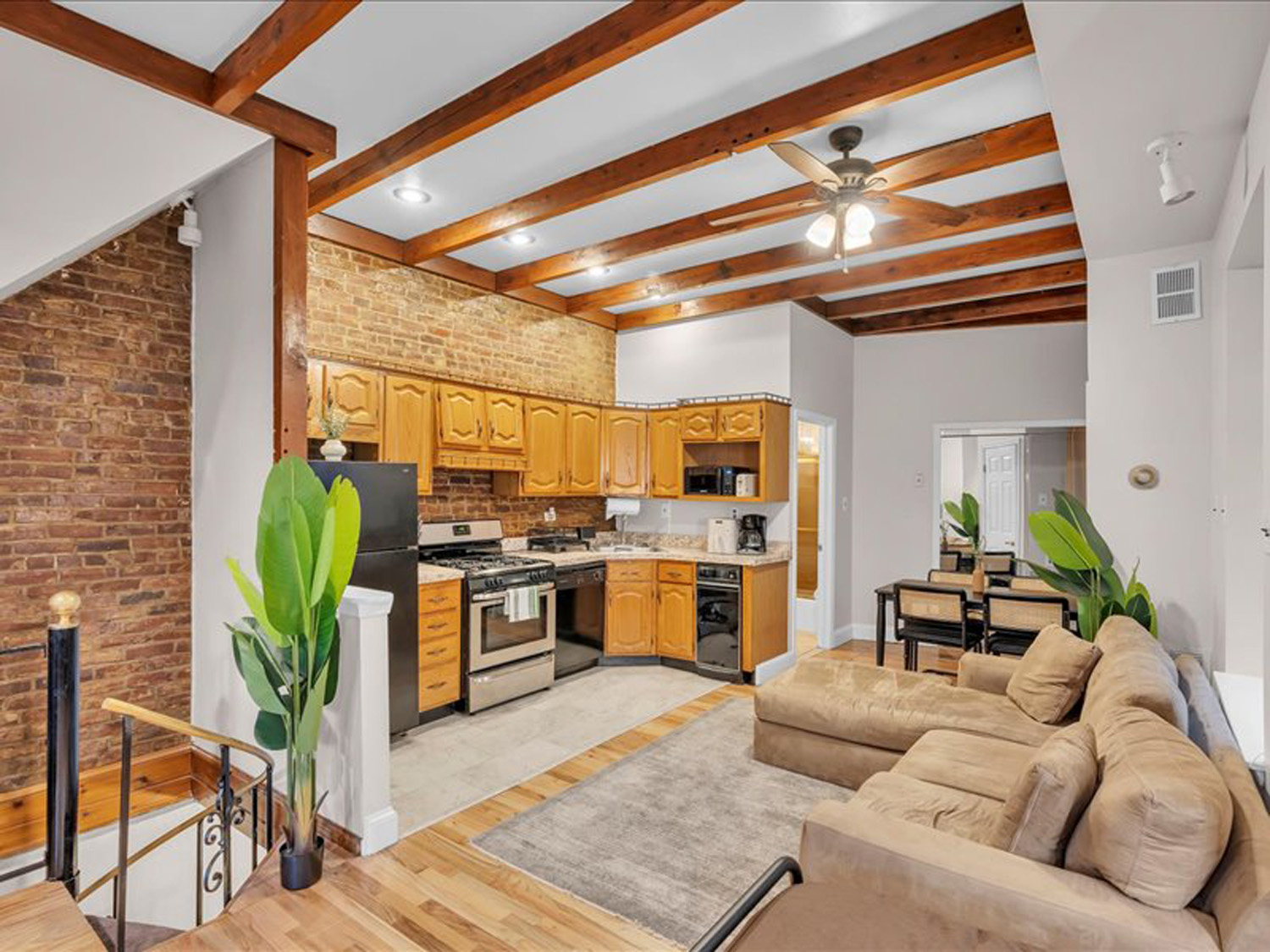

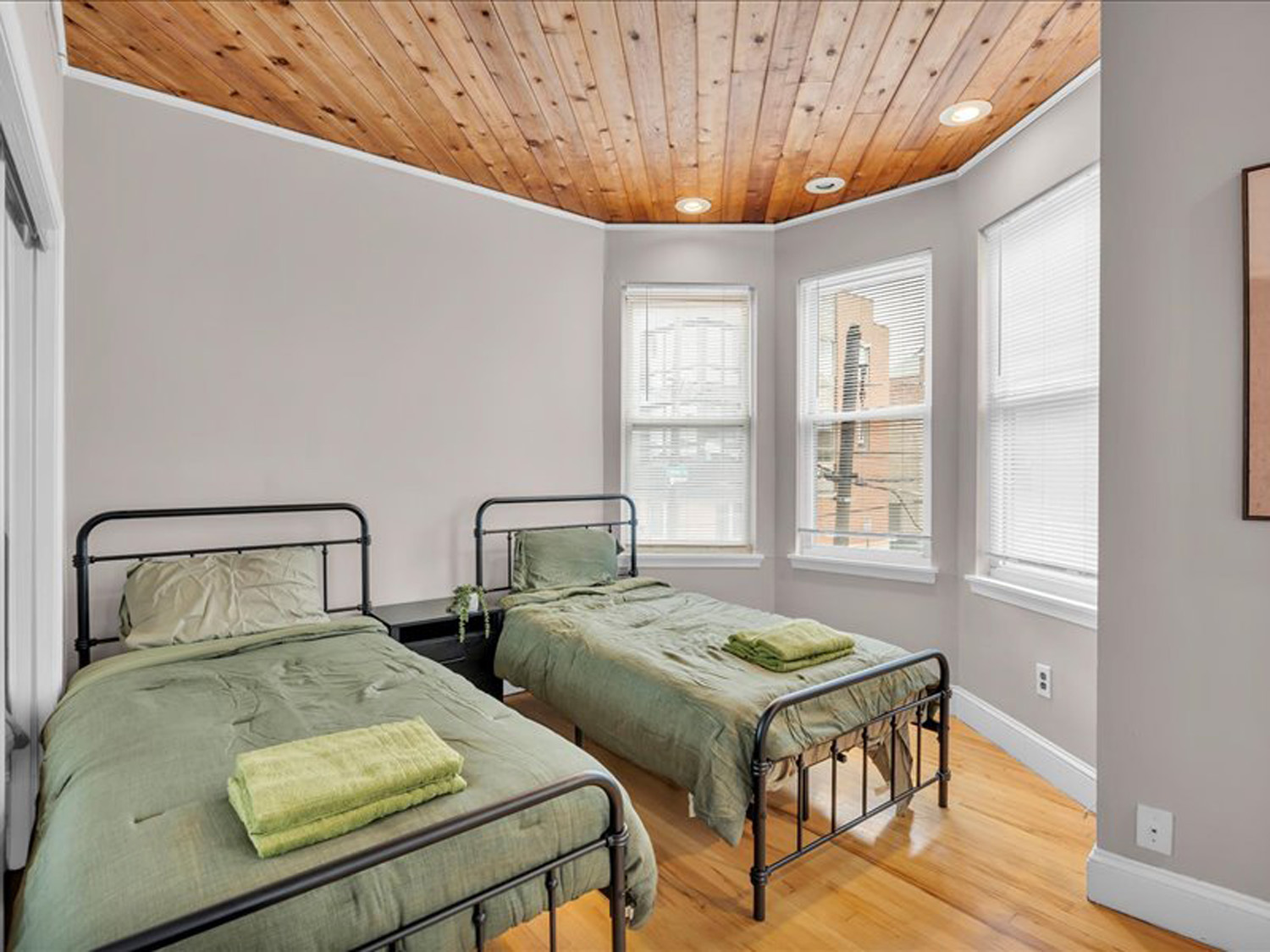
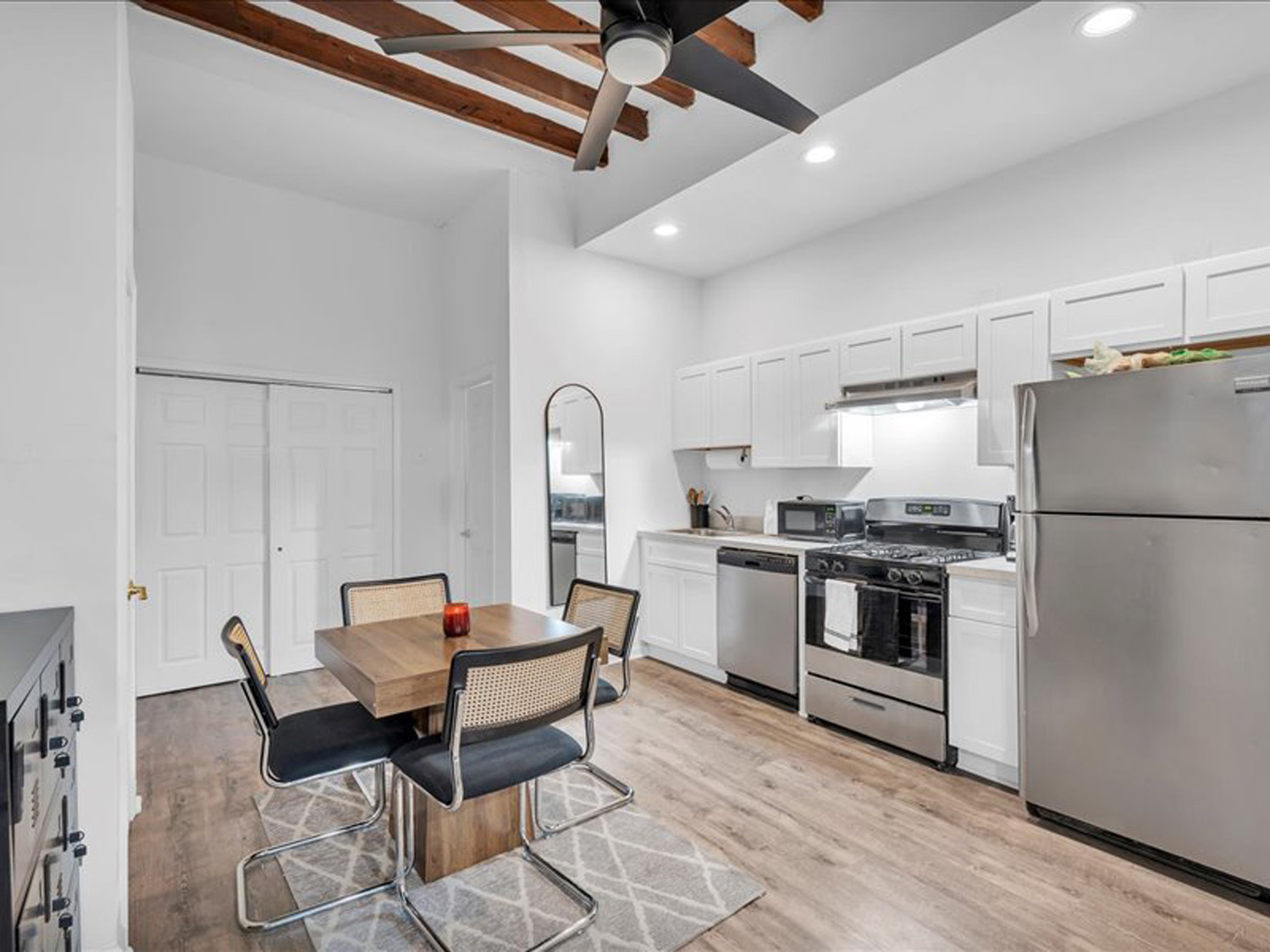
Start Your Recovery at The Forest
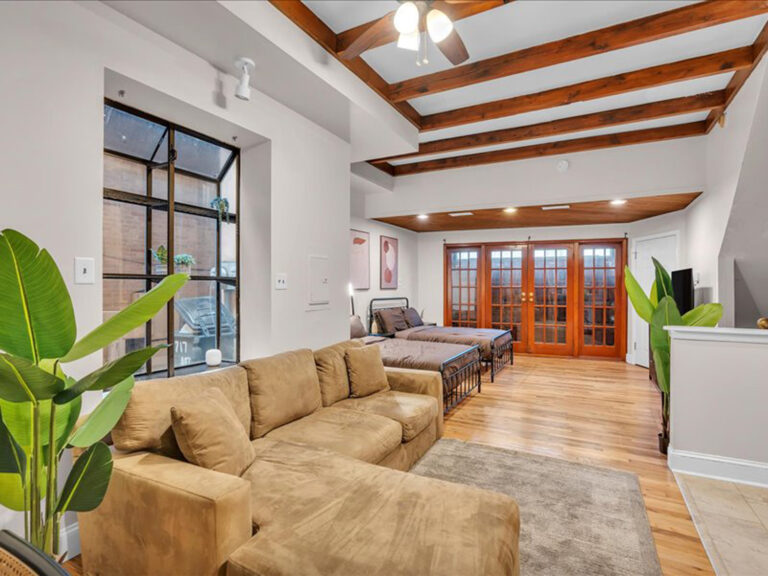
Sometimes healing begins just outside the familiar. Upper Darby offers a unique balance of both. It’s close enough to Philadelphia’s energy and recovery network, but far enough to find stability and focus if that’s what you need.
When you or a loved one is ready for the next step, The Forest in Philadelphia or nearby Berwyn and Malvern can provide that same sense of connection in a structured, recovery-focused community. You’ll find guidance, accountability, and belonging in an environment built to help you move forward and achieve long-term recovery.
Reach out today and find your place at The Forest.
Frequently Asked Questions About Sober Living in Upper Darby Township, Pennsylvania
What’s the difference between sober living and a drug rehab center?
Basically, they are two different levels of care. Rehabilitation is about treatment, whether you’re receiving inpatient (on-site) or outpatient services. You are in a structured rehabilitation program that offers evidence-based therapy, dual diagnosis mental health services, and medical-assisted treatment.
A sober living program is the next step or part of aftercare after an inpatient or outpatient treatment program. Sober living is a housing environment that helps individuals rebuild daily routines, practice accountability, and learn to live independently with structure and community support.
Are there specialized sober living homes in Upper Darby Township?
Certainly. Upper Darby has many options, including homes for men, women, LGBTQ-friendly homes as well as pet-friendly facilities and options for couples. The township’s diversity and proximity to Philadelphia offer options for your unique specific needs.
How long can someone stay in a sober living home?
Most residents will live here between 3 months to a year, depending on their individual progress and goals. Many decide to stay longer while they establish stability through employment, therapy, and peer support that integrate recovery into their daily lives.
What rules are typical in sober living programs?
Having rules in place helps ensure consistency and safety in the sober living environment. Residents can reasonably expect to follow a curfew, have random drug and alcohol testing, attend recovery meetings, share living responsibilities like chores, and go to house meetings on a weekly basis. These rules provide structure and shared accountability that promote lasting recovery.
How can I tell if a sober home is safe and reputable?
Search for properties that have been credentialed through Pennsylvania’s recovery residence programs or the National Alliance for Recovery Residences (NARR). If you can, visit the residence in person, ask staff about experience and policies, and talk to current or past residents. In a small recovery community like Upper Darby’s, word travels quickly — often, local meetings are the best venue for candid feedback.
Sources
- Commonwealth of Pennsylvania, Department of Health. (2025). SU-03: Drug overdose death rate (LHI) — Pennsylvania Healthy People, county level (data years 2021-2023). https://www.pa.gov/content/dam/copapwp-pagov/en/health/documents/topics/healthstatistics/healthypeople/documents/current/county/su-03-drug-overdose-death-rate-lhi.html
- Commonwealth of Pennsylvania, Department of Drug and Alcohol Programs. (2025, September 24). Shapiro Administration celebrates National Recovery Month by highlighting resources for Pennsylvanians in recovery. https://www.pa.gov/agencies/ddap/newsroom/shapiro-administration-celebrates-national-recovery-month-by-hig
- Commonwealth of Pennsylvania, Department of Health. (2025). Individuals and Families — Opioid Use Disorder (state overview). https://www.pa.gov/agencies/health/programs/opioids/individuals-families
- Glass, L., Wiseman, J., & Anderson, L., et al. (2022). Recovery Residences and Improved Outcomes: The Association Between R.I.S.E. and Clinical Outcomes. Center for Practice Transformation. https://practicetransformation.umn.edu/wp-content/uploads/2022/05/ResearchBrief_5_Recovery_Residence_Outcomes.pdf