Successful recovery is possible in communities that provide a balance of grit and real economic opportunity.
Newark, New Jersey, being the largest city in the state and a hub of transportation and finance, provides this balance in a unique way: big-city access without the heavy cost, close-knit neighborhoods with authentic character, and connections that make the entire tri-state area feel within reach.
From the Portuguese and Brazilian heritage in the Ironbound to the slow promise of downtown revival, there is a sense of resilience woven into the fabric of everyday life. Sober living homes, often referred to as recovery residences, create structure, accountability, and connection within the community, providing a key support to help with the transition between outpatient services or residential recovery and independence. Whether you’re finishing inpatient care or seeking a diverse community that respects recovery stories, Newark offers a solid foundation in a city built on reinvention.
The purpose of this guide is to look at what makes the recovery experience worthwhile in Newark, what to expect while you are in a sober living home in Newark, and what resources you can access while in Essex County.
Why Choose Sober Living in Newark?
Newark offers recovery in motion. It’s a place where structure meets opportunity — where residents can rebuild their lives within reach of everything they need.
Easy Transit Access
Newark Penn Station connects directly to NJ Transit, PATH trains to Manhattan, Amtrak’s Northeast Corridor, and a wide local bus network. You can reach Manhattan in about 20 minutes, travel across New Jersey with ease, and get around the entire tri-state area without a car. That kind of access removes barriers to employment, meetings, and essential services.
Affordable and Sustainable Living
Housing costs in Newark are far lower than in New York City or nearby suburbs while offering the same level of connectivity. That affordability gives residents breathing room — a chance to focus on recovery, maintain steady work, and build stability without overwhelming expenses.
Diverse and Supportive Community
Newark’s population reflects real multiculturalism, with large Black, Latino, Portuguese, Brazilian, and Caribbean communities. This diversity creates welcoming environments, culturally specific meetings, and multilingual recovery services that help people feel understood and supported.
Neighborhood Connection and Character
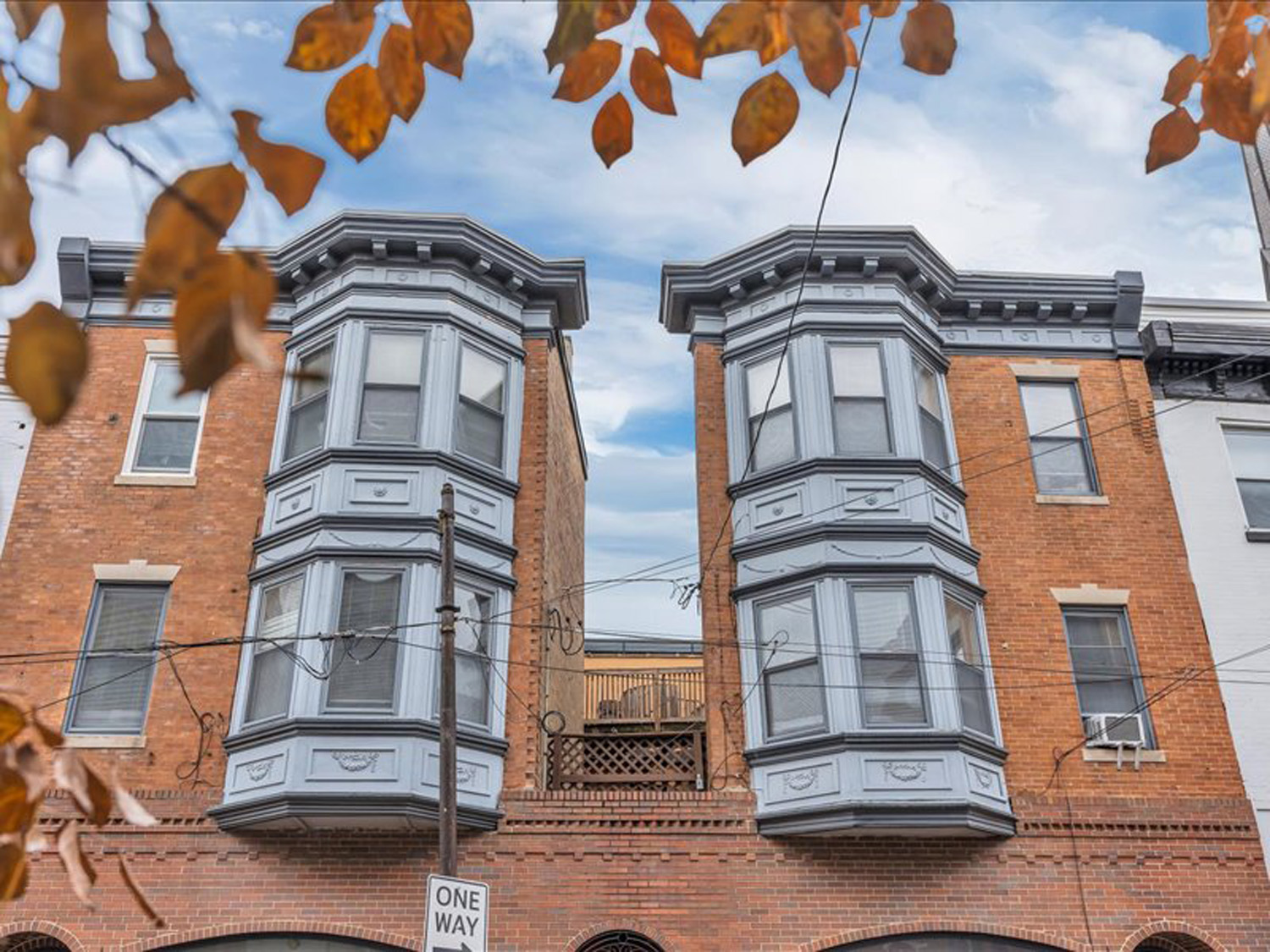
The Ironbound’s Portuguese and Brazilian culture creates tight-knit community bonds. University Heights benefits from Rutgers and NJIT’s presence, while downtown’s revitalization brings new energy and opportunity. Each area offers its own sense of belonging, making it easier to find a community that feels like home.
Varied Sober Living Options
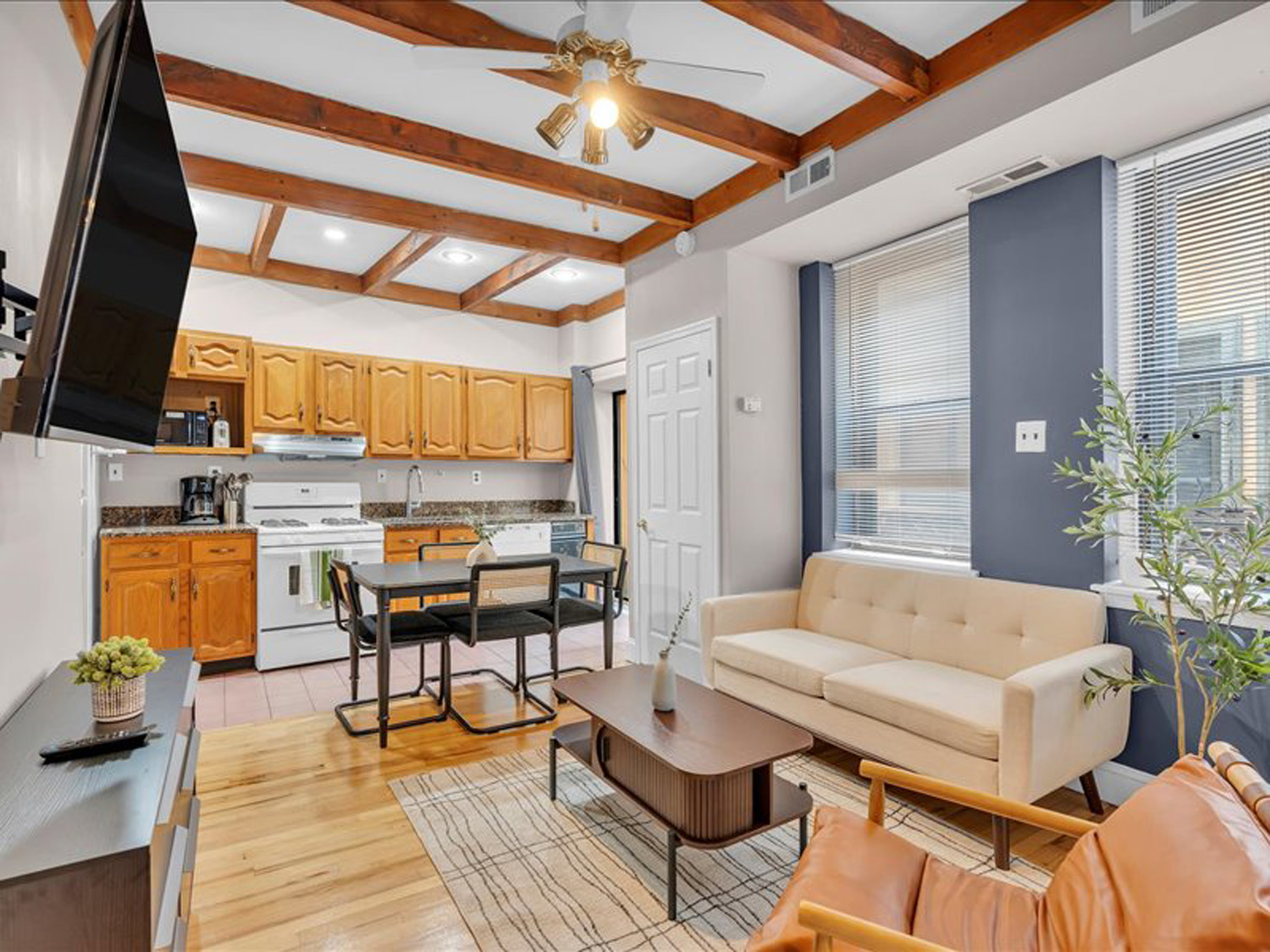
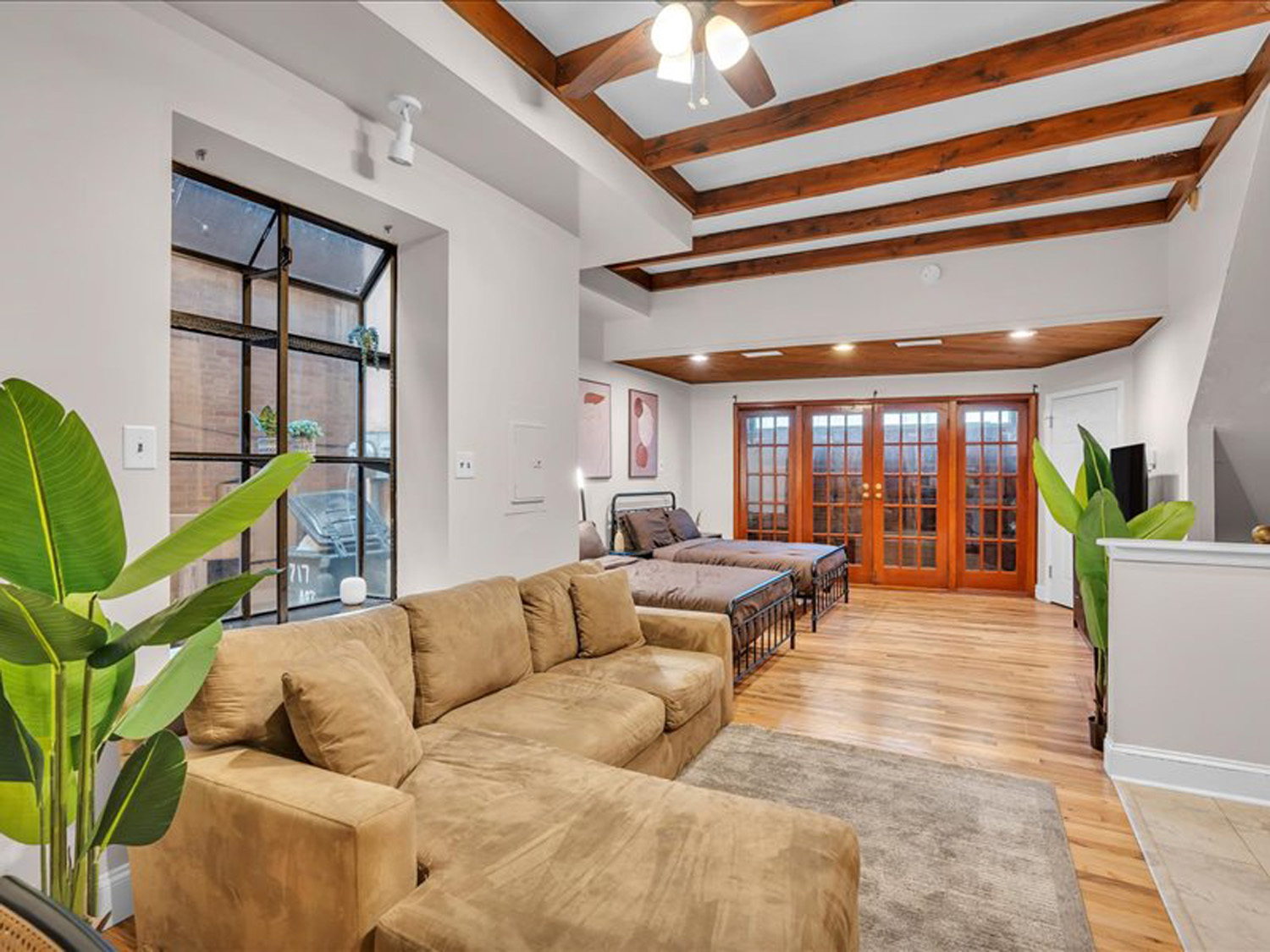
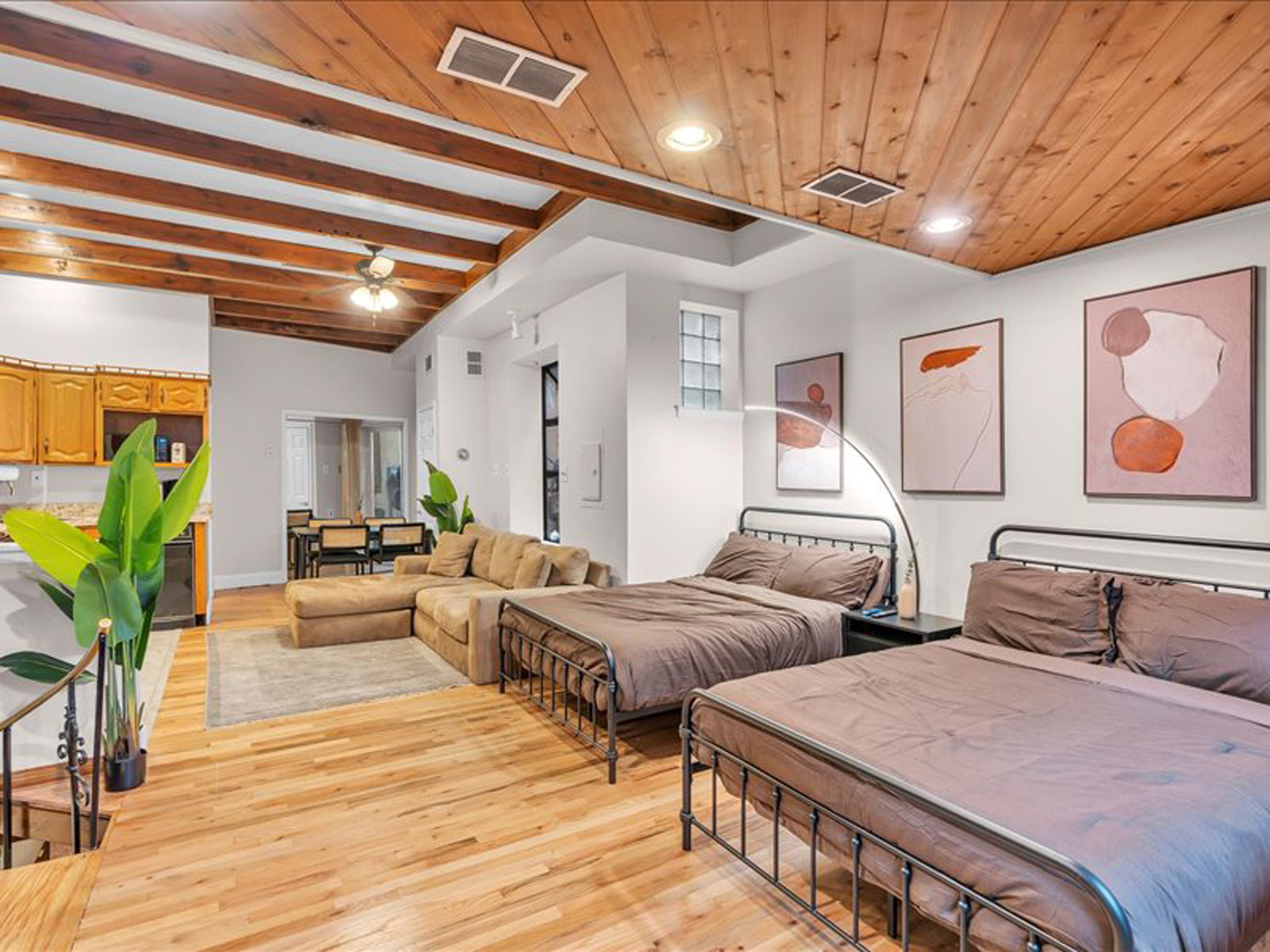
Sober living homes in Newark reflect the city’s diversity. You’ll find men’s and women’s homes, LGBTQ-friendly environments, pet-friendly residences, and homes for couples — all providing structure, accountability, and peer support across different neighborhoods and price points.
Employment Opportunities
Once known for its manufacturing backbone, Newark now offers a wide range of supportive, steady-routine roles that help you anchor your day and rebuild confidently in recovery. Below are some of the biggest employers in the area:
- University Hospital provides many non-clinical roles such as environmental services, facilities support, patient transport, food service, and administrative operations across its large medical campus.
- Newark Public Schools hires for non-student-facing positions like custodial work, facilities maintenance, building operations, and general administrative support
- Port Authority of NY & NJ offers steady roles in airport services, facility maintenance, customer support, operations, and administrative work connected to Newark Liberty International Airport.
- City of Newark hires for municipal positions, including public works, parks & recreation support, community services, customer service, and office administration—structured roles that help build routine.
- Prudential Financial provides stable office-based roles in customer service, claims support, operations, and administrative services at its Newark headquarters.
What to Expect in a Sober Living Home in Newark
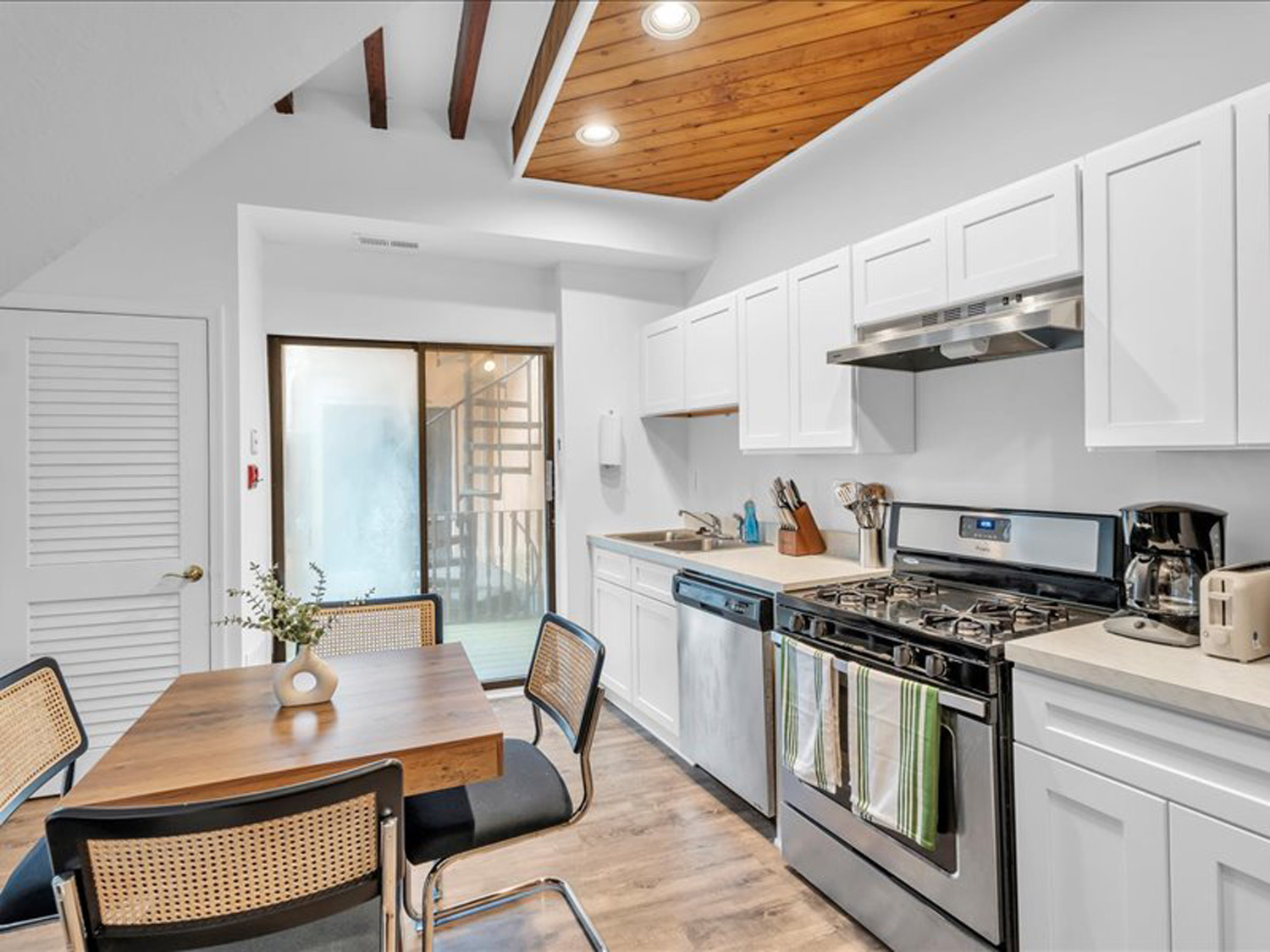
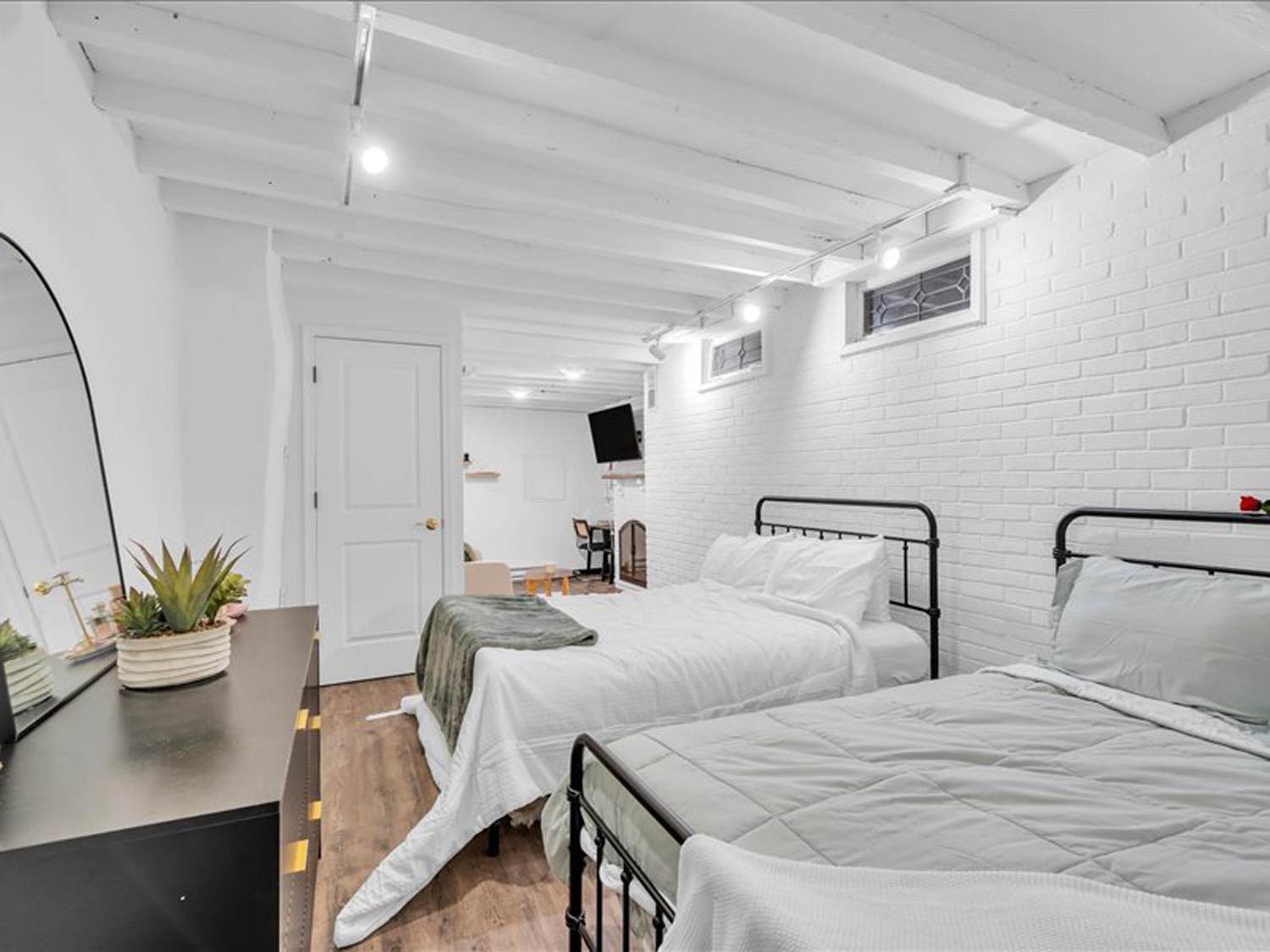
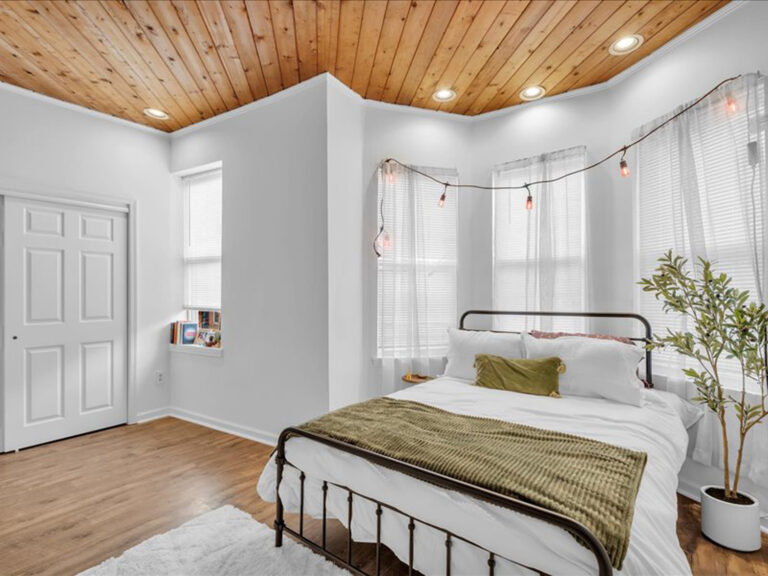
Sober living facilities in Newark provide structure and support for growth. At sober living homes in Newark, the focus is on establishing consistency, rebuilding confidence, and forming habits to sustain recovery.
Structure and Routine
Newark sober living facilities support accountability and stability for their residents through structured schedules, agreed-upon expectations, and clearly defined boundaries. House rules, a curfew, shared responsibilities, and group meetings related to recovery engage residents in their sober living networks and provide the tools necessary to maintain an environment of sobriety and recovery.
Most sober living homes will include policies on drug and alcohol testing for accountability and recommendations for participation in a 12-step or similar recovery program. Newark’s public transportation network makes it easy to get to therapy, work, and meetings throughout the area.
Community and Accountability
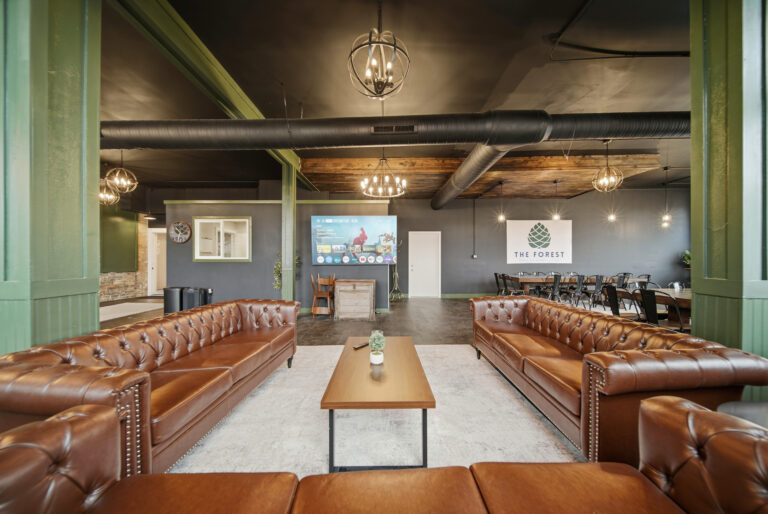
Each household is its own small community of support, with residents sharing food, household responsibilities, and conversation as they practice living independently and building relationships. Weekly meetings and interactions with peer mentors help keep everyone connected and accountable. The recovery community in Newark is also very vibrant and diverse, with meetings and groups for every population and recovery style.
Continued Recovery Support
Sober living in Newark serves as a transitional space between rehab and independent living. Residents participate in therapy, use sponsors, and learn life skills that ensure long-term stability. Many homes help residents to look for jobs, utilize public transportation, and learn basic life skills like budgeting, time management, and self-care. There are local resources to provide additional infrastructure and support, like Newark Beth Israel Medical Center, University Hospital, Rutgers Behavioral Health Care, and other clinics and providers across the city that offer continuity of care with multilingual access.
Sober-Friendly Things to Do in Newark, New Jersey
Newark makes it easy to stay active, connected, and inspired in recovery. The city’s mix of green space, culture, and community gives residents plenty of healthy ways to spend time and build balance.
Branch Brook Park stretches across hundreds of acres and features the largest cherry blossom collection in the United States.
Weequahic Park offers trails, open fields, and a lakeside path that’s perfect for reflection or outdoor exercise.
Riverfront Park runs along the Passaic River and connects the community with walking paths, art installations, and city views.
Newark Museum of Art showcases art, science, and cultural exhibits that bring calm and creativity to a weekend afternoon.
New Jersey Performing Arts Center (NJPAC) hosts concerts, plays, and community events that bring people together in a sober-friendly setting.
Ironbound District adds a taste of Portuguese and Brazilian culture, with restaurants, cafés, and festivals that celebrate Newark’s deep sense of community.
Health and Wellness in Newark
Lotus Yoga Newark offers grounding yoga, breathwork and community-centered classes that support calm, movement and emotional balance in recovery. Newark Community Health Centers Wellness Programs provide accessible wellness services, including nutrition guidance, preventive care, and supportive programs for whole-body health. YMCA of Newark & Vicinity offers fitness classes, gym access, swimming and community programs that help you create steady, healthy routines. Brick City Strength offers small-group strength training, personal coaching and functional fitness in a supportive environment.
Local Substance Use & Recovery Stats
In Essex County, 94.1% of opioid-related deaths were overdoses, and fentanyl was detected in 86.9% of those deaths.
Treatment admissions in Essex County have dropped sharply in recent years, with the rate falling nearly in half since 2018. The decline may reflect both progress in prevention and ongoing challenges in treatment center access.
Studies of sober living homes show that residents who stay for 18 months or more often achieve meaningful gains in sobriety, employment, and legal stability.
The success of sober-living residences is influenced not only by the house itself but also by where it’s located—access to peer support meetings and treatment services matters.