Sober Living in Pennsylvania: Your Essential Guide to Supportive Recovery Housing

Building Recovery in the Keystone State
Pennsylvania Sober Living: A Strong Foundation for a Fresh Start

Pennsylvania is a place where recovery can truly take root. Across the state, you’ll find strong communities, reliable support systems, and a shared belief in second chances. From Philadelphia’s vibrant recovery home network to the peaceful suburbs of the Lehigh Valley and the quiet rural towns beyond, there’s a sober living environment for every stage of the journey.

Sober living homes in Pennsylvania offer the structure, accountability, and community that help bridge the gap between treatment and independent living. Whether you’re finishing inpatient care, rebuilding after a setback, or simply ready for a fresh start, you’ll find quality options and compassionate support throughout the Commonwealth.

Why Choose Sober Living in Pennsylvania?

Pennsylvania has more to offer than history and heart. It’s a state with a deep sense of community and a commitment to supporting recovery at all levels, as people engage in the hard work of rebuilding their lives with dignity and purpose. From the busy cities to the peaceful countryside, Pennsylvania is a place that lays the groundwork for stability and support in achieving long-lasting change.

A Culture That Supports Recovery

With one of the best recovery networks in the nation, Pennsylvania has made significant investments in evidence-based behavioral health systems, peer-led recovery programs, and quality sober living recovery settings that offer real accountability and support. In urban and rural areas, community-assembled recovery support systems are easily accessible and a trusted resource for individuals in recovery.

Environments for Every Lifestyle

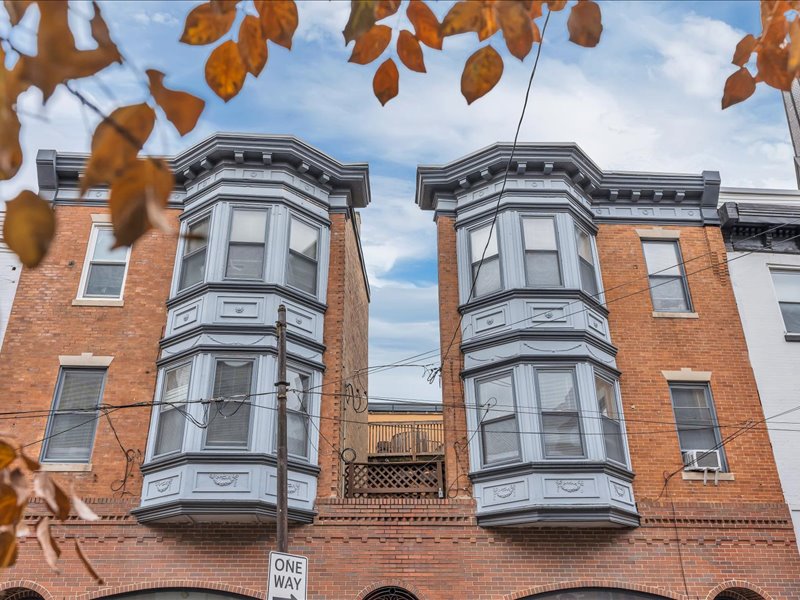
Cities like Philadelphia and Pittsburgh offer privacy, jobs, and constant support through meetings and recovery groups. The suburbs (Berwyn, Malvern, Lehigh Valley) offer structure and independence. Smaller communities throughout the Commonwealth provide a relaxed, family-oriented, and supportive environment.

Seasons That Encourage Growth

The rhythm of Pennsylvania’s four seasons lends itself nicely to the recovery process. Fall provides an opportunity to reflect, winter invites a state of stillness, spring inspires the idea of renewal, and summer allows connection with the outdoors. Each season offers a chance to reset, stay grounded, and establish healthy routines.

Accessible Living and Real Opportunity

The cost of living varies throughout the state, giving residents the opportunity to find housing that works for their financial situation. While some city communities have high costs, communities like Reading, Harrisburg, and other moderate-sized communities offer low-cost, safe sober living options that are also close to support for recovery and jobs.

A Working-Class Spirit

Resilience, community, and hard work are some of the characteristics that define the identity of Pennsylvania, and these core values are closely intertwined with the recovery process. From a neighborhood cookout to organized community programming, there are always people who show up, help out, and stick to their word. It is a state where both authenticity and second chances are valued.

Housing That Fits Every Path

Pennsylvania has sober living homes with varied needs — from places for men and women to pet-friendly homes and LGBTQ+ affirming environments. All of these homes are built around safety, connection, and growth, and provide individuals with the platform to forge ahead with confidence and direction.

The strength of Pennsylvania is in its people. It remains a place that values community, respite, and recovery, and reimagined possibilities are always possible.

What to Expect in a Sober Living Home in Pennsylvania

Pennsylvania sober living homes provide the structure, accountability, and support that help recovery feel steady and sustainable. Daily routines, shared responsibilities, and community involvement create a strong foundation for life after treatment—where healing continues one day at a time.

Structure and Routine

Every sober living home in Pennsylvania follows clear expectations that promote consistency and growth. Residents follow daily schedules, complete chores, attend regular recovery meetings, and observe curfews and house rules. Many homes require participation in 12-step or alternative recovery groups several times a week, with regular drug and alcohol testing to ensure accountability.

This structure brings balance to early recovery. Predictable routines replace the chaos of addiction, helping residents find stability and purpose. The state’s changing seasons even add natural rhythm to daily life—adjusting responsibilities and schedules while reinforcing the value of flexibility and follow-through.

Community and Accountability

Living with others in recovery builds a sense of shared purpose and trust. Weekly house meetings encourage open communication, goal setting, and celebration of progress. Peer mentors who’ve maintained long-term sobriety offer guidance grounded in real experience, while mutual accountability keeps residents supported and engaged.

Pennsylvania’s strong sense of community extends into its recovery culture. Many residents attend the same meetings, know the same sponsors, and participate in local sober events, forming deep, lasting connections that often continue long after they leave structured housing.

Continued Recovery Support

Sober living in Pennsylvania is designed to keep progress moving forward. Residents often attend outpatient therapy, meet with sponsors, and build essential life skills for independence. Many homes also provide job search assistance, resume support, and guidance on navigating transportation to help residents as they return to work or school.

The state’s treatment infrastructure makes this ongoing support even stronger. Metropolitan areas like Philadelphia and Pittsburgh offer advanced behavioral health programs, trauma care, and medication-assisted treatment. Mid-sized cities like Reading, Allentown, Harrisburg, and Scranton provide excellent local resources, while smaller communities stay connected through regional recovery networks.

Local Substance Use & Recovery Stats

Pennsylvania now has more than 400 DDAP-licensed recovery houses statewide, expanding safe, structured housing options for people in early recovery.[1]

The Commonwealth was allocated over $1 million in federal Recovery Housing Program funding to expand access to safe housing for individuals in recovery, strengthening connections between stable housing and sustained sobriety.[2]

Pennsylvania’s certified recovery houses are required to provide at least 24-hour peer-based oversight, maintain naloxone on-site, and conduct random drug testing—protective standards that support accountability and resident safety.[3]

National research indicates that residents of certified recovery housing—similar to those licensed under Pennsylvania’s DDAP framework—are twice as likely to maintain abstinence six months post-treatment compared with those without stable housing.[4]

Find Your Next Step in Pennsylvania
Recovery is centered upon connection, structure, and authentic support, and Pennsylvania encompasses all three. Across the Commonwealth, individuals are creating new lives buoyed by community, stability, and care. It is a place where recovery can be authentic, supported by neighbors, local connections, and a solid framework of hope.

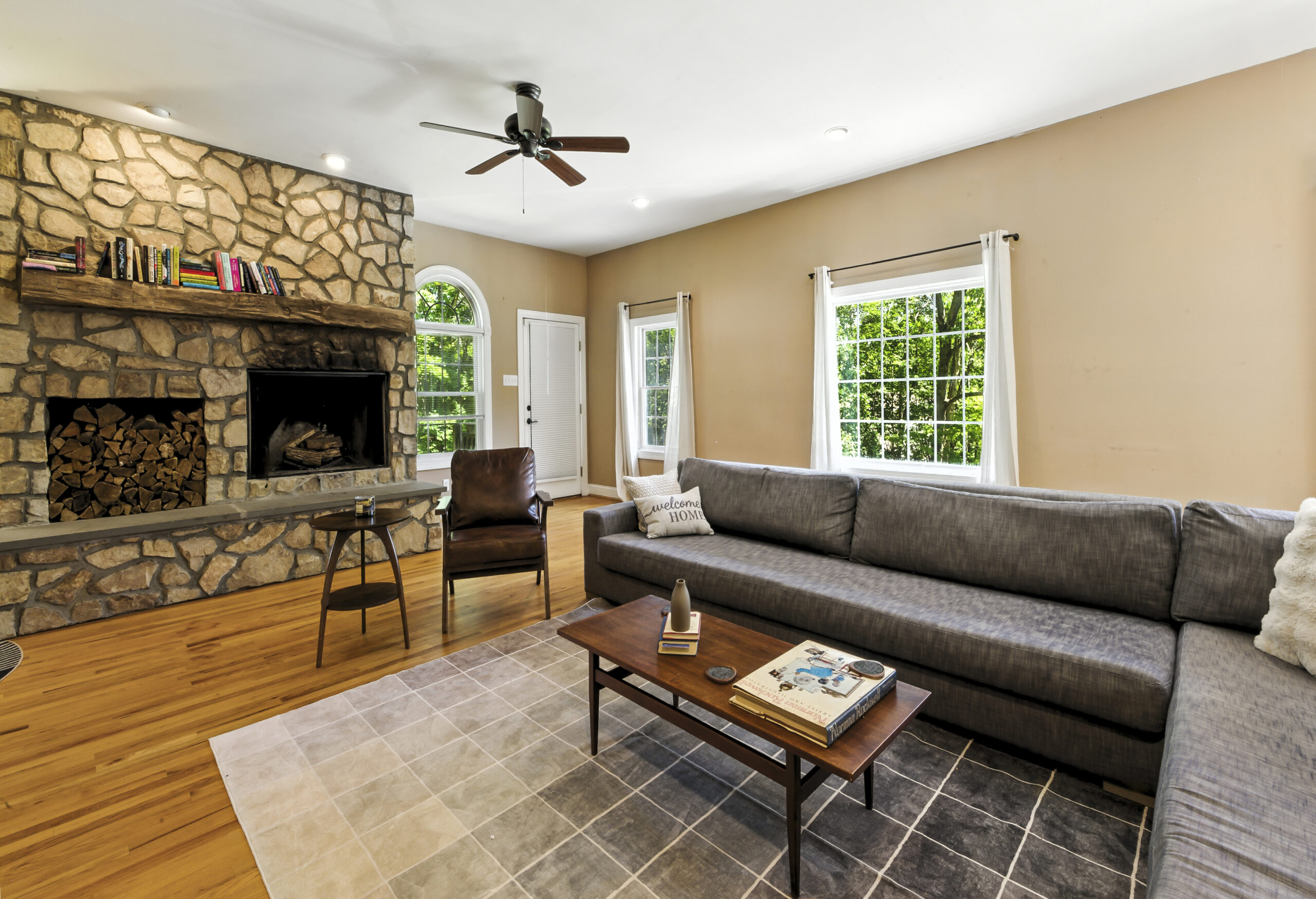
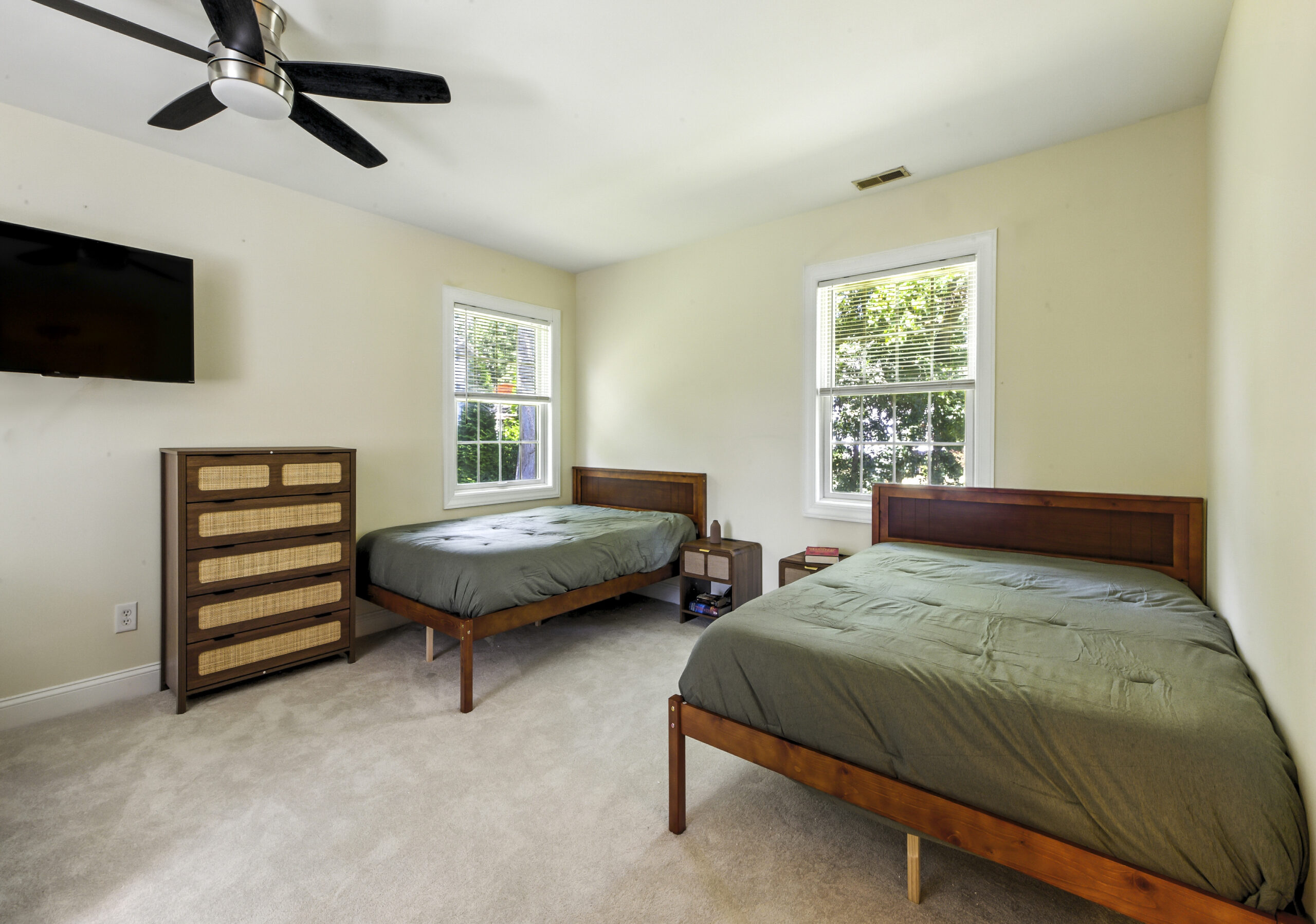
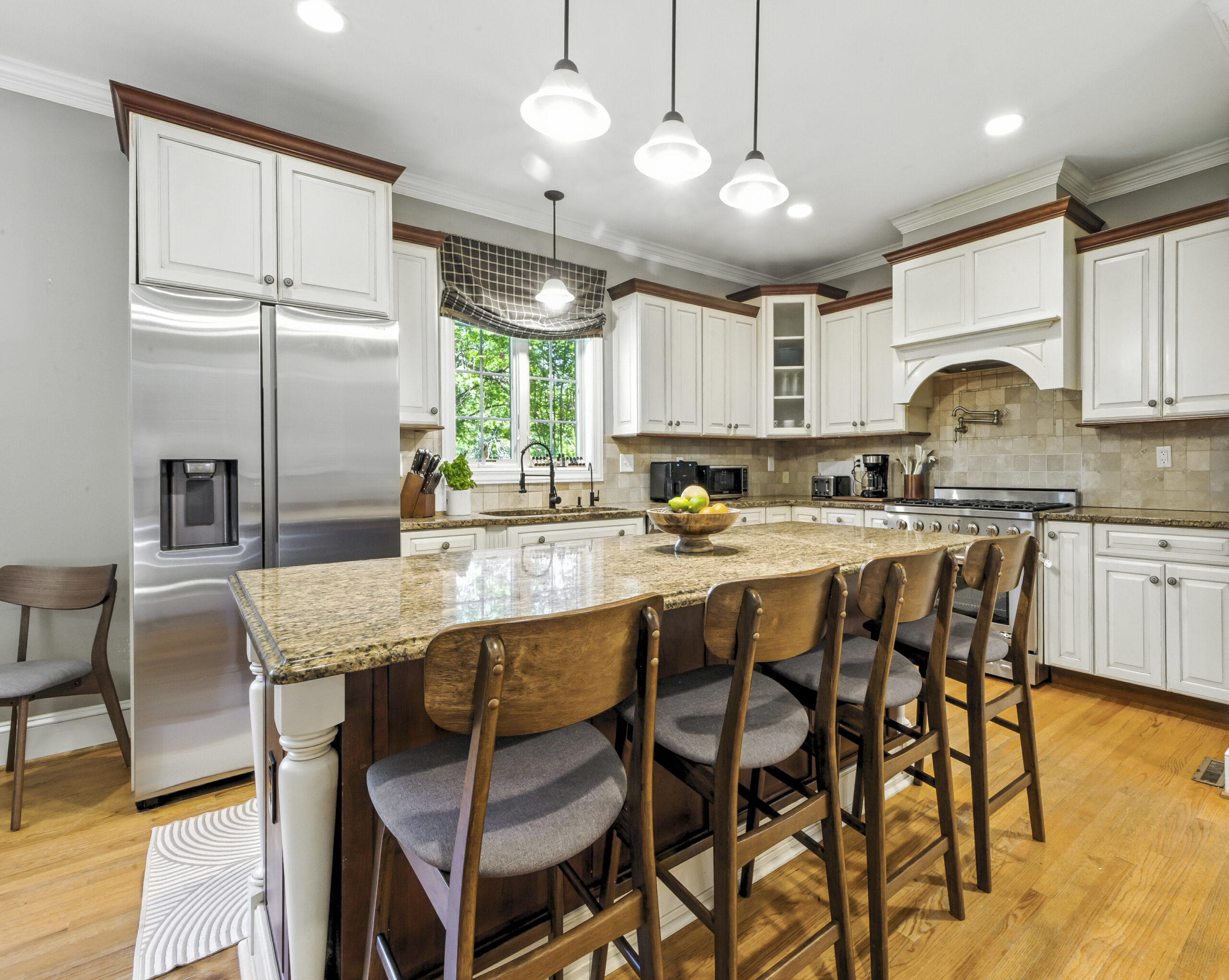
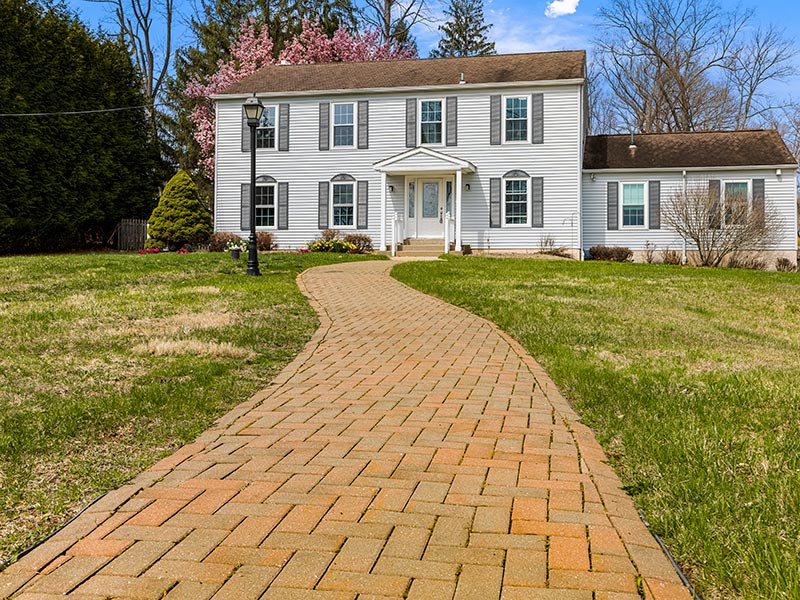
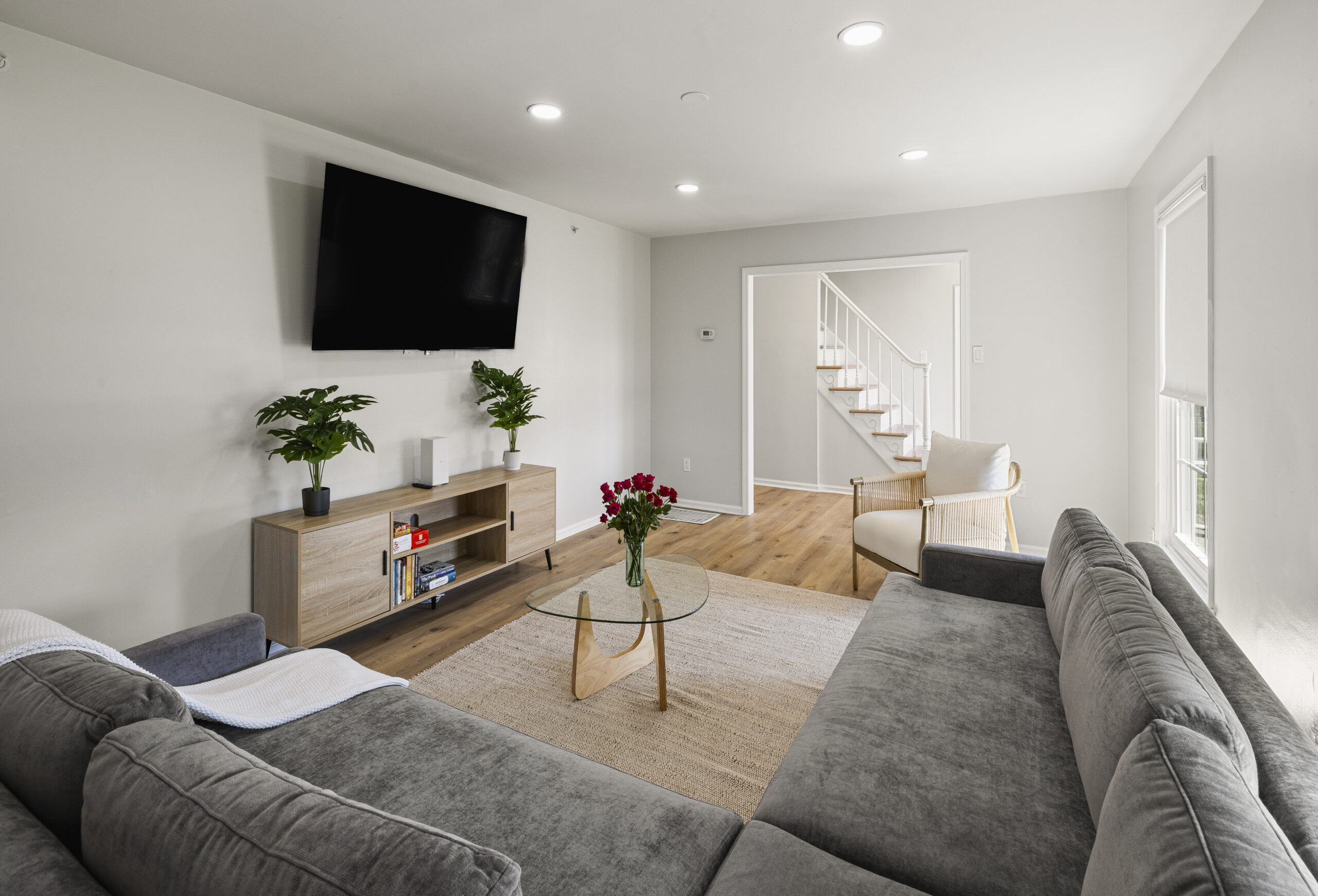
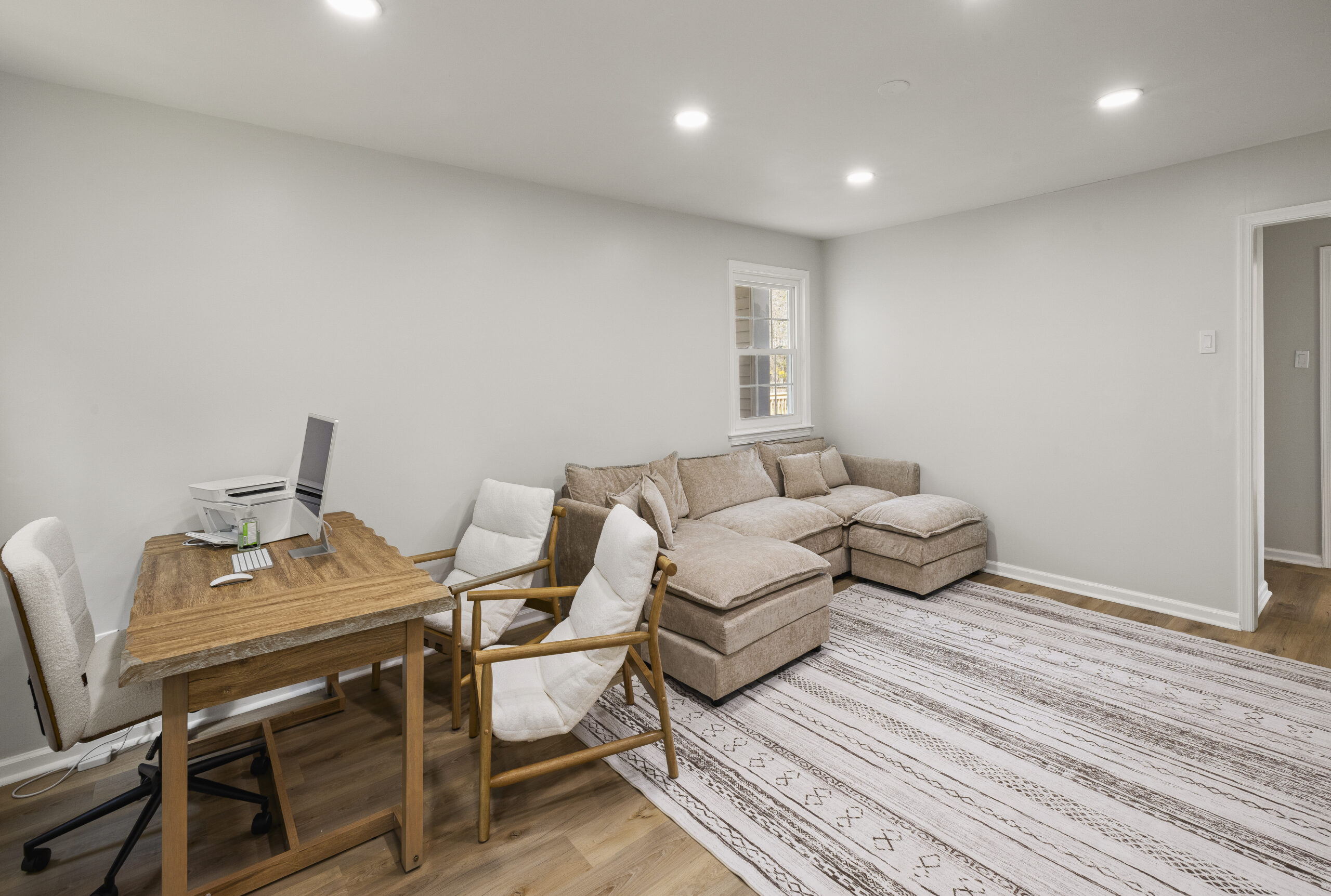
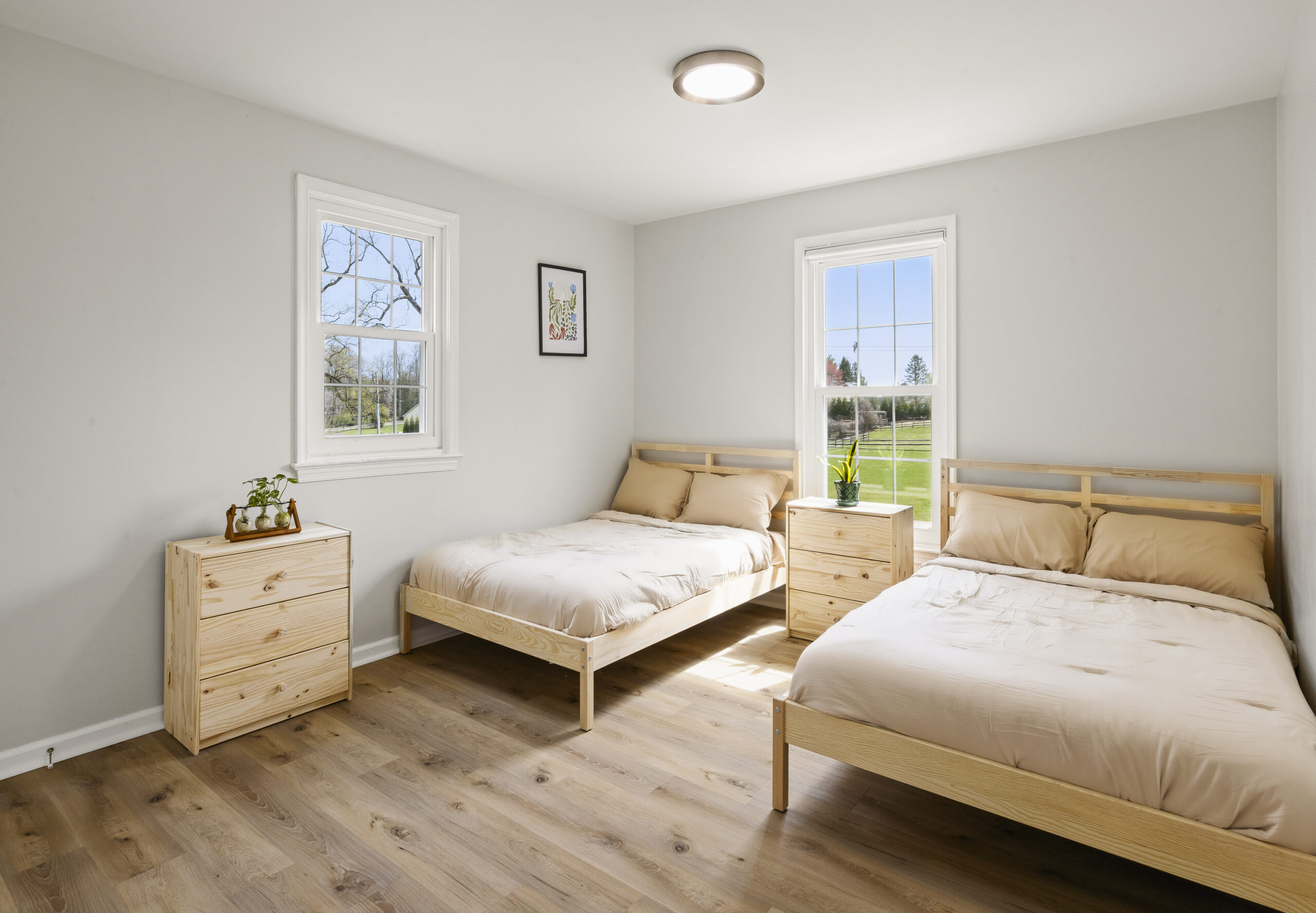
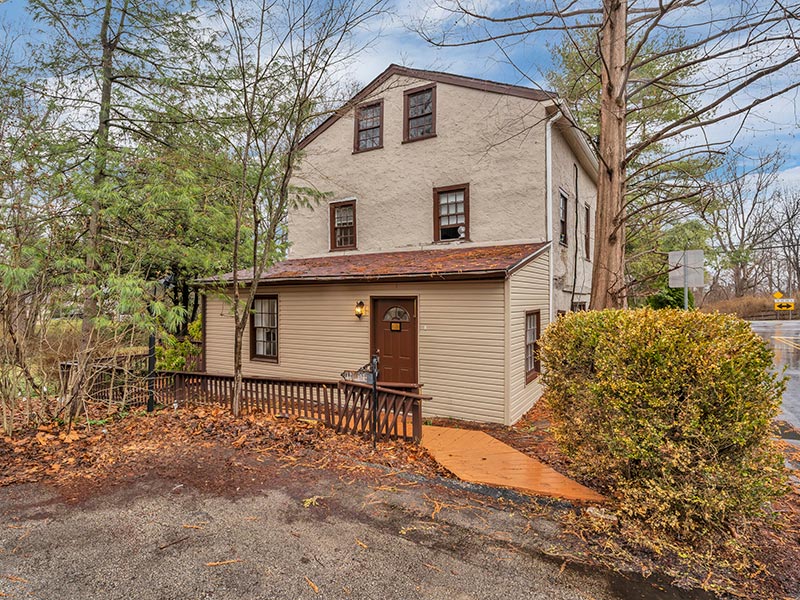
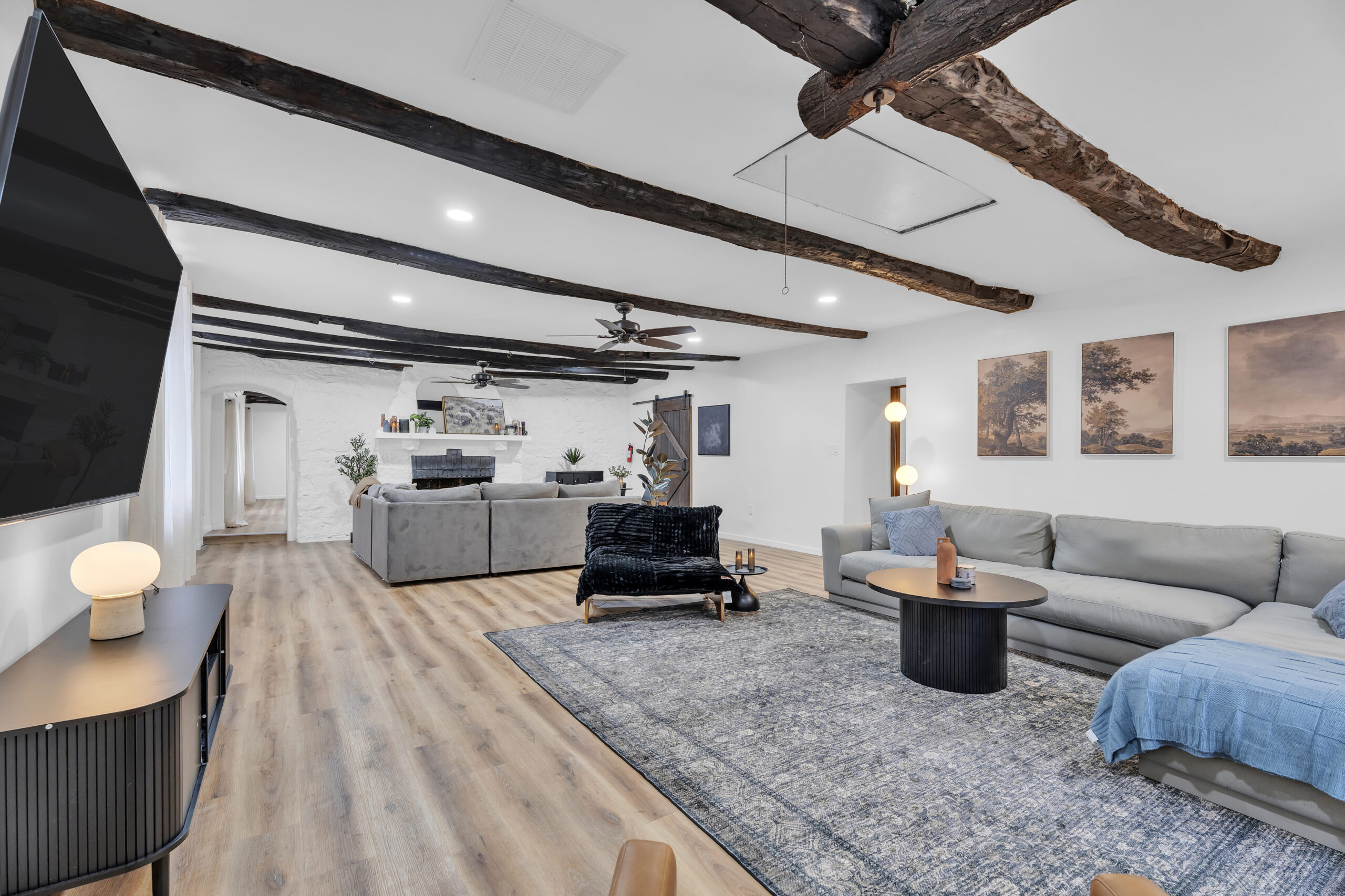
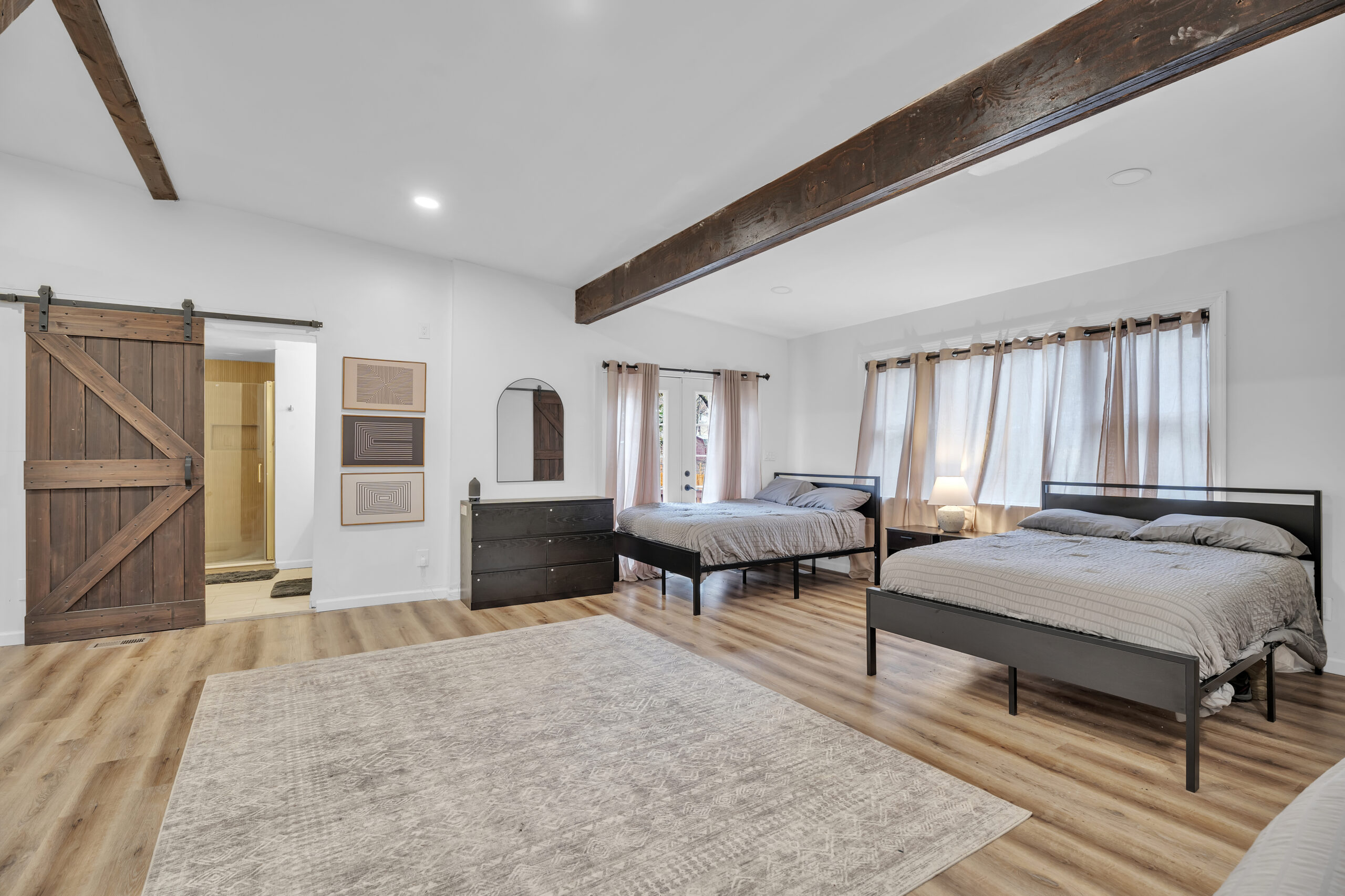
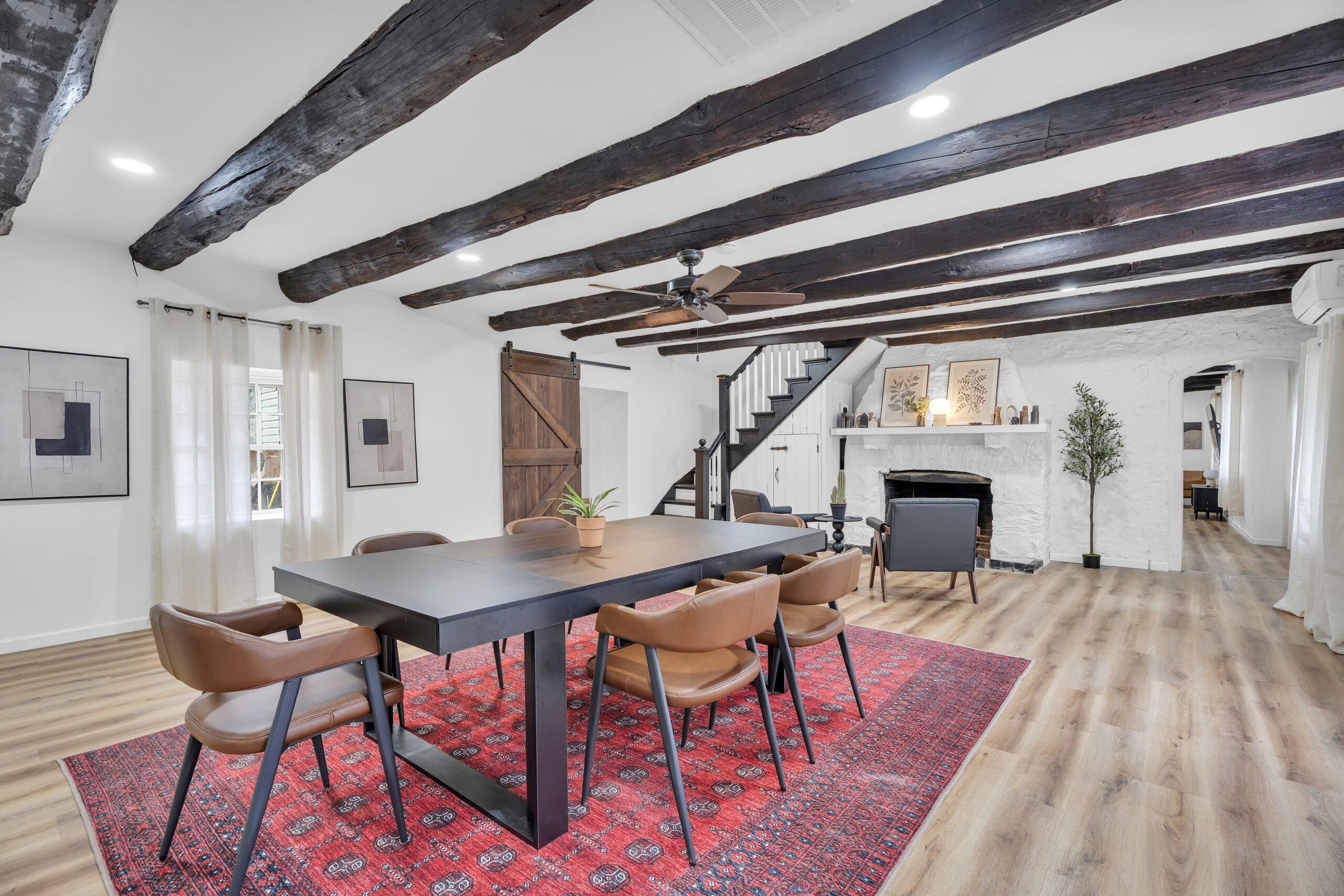
At The Forest, our homes in Pennsylvania offer the structure, accountability, and community support to sustain recovery. Whether you are seeking men’s housing, women’s housing, a friendly and affirming home for LGBTQ individuals, pet-friendly homes, or simply a place to feel safe, you’re sure to find it here.

Make the next step to a sustainable recovery. Check out The Forest’s sober living homes in Berwyn, Malvern, and Philadelphia, Pennsylvania, and see why our compassion and connection help build sustained recovery.

Frequently Asked Questions About Sober Living in Pennsylvania

What’s the difference between sober living and rehab?

Rehab provides clinical treatment with therapy, medical oversight, and programming. Sober living centers offer residential services with peer accountability, structure, and support to help individuals transition back to independent living. Sober living is less clinical and centers on developing real-life skills in a community environment.

Are there specialized sober living homes throughout Arizona?

Yes. Pennsylvania has a wealth of options for men’s homes, women’s homes, LGBTQ-friendly settings, pet-friendly homes, and homes for couples. In larger cities like Philadelphia or Pittsburgh, and in many suburban and smaller community settings, specialized housing is evident. The established recovery culture in Pennsylvania lends itself to a variety of options that have developed over time.

How long can someone stay in a sober living home?

The typical length of residence is 3 to 12 months. Depending on the individuals’ progress, things may take more or less time, and we encourage staying longer if needed. More extended stays are encouraged to help each resident establish supportive routines, meaningful employment, and a network of support before moving on to independent living.

What rules are typical in sober living programs?

Usual rules encompass continued drug and alcohol testing and curfews, as well as weekly recovery meetings, chores within the home, and weekly house meetings. Each home has its own rules that are intended to foster structure and shared responsibility, which is critical to the recovery process.

How can I tell if a sober home is safe and reputable?

Search for homes that have been certified by Pennsylvania’s recovery residences certification programs or the National Alliance for Recovery Residences (NARR). Pennsylvania has a regulatory framework that provides additional quality oversight.. If you can, visit the home, ask staff members about their qualifications and training, find out about policies and procedures, and talk to current or former residents to get a better idea of what to expect.

Sources

  1. Pennsylvania Department of Drug and Alcohol Programs. (2025, May 22). Shapiro Administration investment leads to upgraded health and safety measures for largest licensed recovery house provider in Pennsylvania. https://www.pa.gov/agencies/ddap/newsroom/shapiro-administration-investment-leads-to-upgraded-health-and-s
  2. Pennsylvania Department of Community and Economic Development. (2022). Recovery Housing Program Annual Performance Report FY 2021–2022. https://dced.pa.gov/download/recovery-housing-program-annual-performance-report/?wpdmdl=116640
  3. Pennsylvania Department of Drug and Alcohol Programs. (2023). Recovery House Licensing Requirements. https://www.ddap.pa.gov/Licensing/Pages/Recovery-Houses.aspx
  4. Vilsaint, C. L., Tansey, A. G., Hennessy, E. A., Eddie, D., Hoffman, L. A., & Kelly, J. F. (2025). Recovery housing for substance use disorder: A systematic review. Frontiers in Public Health, 13. https://doi.org/10.3389/fpubh.2025.1506412

Sober Living Homes Nearby