Pet-Friendly Sober Living Homes: Emotional Support for Every Step
A safe, structured space where recovery and companionship grow together
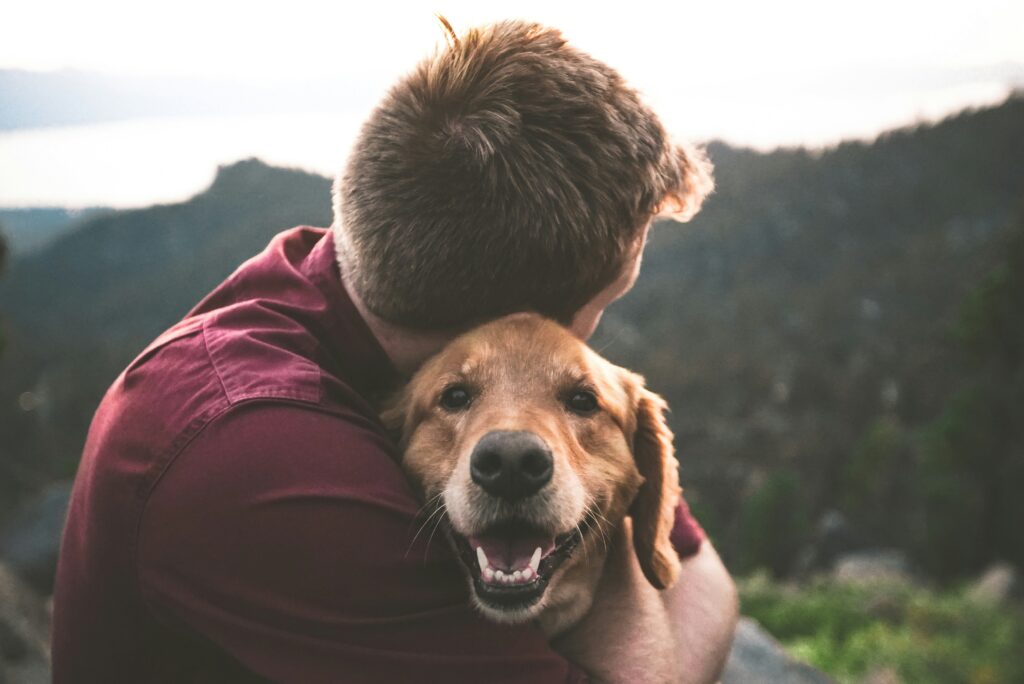
Pets play a substantial role in recovery. They can provide comfort, stability, and true emotional support, giving their owners a grounding presence when life becomes difficult. For many, separating from a pet in the early stages of recovery can be as difficult as separating from family.
Fortunately, there are now pet-friendly sober living homes throughout the United States that allow you to continue to heal and recover without having to lose that connection. These supportive, structured environments provide the same peer support and accountability a sober living home offers, while embracing the importance of animals for our emotional and mental health. Whether you are just starting your recovery journey or have transitioned from a treatment center, a pet-friendly sober living environment allows you to work on your recovery and rebuild your life alongside your companion.
Begin Your Recovery Journey

At The Forest Sober Living, we know recovery is about more than structure and accountability. It is also about finding what brings you peace. Our pet-friendly sober living homes provide a safe, supportive space where residents can focus on recovery while keeping their four-legged (or two-legged!) companions close.
You don’t have to choose between recovery and the bond you share with your pet. At The Forest, you will find a home that honors both.
We offer pet-friendly sober living homes across Arizona, Florida, New Jersey, Pennsylvania, Texas, and Wisconsin. Reach out today and we’ll help you find the location that is nearest you.
Frequently Asked Questions About Pet-Friendly Sober Living
What’s the difference between sober living and rehab?
Rehab is a structured treatment program that includes therapy, medical oversight, and clinical care for substance use disorders. Sober living homes, on the other hand, offer a supportive, residential environment focused on accountability, daily structure, and community connection. Pet-friendly sober living provides the same foundation while allowing residents to keep their pets by their side during their recovery journey.
Are there pet-friendly sober living homes available?
Yes. Many sober living homes welcome pets, typically dogs and cats. Policies can vary between programs—some may have restrictions on size, breed, or number of animals, while others are more flexible. Always ask about specific pet guidelines and any related fees to find a home that fits both your needs and your pet’s well-being.
How long can someone stay in a sober living home?
The length of stay depends on individual goals, but most residents remain in sober living for three to twelve months. Having a pet doesn’t usually change that timeline, though residents are expected to continue providing consistent care and attention for their animals throughout their stay. Stability—for both person and pet—is key to lasting recovery.
What rules are typical in sober living programs?
Rules are designed to keep the home safe, respectful, and recovery-focused. Residents typically follow curfews, complete chores, attend 12-step meetings, and participate in peer support activities. Pet-friendly sober living homes add a few extra guidelines, such as providing proof of vaccinations, cleaning up after pets, and making sure animals are well-behaved around others.
How can I tell if a sober home is safe and reputable?
Look for homes certified by organizations like NARR or local Arizona recovery coalitions. Visit in person if you can—bring your pet to see how they respond to the space. Ask about pet policies, fees, and safety measures like fenced yards or secure entryways. Talking with current or former residents can also help you understand the home’s culture. Above all, trust your instincts. A good pet-friendly sober living home should feel safe, structured, and supportive for both you and your companion.
Sources
- Martins, C. F., Soares, J. P., Cortinhas, A., Silva, L., Cardoso, L., Pires, M. A., & Mota, M. P. (2023). Pet’s influence on humans’ daily physical activity and mental health: A meta-analysis. Frontiers in Public Health, 11, 1196199. https://doi.org/10.3389/fpubh.2023.1196199
- Zhao, J., Koohsari, M. J., Li, J., Luo, Y., Kaczynski, A. T., McCormack, G. R., Oka, K., & Hanibuchi, T. (2025). Beyond companionship: psycho-social benefits of pet ownership. BMC Public Health, 25, Article 2320. https://doi.org/10.1186/s12889-025-23464-y
- Vilsaint, C. L., Tansey, A. G., Hennessy, E. A., Eddie, D., Hoffman, L. A., & Kelly, J. F. (2025). Recovery housing for substance use disorder: A systematic review. Frontiers in Public Health, 13. https://doi.org/10.3389/fpubh.2025.1506412
- Kerr-Little, A., Bramness, J. G., Newberry, R. C., & Biong, S. (2023). Exploring dog ownership in the lives of people with substance use disorder: A qualitative study. Addiction Science & Clinical Practice, 18, Article 57. https://ascpjournal.biomedcentral.com/articles/10.1186/s13722-023-00411-z
- Montón-Martínez, R., Castellano-Galvañ, I., Roldán, A., Javaloyes, A., Peña-González, I., Sarabia, J. M., & Moya-Ramón, M. (2025). Effects of physical exercise on substance use disorder: A comprehensive review. Applied Sciences, 15(3), 1481. https://doi.org/10.3390/app15031481