Rebuild Your Life in the Sun: Arizona Sober Living Houses
Where Recovery Takes Root Under Desert Skies
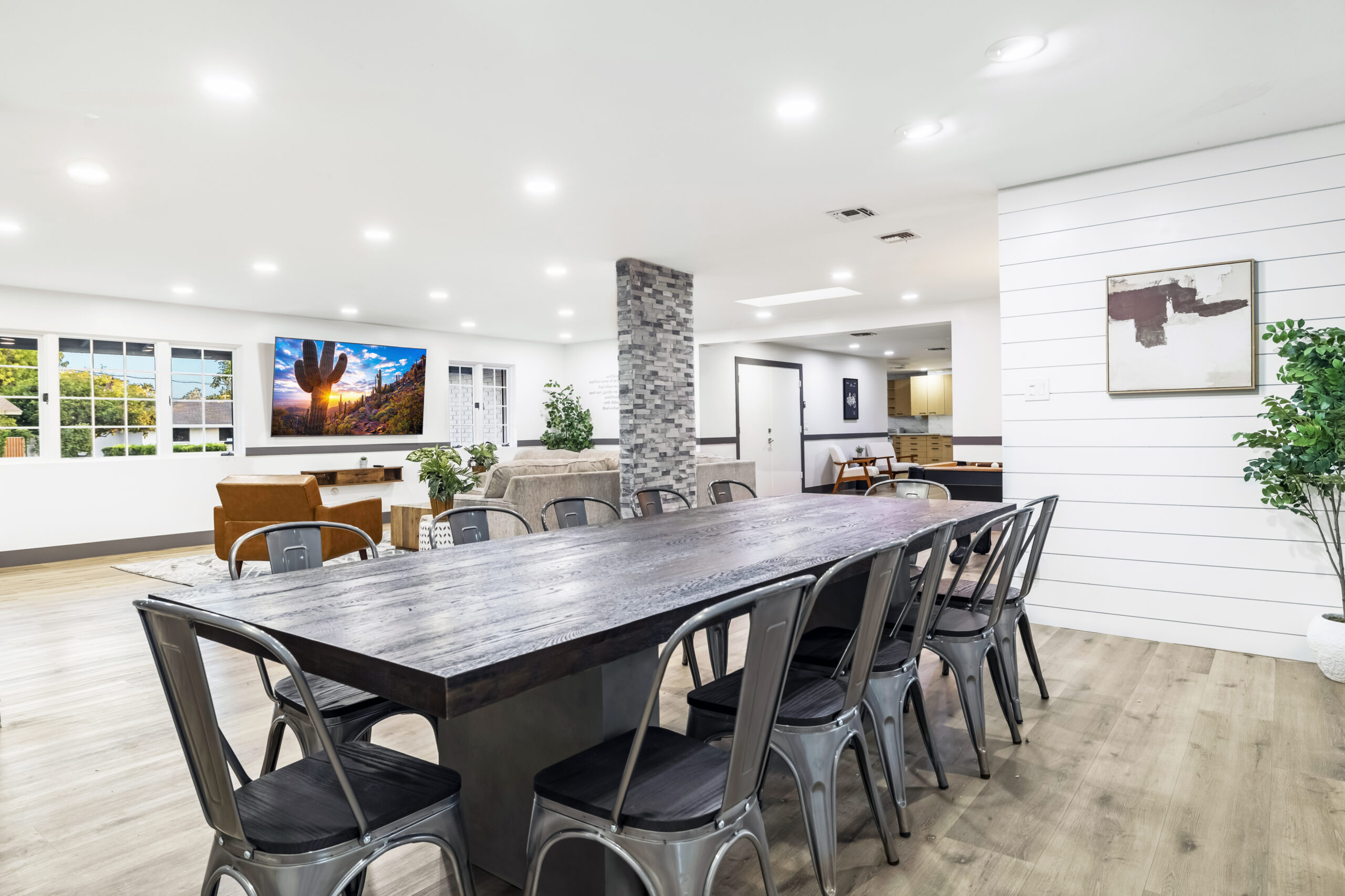
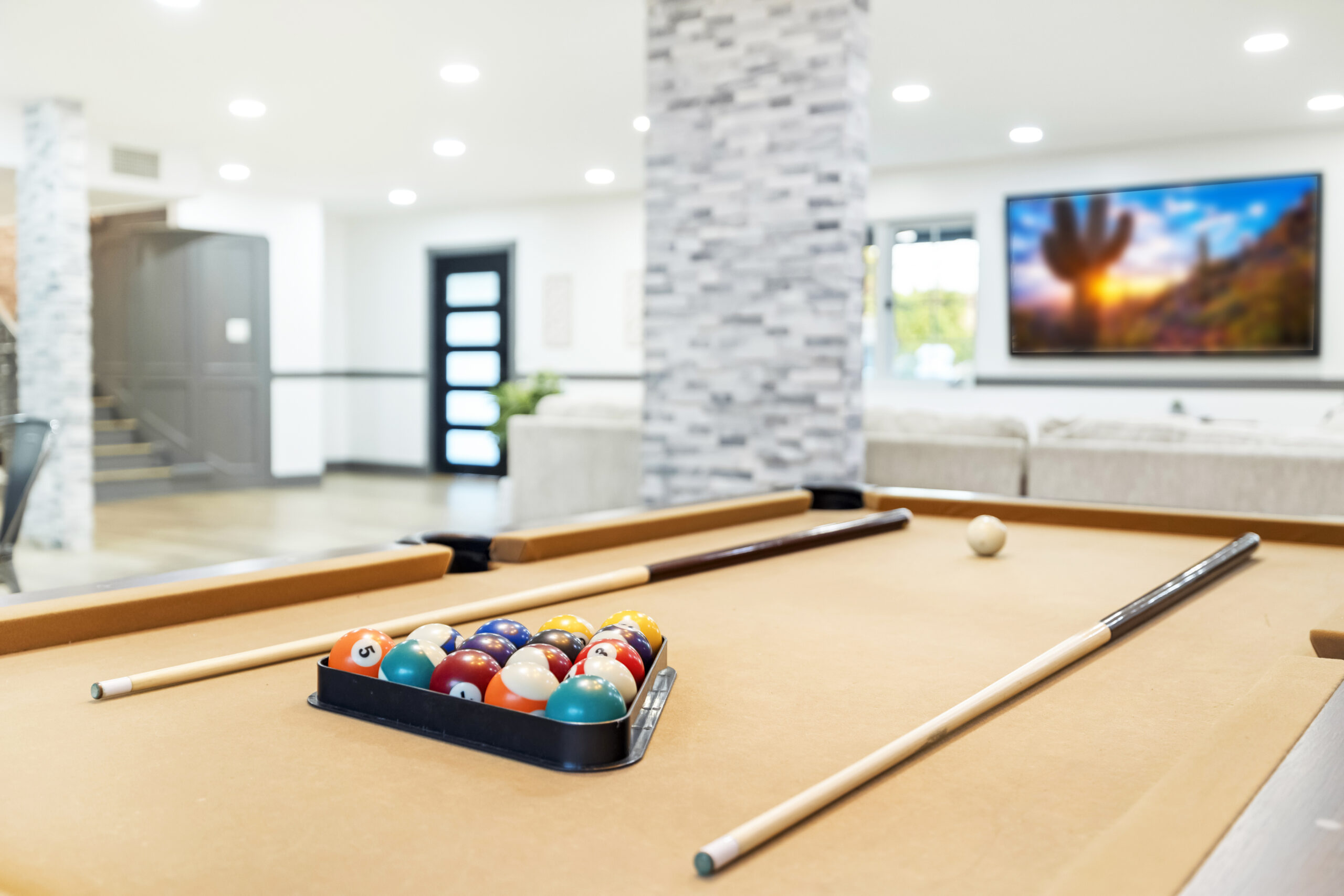
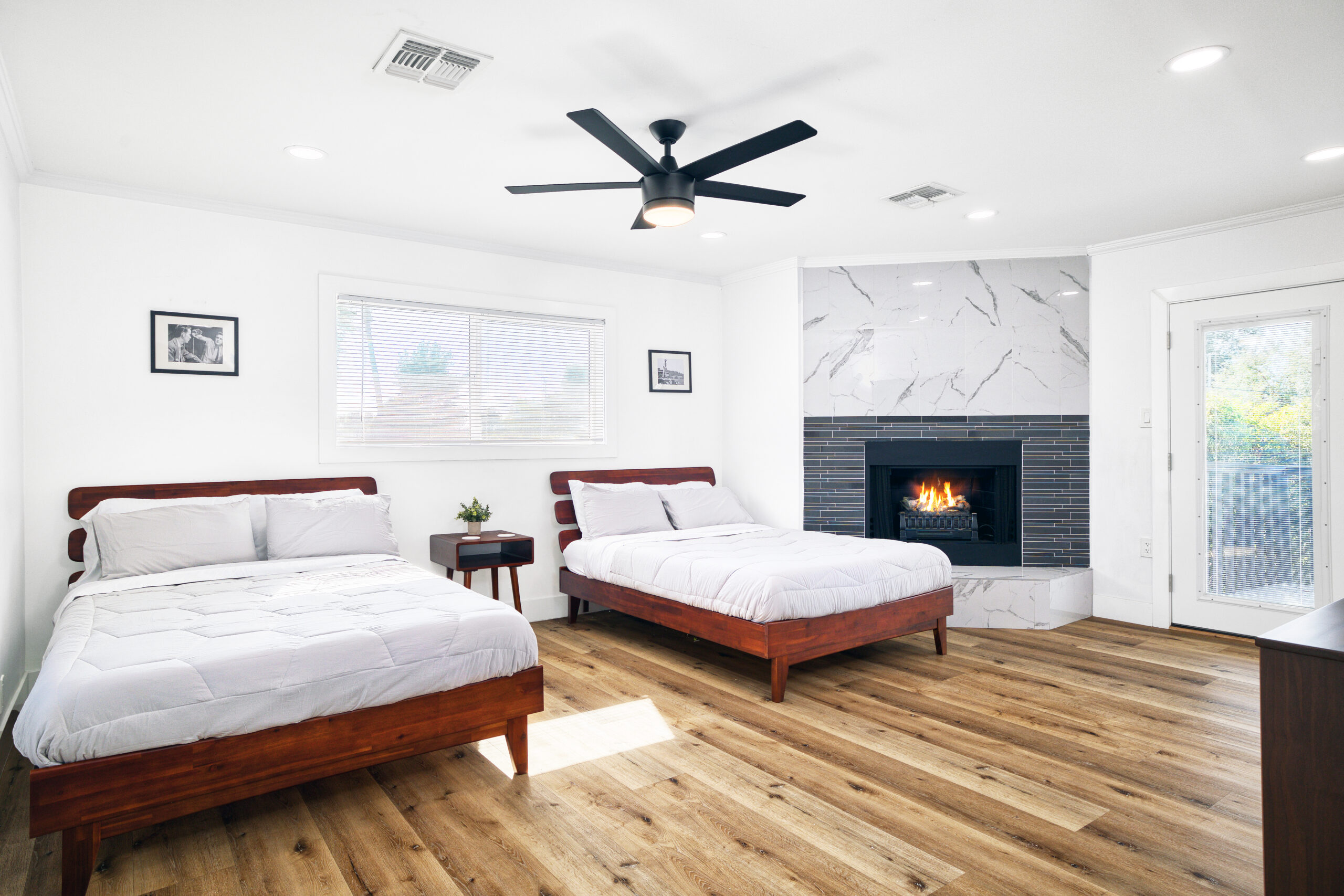
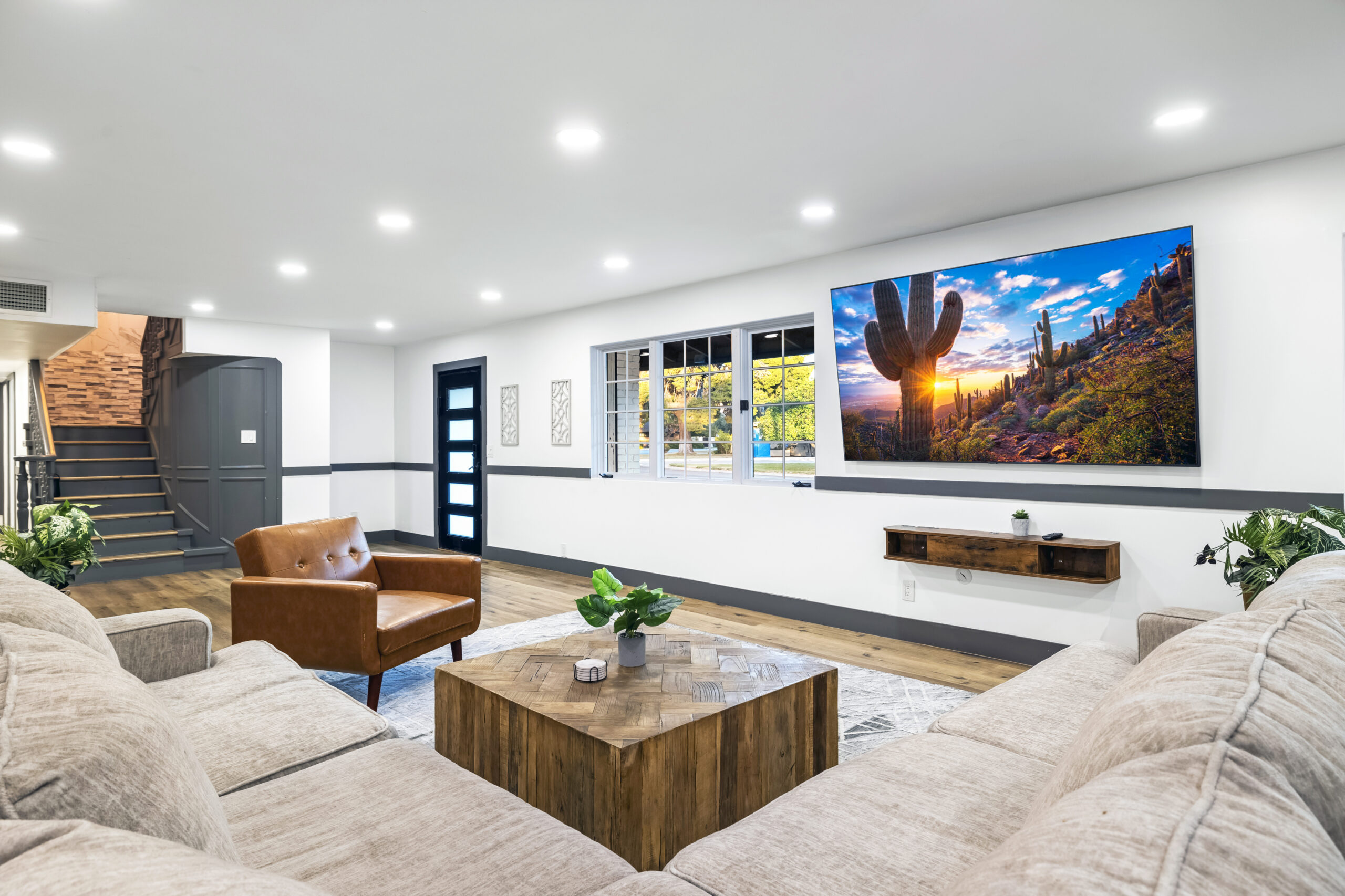
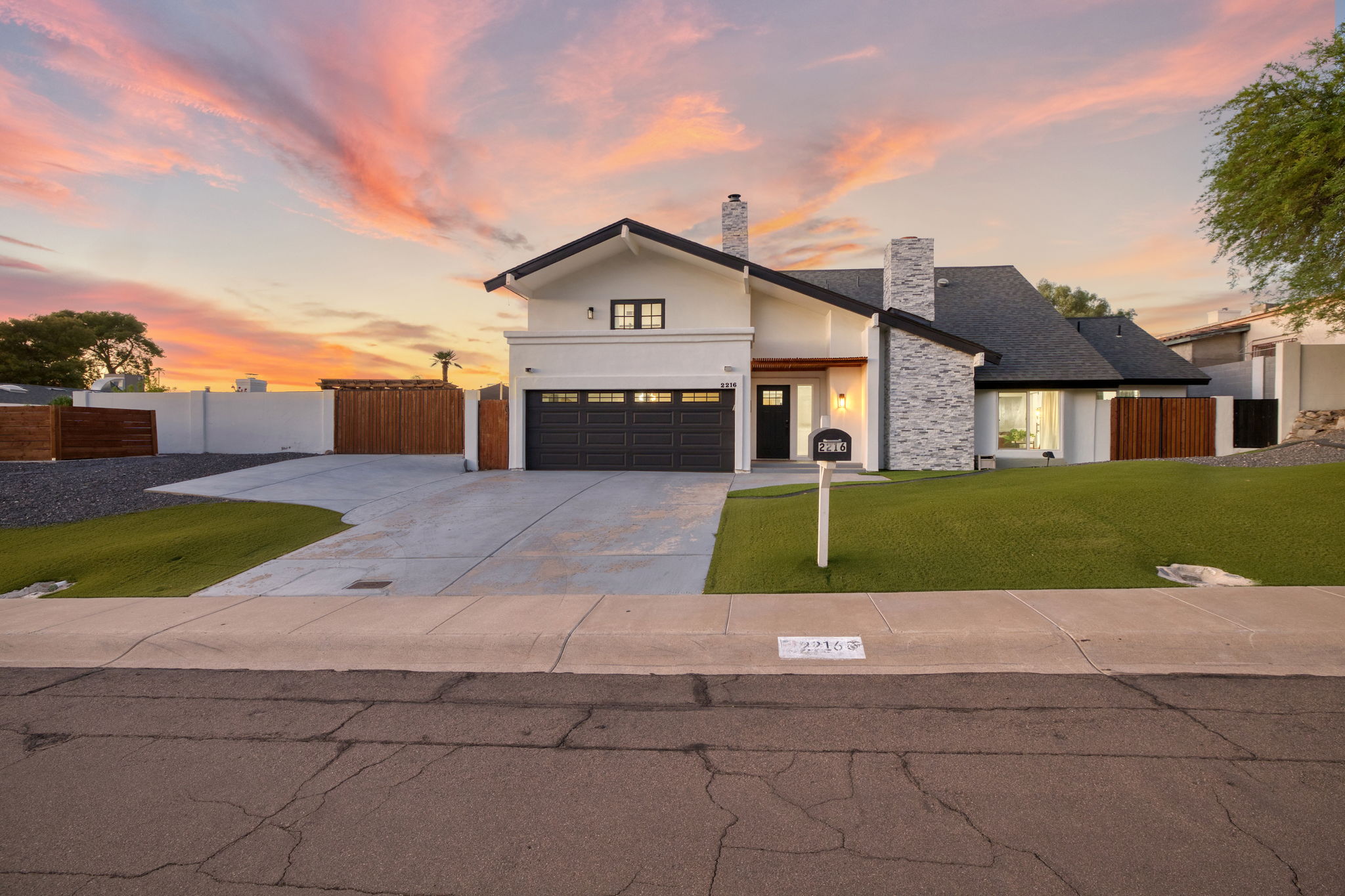
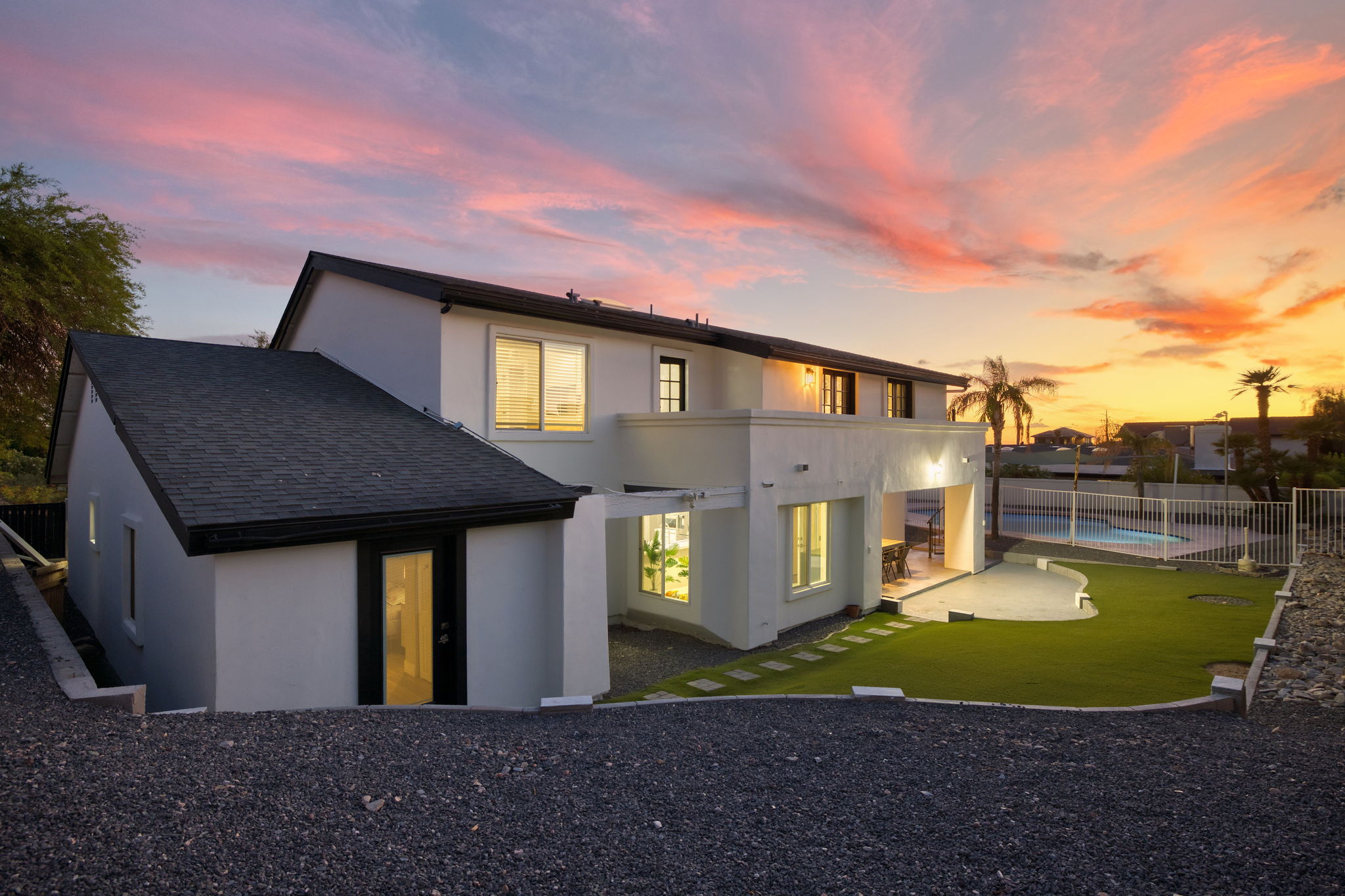
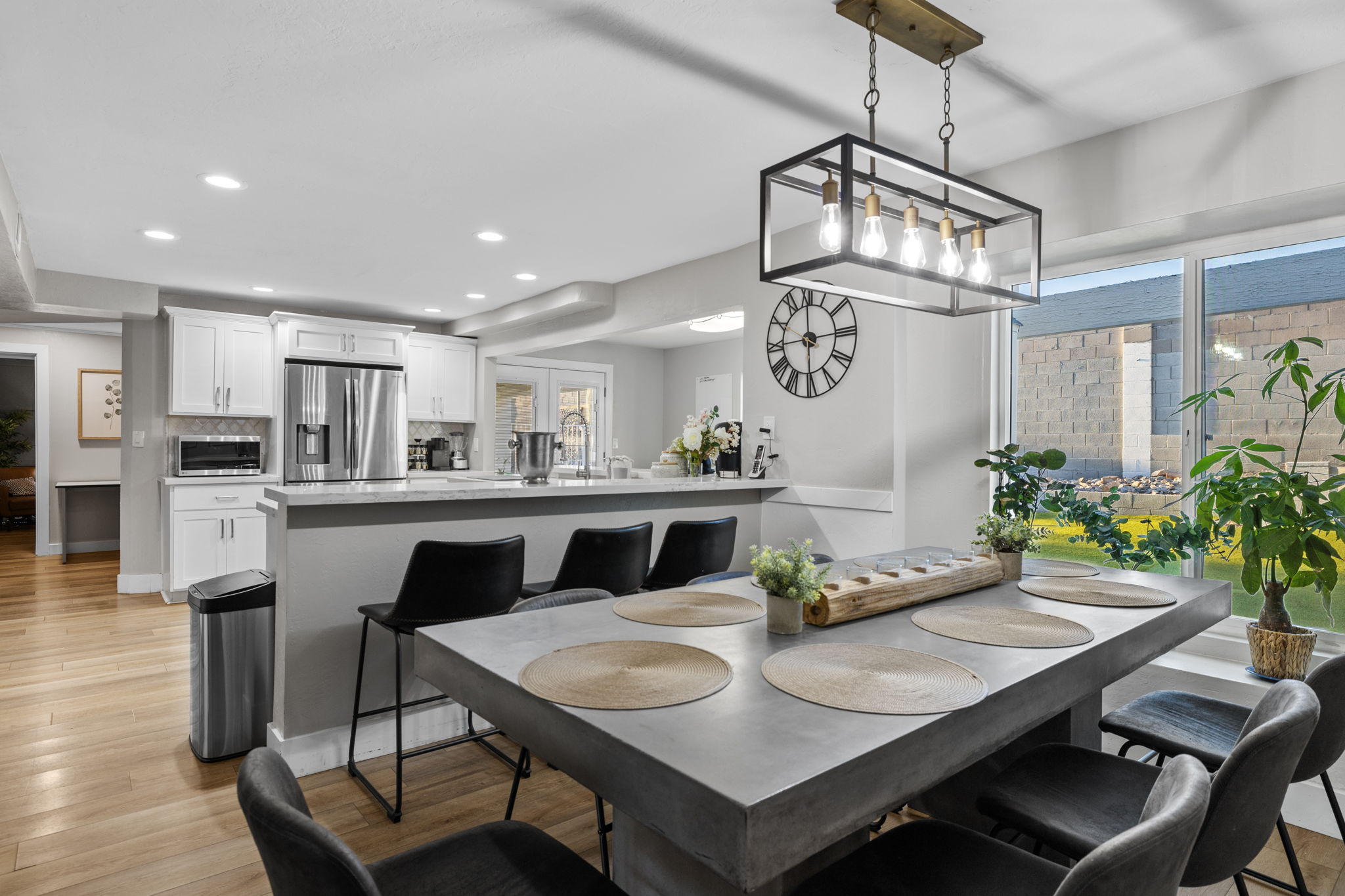
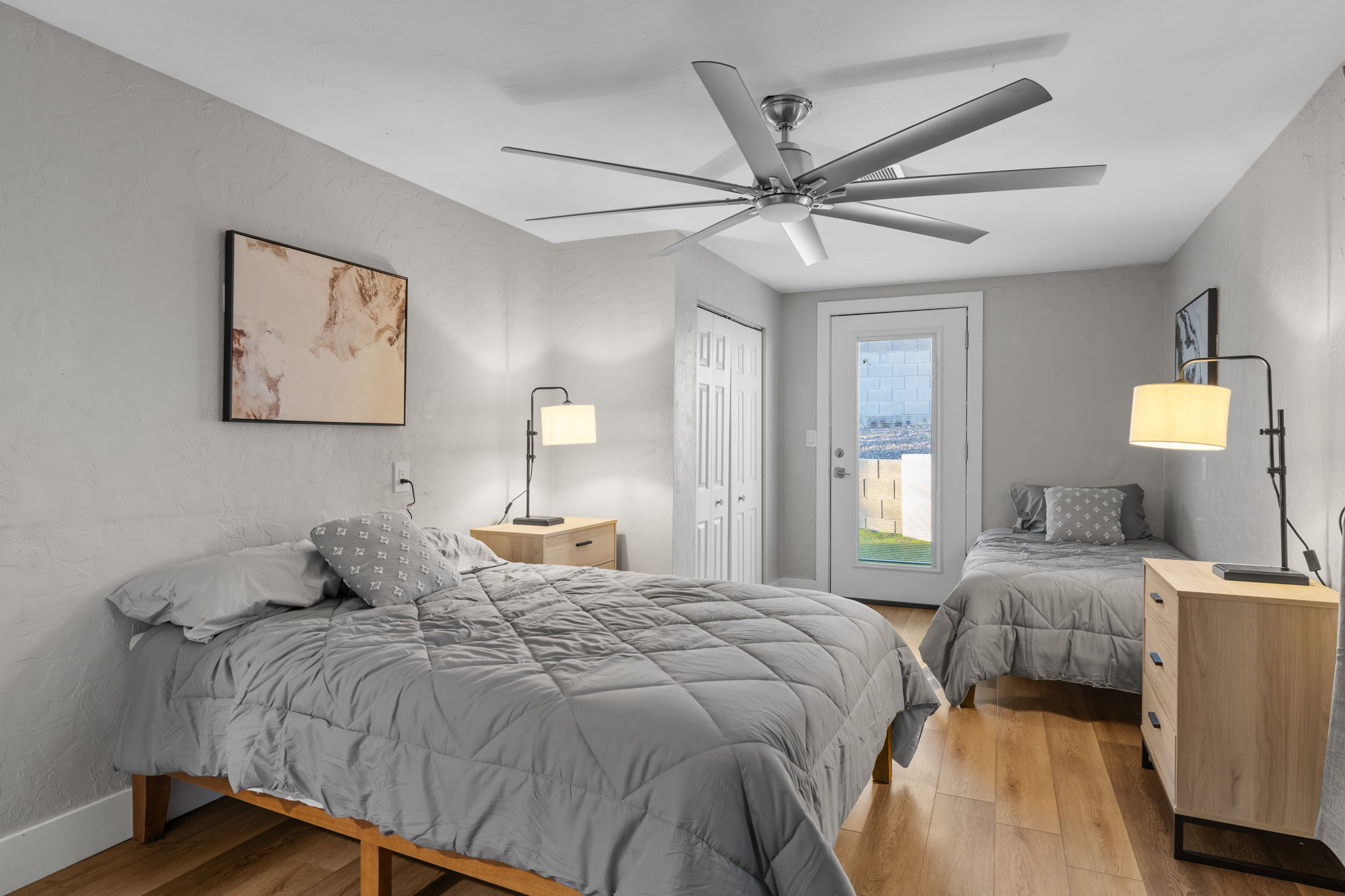
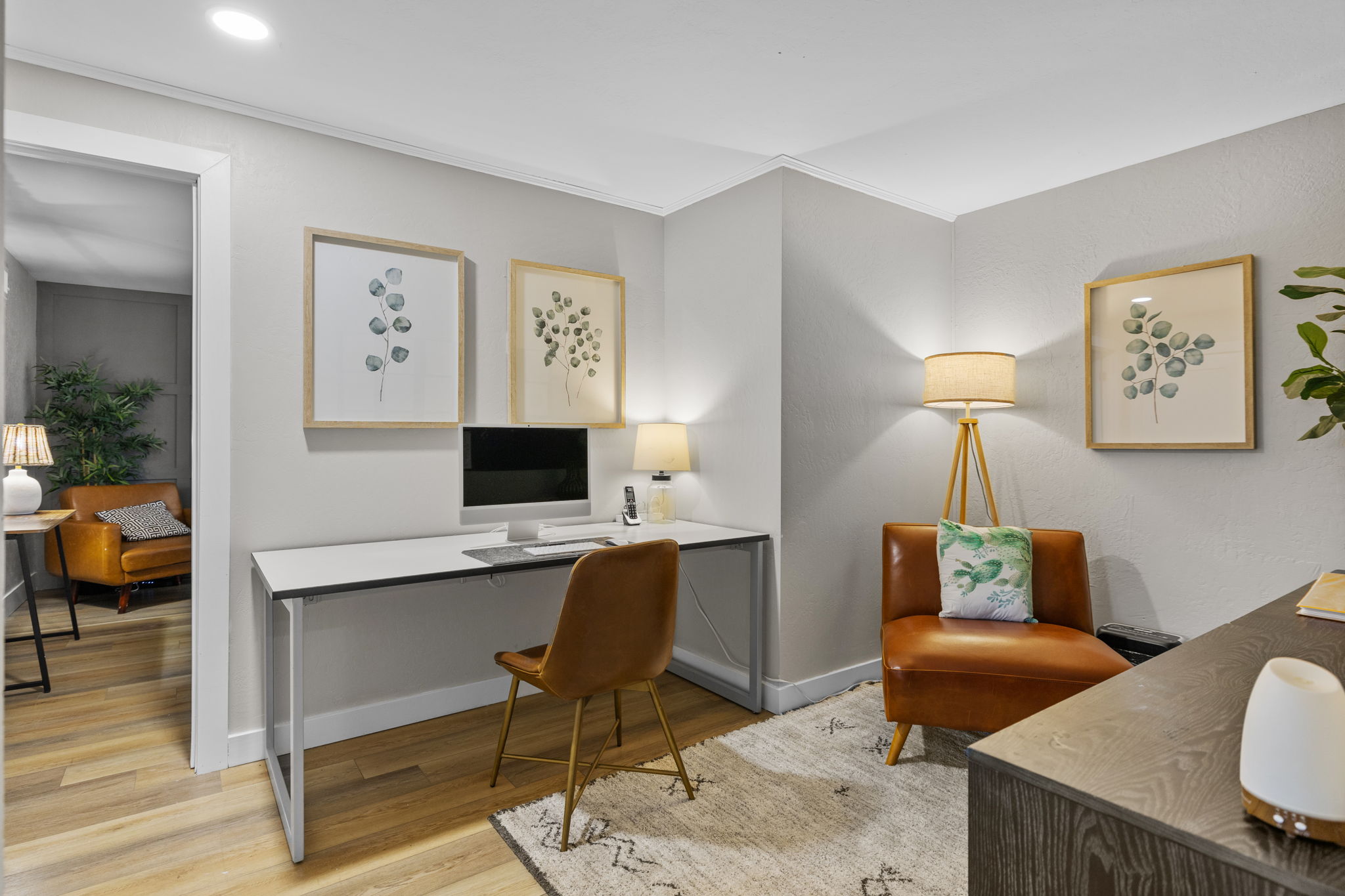
Find Your Next Step in Arizona
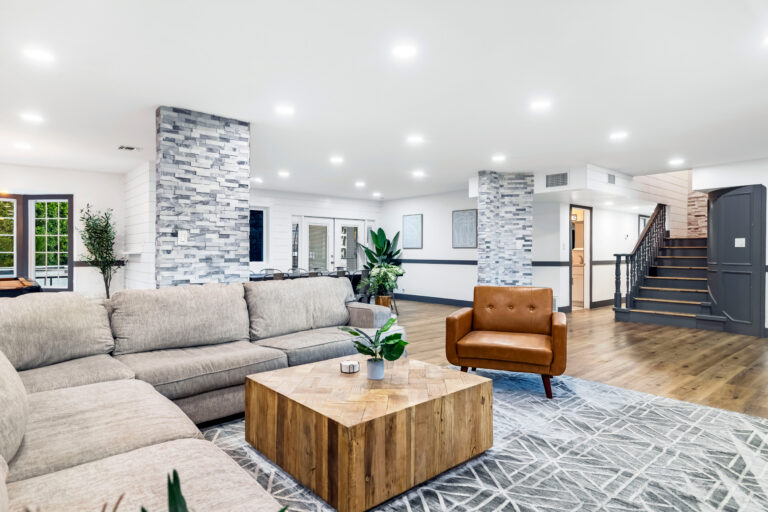
Recovery thrives in the right environment: a place with time, space, and support to help you grow. Arizona offers all that and more. Its sunshine, wide-open spaces, and vibrant recovery community create surroundings where rebuilding your life is possible and sustainable.
Across the state, there are sober living homes available to meet all of your needs at every recovery stage. Whether you enjoy the calm of a small town or the excitement of a city, there are sober living homes that welcome men, women, couples, the LGBTQ community, and pet owners. Each provides structure and connection and is a step forward on the path toward progress.
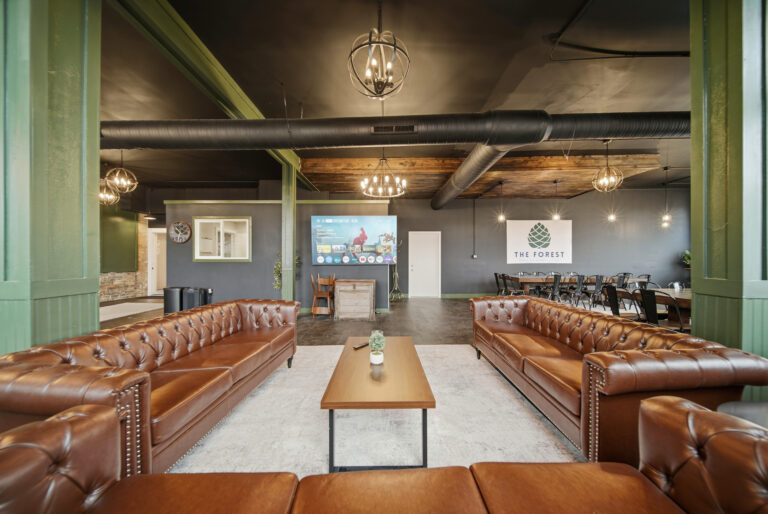
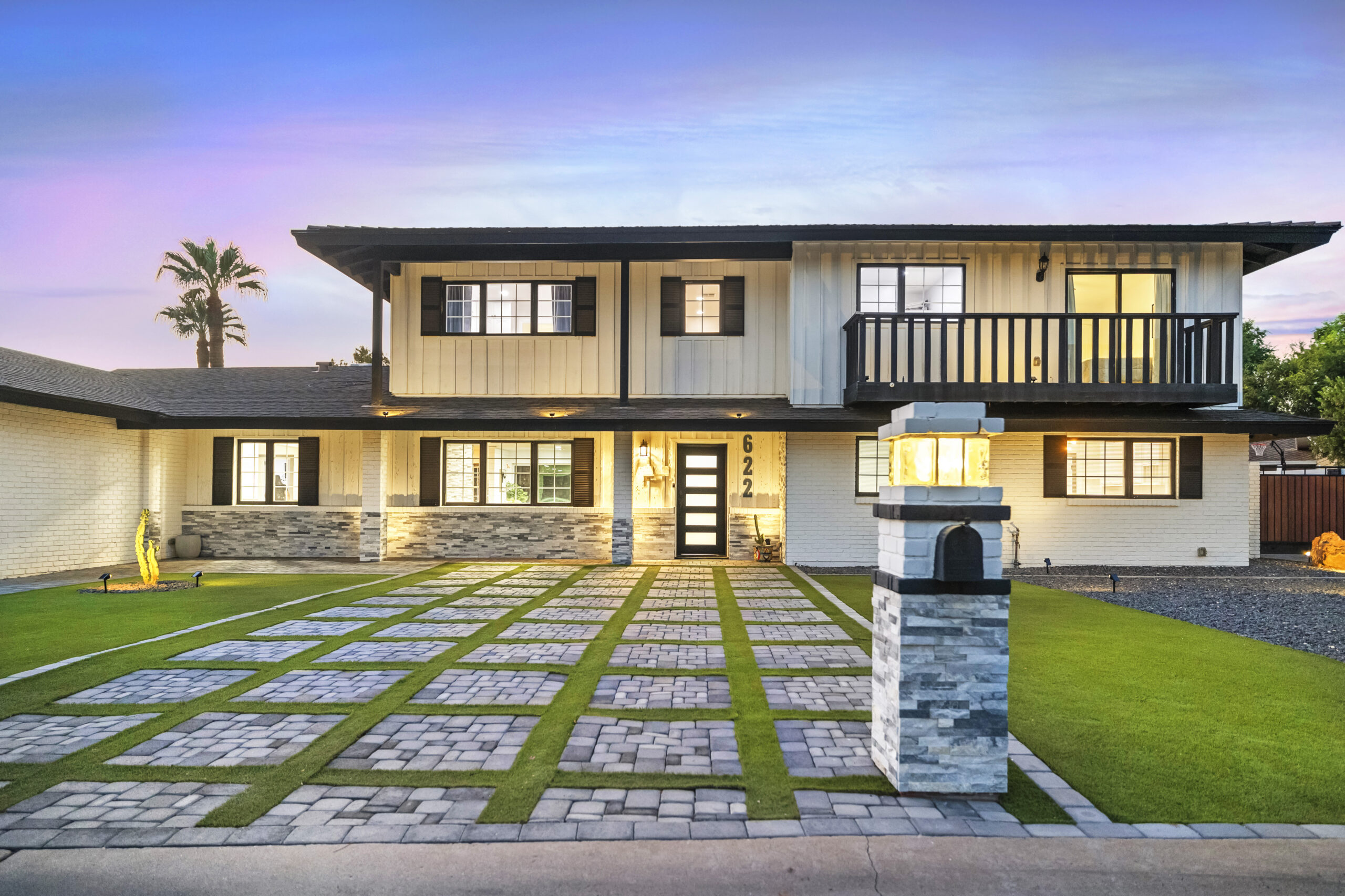
If you’re ready to take the next step, The Forest in Phoenix is here to help. Our homes are built on honesty, accountability, and care — the kind of foundation that helps recovery last.
FAQs About Sober Living in Arizona
What’s the difference between sober living and rehab?
Rehabilitation refers to a clinical process of treatment, involving therapy, medical supervision, and structured care. Sober living is different; it is the experience of learning to manage recovery day by day. Sober living in drug-free homes promotes accountability, provides a peer community, and offers stability while learning to be independent in a safe environment.
Are there specialized sober living homes throughout Arizona?
Yes. Arizona’s recovery community is both large and diverse, meaning there is a place for just about everyone. There are men’s homes, women’s homes, LGBTQ- affirming homes, pet-friendly homes, and housing for couples. No matter whether you are in a Phoenix or Tucson or a smaller town, there are options that are tailored to fit your needs and lifestyles.
How long can someone stay in a sober living home?
There is no set timeline for everyone. Although many people usually stay for 3 to 12 months, some stay longer while they build confidence, stability, and financial security. This type of environment is not designed to kick you out the door quickly; rather, it is meant to help you feel comfortable for the next step when you are ready.
What rules are typical in sober living programs?
Most households keep it simple with curfews, chores, testing, and routinely attending a house meeting. These rules create structure and safety for everyone in the house. It is not about control; it is about stabilizing life so recovery has space to flourish.
How can I tell if a sober home is safe and reputable?
Search for homes endorsed by the National Alliance for Recovery Residences (NARR) or the Arizona Alliance for Recovery Residences. Go by the residence, ask questions in person. Trust your gut! Good homes are going to feel open, consistent, and respectful. You should feel safe, supported, and allowed to be the person you are.
Sources
- Substance Abuse and Mental Health Services Administration. (2022). 2021-2022 National Survey on Drug Use and Health: Model-based estimated totals, Arizona. https://www.samhsa.gov/data/sites/default/files/reports/rpt44486/2022-nsduh-sae-state-tables/NSDUHsaeArizona2022.pdf
- Mericle, A. A., Patterson, D., Howell, J., Subbaraman, M. S., Faxio, A., & Karriker-Jaffe, K. J. (2022). Arizona: Key findings from the National Study of Treatment and Addiction Recovery Residences. Alcohol Research Group. https://nstarr.arg.org/wp-content/uploads/2022/10/Arizona_Final.pdf
- Arizona Department of Housing. (2024). State of Arizona Recovery Housing Program (RHP) report: Purpose, allocations, and need. https://housing.az.gov/sites/default/files/2024-09/FY2022%20State%20of%20Arizona%20Recovery%20Housing%20Program%20Report.pdf
- Arizona Department of Health Services. (2023). Arizona treatment capacity survey analysis: Quarter ending March 31, 2023. https://www.azdhs.gov/opioid/documents/survey-analysis/2023/march-2023-treatment-capacity-survey-analysis.pdf