Florida Sober Living Guide | Building a Life in Recovery

Recovery in a Supportive State Focused on Stability, Community, and Long-Term Healing
The state of Florida is home to a strong recovery community, steady routines, and supportive resources that people in recovery can lean on to help rebuild their lives after treatment. It offers a variety of peaceful residential communities, vibrant cities, and accessible treatment programs, making it a powerful place to find recovery from substance or alcohol abuse disorders.

Sober homes in Florida create a sober living environment where people in recovery can grow and practice life skills while maintaining their ties to peer support. Whether you are stepping down into sober living from detox, inpatient residential treatment, or from outpatient care, Florida sober living homes offer a transition line for continuing long-term recovery. This guide will explain why Florida is such a friendly sober living environment, what life in a sober living environment looks like, and how resources across the state can help you or a loved one move forward with clarity and confidence.

Why Choose Sober Living in Florida?

Florida offers a steady environment where people in early recovery can settle in and rebuild their lives complete with structure and support. The smaller towns, easier access to treatment, and supportive recovery communities make it a healing place to lay the foundation for long-term sobriety. Here are a few of the reasons why so many people recovering from substance use choose to find sober living arrangements in the state of Florida.

Calm and Convenient

Florida towns, cities, and coastal areas are laid-back, easy-to-navigate communities that make routines easier. Public transportation, outpatient treatment, health care providers, and community resources are within distance. This helps to keep normal life more manageable in the challenging first months of sobriety.

Safety and Stability

Following detox or treatment, it is important to return to an environment that is safe and stable. Sober living homes in Florida provide that stability, reliability, and accountability that help residents feel at home. Whether it is an Oxford House, halfway house, or private sober living apartment, each Florida sober living home is organized to help encourage long-term sobriety with access to nearby mental health and case management as well as outpatient programs.

Community and Support

The state of Florida has some of the country’s strongest recovery communities. Residents can find easy access to 12 step meetings, peer support groups, evidence-based programs, and nonprofit organizations all around the state. From South Florida to the Gulf Coast to Central Florida, recovery centers and local resources are in reach to make your recovery journey feel supported, not overwhelming.

Diverse Housing Options

Florida’s sober living landscape is diverse, allowing residents to choose a home that matches their needs, whether it’s men’s, women’s homes, LGBTQ, coed, or a pet-friendly environment. While each sober living home in Florida will be run differently, they all operate under one single code and for one single purpose: to provide a substance-free place where residents can practice accountability to one another and start to build better habits.

Employment Opportunities

Florida offers a wide variety of employment opportunities that support stable routines and reliable structure. Sober living residents in Florida can find work in areas like hospitality, health care, retail, logistics, delivery and transport, construction, food service, customer service, and more. Many jobs do not require any advanced training either, making them accessible no matter your background. With a variety of tourism dependent areas, an expanding healing system, and an even faster growing transport and warehouse sector, there are many roles in Florida that fit nicely into outpatient treatment schedules or daily peer support commitments.

What to Expect in a Sober Living Home in Florida

Recovery housing in Florida is built around structure, support, and steady routines. These environments help residents practice the skills they learned in addiction treatment and apply them to everyday life in a safe, encouraging setting. Every home is different, but generally, you can expect the following:

Structure and Routine

Most sober living homes in Florida follow simple, predictable routines that help people feel steady again. Things like weekly house meetings, curfews, shared chores, and regular drug testing create a safe, drug-free home where everyone can breathe a little easier.

Because Florida has so many treatment providers nearby—including outpatient programs, counseling, medication-assisted treatment, and mental health services—residents can stay connected to their care while leaning on the consistency of sober living. Having a routine and ongoing support at the same time helps many people build the kind of stability they haven’t felt in a long time.

Community and Accountability

One of the most meaningful parts of sober living in Florida is the sense of community. Living with others who understand substance use, early recovery, and real-life challenges makes the process feel less isolating.

Most homes create space for honest conversations, shared responsibilities, and mutual encouragement. House meetings become a place where residents talk about what’s going well, what’s hard, and how they can support one another. Little by little, that accountability helps people rebuild trust, find connection, and feel part of something again.

Continued Recovery Support

Sober living is not something people do alone. Throughout Florida, residents can stay connected to treatment programs, mental health providers, and peer support while they settle into a stable home environment. This might include outpatient treatment, case management, therapy, medication-assisted treatment, or aftercare plans from a treatment center.

Having these supports close by makes it easier to stay on track. It allows residents to practice coping skills, strengthen relapse-prevention tools, and build confidence as they move into the next chapter of their recovery journey.


Local Substance Abuse and Recovery Stats

In 2023, Florida recorded 7,220 fatal drug overdoses statewide.[1]

Between 2023–2024, the state served over 213,000 adults in community-based substance abuse and mental health services.[2]

Between 2022 and 2023, Florida saw fewer drug-related crises, with ER visits dropping 9.6% and EMS overdose responses falling 1.3%.[3] These reductions are generally viewed as signs that recent statewide efforts—including expanded naloxone access, more harm-reduction programs, and increased funding for treatment and prevention—may be helping reduce the number of acute emergencies.

Recovery residences have been shown to support strong long-term outcomes, including higher employment, reduced substance use, and lower criminal activity—benefits that can last for at least 18 months.[4]

Take Your Next Step at The Forest

Florida offers so many places where people can begin putting their lives back together, and finding steady support along the way makes the process feel less overwhelming. Once you’re ready to continue growing, having a comfortable home where you feel understood can make a real difference in how confident you feel moving forward.

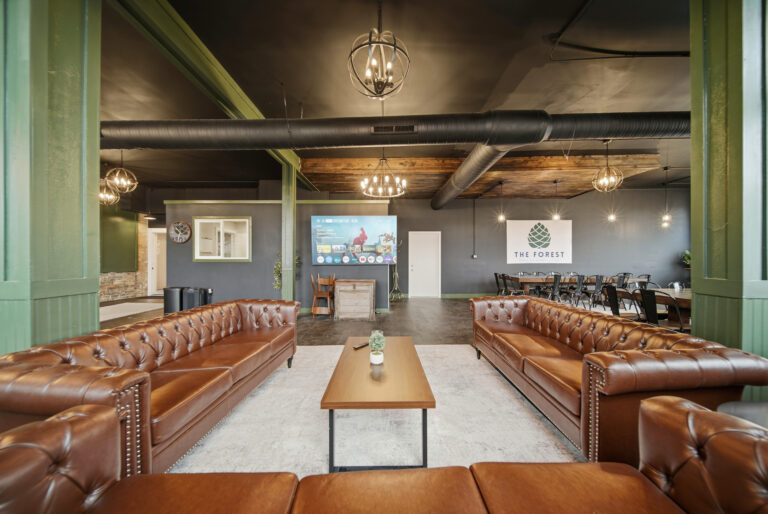
The Forest Sober Living in Lakeland provides a calm, welcoming space where you can settle in, build healthier routines, and keep moving toward the life you want. It’s a home built on encouragement, respect, and genuine care — the kind of environment where people feel supported as they take their next step in recovery.

If you’re looking for a place that meets you with warmth and believes in your potential, we’re here when you’re ready. Reach out today and let us help you start your next chapter.

Frequently Asked Questions About Sober Living in Florida

What is a sober living house?

A sober living house is a drug-free home where people continue building stability after detox, inpatient treatment, or outpatient care. These homes offer structured guidelines, peer support, and a safe living environment that helps residents strengthen their recovery.

How long do people stay?

Many residents stay between three and twelve months. Others stay longer if they benefit from extra structure or support services. The right length of stay depends on each person’s goals and what they need to feel confident and prepared for independent living.

Are there rules in sober living homes?

Yes. Most Florida sober homes include curfews, household chores, house meetings, and drug testing. These expectations help maintain a respectful, supportive environment where everyone can focus on long-term sobriety.

Do I have to be in treatment while living in sober housing?

Some homes require outpatient treatment or participation in 12-step meetings. Others encourage ongoing care but do not require it. Staying engaged with counseling, case management, or behavioral health support often helps residents maintain steady progress.

Can I work while living in a sober home?

Yes. Many Florida residents work while living in sober housing. The state offers accessible employment across multiple industries, allowing people to build routines that support both work and recovery.

Are there different types of sober living homes?

Yes. Florida offers many options, including recovery residences, halfway houses, Oxford Houses, and sober living apartments. Some offer more structure, while others provide greater independence.

How do I know if sober living is right for me?

Sober living may be a good fit if you want accountability, a supportive community, and a structured home while continuing your addiction recovery. If you are not ready to live alone or want more time to practice healthy habits, sober living can provide a strong foundation for long-term recovery.

Sources

  1. Florida Department of Health. (2025). Substance Use Dashboard: Overview – Florida [Data set]. FLHealthCHARTS.
    https://www.flhealthcharts.gov/ChartsDashboards/rdPage.aspx?rdReport=SubstanceUse.Overview
  2. Florida Department of Children and Families. (2024). 2023–2024 Substance Abuse and Mental Health Services Triennial Master Plan Annual Update.
    https://www.myflfamilies.com/documents/49456.pdf
  3. Florida Department of Law Enforcement & Florida Medical Examiners Commission. (2024).
    Statewide Drug Policy Advisory Council Legislative Report [Interim data]. Retrieved from
    https://www.floridahealth.gov/wp-content/uploads/2025/08/dpac-2023-annual-report.pdf
  4. Recovery Research Institute. (2025). Recovery residences: Which housing characteristics predict positive resident outcomes?

    Recovery residences: Which housing characteristics predict positive resident outcomes?


Sober Living Homes Nearby