Find Structure, Connection, and a Place to Grow
Mesa offers an affordable, connected community with all the benefits of city living and the calm of a residential neighborhood. As part of the Phoenix metro area, it gives residents access to a wide recovery network, steady employment opportunities, and spaces that support real healing.
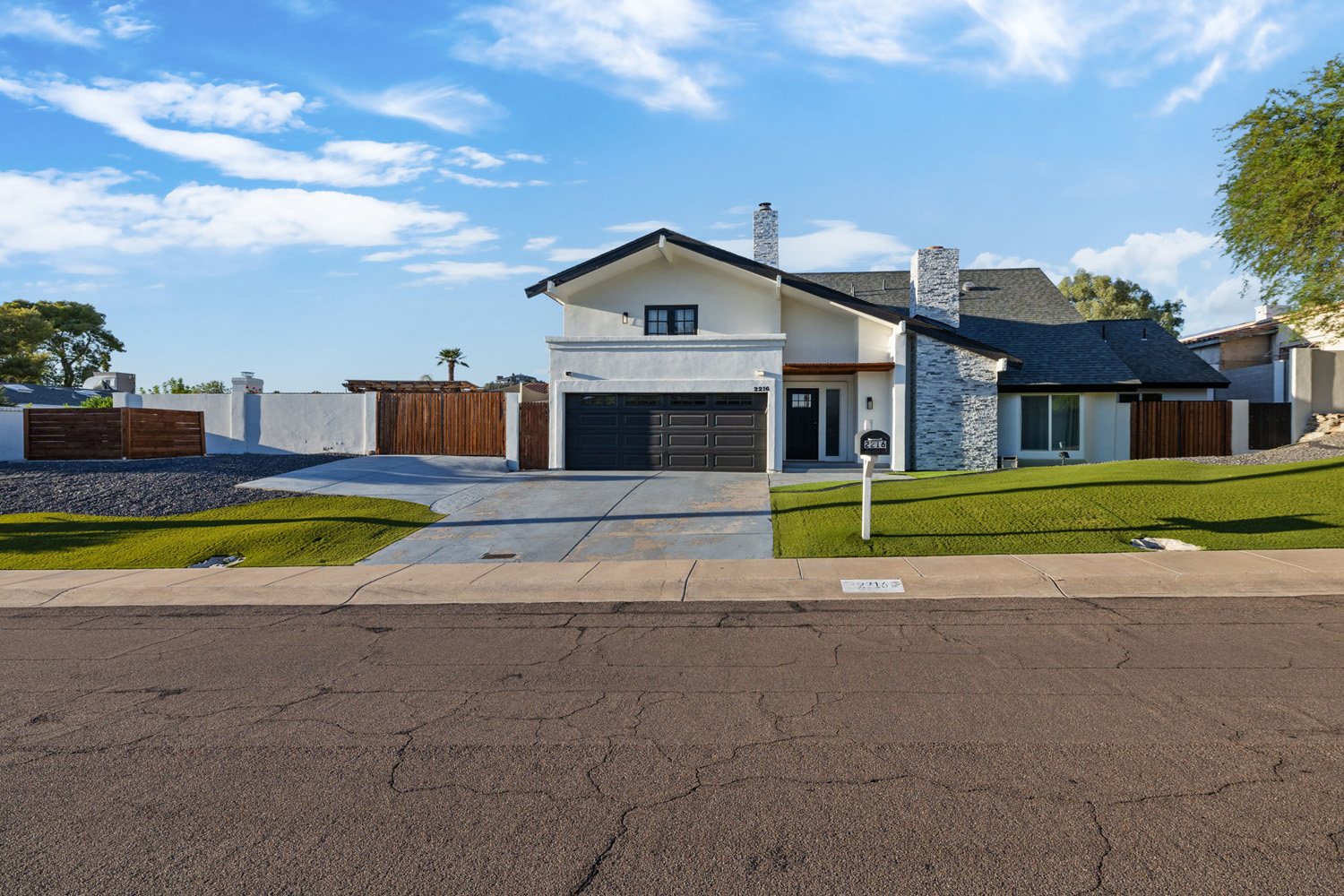
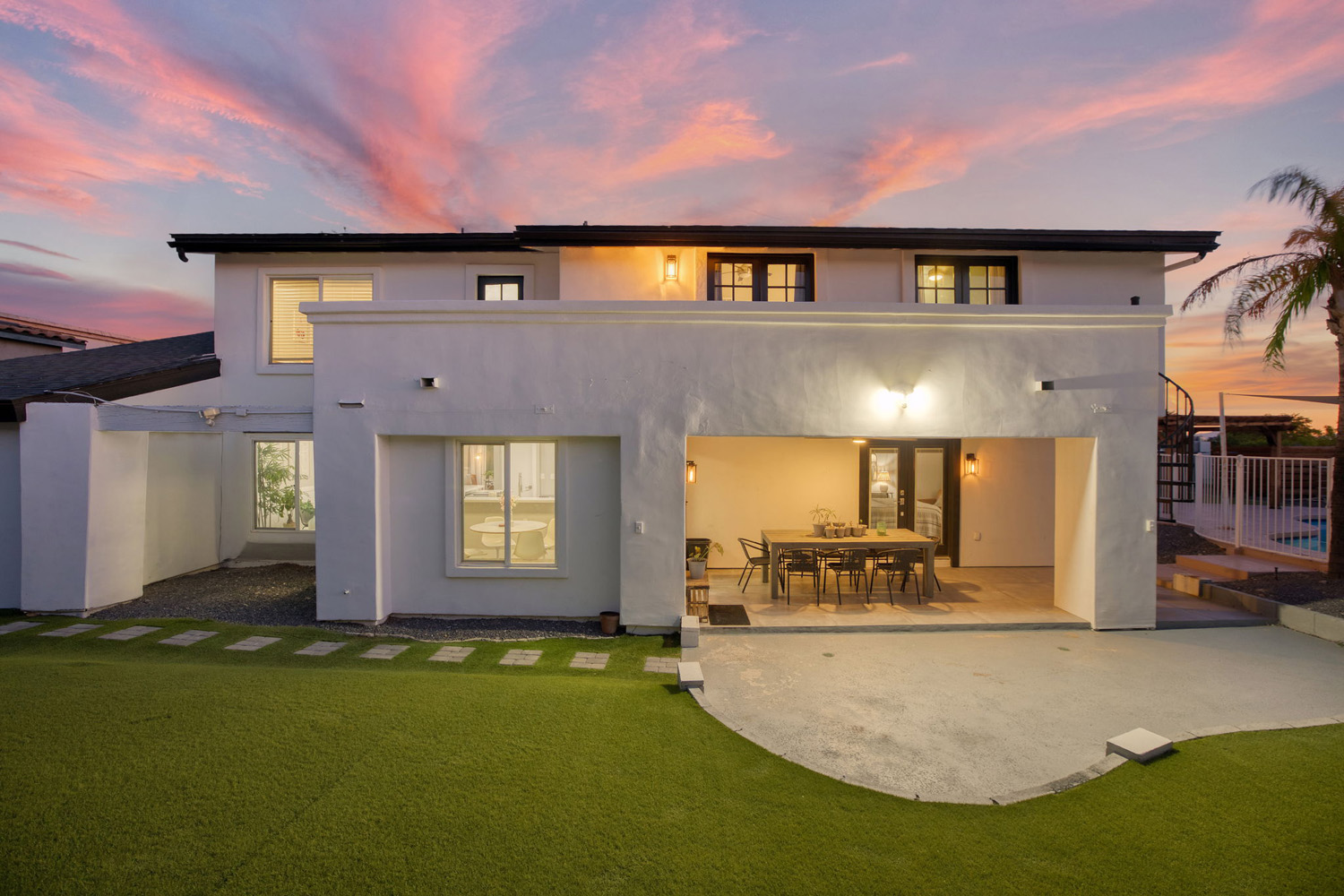
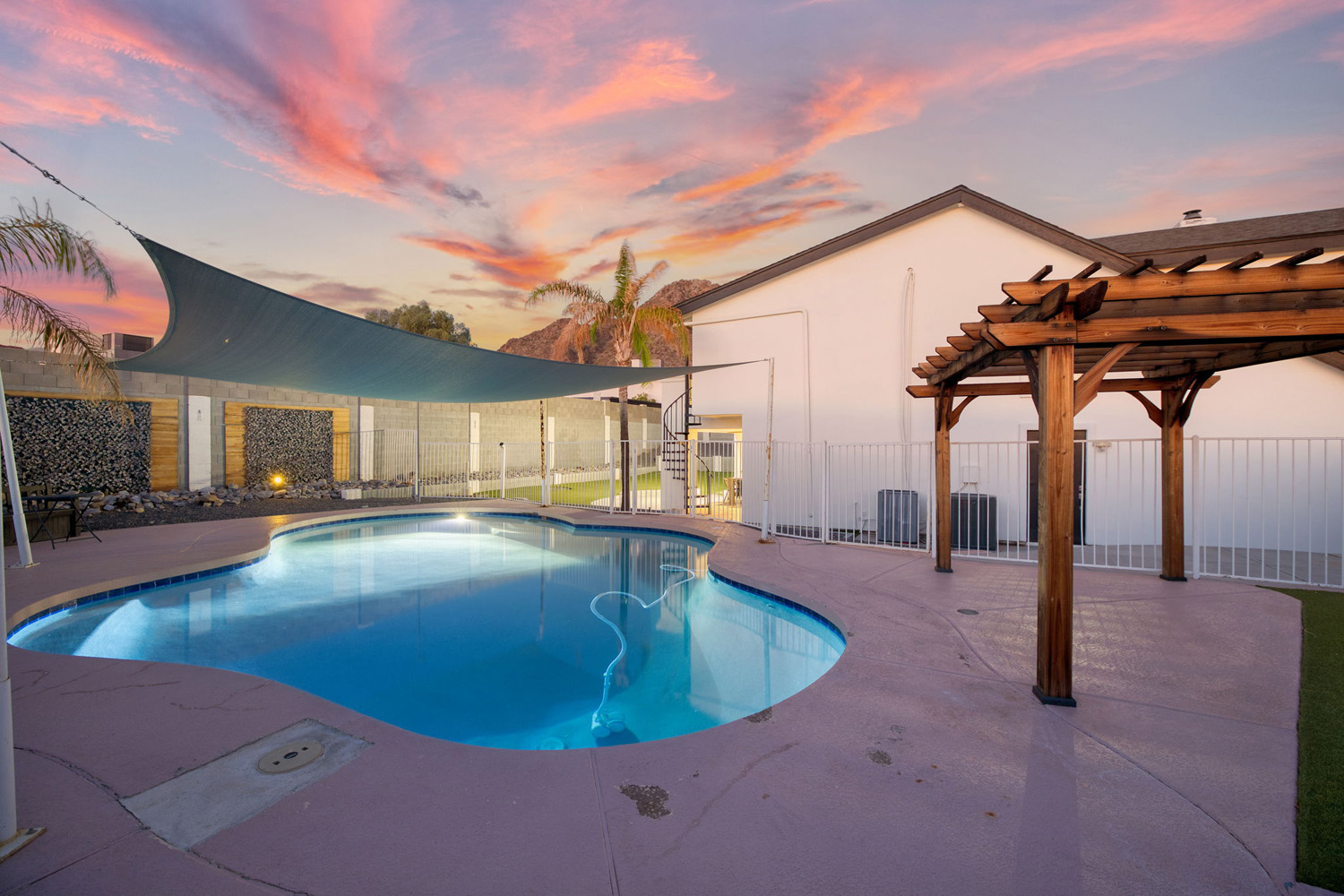
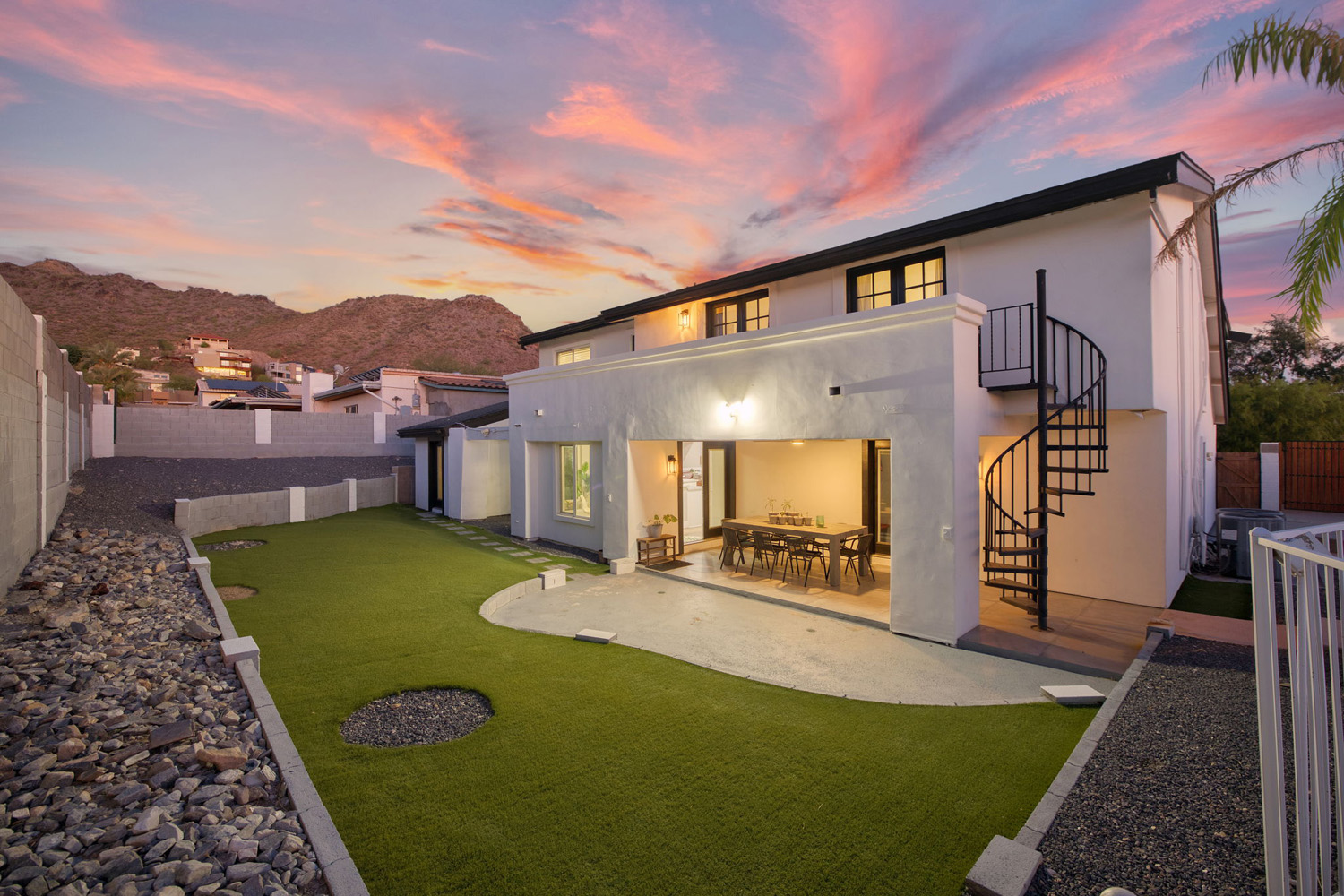
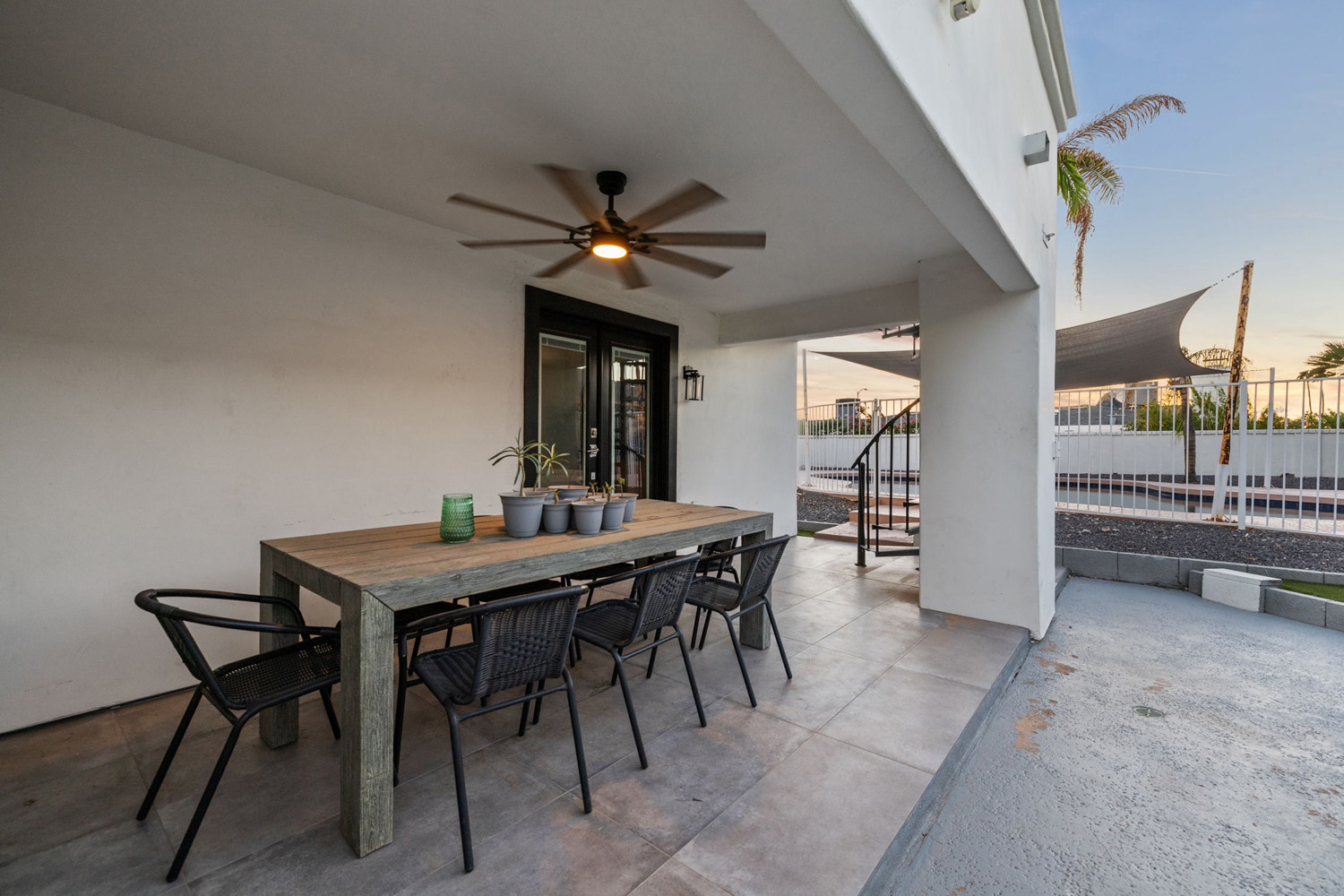
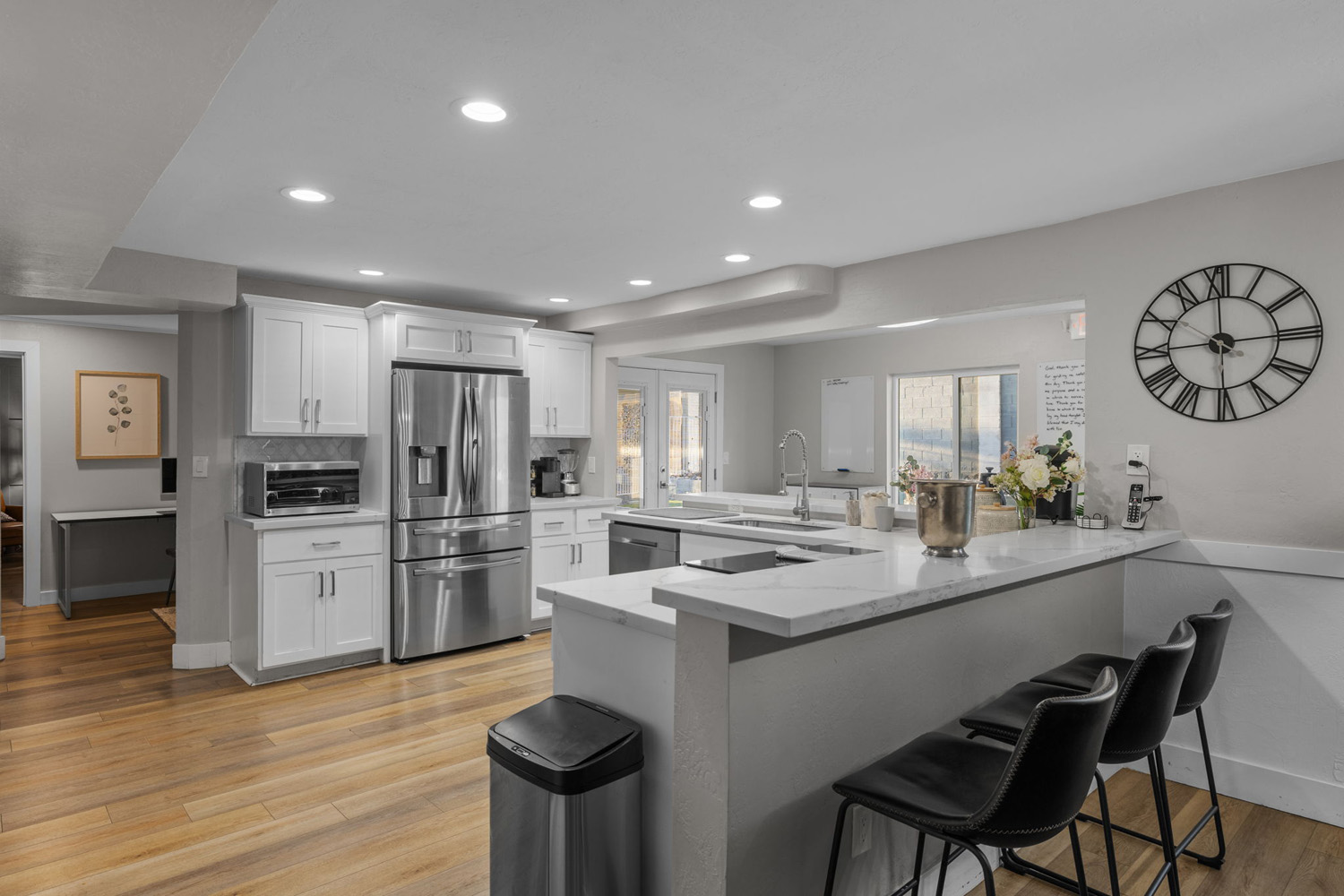
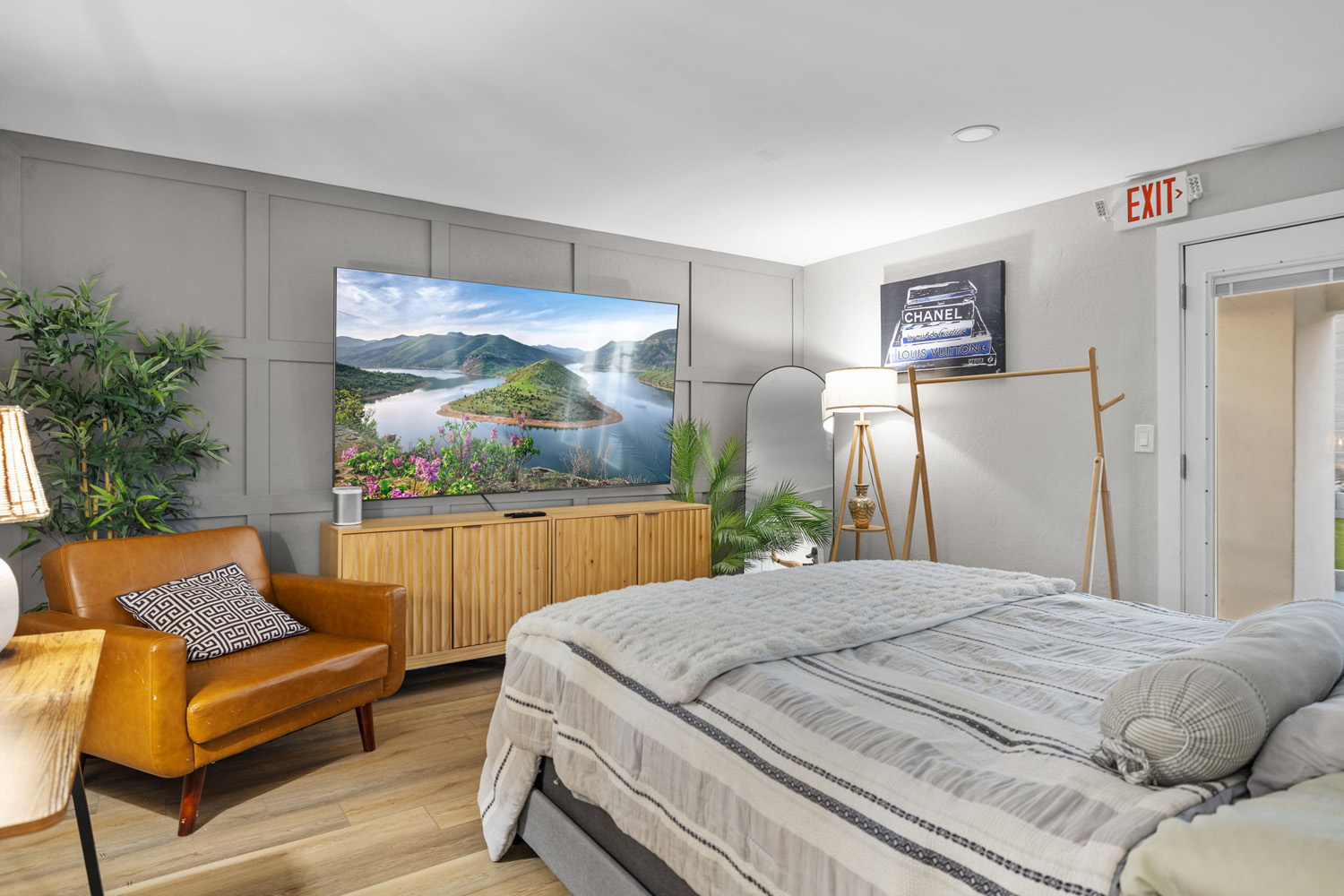
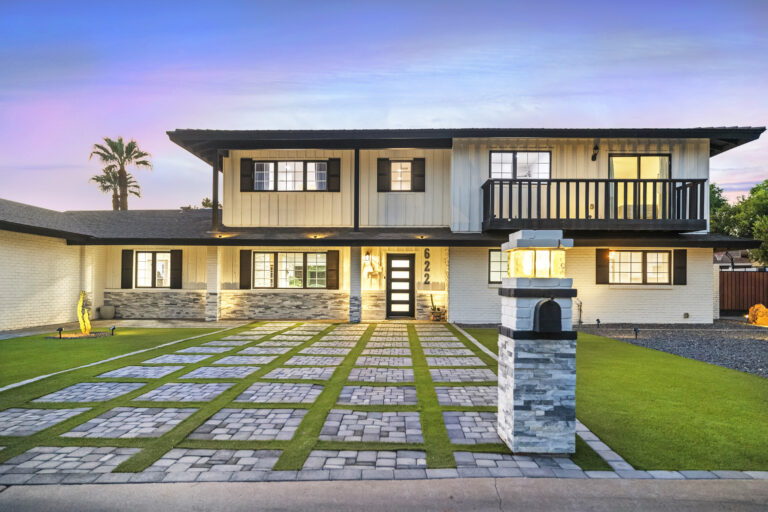
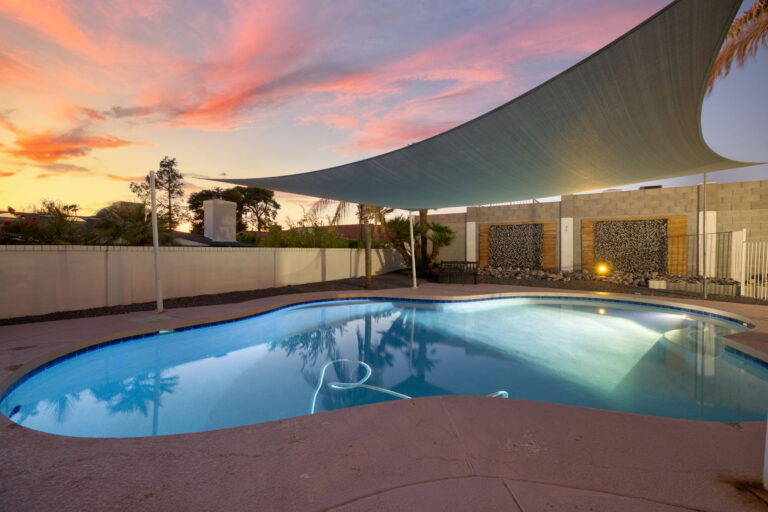
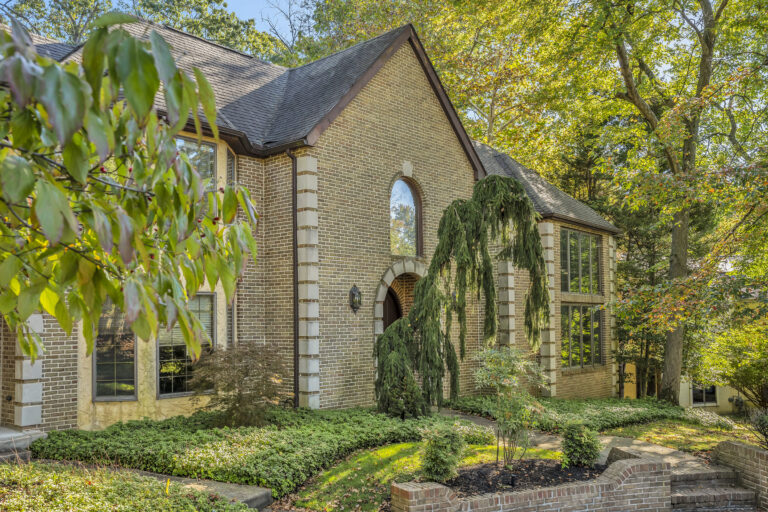
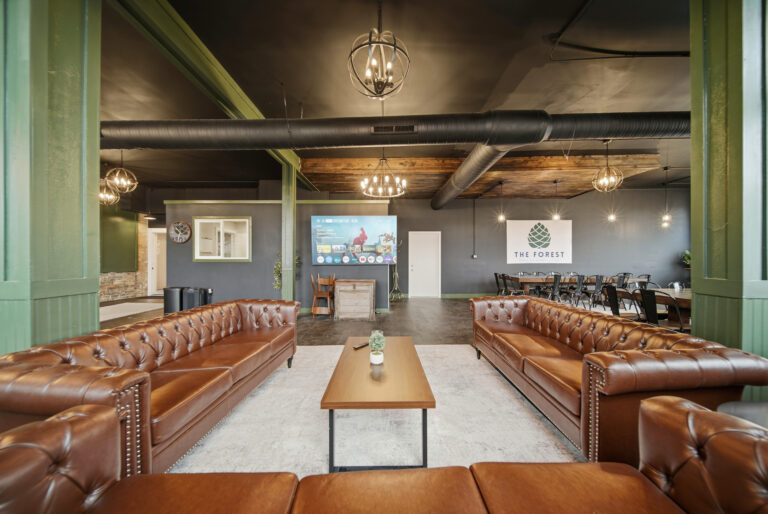
At The Forest Sober Living, our Mesa homes blend structure and independence in an environment built for accountability, growth, and long-term sobriety.
Why Choose Sober Living in Mesa?
Mesa blends affordability, connection, and opportunity to become a grounded environment for recovery. It is a city that allows structure and development without the pressure of big-city living.
A Supportive Recovery Community
Mesa’s transitional living recovery community is tight-knit yet approachable. Daily meetings, local outpatient programs, and peer-based support create a relaxed environment for staying connected and on-task. Here, neighborhoods are safe and familiar, allowing residents to concentrate on steady improvement and building a true community.
Healing and Balance in Daily Life
Mesa has the space and simplicity to help restore a healthy living routine. It has parks, trails, and recreation sites all within easy reach to keep you active and engaged with nature. It’s also a calm place to live as you stay grounded and progress toward independence.
Affordability and Opportunity
The foundation of a solid recovery is having an affordable but safe, secure, and supportive place to grow. Mesa’s cost of living is lower than Scottsdale’s or the central Phoenix area’s, allowing even greater freedom to focus on your personal goals. Plus, you’ll still have full access to the resources in the Valley, including employment opportunities and the recovery community.
Inclusive Housing Options
Mesa’s sober living homes are open to everybody. There are men’s and women’s sober living homes, LGBTQ-friendly homes, homes tailored to couples, and even pet-friendly homes to provide accountability and structure. Wherever you are in your life, Mesa can provide the structure, support, and community to help you move forward with confidence.
Employment Opportunities in Mesa
The job market in Mesa offers structure, stability, and room for growth – all elements that may help you rebuild your life with greater stability. There are job opportunities for stable employment at every stage of recovery, with local employers found in healthcare, education, aerospace, manufacturing, and public service.
- Banner Health is one of the region’s largest employers, offering careers in patient care, administration, support services, and clinical operations across multiple Mesa facilities.
- Mesa Public Schools hires support staff, administrative assistants, and maintenance staff throughout the city.
- The City of Mesa offers municipal positions in parks and recreation, public works, community programs, transportation, and customer service.
- Boeing (Mesa facility) provides roles in aerospace manufacturing, assembly, maintenance, engineering, and operations at its well-established local campus.
- Dexcom hires for manufacturing, customer support, and tech-focused roles at its East Valley facilities producing diabetes technology.
What to Expect in a Sober Living Home in Mesa
Life in sober living is about finding balance again. At The Forest Sober Living, structure and support help our residents reclaim a sense of confidence, cultivate accountability, and establish routines that help them recover and thrive in life.
Structure and Routine
Each day offers structure and purpose. Residents have consistent schedules, fulfill responsibilities to the house, attend recovery and house meetings, and follow expectations set forth by the house and community standards. Most homes support participation in daily 12-step or alternative recovery-style program groups, while incorporating regular drug and alcohol testing to foster accountability to each other and the house.
This structure builds the foundation of stability that early recovery requires. Structured schedules, predictable routines, and requirements around wake-up times, chores, meetings, meals, curfews, etc., support residents in staying focused, grounded, and engaging in healthy habits.
Community and Accountability
Recovery happens best in a community.
Housemates live day to day with people who know the struggles of recovery, providing both accountability and encouragement. Weekly group meetings bring everyone together so they can check in with one another, set goals, and celebrate successes. Peer mentors in the home often serve as models of long-term sobriety and are invaluable when things get challenging.
Mesa is part of the greater Phoenix recovery network, so residents have access to meetings, events, and other support systems throughout the Valley, which can foster a sense of belonging that extends far beyond the home.
Continued Recovery Support
Sober living is not simply a place to live; it provides an opportunity for growth. In most cases, residents have to participate in regular outpatient programs, meet with their sponsors, and develop the life skills necessary for independent living. Most sober living homes also assist residents with finding jobs, developing resumes, practicing mock interviews, and budgeting to help them move through life comfortably.
Mesa’s recovery resources provide exceptional outpatient treatment for those who need evidence-based therapy, medication-assisted treatment, and mental health support. From community-based clinics to private providers, our residents can utilize the treatment that meets their unique care needs and personal goals.
Sober-Friendly Things to Do in Mesa, Arizona
Recovery doesn’t mean missing out on life. Mesa is filled with ways to stay active, creative, and connected. Here are a few local favorites:
Visit Lost Dutchman State Park in the Superstition Mountains and take in breathtaking desert views.
Explore the Hawes Trail System for mountain biking or trail running through rugged, scenic terrain.
Spend a peaceful afternoon kayaking or paddleboarding at Saguaro Lake, a serene spot for reflection and relaxation.
Walk the desert trails at Usery Mountain Regional Park, where you can spot local wildlife and catch stunning sunset views.
Ride or jog along the Arizona Canal and Salt River trails, ideal for movement and mindfulness.
Attend free art shows, concerts, and events at the Mesa Arts Center, a creative hub that encourages community and expression.
Volunteer with organizations like Mesa Urban Garden and give back to the community.
Browse weekend treasures at the Mesa Market Place Swap Meet for a fun, low-pressure way to enjoy your Saturday mornings.
Catch a concert at Mesa Amphitheatre, where outdoor shows bring people together for safe, substance-free fun.
Visit the Arizona Museum of Natural History to explore exhibits that connect learning, reflection, and curiosity.
Cool off and unwind with friends at Golfland Sunsplash, a classic Mesa destination.
Health and Wellness in Mesa
Mountainside Fitness – Mesa provides a full gym experience with group classes, cardio, weights, and wellness amenities.
Club Pilates Mesa offers low-impact Pilates classes that build strength, stability, and mind–body awareness.
The NOW Massage (Chandler) delivers restorative massage services that support stress relief and physical recovery.
The Vitamin Shoppe (Mesa) supplies vitamins, supplements, and wellness essentials to support daily health routines.
Local Substance Use & Recovery Stats
Mesa is part of a community that continues to invest deeply in recovery. Across the Phoenix metro area, the need for services remains clear: in Maricopa County, overdose deaths rose from 5.2 to 28.8 per 100,000 residents between 2012 and 2021, underscoring how critical accessible care and housing are to lasting change.[1]
Arizona’s recovery housing network continues to grow, with more than 1,600 certified recovery-housing beds now available statewide.[2] This expanding infrastructure means cities like Mesa benefit from broader access to safe, structured housing that supports recovery and accountability.
Mesa is also investing in housing designed to bridge recovery and independence. The city’s most recent recovery plan includes 30 new “bridge-housing” studio units—transitional spaces for residents rebuilding stability after homelessness or substance use.[3]
Stable, affordable housing is one of the strongest predictors of sustained recovery. When people can meet their basic needs and feel secure in their living environment, stress levels drop and the risk of relapse declines.[4]