People do best in recovery when they live in an environment that helps them feel stable, connected, and steady. Lakeland, Florida, offers that. Nestled between Tampa and Orlando, residents have the calm of their own smaller city in which to heal, but are also close to big employers, medical care, and other recovery resources. With peaceful lakes, walkable neighborhoods, and a deep civic commitment to community-mindedness, Lakeland offers a grounded place to restore stability.
The sober living houses in Lakeland serve as transition homes where people can continue their recovery after treatment and build the life skills necessary to live independently. The community gives residents access to support networks, good public transportation, wellness activities, and the kind of safe neighborhoods in which to build healthy new routines.
This guide explains how Lakeland supports people in building long-term recovery, what life is like in the local sober living homes, and what resources of support are available in and around Polk County to help you stay supported every step of the way.
Why Choose Sober Living in Lakeland?
Lakeland makes people slow down and breathe again. The pace of life feels more relaxed and grounded, which helps keep healing on steady footing. The city has a routine, but it doesn’t feel overwhelming, making it easier to settle into the kind of daily life that supports recovery.
Calm and Convenient
Lakeland moves at a comfortable pace. You can get across town without stress, while still being close to Tampa and Orlando for work or appointments. Citrus Connection buses provide public transportation to jobs, schools, outpatient care, and meetings if you’re not driving yet. With its lakes, quiet residential streets, and parks, Lakeland offers peaceful places to reconnect with yourself.
Safety and Stability
Lakeland has a strong civic community that supports its residents. People tend to look out for each other, creating a grounded place where sober living residents can focus on healing. When your home base feels stable, it’s easier to focus on recovery. Many sober living homes are located in residential neighborhoods where residents can settle in, practice sober skills, and build consistent routines.
Community and Support
Lakeland has a vibrant recovery culture. Meetings, outpatient programs, and peer groups are widely available, so support is always nearby. People in this city tend to show up for each other, and there are many ways to get involved in the community—whether that means finding a sponsor, attending wellness events, volunteering, or joining recovery-focused workshops.
Diverse Housing Options
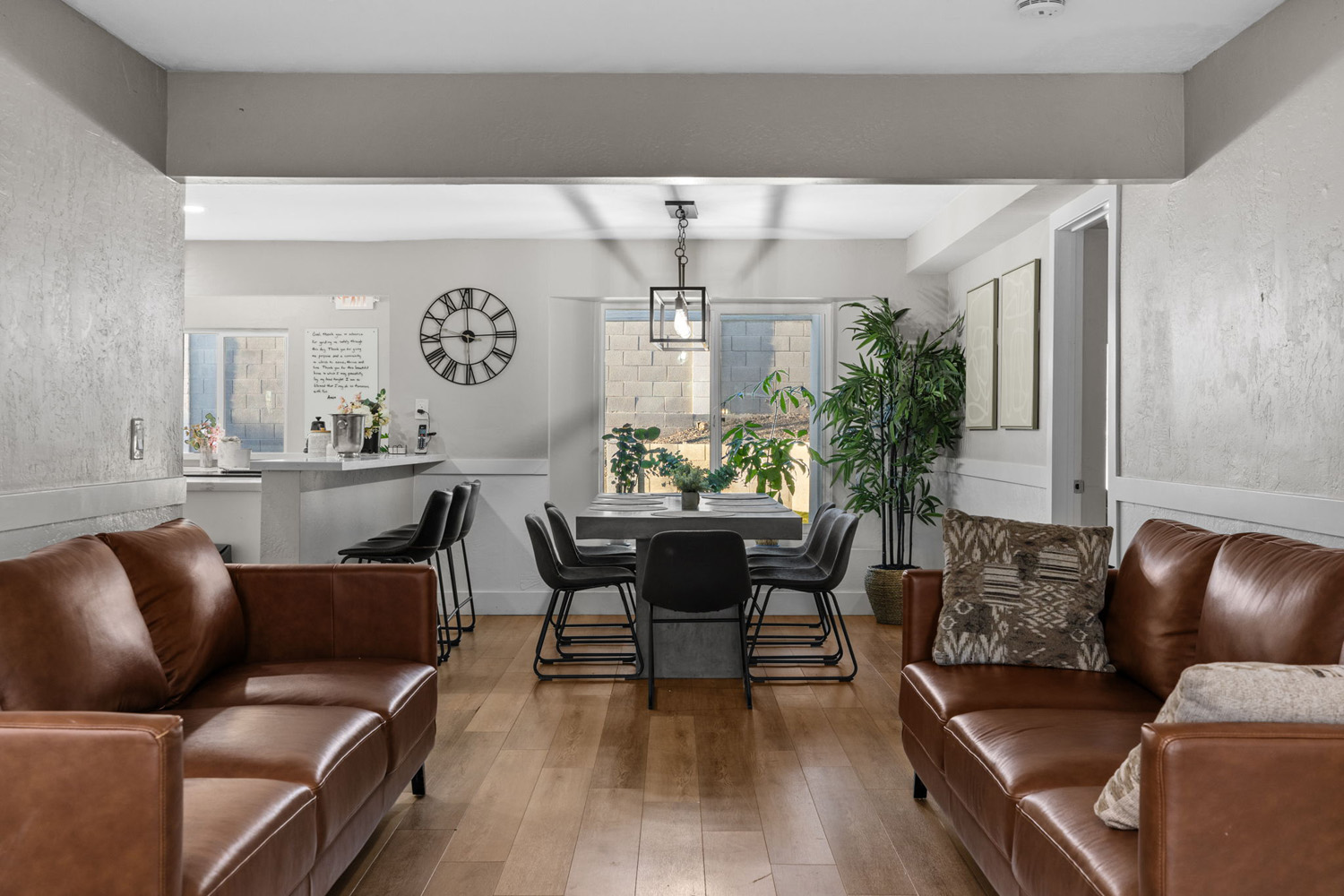
Sober living options in Lakeland accommodate a wide range of needs, including LGBTQ-focused homes, co-ed housing, and environments that support pet companionship. Some homes offer shared bedrooms that create a strong sense of community, while others provide more private living arrangements. Across all types of housing, the goal remains the same: creating a safe, substance-free environment where residents can build healthy habits and support each other in recovery.
Employment Opportunities
Finding work is an important part of early recovery. Lakeland offers reliable employment opportunities that support stable routines and long-term growth. Many residents are able to find work that fits around treatment schedules, recovery meetings, or personal responsibilities.
Here are some of the largest employers in the area:
- Lakeland Regional Health provides non-clinical roles in environmental services, food service, patient support, clerical work, and facilities.
- Publix Super Markets Headquarters offers full-time and part-time opportunities in administration, distribution, supply operations, and logistics.
- City of Lakeland provides municipal positions in parks and recreation, utilities, public works, community services, and customer support.
- Amazon Fulfillment and Delivery Network hires for warehouse support, sorting, delivery preparation, and logistics roles throughout the region.
What to Expect in a Sober Living Home in Lakeland
Moving into a sober living home is a big step, and many people are surprised by how grounding the experience can feel. These homes provide structure, routine, and community—three things that make early recovery easier to navigate. Lakeland’s calm pace of life complements this stage of the recovery journey, helping residents settle in without feeling rushed or overwhelmed. Every home is a little different, but most follow a similar supportive approach.
Structure and Routine
Recovery becomes stronger when daily life has a steady rhythm. Sober living homes in Lakeland create that rhythm through simple expectations such as shared chores, curfews, and regular attendance at support meetings or outpatient programs. Many houses also use routine drug testing to maintain a safe and predictable environment.
Because Lakeland sits between Tampa and Orlando, residents can access jobs, school, or appointments while maintaining the structure that keeps recovery on track. This balance helps people rebuild healthy habits and stay consistent during the transition from treatment into everyday life.
Community and Accountability
One of the most meaningful parts of sober living is the sense of community. Residents live alongside others who understand the challenges of early recovery, which helps reduce the isolation many people feel after treatment.
Housemates often cook together, talk during house meetings, and support one another through both setbacks and milestones. This kind of shared experience builds accountability in a way that feels supportive rather than strict, helping residents move toward independent living with greater confidence.
Continued Recovery Support
Most residents continue therapy, counseling, or outpatient treatment while living in sober housing. Lakeland has several local providers offering mental health services, group therapy, and recovery-focused programs for individuals rebuilding their lives.
Having these resources nearby helps residents stay supported during difficult moments and continue developing healthy coping strategies. Whether someone is strengthening long-term sobriety, healing from past patterns, or learning new life skills, continued care plays an important role in lasting recovery.
Sober-Friendly Things to Do in Lakeland, Florida
Lakeland gives residents calm spaces, outdoor recreation, and community activities that support a healthy routine. Here are a few local highlights:
Lake Hollingsworth offers a peaceful three-mile walking loop perfect for daily movement and quiet reflection.
Hollis Garden provides a beautiful lakeside botanical space where residents can spend time relaxing or enjoying nature.
Polk Nature has wildlife viewing, nature trails, and open outdoor spaces that encourage grounding and mindfulness.
Lakeland Downtown Farmers Curb Market gives residents a place to enjoy fresh food, local vendors, and a sense of community.
The Ashley Gibson Barnett Museum of Art (Polk Museum of Art) offers free admission, creative programs, and a calm environment for reflection and learning.
Health and Wellness in Lakeland
Yoga Pointe offers supportive classes for movement, grounding, and stress relief.
Lakeland Athletic Club provides strength training, group classes, and coaching that help residents build confidence.
Lakeland Medical Massage offers therapeutic massage services and rehabilitative bodywork to help ease tension and support whole-body wellness.
Just Move Fitness Gym provides group workouts, fitness programs, and steady routine-based movement.
Local Substance Use and Recovery Stats
Florida recorded more than 92,000 substance use treatment admissions in 2021, showing the ongoing need for structured aftercare and transitional housing.[1]
State overdose surveillance reports that opioids and stimulants such as methamphetamine are involved in over half of drug overdose deaths when they are present in Florida.[2]
Florida’s statewide data shows that people who participate in ongoing recovery housing and structured outpatient programs experience stronger long-term outcomes, including reduced relapse rates and improved stability in employment and housing.[3]