Shared Strength, Shared Recovery: Life in Coed Sober Living Homes

A balanced environment built on respect and shared accountability

Recovery looks different for everyone. For some leaving detox or residential addiction treatment, a coed sober living home supplies the perfect balance of connection and structure—a setting where men and women learn to live together, communicate, and grow in a respectful and recovery-focused space.

Coed sober living homes create a safe, well-managed environment where residents share goals and common space while respecting boundaries and accountability. Many offer separate living areas for men and women, preserving privacy while facilitating healthy social interactions and mutual encouragement.

Coed sober living homes can be a strong fit for individuals looking for a diversified recovery community, or for couples who want to rebuild trust while focusing on sobriety and mental health. With the right mix of structure and independence, coed sober living helps residents strengthen communication, build resilience, and get ready for life beyond the home.

This guide will walk you through what coed sober living looks like, what to expect, and the resources available to you to assist you on your recovery journey.

What Is Coed Sober Living?

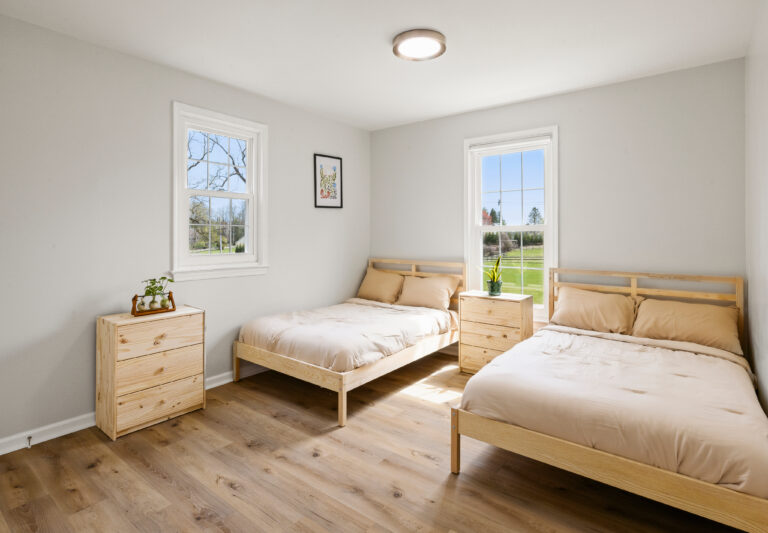
Coed sober living homes provide shared housing where men and women live in the same recovery-focused community while maintaining clear boundaries and accountability. Bedrooms are generally separated by gender, but residents come together in common areas to cook, attend meetings, and support one another’s recovery.

Coed sober living homes reflect the real world, where everyone works, connects, and grows together. In a coed sober living home, residents practice building healthy, respectful relationships and strengthening communication skills that support recovery both inside the home and beyond it.

Many coed programs also support couples in recovery together, allowing them to gain structure and accountability while both partners heal independently and regain trust together.The focus stays on honesty, balance, and accountability, creating space for recovery and connection to grow side by side.

Why Coed Sober Living Matters

Some coed sober living residents find the environment more natural and balanced. These homes reflect the world residents will return to—one where connection, communication, and boundaries are part of everyday life. Coed environments create the space to practice those skills in a safe, structured setting.

For couples, a coed sober living home can be a path to rebuild trust.[1] Addiction can wreak havoc on couples, and recovery together requires vulnerability and care. With direction and structure,  couples can learn how to support each other’s growth while maintaining their own independence.

Why this model works:

  • Real-world preparation: Coed sober living mirrors everyday life, so residents get to practice healthy interaction across genders.
  • Healthy boundaries: Clear expectations and supervision allow for respectful communication and personal accountability.
  • Relationship repair: Couples in recovery can renew trust and shared goals, while still prioritizing their personal recovery.
  • Diverse community: Mixed-gender environments provide residents broader perspectives, helping residents learn from different experiences and viewpoints.
  • Supportive structure: Curfews, testing, and meeting attendance ensure the same level of safety and accountability found in gender-specific homes.

Recovery looks different for everyone. For some, a coed sober living home provides the right balance of structure and connection to build lasting stability and confidence in sobriety.

What to Expect in a Sober Living Home

Coed sober living homes bring together accountability, community, and structure in a balanced environment. Residents share daily routines and responsibilities while learning how to communicate, set boundaries, and build healthy relationships that support long-term recovery.

Structure and Routine

Daily life follows a predictable rhythm to build order and consistency. Residents wake up at set times, complete household responsibilities, attend recovery meetings, and observe curfews. Many places require participation in 12-step programs, outpatient care, or alternative support groups. There is also random testing to maintain accountability and safety in the home.

For couples, some sober living houses also recommend individual therapy or couples counseling to support both personal and shared recovery goals.

Community and Accountability

Residents live alongside others who share a common goal of sobriety. Weekly house meetings give opportunities for communication, to set goals, and to learn to work together to help one another. Peer mentors and staff offer guidance and encouragement. In coed settings, residents practice respectful communication across genders and learn to form supportive, platonic connections built on honesty and mutual respect.

Continued Recovery Support

Beyond providing a place to live, sober living environments reinforce the habits and skills needed for independent living. Residents often attend therapy, meet with sponsors, and work on life skills such as job readiness, budgeting, and time management.

For couples, some programs will include relationship counseling or workshops to improve communication and rebuild trust in recovery.

Substance Use & Recovery Stats

Research shows that structured sober-living environments — whether gender-specific or co-ed — offer stronger retention and lower relapse risk compared with unsupported transitions to independent living.[1]

Evidence also suggests that when partners in a couple engage in recovery together, with proper support, their outcomes improve in both relationship satisfaction and long-term sobriety.[2]

Across randomized studies, behavioral couples therapy (BCT) shows better reductions in substance use frequency than individual-only approaches, with a small-to-moderate overall advantage.[3]

How Families Can Support Individuals and Couples in Recovery

Family support can make recovery stronger when it’s built on understanding and healthy boundaries. Stay connected through open, honest communication, and respect the space your loved one—or the couple—needs to grow. Support doesn’t mean fixing things; it means showing up, listening, and trusting their process.

Many sober living homes offer family therapy or support groups that help families learn about addiction, healthy communication, and constructive ways to stay involved. These spaces also provide perspective on what recovery really looks like day to day.

For couples in recovery, patience is key. Rebuilding trust and maintaining individual growth within a partnership takes time. Celebrate progress, stay consistent, and remember that love, not control, is what keeps recovery moving forward.

Begin Your Recovery Journey

At The Forest Sober Living, recovery is rooted in connection, structure, and accountability. Our coed homes provide a safe, balanced environment where men and women rebuild trust, strengthen communication, and learn to live with confidence, whether they’re navigating recovery individually or as a couple.

Here, residents find community and purpose through shared responsibility, mutual respect, and daily structure. Each person is encouraged to grow at their own pace while surrounded by people who genuinely care.

You don’t have to do this alone. The Forest offers coed sober living homes across Arizona, Florida, New Jersey, Pennsylvania, Texas, and Wisconsin, all designed to help you take the next step forward. Reach out today and we’ll help you find the location that’s nearest you and feels like the right fit for where you are now.

Frequently Asked Questions About Coed Sober Living

What’s the difference between sober living and rehab?

Rehab is a clinical treatment program that includes medical care, therapy, and structured treatment for substance use disorder. Sober living, sometimes called transitional living, is a step between treatment and full independence. It provides a structured home environment centered on peer accountability, daily routines, and community support. Residents build confidence through real-life practice while continuing to work on recovery.

Are there coed sober living homes in Arizona that accept couples?

Yes. Some coed sober living homes welcome couples in recovery, offering a safe, structured space for both partners to focus on individual growth and shared accountability. These homes often include individual therapy, couples counseling, and 12-step meeting participation to strengthen communication and trust.

How long can someone stay in a sober living home?

The length of stay varies, but most residents remain in sober living for three to twelve months. This period allows time to establish steady routines, maintain employment, and build a solid recovery network. Couples may choose to stay longer to reinforce healthy habits and relationship balance before moving to independent living.

What rules are typical in sober living programs?

Rules help create safety and consistency for everyone in the home. Most programs require regular 12-step or alternative recovery meetings, curfews, random drug and alcohol testing, and participation in chores or community responsibilities. Coed homes also set clear boundaries around relationships and interactions to maintain respect and focus on recovery.

How can I tell if a sober home is safe and reputable?

Look for homes certified by recognized organizations such as NARR or local recovery coalitions. Visit the property, ask about staff training and safety policies, and review their approach to boundaries, accountability, and support. For couples, inquire about counseling options and relationship-focused resources. Trust your instincts—safe, reputable homes are transparent and focused on helping residents succeed in early recovery.

Sources

  1. Vilsaint, C. L., Tansey, A. G., Hennessy, E. A., Eddie, D., Hoffman, L. A., & Kelly, J. F. (2025). Recovery housing for substance use disorder: A systematic review. Frontiers in Public Health, 13. https://doi.org/10.3389/fpubh.2025.1506412

  2. Kane, L., Baucom, D. H., & Daughters, S. B. (2024). Dual-substance use disorder couples: An integrative review and proposed theoretical model. Clinical Psychology Review, 111, 102447. https://doi.org/10.1016/j.cpr.2024.102447

  3. Mutschler, C., Malivoire, B. L., Schumm, J. A., & Monson, C. M. (2022). Mechanisms and moderators of behavioural couples therapy for alcohol and substance use disorders: An updated review of the literature. Behavioural and Cognitive Psychotherapy, 50(3), 312–333. https://www.cambridge.org/core/services/aop-cambridge-core/content/view/FAC067342A79B2B339B9B41F045208DF/S1352465822000042a.pdf

Sober Living Homes Nearby