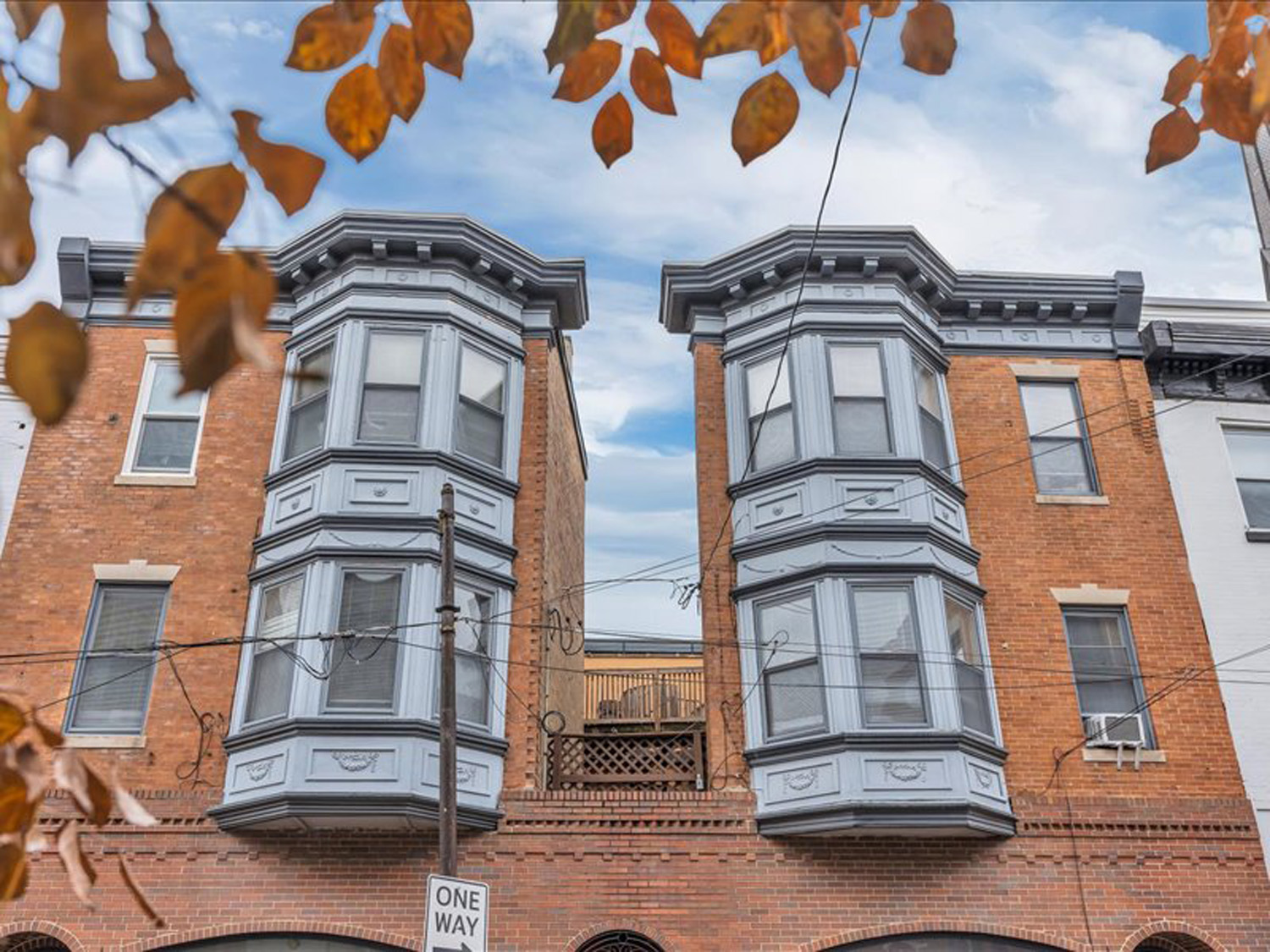
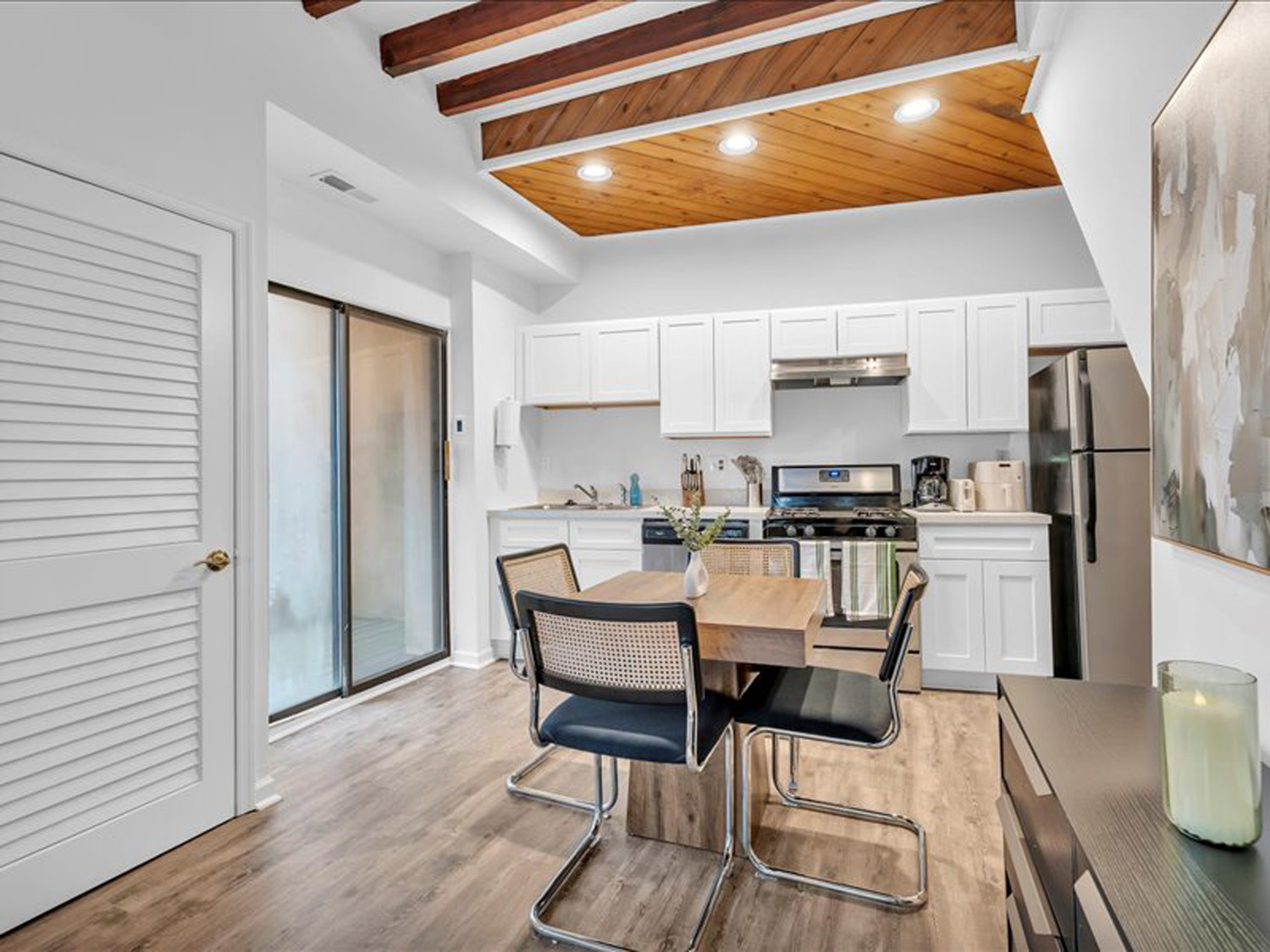
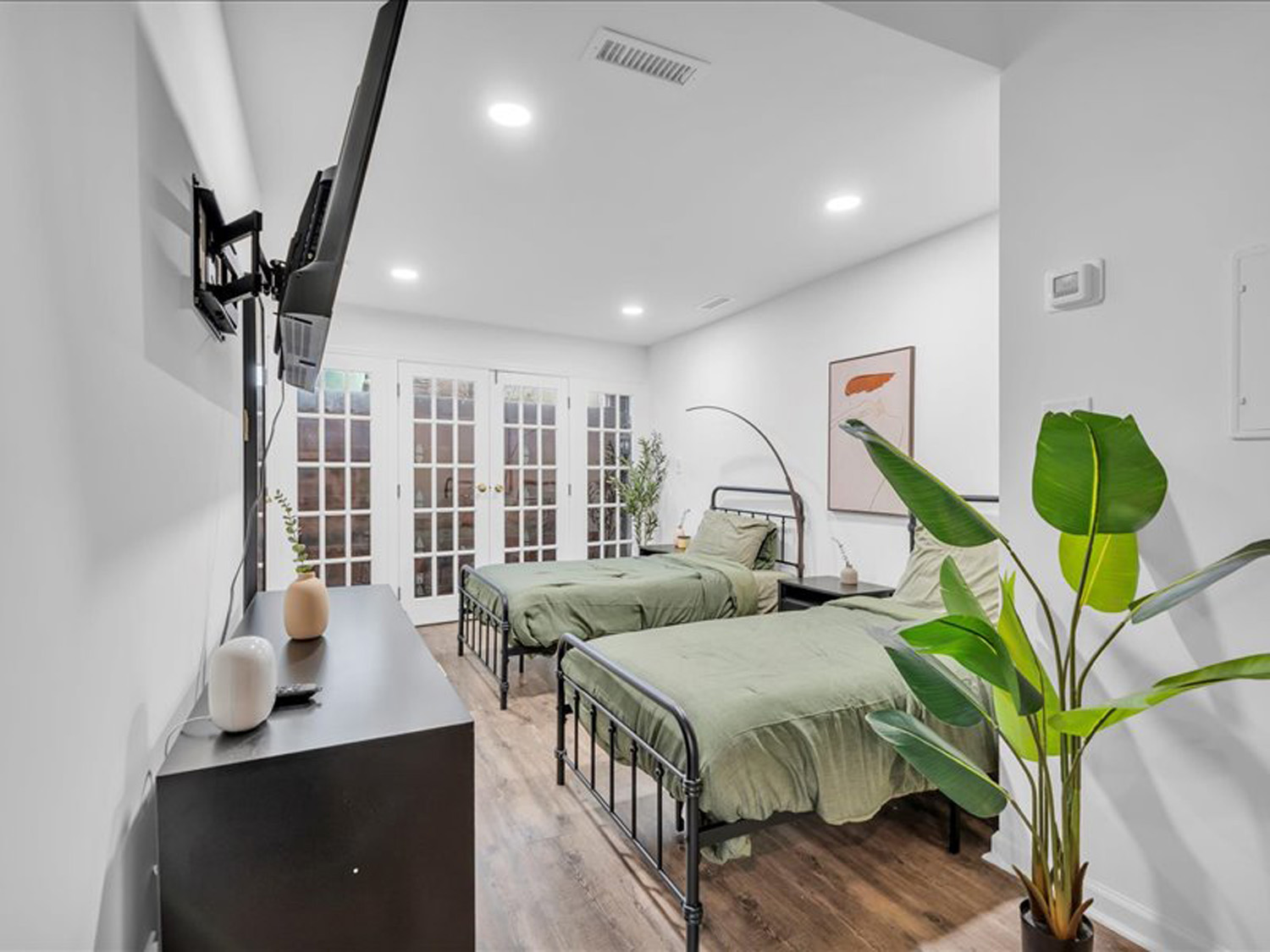
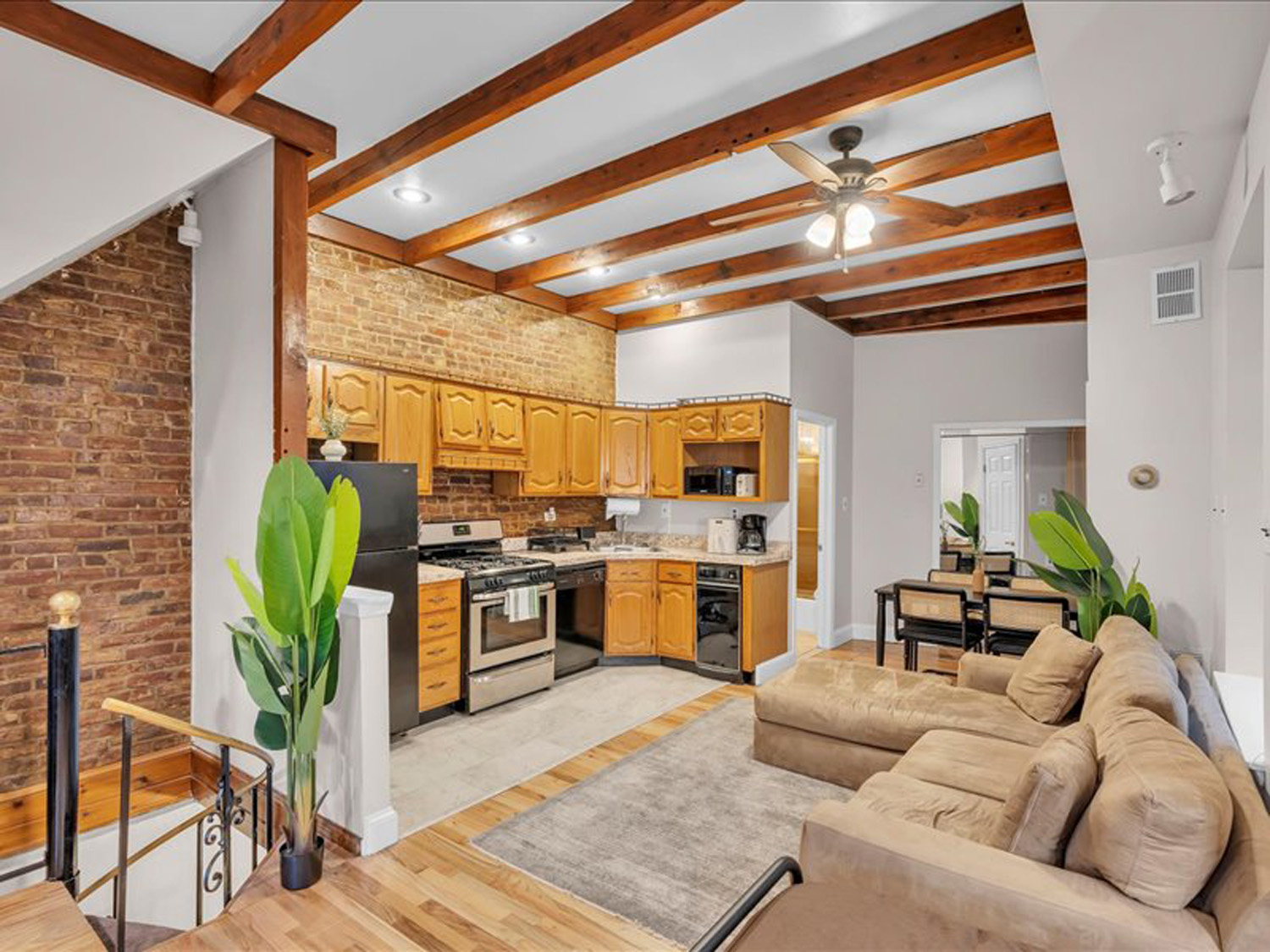
Recovery is possible without the resources of a large city or in an expensive area. Reading is a perfect example. This small, closely integrated city is the heart of Berks County, and it distinctively combines hard-working roots with an authentic sense of community that makes recovery seem real and possible.
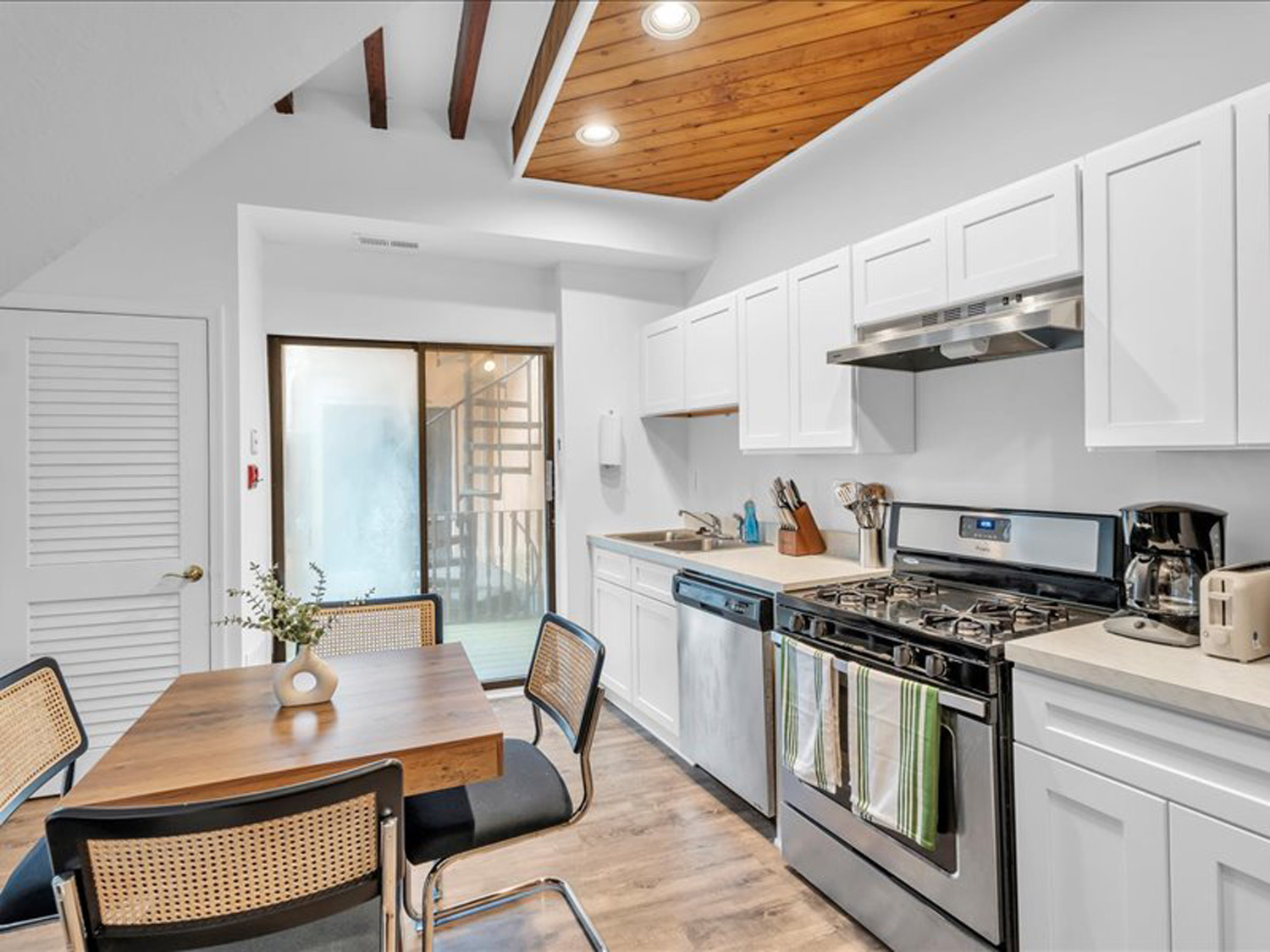
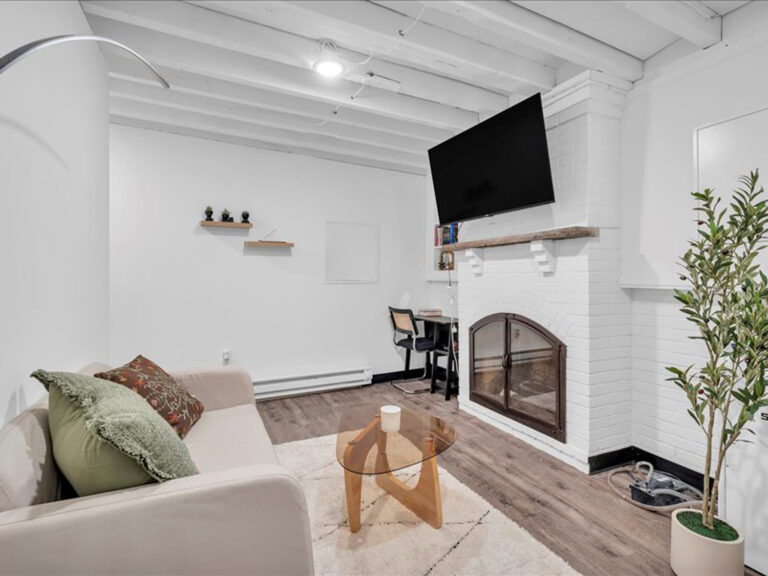
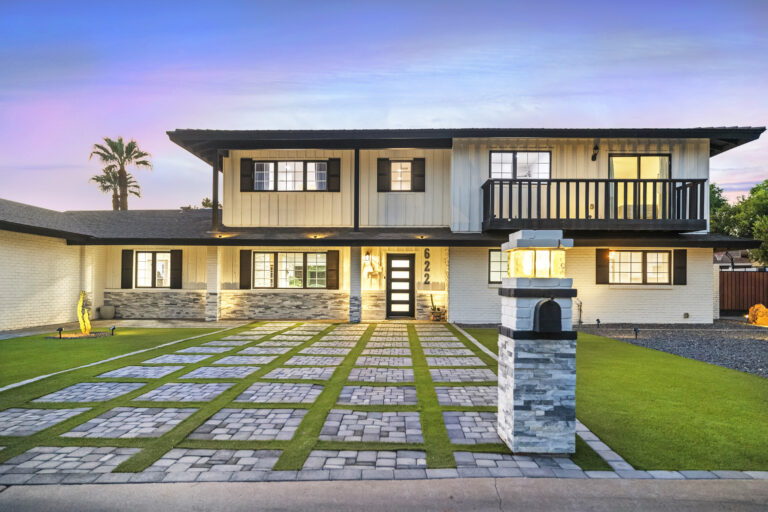
Sober living homes in Reading provide residents with structure, accountability, and genuine support as they begin to rebuild their lives. It is a community where progress is valued more than appearance, and affordable, stable housing helps recovery stay grounded in everyday life.
This guide examines why Reading is a strong option for anyone seeking a reset, what sober living homes and recovery houses look like in Reading, and local resources that support long-term recovery throughout Reading and Berks County.
Why Choose Sober Living in Reading?
Reading offers something rare in recovery: stability that doesn’t come with high costs or big-city pressure. It’s a place where you can focus on building consistency, community, and self-respect without financial strain getting in the way.
Affordable and Grounded
Housing in Reading costs far less than in Philadelphia or the surrounding suburbs, which means residents can work part-time, cover expenses, and still save for what’s next. That breathing room matters—less stress leaves more space for real recovery.
Small City, Strong Community
With about 95,000 residents, Reading feels connected in ways larger cities can’t. You see familiar faces at meetings, neighbors notice when you’re doing well, and the recovery community looks out for its own. That visibility builds natural accountability and a sense of belonging.
Authentic and Down-to-Earth
Reading’s working-class roots shape its culture—people here value honesty and effort more than appearances. It’s a place where you can be open about where you’ve been and focus on where you’re going, surrounded by others who understand what rebuilding really means.
Nature and Balance
Just outside the city, you’ll find quiet trails, state parks, and rolling countryside. Access to outdoor spaces like Nolde Forest and Blue Marsh Lake gives residents a peaceful outlet for reflection, exercise, and connection with nature.
Inclusive Recovery Options
Reading’s large Latino population means strong bilingual support, Spanish-language meetings, and culturally responsive services. Across the city, sober living options include men’s and women’s homes, LGBTQ-friendly and pet-friendly residences, and housing for couples—each offering structure and community at accessible prices.
Employment Opportunities
Reading’s job market offers practical pathways to rebuild your routine and regain confidence. With steady industries like healthcare, manufacturing, distribution, and community services, you’ll find roles that let you engage, contribute, and move forward.
- City of Reading hires for various roles in office support, facilities, and operations that help keep the city running.
- Penske Truck Leasing offers manufacturing, assembly, maintenance and logistics roles in the region — good for hands-on work and structured schedules.
- EnerSys provides manufacturing and operations jobs in Reading, making large-scale power-equipment solutions and offering roles that emphasize routine and teamwork.
- Penn State Health St. Joseph (Reading region) gives access to non-clinical hospital support positions like food service, environmental services, administrative support, and scheduling.
- Uline (Reading branch) recruits for warehouse, operations and customer-support roles with clear expectations, steady hours and advancement possibilities.
What to Expect in a Sober Living Home in Reading
In sober living in Reading, you can take the time you need to rebuild your life and sense of self at your own pace. It’s just structured enough to keep you accountable while also supporting you in becoming gradually more independent with confidence.
Structure and Routine
Every day follows a straightforward schedule to keep the recovery process on track. Residents cooperate to fulfill household chores, attend house meetings, and follow curfews, all in the context of ensuring safety and stability. Households may also have residents actively engaged in a 12-step or another recovery program, and residents may be tested for drugs or alcohol so that everyone remains accountable in the recovery process. Because it has a smaller footprint, Reading provides members with a sense of community, and meetings, work, and appointments are not far away; the BARTA bus system makes the greater Reading area accessible.
Community and Accountability
Staying in a sober living home is staying in a community of people on the same journey. Residents meet every week to have a space to talk openly, process challenges, and celebrate accomplishments together. In Reading, the recovery community is small – people know each other, they care for each other, and they help each other when someone needs extra support. A connection like this becomes one of the strongest anchors in early recovery.
Continued Recovery Support
Living sober is about building a foundation for the next stage of your life. Several homes in Reading support sobriety through therapy, work sponsorship, and practical approaches such as job searching and budget planning. The regional care system (Reading Hospital, Tower Health, and community clinics) is reliable and adequate for many. There is access to the Caron Treatment Centers and, in some cases, to more specialized behavioral health providers when needed. Hence, residents have places to turn for an extra layer of structure and support.
Sober-Friendly Things to Do in Reading, Pennsylvania
Reading makes it easy to stay active, connected, and grounded without spending much. The city’s parks, trails, and creative spaces give residents plenty of ways to build balance and connection in recovery.
Blue Marsh Lake offers miles of trails, quiet water views, and open space for reflection and outdoor activity.
Nolde Forest Environmental Education Center provides peaceful wooded trails for hiking, mindfulness, and time in nature.The GoggleWorks Center for the Arts showcases local artists and creative workshops that bring people together through art and community.
The Reading Public Museum combines art, science, and nature in one of the city’s most family-friendly destinations.Santander Arena hosts concerts, shows, and community events that keep Reading’s social scene lively and accessible.
The Reading Public Library offers a calm place to read, learn, and connect through programs that encourage personal growth.
Health and Wellness in Reading
Pathways to Healing offers bodywork, massage, acupuncture and holistic modalities designed to support physical and emotional restoration.
HOT YOGA West Reading provides hot yoga, Vinyasa and restorative classes in a welcoming community space.
Integrative Healing Arts Studio blends massage, energy work, herbal medicine and wellness classes for mind‐body‐spirit support.
Ampersand Integrative Wellness offers integrative care including personal training, nutrition, movement therapy and holistic support for repairing the body.
AmeriHealth Caritas Pennsylvania Wellness & Opportunity Center – Reading serves the community with fitness, education, health‐classes and holistic services for whole health.
Local Substance Use & Recovery Stats
In fiscal year 2022-23, the Council on Chemical Abuse (COCA) distributed 2,703 Naloxone (Narcan®) kits in Berks County.[1]
In 2022–2023, Berks County funded treatment for more than 1,100 residents, and about one in five received residential care such as sober living or halfway-house support.[1]
Between 2015 and 2018, the drug-related overdose death rate in Berks County rose from about 16 per 100,000 to 27 per 100,000.[2]
The YMCA of Reading & Berks County operates a newly-remodeled 20-bed transitional housing facility (“Camp Joy”) in Berks County designed for men with substance use disorder involved in the criminal‐justice system.[3]