Clearwater, Florida provides newly recovering individuals with peaceful, friendly neighborhoods, fresh ocean air, and a rich recovery community dedicated to support and strength.
It has the warmth of a beach community, without the pace of life that can make early recovery feel frantic and stressful. Residents can reconnect with themselves, practice healthy habits, and develop a solid structure upon which they can build a life free of drugs or alcohol long-term.
Sober living houses in Clearwater offer a safe, substance-free place where residents can practice daily routines and build onto their peer support outside of a treatment setting. In this guide, we explore why Clearwater is a grounding location for transitional housing, what life inside a sober living environment is generally like, and how to build on strength and recovery with local resources throughout the Tampa Bay and Pinellas County area.
Why Choose Sober Living in Clearwater?
Clearwater offers a grounding place to rebuild life, nearby services and resources to lean on, and a strong recovery community of individuals and families supporting each other. You can move at your own pace here. The environment encourages healing without chaos, pressure, or noise. Below are some reasons many choose Clearwater, Florida for sober living:
Calm and Convenient
Clearwater has neighborhoods that are peaceful and approachable. These communities help to stabilize homes in recovery as residents return to school, outpatient treatment, work or family. The adjacent city of St. Petersburg also has an easily accessed PSTA bus route to make travel to outpatient services, work, and NA meetings in nearby Tampa, Sarasota and Port Richey easy and convenient.
Safety and Stability
Many sober living houses in Clearwater are located in quiet areas that feel stable and welcoming. When residents live in a neighborhood they trust, it strengthens their foundation for lasting recovery. The sense of predictability helps people stay grounded as they return to school, work, or treatment.
Because Clearwater is part of Pinellas County, residents also benefit from local wellness programs, community resources, and easy access to beaches and parks where they can decompress, reflect, and stay active.
Community and Support
A home for active sober living houses, Clearwater has a thriving local recovery community. Residents in NA meetings, Alcoholics Anonymous groups and other outpatient programs or services describe the region as warm, friendly, and encouraging, with diverse options for peer exchange. Building connections with one another here is not as daunting as in other locations.
Diverse Housing Options
Clearwater offers a range of sober living houses so residents can choose the supportive environment that fits their needs. Options include men’s sober living homes, women’s sober living homes, LGBTQ friendly residences, pet friendly sober living homes, and transitional housing for couples in recovery. There are also more structured sober homes with onsite house managers, affordability-focused shared homes for people working on financial stability, and private room options for residents who prefer a quieter setting.
Employment Opportunities
Clearwater sits near Tampa, St. Petersburg, Palm Harbor, and Largo, giving residents access to a wide job market. Many jobs fit well with recovery schedules and do not require advanced training.
Here are five reputable local employers residents often consider:
- BayCare Health System offers roles in non-clinical support (environmental services, food service, transport, admin) across its Clearwater hospitals.
- Lincare Holdings is a healthcare / home respiratory support company that offers logistical and patient-service roles with schedules that can fit recovery routines.
- MarineMax is a marine dealership that provides positions in service, customer support, warehouse, and hospitality-type roles.
- Tech Data Corporation offers many roles in warehousing, logistics, and entry-level operations that can provide routine and structure.
- The City of Clearwater offers varied opportunities (utilities, parks & recreation, customer service, clerical) that support steady routines and community-based work.
What to Expect in a Sober Living Home in Clearwater
Life in a sober living environment centers on structure, routine, and community. The goal is simple. Create a safe place where people can grow, stay accountable, and build the habits that support long-term recovery.
Structure and Routine
Most sober living houses in Clearwater follow guidelines that help residents stay consistent. Common expectations include curfews, weekly house meetings, household chores, attendance at NA meetings or outpatient treatment, respectful communication, and regular drug tests to maintain a substance-free home. Because Clearwater has many addiction treatment and mental health providers nearby, residents can easily continue therapy, case management, or medication-assisted treatment while benefiting from the stability of transitional housing.
Community and Accountability
Peer support is one of the most important parts of sober living. Living with others who understand substance use, early recovery, and emotional challenges helps residents feel supported instead of alone. Daily life often includes shared responsibilities, group meals, honest conversations, encouragement from peers, and guidance from house managers. This supportive environment helps residents strengthen communication skills, rebuild trust with loved ones, and create healthy relationships that reinforce their goals.
Continued Recovery Support
Clearwater offers multiple resources to help residents continue their recovery journey. These include outpatient addiction treatment programs, community mental health centers, recovery support groups, peer-based wellness programs, and medical and behavioral health clinics. A connected network makes it easier for residents to stay engaged, stay accountable, and maintain momentum.
Sober-Friendly Things to Do in Clearwater, Florida
Clearwater has plenty of places where residents can stay active, connected, and grounded throughout early recovery. These local spots provide simple ways to enjoy fresh air, gentle movement, and peaceful routines without the pressure of nightlife.
Clearwater Beach provides peaceful shoreline walks, gentle ocean air, and plenty of space to reflect or enjoy morning movement.
Moccasin Lake Nature Park offers shaded trails, wildlife viewing, and quiet places to relax and reconnect with nature.
Pier 60 features walking paths, art vendors, and a supportive community atmosphere that feels welcoming and balanced.
Clearwater Historical Society Museum and Cultural Center offers quiet galleries, local history exhibits, and a contemplative indoor setting ideal for a recovery-moment away from the beach.
Nancy and David Bilheimer Capitol Theatre presents live performances, classic theater ambiance, and accessible cultural outings that provide connection without nightlife chaos.
Health and Wellness in Clearwater
A Yoga Village offers accessible yoga classes that support balance, grounding, and mindful movement.
Radiance Medspa provides calming facial treatments and therapeutic services that help reduce stress.
Nature’s Food Patch Market & Cafe offers organic groceries, supplements, and wellness products.
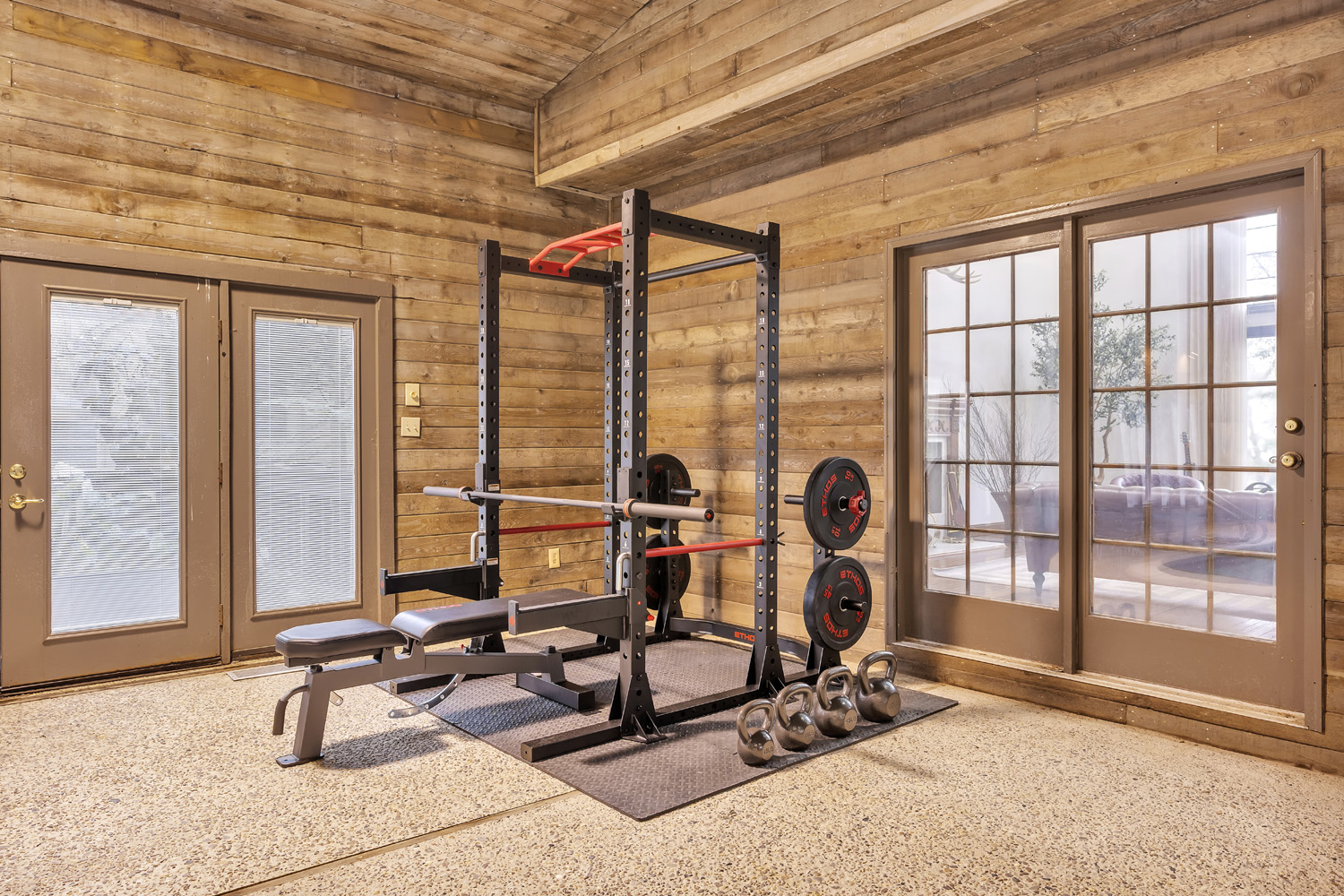
Anytime Fitness Clearwater offers a 24-hour gym setting with supportive coaching, strength equipment, cardio machines, and a steady environment for daily movement.
LifeWorks Wellness Center provides integrative health services, holistic treatments, and personalized wellness care that help residents feel balanced and supported.
Local Substance Use and Recovery Stats
In Pinellas County during 2022 there were 597 accidental overdose deaths, and approximately 80 % of those deaths involved opioids.[1]
In 2023, 2,783 adults (age 18 and older) in Pinellas County were enrolled in substance abuse treatment services funded by the Florida Department of Children and Families.[2]
A study published in Frontiers in Public Health found that, in Pinellas County, the rate of overdose deaths remained 27% higher than pre-pandemic levels through 2021, and included large increases in alcohol-involved (171 %), heroin (108 %), and amphetamine (55 %) deaths.[3]