Recovery gets stronger in contexts that emphasize thoughtfulness and support. Princeton offers both. Known for its history and academic excellence, this community embraces curiosity, growth, and self-exploration, all of which align perfectly with recovery.
Sober living homes in Princeton provide structure, accountability, and support in a context that invites you to grow into your life every day. Whether you are finishing up with an inpatient program, transitioning into continuing care from an intensive outpatient treatment program, or simply ready to establish meaning in your life, Princeton offers supportive homes surrounded by opportunity and calm.
This guide details what makes this area unique in your recovery journey, describes what to expect upon your arrival at a local sober living home, and provides a comprehensive range of resources in Mercer County to aid you on your journey.
Why Choose Sober Living in Princeton?
Princeton blends education, beauty, and balance — a rare combination that makes it an inspiring place to rebuild your life. It’s the kind of town that feels intentional, where people take care of their surroundings and each other. Recovery fits naturally here because growth isn’t treated like an exception; it’s part of the culture. Every part of Princeton, from its architecture to its energy, reminds you that progress can be steady, meaningful, and lasting.
An Environment That Encourages Growth
With Princeton University at its center, the town thrives on learning and self-improvement. That atmosphere naturally supports recovery, where personal growth and reflection are part of everyday life. Living in a community that values progress helps make the inner work of recovery feel both normal and achievable.
Beauty That Lifts the Mind
Princeton’s tree-lined streets, historic buildings, and manicured grounds create a setting that feels restorative. Surroundings like these matter — beauty and calm have been shown to improve mood and support long-term wellbeing. Here, every walk outside can remind you how good life can look and feel in recovery.
Safety and Stability
Princeton is known as one of New Jersey’s safest and most livable towns. Low crime, strong public services, and a close-knit community make it easy to focus on what matters without distraction or worry.
Balanced Location
Princeton sits about halfway between Philadelphia and New York City, offering the best of both worlds — close enough for access to family and specialized services, yet far enough for a sense of distance from old routines or environments tied to past habits.
Culture and Community
For a small town, Princeton offers extraordinary experiences: museums, performances, lectures, and events that spark curiosity and connection. Recovery here can include not just sobriety, but rediscovering interests and purpose.
High-Quality Sober Living Options
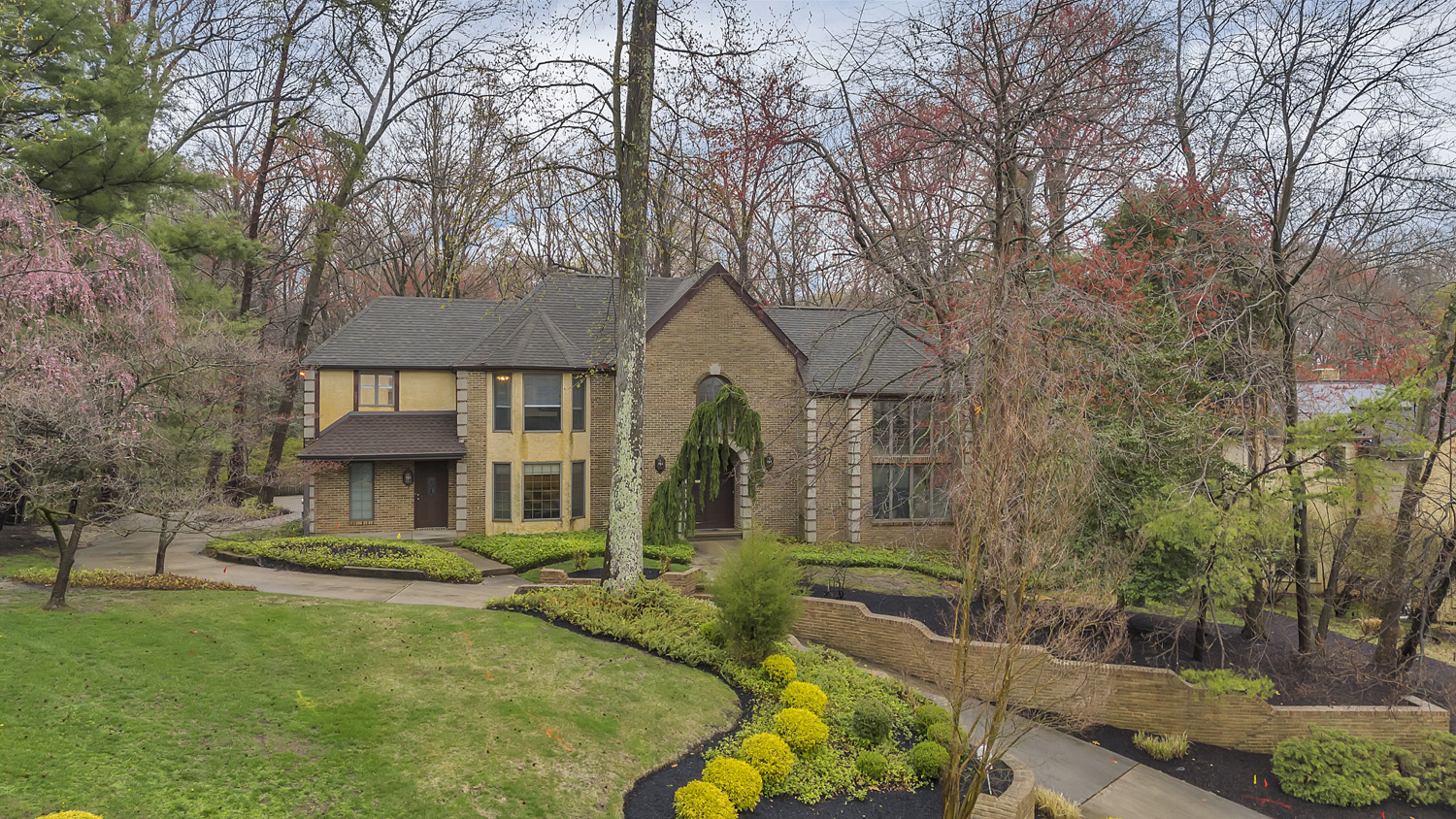
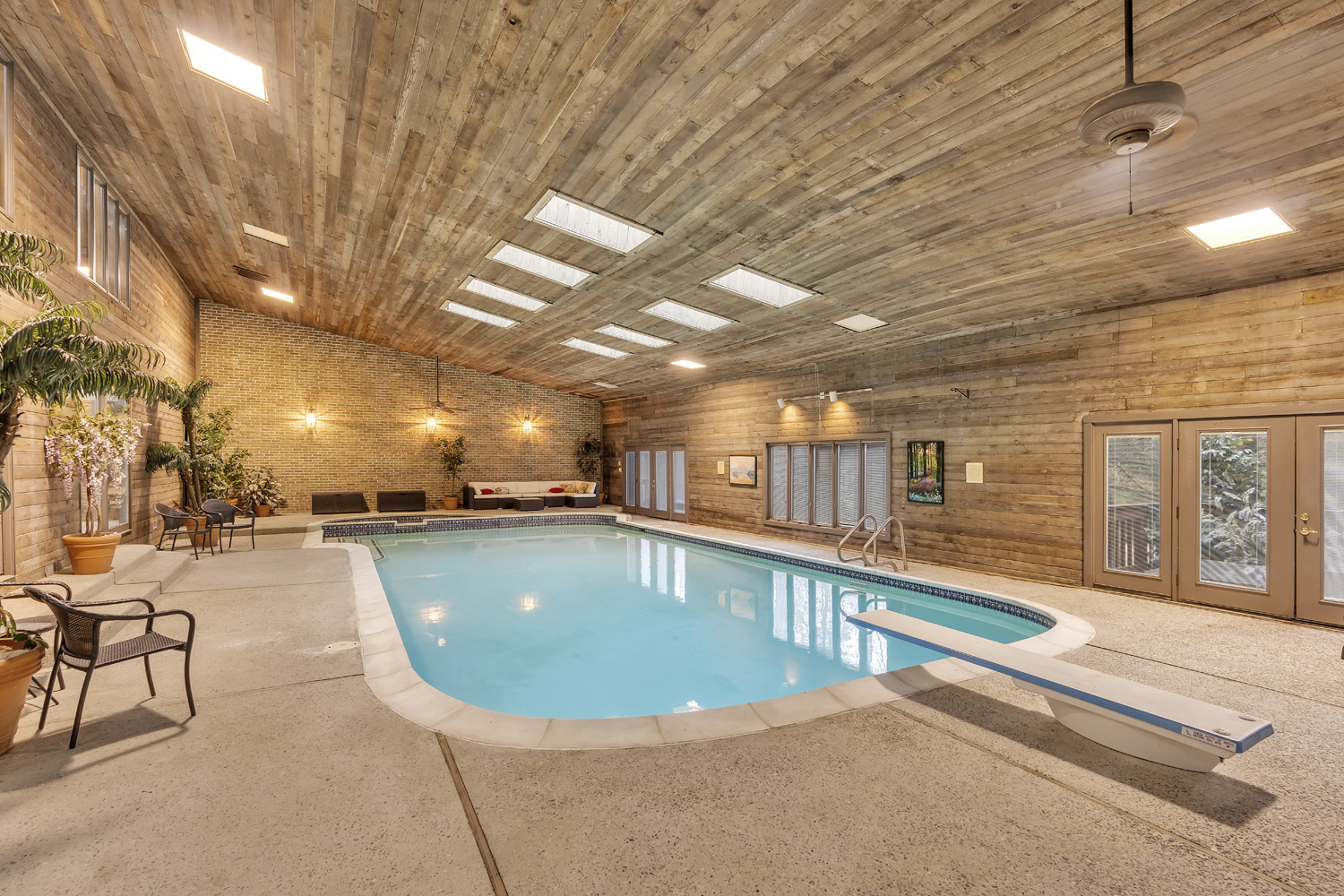
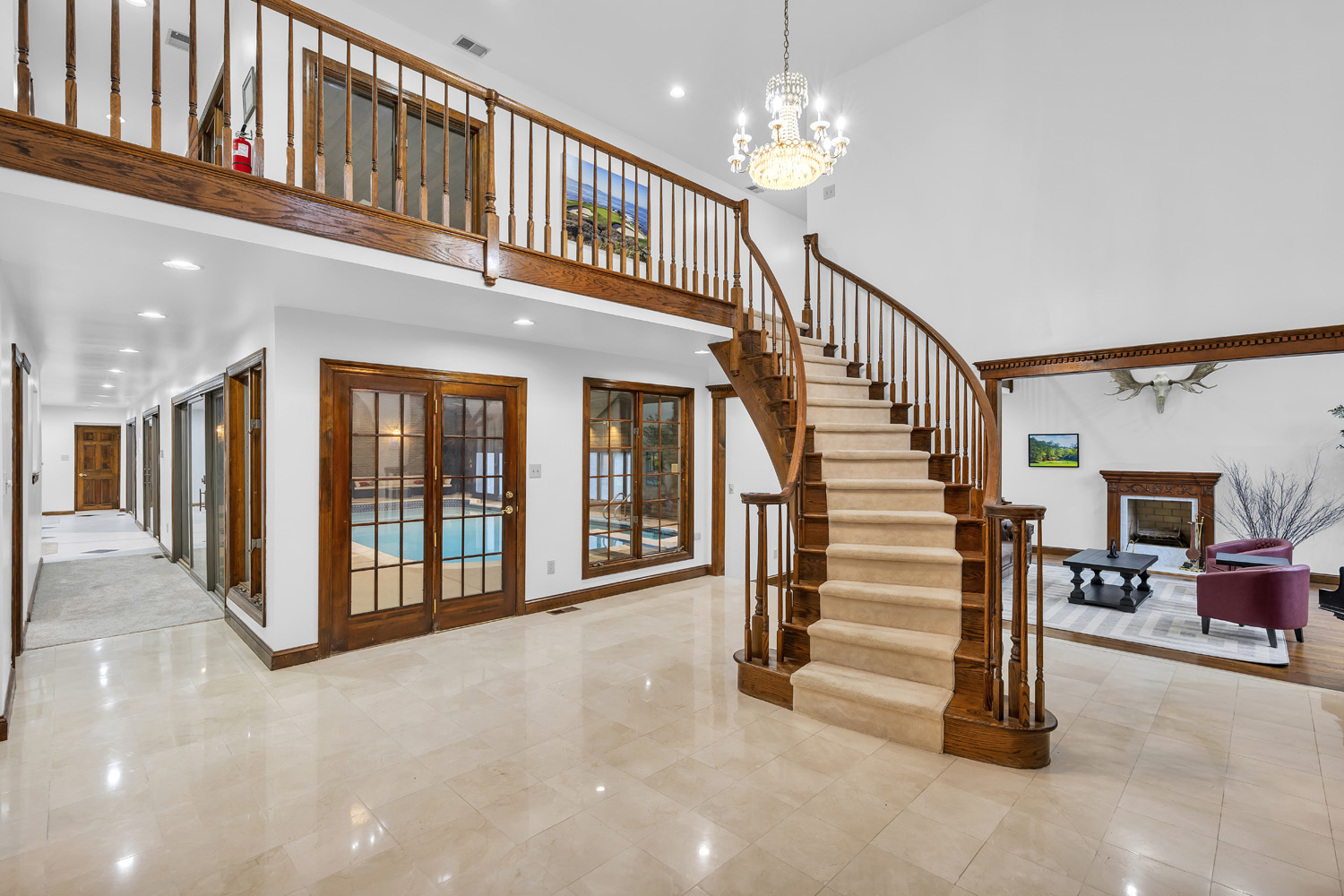
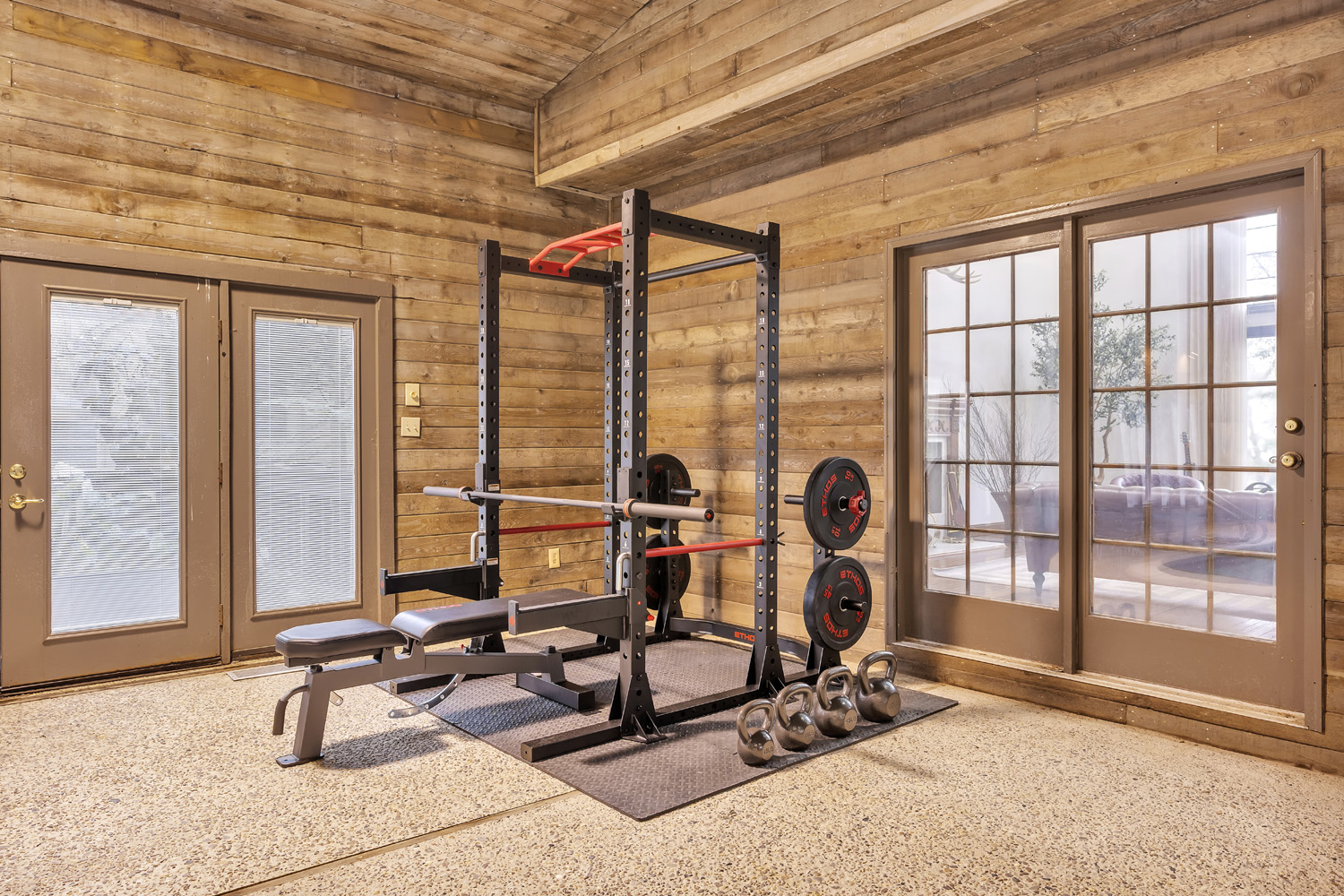
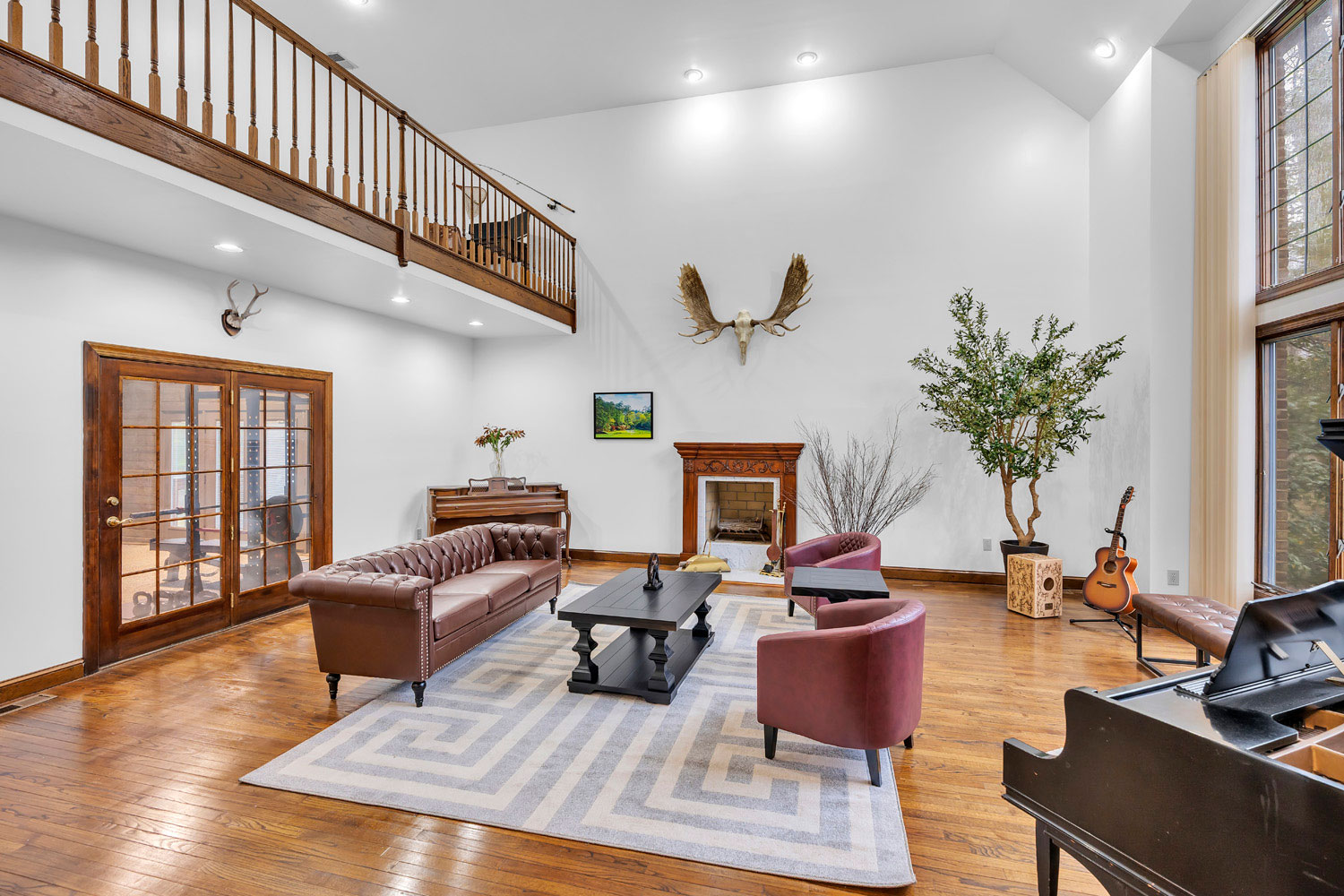
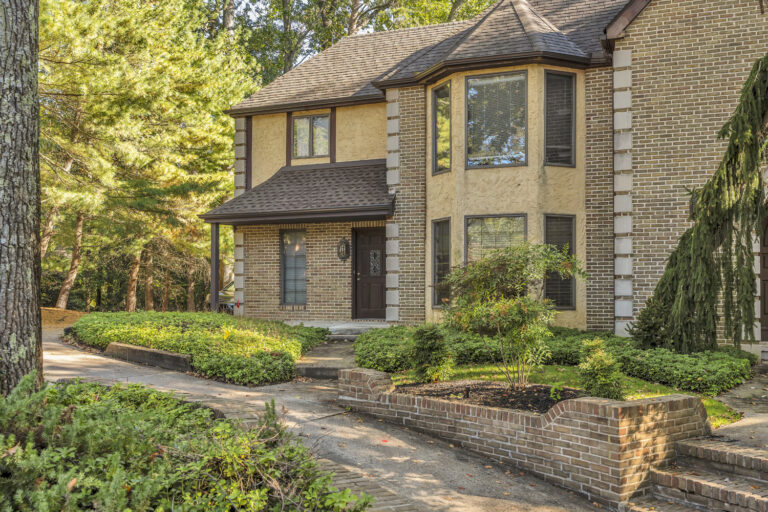
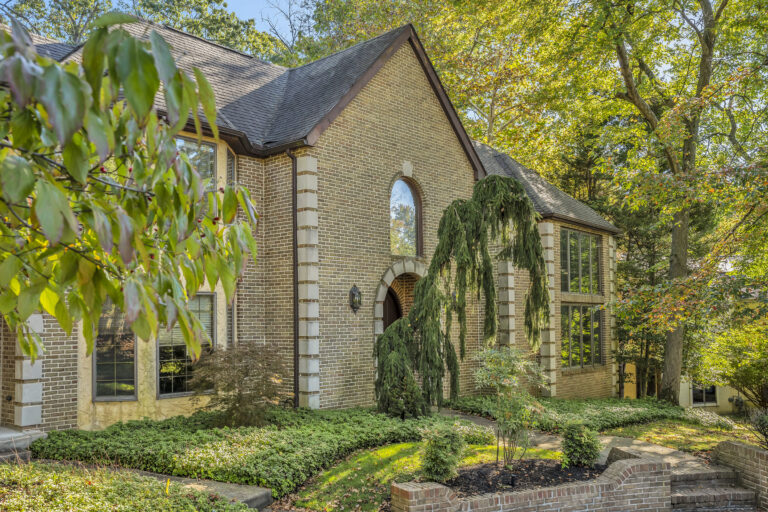
Sober living homes in Princeton reflect the town’s quality of life. Options include men’s and women’s homes, LGBTQ-friendly residences, pet-friendly spaces, and upscale recovery housing. Each offers structure, community, and peer support within an environment built for personal growth.
Employment Opportunities
Once centered around education and research, Princeton now offers a job market full of supportive, steady-routine roles that help you anchor your day and rebuild confidently in recovery. With employers in healthcare, education, pharmaceuticals, research, and public service, there are paths that match different stages of rebuilding. Below are some of the biggest employers in the area:
- Princeton University provides non-teaching positions such as facilities work, dining support, custodial roles, administrative operations, and campus services across its large university setting.
- Penn Medicine Princeton Health hires for non-clinical roles like environmental services, patient transport, food service, facilities, and general office support within its hospital and outpatient network.
- Bristol Myers Squibb offers reliable roles in administrative support, facilities operations, lab support, logistics, and corporate services at its nearby Princeton-area campuses.
- Educational Testing Service (ETS) provides administrative, clerical, operations, facilities, and customer-support roles in a structured office environment.
- Princeton Plasma Physics Laboratory hires for routine-supportive roles in facilities, operations, administrative services, and technical support across its research campus.
What to Expect in a Sober Living Home in Princeton
Sober living in Princeton partners independence with structure. Homes in a sober living program prioritize accountability, consistency, and community, allowing residents the necessary space to reclaim confidence and develop life skills while regularly connecting to their recovery.
Structure and Routine
Princeton has sober living homes and halfway houses, all with structured daily schedules, to support recovery. Residents participate in recovery meetings, follow curfews, and help with house chores. Most sober homes administer random drug and alcohol testing, and some facilities require residents to attend a twelve-step or alternative support program. The walkability of Princeton and access to NJ Transit make it easy to commute to work, therapy, or meetings in Mercer County or beyond in New Jersey.
Community and Accountability
Every home is its own community where residents cook, clean, and grow together, supporting each other in daily life and the recovery process. Weekly house meetings, peer support, and mentoring promote open communication and mutual respect. The recovery network here in Princeton is not as big as the networks in large cities, but it is much more connected, thoughtful, educated, and honest about growth.
Continued Recovery Support
Sober living in Princeton is a great way to smooth the transition from treatment to independence. During their time at the sober living residence, residents will continue therapy, meet with sponsors, and develop life and professional skills that strengthen their recovery in the long term. Most sober living residences will also provide job readiness support or connections for those returning to work after treatment. Princeton also has strong local treatment resources, including Penn Medicine Princeton Medical Center and Robert Wood Johnson University Hospital Hamilton, as well as many private clinicians and counselors. And for specialized care, Philadelphia and New York City are just a short car ride away.
Sober-Friendly Things to Do in Princeton, New Jersey
Princeton offers a calm, beautiful setting where recovery can stay active and engaging. From quiet walks and local art to learning and community events, there are plenty of ways to connect, reflect, and enjoy life substance-free.
Princeton University Campus is open to the public and perfect for peaceful walks through the historic buildings, gardens, and sculptures.
Institute for Advanced Study Woods and Trails provide scenic paths just minutes from downtown, ideal for hiking, meditation, or quiet time outdoors.
Lake Carnegie and its surrounding trails offer space for walking, jogging, or simply watching the rowing teams that train year-round.
Delaware and Raritan Canal State Park runs directly through Princeton, offering miles of trails for biking or long walks by the water.
Princeton University Art Museum features world-class collections and rotating exhibits, providing a free and creative outlet that encourages mindfulness and curiosity.
McCarter Theatre Center hosts plays, concerts, and community programs that bring people together in a sober-friendly environment.
Princeton Public Library serves as both a community hub and quiet space for learning, reading, and small events.
Morven Museum & Garden offers art, history, and beautifully kept grounds for peaceful afternoons of exploration.
Health and Wellness in Princeton
Align Wellness Studio provides therapeutic massage, bodywork, and wellness services that help release tension and rebuild physical stability.
Gratitude Yoga features gentle yoga, meditation, and restorative practices in a warm, inclusive studio focused on whole-body calm.
The Source Wellness Center offers acupuncture, herbal medicine, and integrative treatments that support emotional regulation and physical healing.
Princeton Fitness & Wellness Center provides a full gym environment, group classes, and recovery-supporting amenities to help build steady, healthy routines.
Local Substance Abuse and Recovery Stats
In Mercer County, residents contributed to a statewide total of 82,176 substance-use disorder treatment admissions in 2023, with 81,957 discharges — underscoring both the demand for, and the turnover in, local addiction services.[1]
In Mercer County, the two leading reasons people enter substance-use treatment are heroin (approximately 36 %) and alcohol (about 34 %), showing that both illicit opioids and alcohol remain major local challenges.[2]
Mercer County offers supportive housing tied to care-management for adults in recovery from opioid-use disorder who are homeless or at-risk of homelessness — signalling that housing stability is recognized as a recovery factor.[3]
Research affirms that stable, supportive housing early in recovery significantly improves outcomes for individuals with substance-use disorders — emphasising why sober-living residences are vital in the post-treatment phase.[4]