Sober Living in Toms River: Guide to Community-Based Recovery
Recovery in Cumberland County’s Heartland

Take the Next Step Toward Recovery
Toms River gives you the room to grow — steady, connected, and grounded in community. But for some, lasting change means a small shift in scenery to deepen focus and build independence.
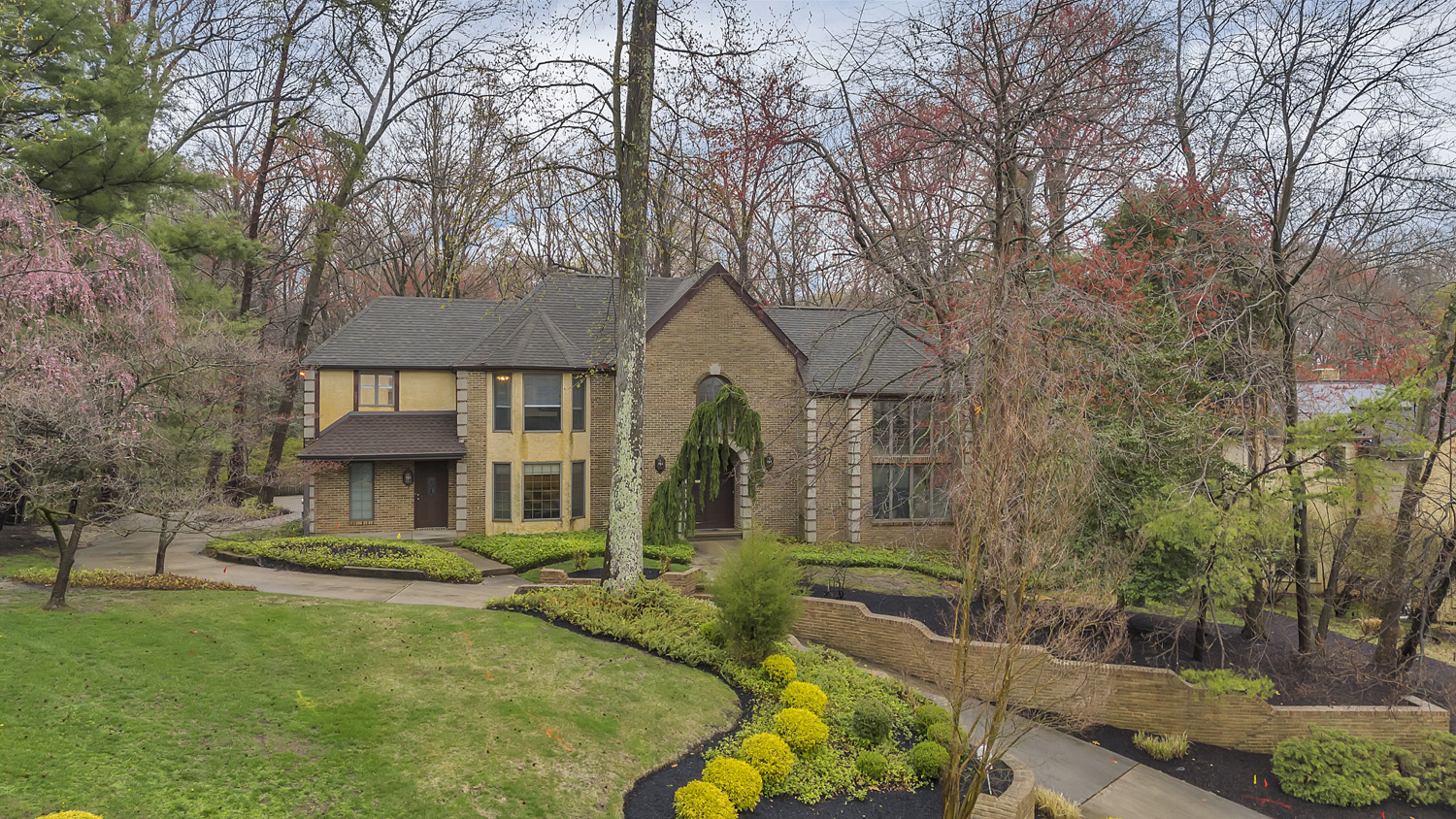
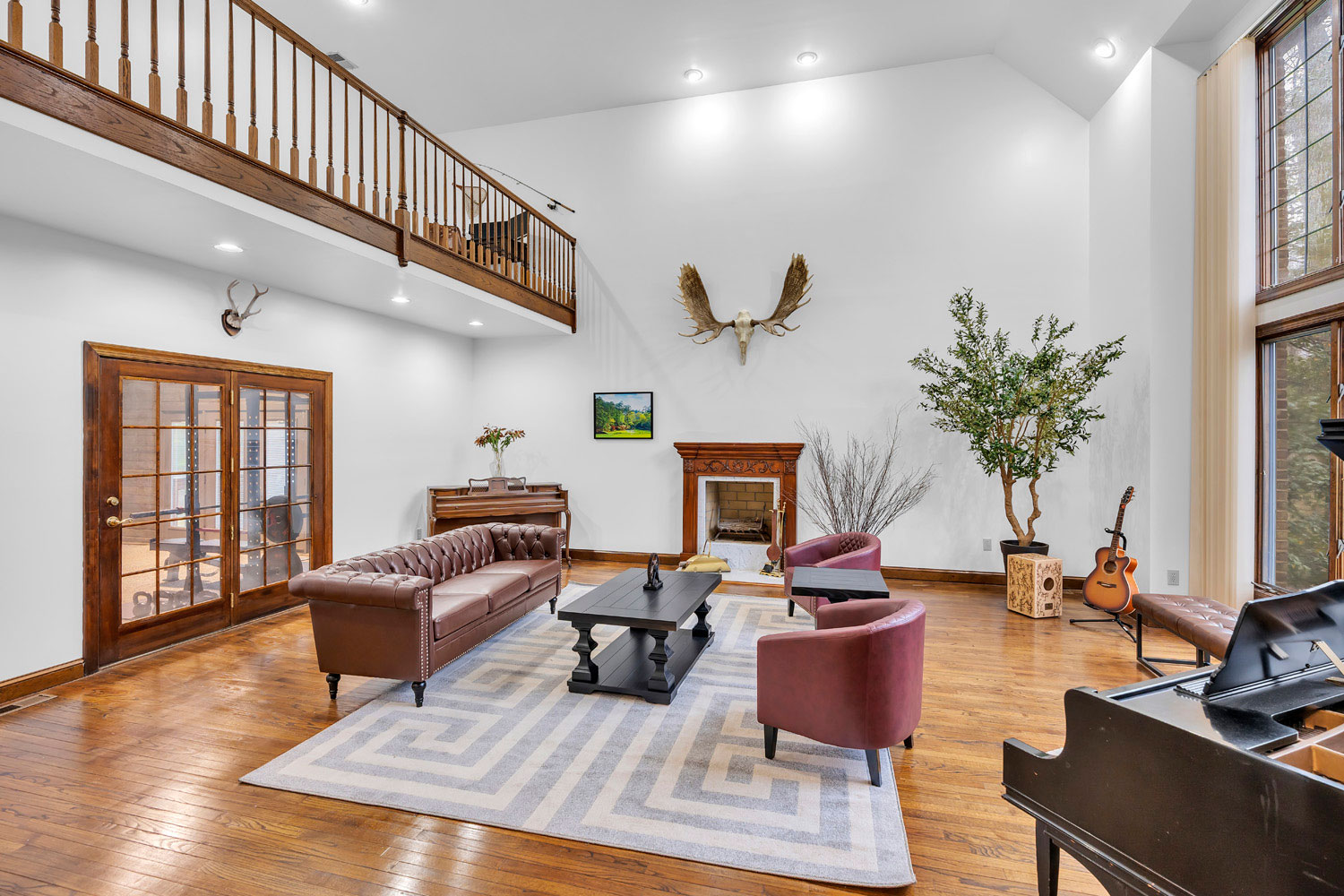
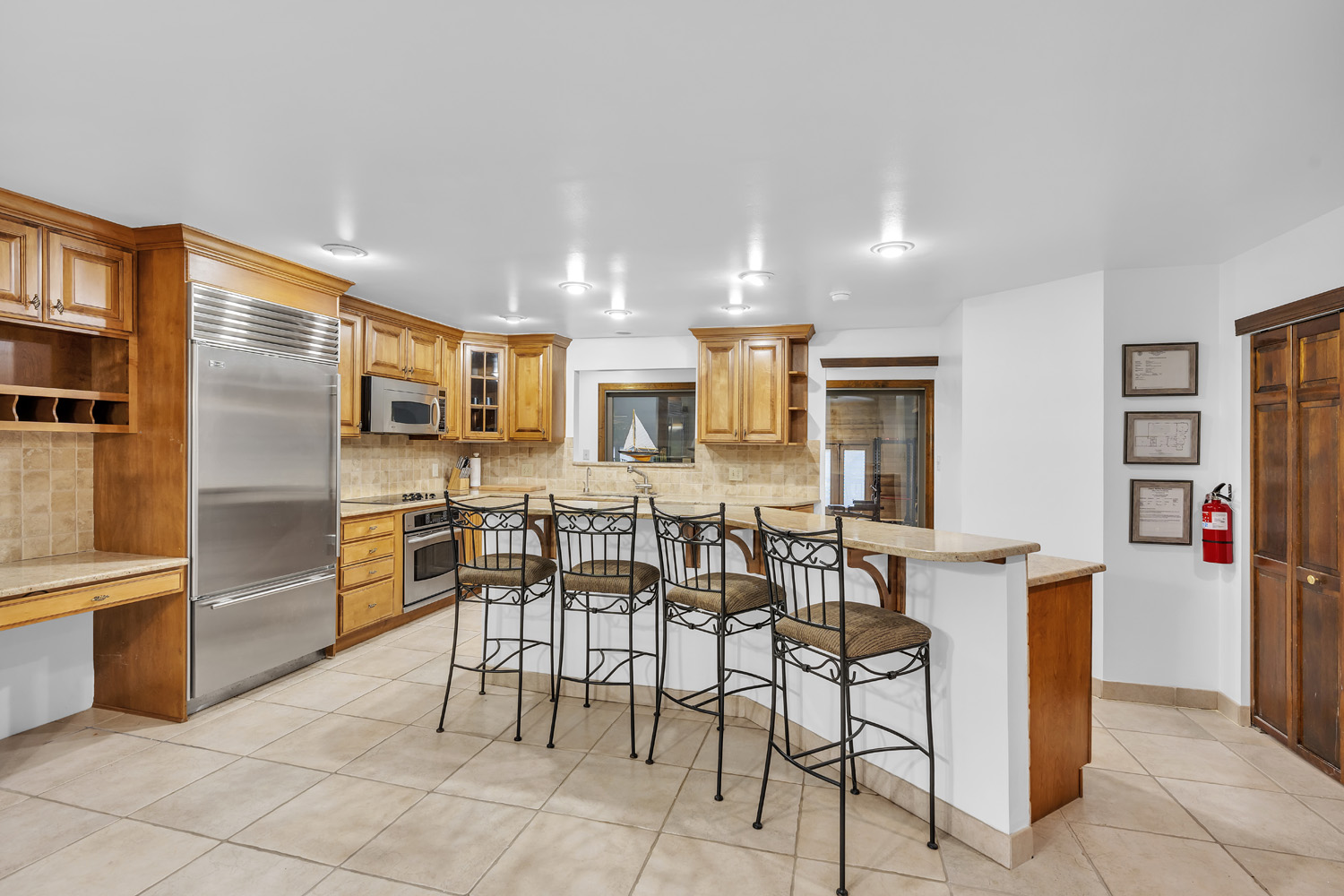
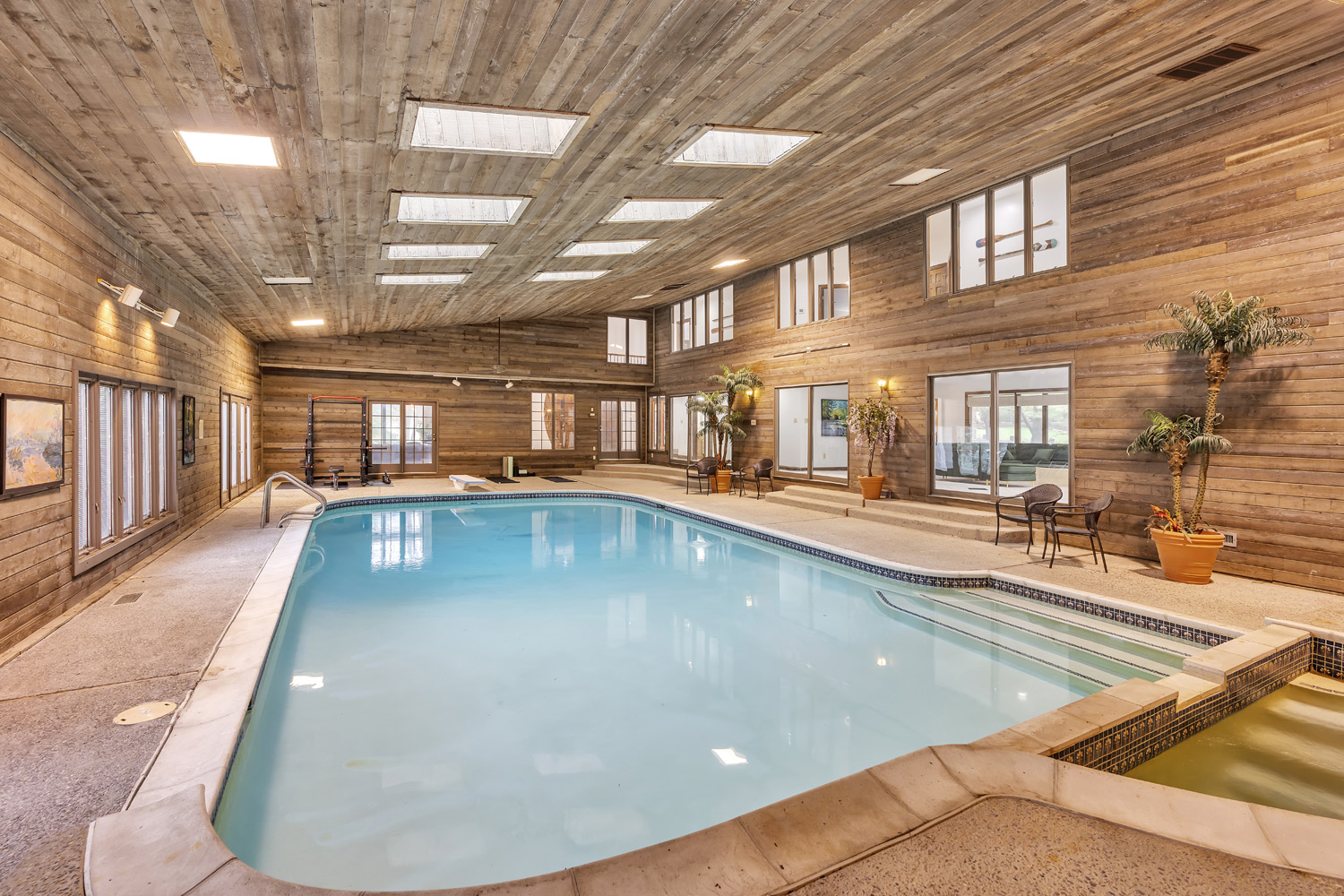
That’s where The Forest Sober Living can help. Our New Jersey homes in Cherry Hill, Hainesport, and Pennsauken offer structured, compassionate environments where recovery continues to strengthen. Close enough to stay connected, yet far enough to create healthy distance, each home gives you space to keep building the life you’ve started.
Recovery doesn’t stop here — it evolves.
Reach out today and let’s take your next step together.
Frequently Asked Questions About Sober Living in Toms River, New Jersey
What’s the difference between sober living and rehab?
Rehab gives structured clinical treatment that includes evidence-based therapy, medical care, and stabilization. Sober living is the next stage, where you practice independence while still having help. Sober living is structured with day-to-day accountability and peer support to help you practice what you learned in rehab and to develop independence to stabilize during your recovery from addiction.
Are there specialized sober living homes in Toms River?
Yes. There is a range of recovery houses available, including homes for men, homes for women, LGBTQ-friendly houses, homes for couples, and homes that accommodate pets. Some houses have more shared community living, and other are more private or higher end. The purpose in all of them is the same — to provide a safe and supportive space for growth in recovery with people who understand the process.
How long can someone stay in a sober living home?
The majority of residents typically stay for a period of 3 months to a year, based on their goals, their progress and/or their individual needs. Many choose to stay longer in their aftercare because it helps them save money, establish routines, and continue to stay connected to their peers before they live fully independent lives. The focus is on durable recovery rather than being in a rush to get residents out the door.
What rules do sober living homes follow?
Rules provide safety and stability. Expect to see curfews, meetings, drug testing, and shared responsibilities in the house. These expectations help provide steadiness and focus on recovery. Structured routines, along with accountability to the community, are what transforms a recovery house into a healthy transitional point toward independent living.
How can I find a reputable sober home in Toms River?
Seek certification via New Jersey’s recovery residence programs or through the National Alliance for Recovery Residences (NARR). Visit and speak to staff and residents if you can. Inquire about what accountability and aftercare looks like for that home. A strong sober home will be transparent in communicating their expectations with residents and focus on connecting them to their addiction recovery support systems.
Sources
[1] New Jersey Department of Human Services, Division of Mental Health and Addiction Services. (2023). Substance Use Overview 2022. Retrieved from: https://www.nj.gov/humanservices/dmhas/documents/pdf/statistical/substance-abuse-overview/2022/Statewide.pdf. Accessed on October 15, 2026.
[2] New Jersey Department of Human Services, Division of Mental Health and Addiction Services. (2022, July). Substance Abuse Overview 2021: Ocean County. Retrieved from: https://www.nj.gov/humanservices/dmhas/documents/pdf/statistical/substance-abuse-overview/2021/Oce.pdf. Accessed on October 15, 2026.
[3] Davis, T. (2014, October 1). 25 towns in New Jersey with heroin abuse: Toms River is seventh. Patch. Retrieved from: https://patch.com/new-jersey/tomsriver/25-towns-new-jersey-heroin-abuse-toms-river-seventh. Accessed on October 15, 2026.