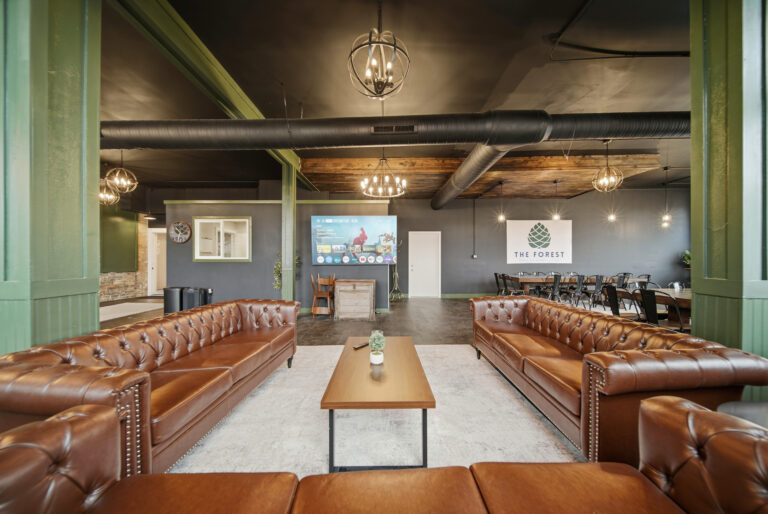
A Strong Foundation for Recovery: Inside Men’s Sober Living Homes
A structured environment for men to build strength and lasting recovery

Recovery is more than just staying sober. It’s about finding stability and restoring purpose in life. Men’s sober living homes offer the structure and support needed to do that. These homes create reliable alcohol and drug-free settings for men to develop self-control, strengthen relationships, and restore confidence one day at a time.
These homes provide stability and guidance in a supportive community of men with similar goals. Together, residents develop new habits, restore trust, and prepare for the next steps toward long-term recovery and independence.
If you are leaving treatment and seeking a stable environment that supports your recovery, this guide discusses how men’s sober living homes work, what to expect, and how one can find this type of support to help you move forward.
Begin Your Recovery Journey

We understand that recovery is built on connection, structure, and brotherhood. That’s why our men’s sober living homes are designed to create that balance of accountability and community that helps you rebuild with confidence and purpose.
Whether you’re stepping out of treatment or finding your footing again, The Forest offers a place to grow, steady, supported, and surrounded by men walking the same path. You don’t have to do this alone.
Take your next step with The Forest today. We offer men’s sober living homes across Arizona, Florida, New Jersey, Pennsylvania, Texas, and Wisconsin. Reach out today and we’ll help you find the location that feels right for where you are now.
Frequently Asked Questions About Men’s Sober Living
What’s the difference between sober living and rehab?
Rehab focuses on treatment—structured therapy, clinical care, and medical support for early recovery. Sober living is the next step. It’s a stable home environment that builds accountability, routine, and confidence as you transition back into everyday life.
Are there men-specific sober living homes?
Yes. Across the United States, men’s sober living homes offer spaces designed around the needs of men in recovery. These homes emphasize structure, shared responsibility, and brotherhood, helping residents rebuild their lives with strength and honesty. The Forest has homes across Arizona, Florida, New Jersey, Pennsylvania, Texas, and Wisconsin.
How long can someone stay in a sober living home?
Most men stay between three and twelve months, though some stay longer to build stronger foundations before living independently. The goal isn’t a deadline—it’s readiness. Staying until your routines and support systems feel solid sets you up for lasting success.
What rules are typical in sober living programs?
Rules create structure and trust. Residents commit to sobriety, regular drug and alcohol testing, curfews, meetings, and shared responsibilities within the home. These expectations aren’t about control—they’re about creating consistency that supports recovery.
How can I tell if a sober home is safe and reputable?
Look for homes certified by NARR or state recovery housing coalitions. Visit in person, meet the staff, and ask clear questions about policies, support, and accountability. A good home feels transparent, respectful, and grounded in real recovery values.
Sources
- Vilsaint, C. L., Tansey, A. G., Hennessy, E. A., Eddie, D., Hoffman, L. A., & Kelly, J. F. (2025). Recovery housing for substance use disorder: A systematic review. Frontiers in Public Health, 13. https://doi.org/10.3389/fpubh.2025.1506412
- Jason, L. A., & Perkins, K. M. (2023). Peer helping, retention, and relapse in sober living houses. Recovery Research Institute. https://www.recoveryanswers.org/research-post/deeper-dive-recovery-residence-participants-who-more-likely-use-them-how-affect-engagement-outpatient-care/
- Polcin, D. L., Korcha, R., Henderson, D., & Bond, J. (2023). Resident and house characteristics associated with outcomes in sober living houses. Recovery Research Institute. https://www.recoveryanswers.org/research-post/recovery-resident-positive-outcomes/
- Substance Abuse and Mental Health Services Administration. (2025). Substance use disorder in the past year (NSDUH Population Statistics Reports, Vol. 1, No. 3). Center for Behavioral Health Statistics and Quality. https://www.samhsa.gov/data/sites/default/files/reports/rpt56619/2024-nsduh-psr3-sud.pdf
- Spencer, M. R., & Ahmad, F. B. (2024). Drug overdose deaths in the United States, 2003–2023 (NCHS Data Brief No. 522). National Center for Health Statistics. https://www.cdc.gov/nchs/products/databriefs/db522.htm