A Practical Guide to Sober Living Across Texas
Sober living houses in Texas provide a calm, supportive space to rebuild what comes next

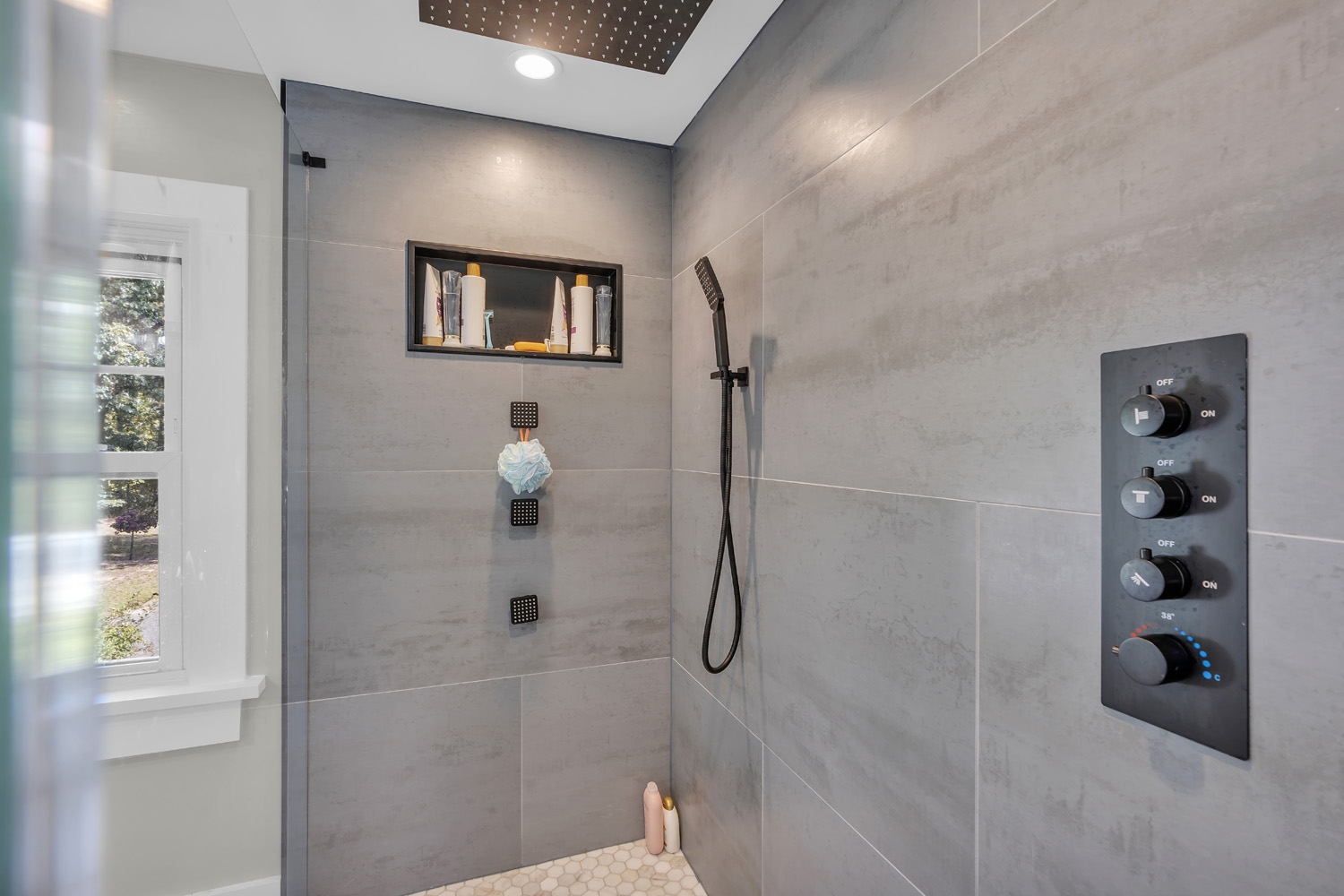
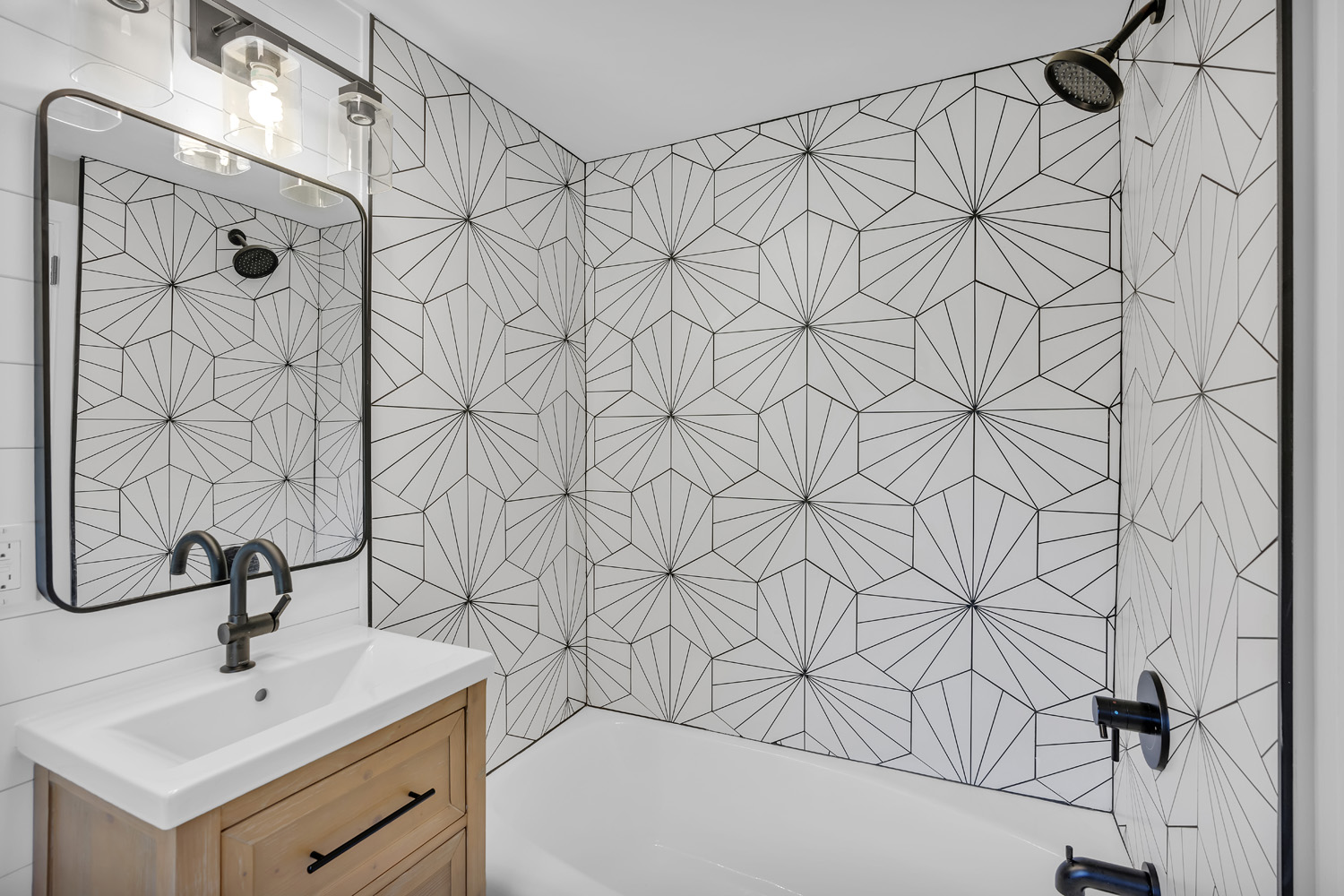
A Place to Continue Growing With Support

Texas offers a wide range of spaces where recovery can take root — from cities with strong recovery communities to quiet suburbs that make everyday life feel manageable.
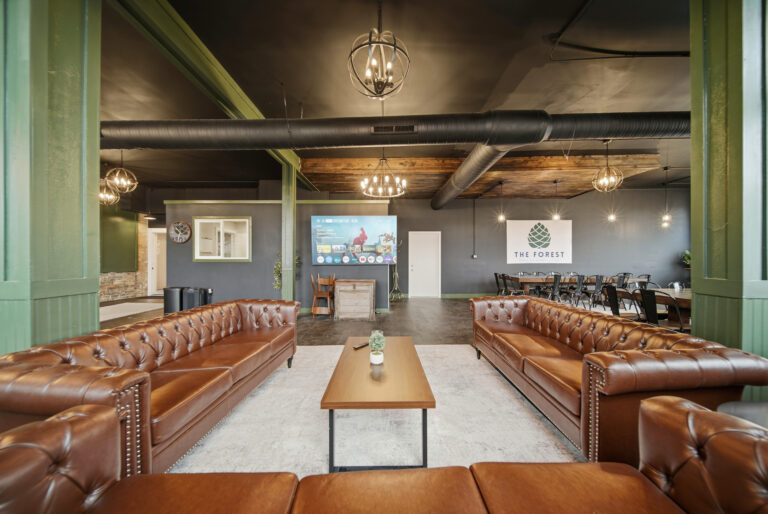
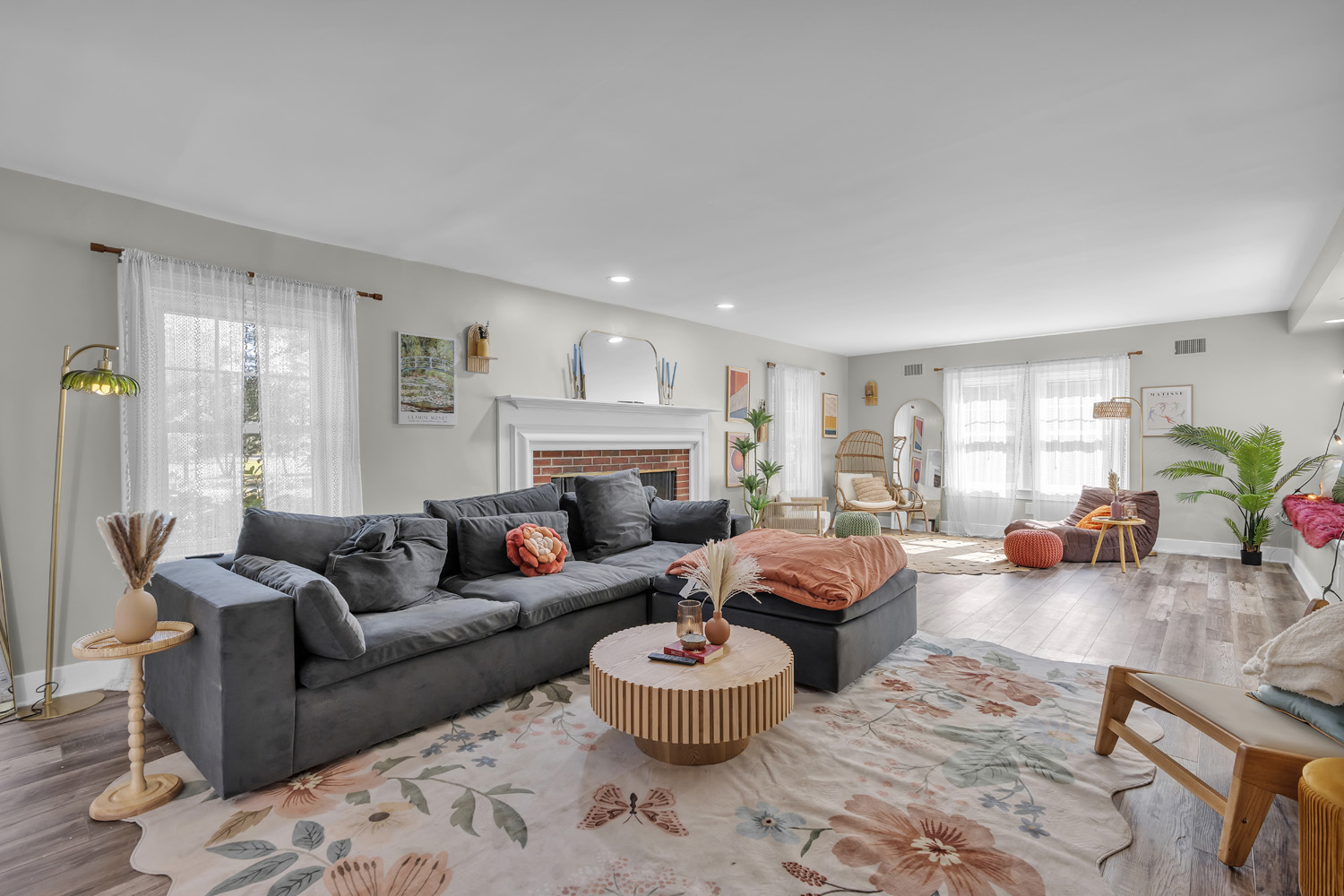
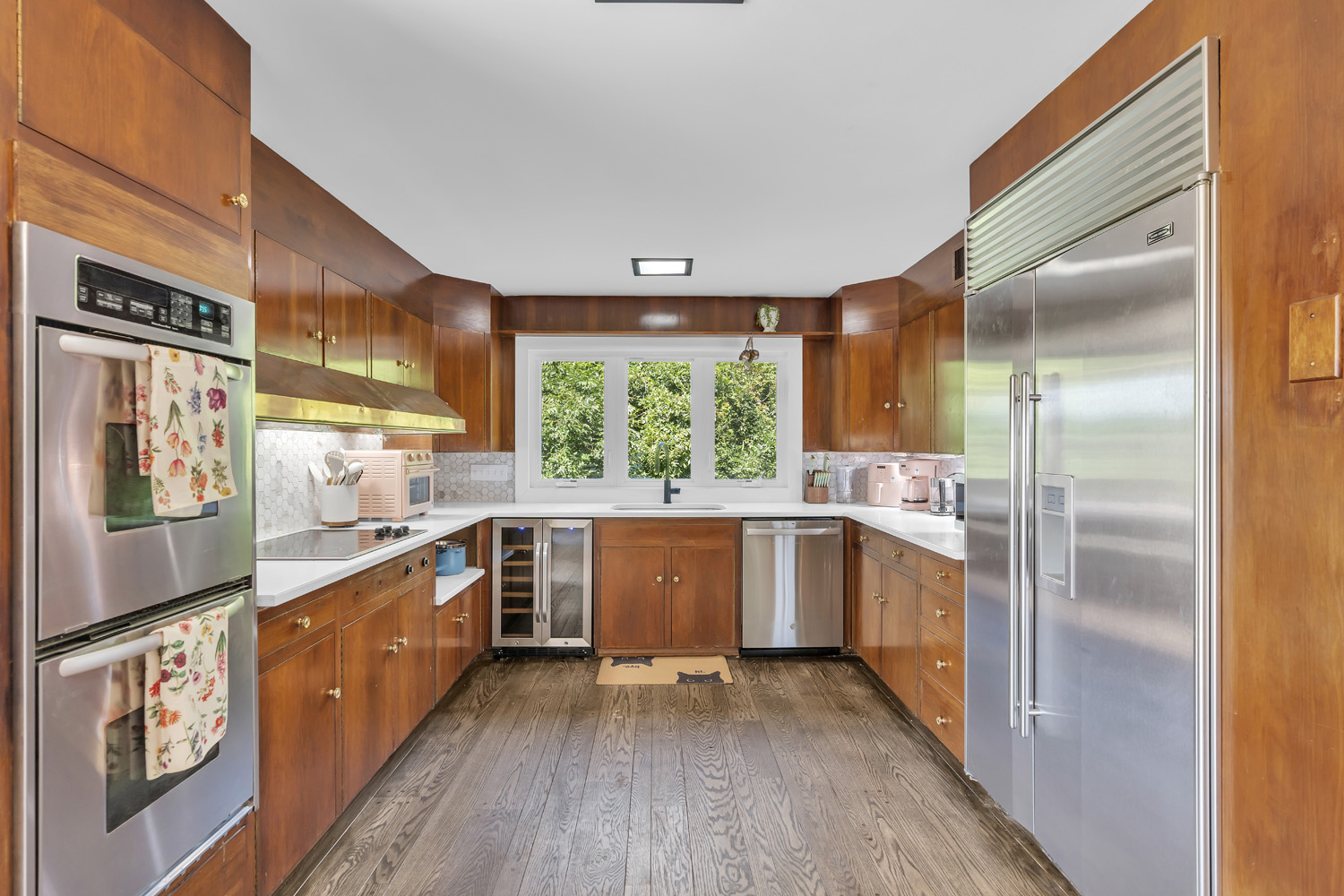
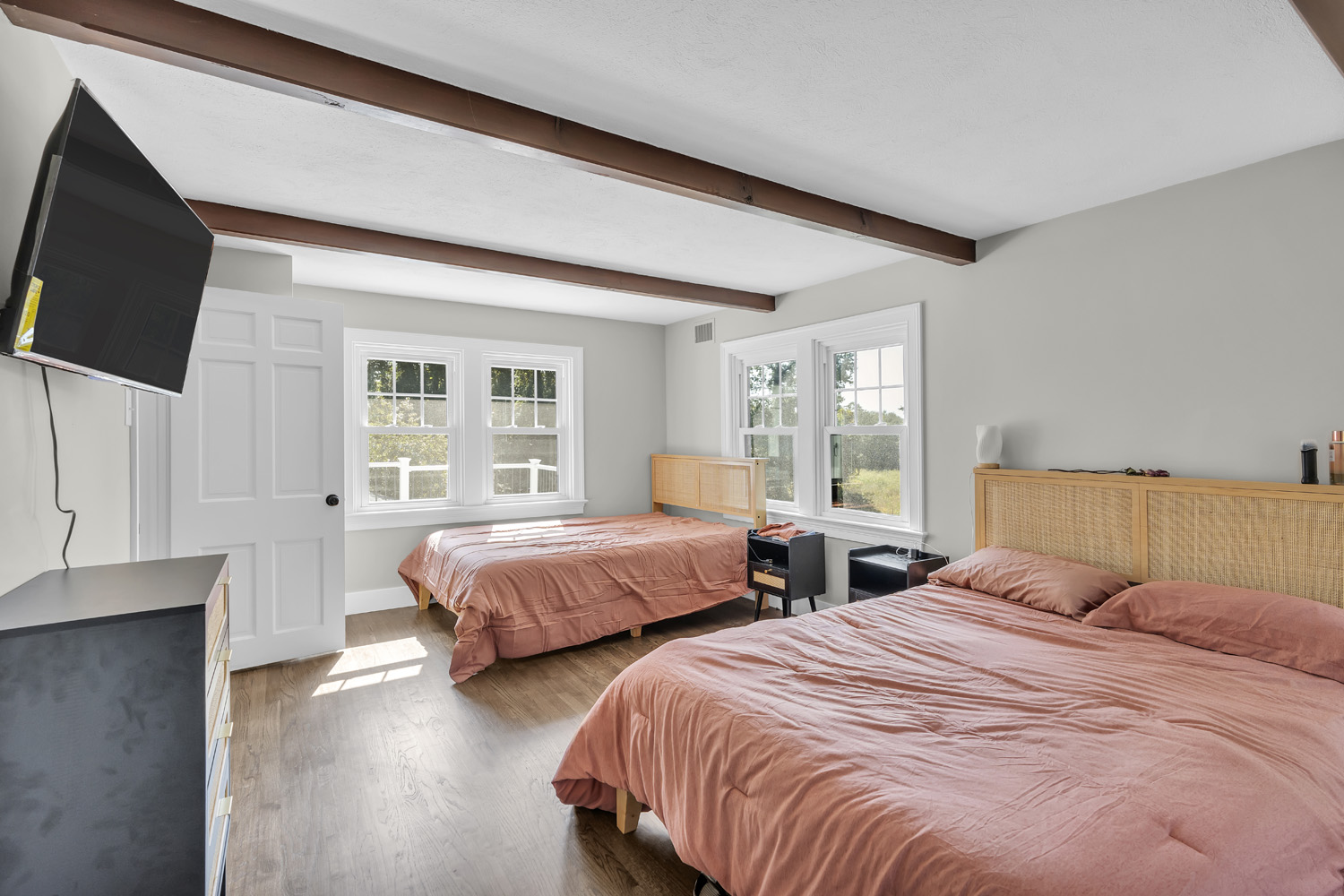
If you feel ready for a home that offers structure, encouragement, and room to grow, The Forest Sober Living provides a warm and supportive place to continue your progress.
Whether you’re coming from Texas or another part of the country, you’ll find a steady, welcoming home where your goals matter and your recovery is supported every step of the way.
If you’re ready for a fresh start in a place that truly cares, reach out today.
Frequently Asked Questions About Sober Living in Texas
What exactly is a sober living house?
A sober living house is a safe, structured home where people can keep building stability after detox, inpatient treatment, or outpatient care. It’s a place grounded in routine, accountability, and peer support — all the things that help recovery feel more steady day by day.
How long do people usually stay?
Most residents stay anywhere from three to twelve months. Some stay longer if the structure and routine continue to help them. Everyone’s timeline looks different, and sober living gives you the space to grow at the pace that feels right for you.
What kinds of rules do sober living homes have?
Most Texas sober homes keep expectations simple: curfews, shared chores, house meetings, and drug testing. These guidelines aren’t meant to be harsh — they’re there to keep the home steady, respectful, and supportive for everyone who lives there.
Do I have to stay in treatment while living in sober housing?
Some homes require ongoing outpatient treatment or regular 12-step meetings, while others just encourage it. Many people choose to stay connected to counseling, recovery coaches, or support groups because it helps them feel grounded and supported.
Can I work while living in a sober home?
Yes. Many residents work during their stay. Texas has plenty of routine-friendly jobs in customer service, hospitality, trades, healthcare support, and warehouse operations — roles that fit well with early recovery.
Are there gender-specific or specialized sober living options in Texas?
Yes. You’ll find men’s homes, women’s homes, LGBTQ-inclusive homes, sober living apartments, halfway houses, and recovery residences with on-site staff. There are also nonprofit programs that offer added structure and support.
What should I bring when moving in?
Most people bring clothing, personal items, identification documents, toiletries, and any approved medications. Many homes offer a simple packing list so you don’t have to guess.
How can I tell if sober living is the right step for me?
Sober living may be a good fit if you want structure, accountability, and community while you work on your recovery. If living alone feels too fast or too overwhelming right now, a sober home can give you the steady foundation you need.
Sources
[1] Texas Department of State Health Services. (2025). Drug-related deaths dashboard: All drugs, Texas, 2010-2023. Retrieved from: https://healthdata.dshs.texas.gov/dashboard/drugs-and-alcohol/all-drugs/drug-related-deaths. Accessed on October 15, 2026.
[2] Texas Department of State Health Services. (2024). Fentanyl trends: Unintentional drug and fentanyl poisoning-related deaths, 2014–2024 [Data dashboard]. Texas Health Data. Retrieved from: https://healthdata.dshs.texas.gov/dashboard/drugs-and-alcohol/all-drugs/fentanyl-trends. Accessed on October 15, 2026.
[3] Mericle, A. A., et al. (2023). NSTARR: Texas state report [Report]. Recovery Research Institute. Retrieved from: https://recoverypeople.org/wp-content/uploads/2025/03/NSTARR_Texas_Final.pdf. Accessed on October 15, 2026.
[4] Lee, S. (2023, March 21). Be Well Texas receives state grant to support substance use disorder recovery houses for emerging adults. Be Well Texas. Retrieved from: https://bewelltexas.org/be-well-texas-receives-state-grant-to-support-substance-use-disorder-recovery-houses-for-emerging-adults/. Accessed on October 15, 2026.