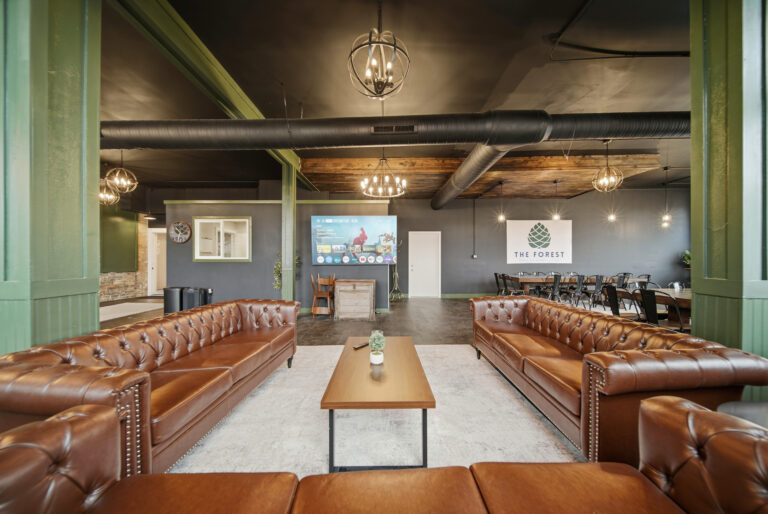
Austin is known for being a creative city that values music, nature, and warm community energy. It’s also a city where daily life feels stable and safe, especially for those in early recovery. From the calm pockets of Central Austin, to quiet neighborhoods in North Austin and South Austin, and the community support throughout the city, Austin provides a living environment where structure and independence can develop together.
For those in recovery who are ready for more structure as they transition back into independent living, sober living can be a helpful step. Sober living homes in the Austin area offer residents a substance-free and supportive place to live while they continue along their recovery path.
This guide details what sober living looks like in Austin, what types of homes are available, how structure and community come together, and what local resources can support you or a loved one as you rebuild a new life.
Why Choose Sober Living in Austin?
Austin is a city built on openness. Its residents care about community, creativity, and taking care of one another. For someone who is in early recovery, that acceptance can make life feel lighter and more manageable. It’s one of the reasons so many people choose Austin as the place to rebuild their life. Below are some other reasons:
A City That Supports Steady Routines
Life in Austin is easy-going. Grocery stores, pharmacies, outpatient clinics, and community services can be found throughout the city, and public transportation links many neighborhoods with therapy, IOP programs, and other support services. Whether you are in Jollyville, Del Valle, or closer to downtown, it is easy to create routines that help you feel grounded.
Safe Spaces and Supportive Communities
Austin’s parks, trails, greenbelts, and quieter neighborhoods offer plenty of places to slow down and breathe. That balance of energy and calm makes it easier for people to leave residential treatment and adjust at their own pace. Community centers, wellness programs, and creative neighborhoods also give residents opportunities to reconnect with themselves in meaningful ways.
A Strong Recovery Community
Austin has a strong recovery scene with a population known for being very accepting — especially toward LGBTQ residents. There are countless peer-support meetings, nonprofit organizations dedicated to mental health and addiction recovery, coaching services, and relapse-prevention groups. Often, people find that the openness of the community helps them feel understood rather than judged.
Diverse Recovery Residences Across the City
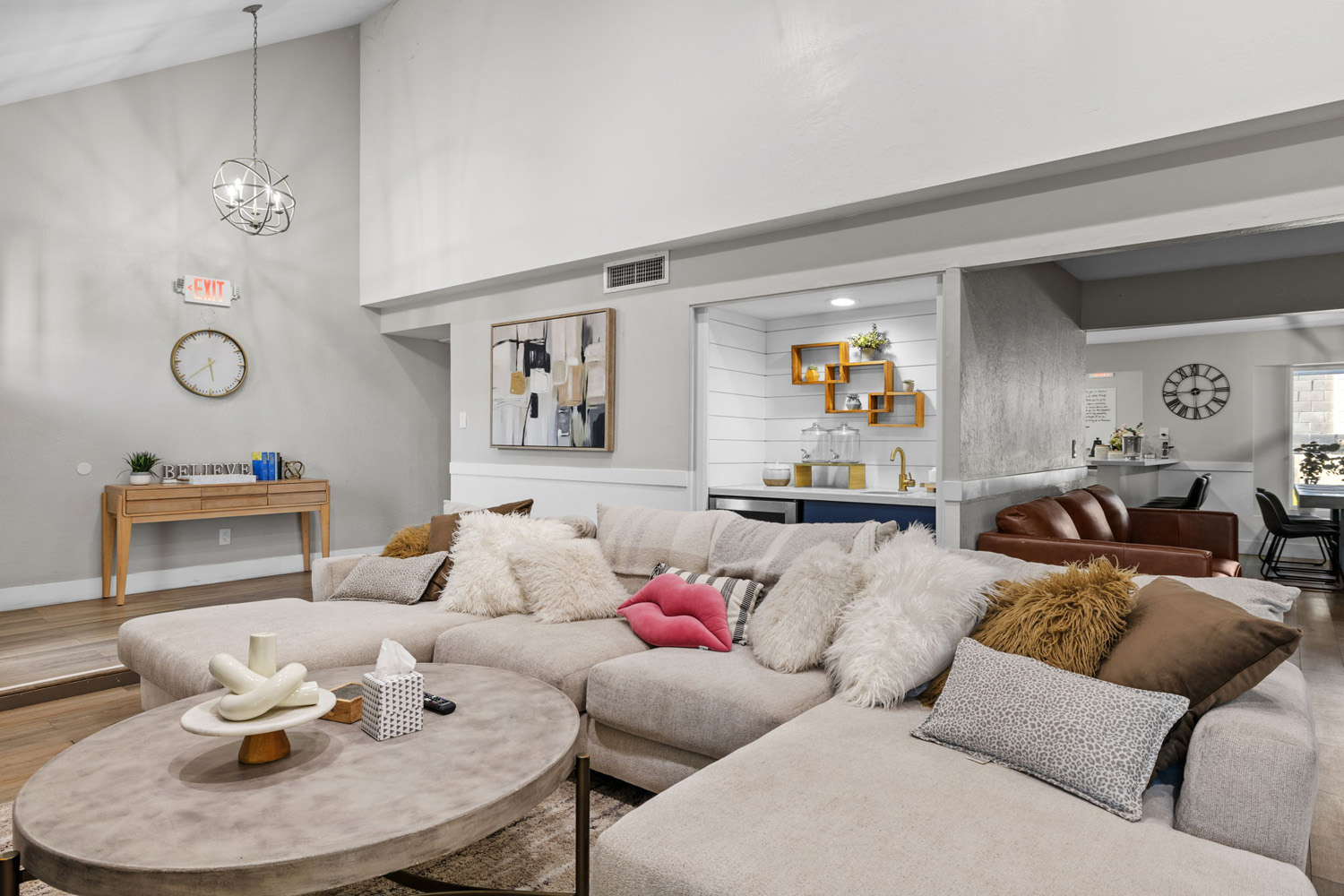
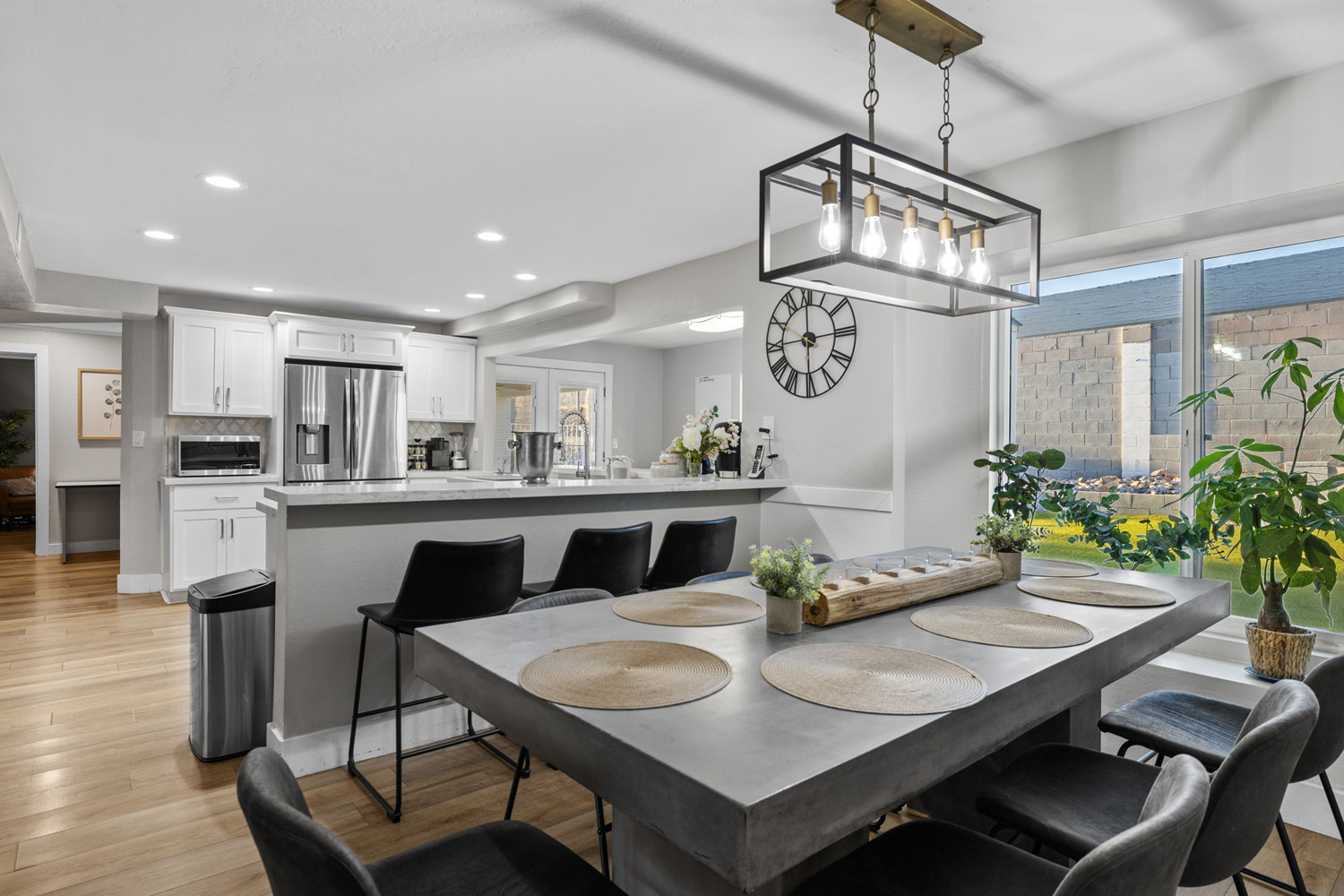
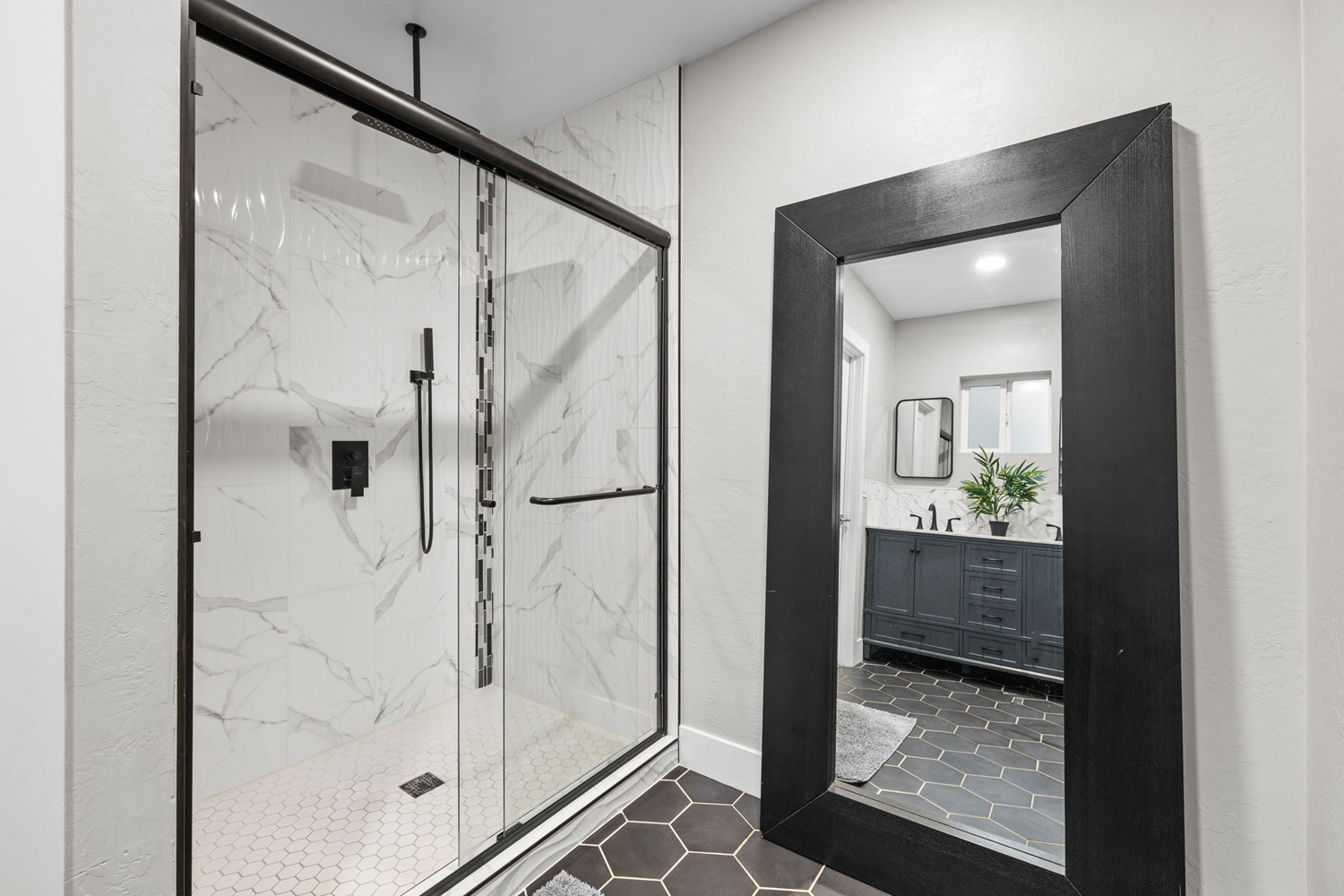
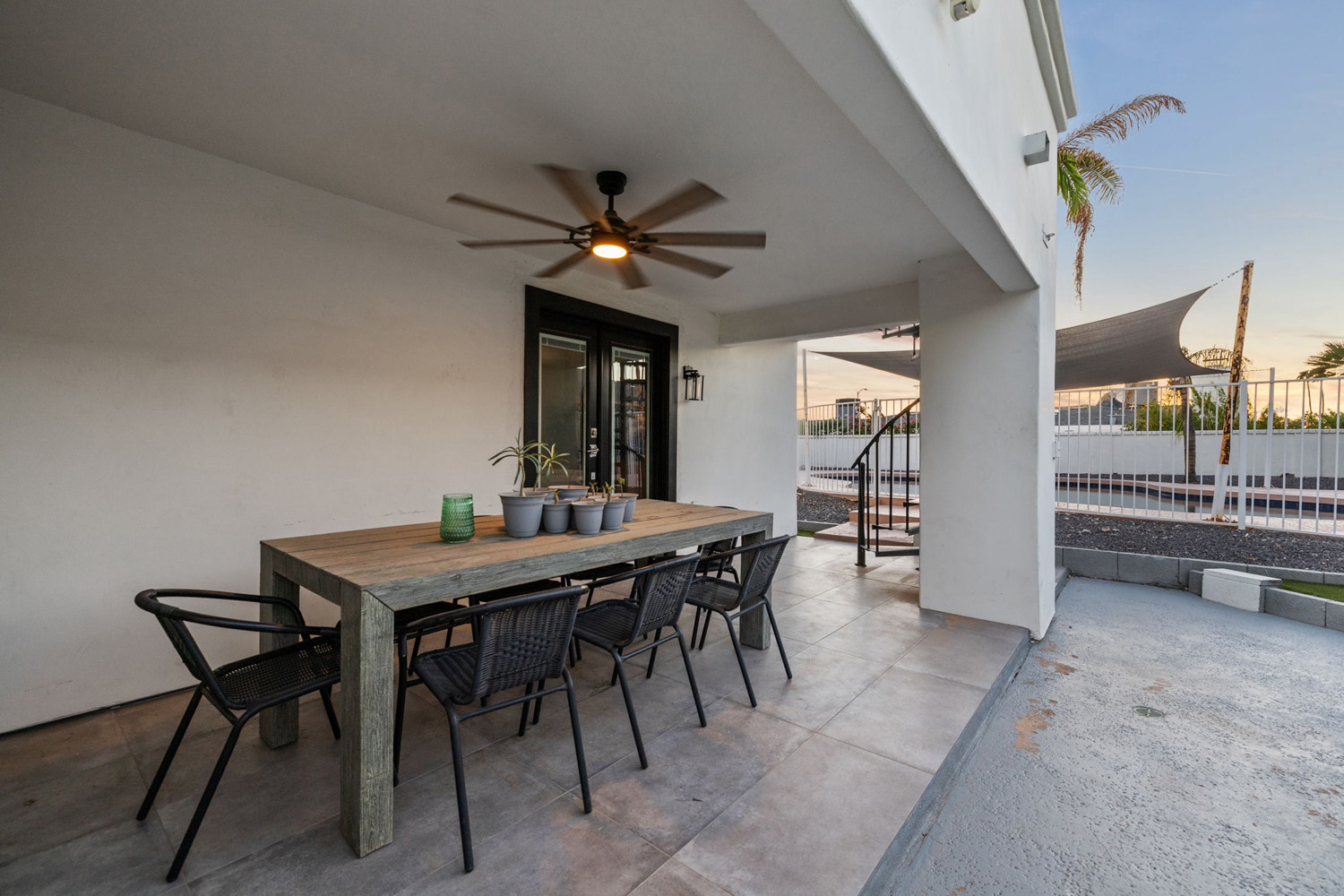
Recovery homes in Austin come in many forms so anyone can find a home that fits their lifestyle. Options include women’s homes, men’s homes, homes that highlight LGBTQ inclusion, and coed homes that welcome couples recovering together. There are also pet-friendly homes, homes with a live-in house manager, and homes with more structure for those who want additional support. For individuals who want a more private and comfortable setting, there are even higher-end sober living homes in the Austin area that offer more amenities while still keeping recovery at the forefront.
Employment Opportunities in a Growing City
Austin’s job market is one of the strongest in Texas. Residents often find opportunities in administrative support, tech-adjacent roles, customer service, hospitality, food service, logistics, retail, and warehouse operations.
Well-known employers in the area include:
- H-E-B Groceries, offering steady work in customer service, curbside pickup, stocking, bakery/produce support, and back-of-house store operations.
- Dell Technologies Careers, which hires for entry-level administrative support, customer assistance, and operations roles that focus on organization, communication, and daily workflow support.
- St. David’s HealthCare, which offers non-clinical positions such as patient transport, housekeeping, food service, unit clerks, scheduling assistants, and other support roles.
- Amazon, with warehouse work like packing, sorting, and inventory support, with a variety of shift options.
- UPS provides hands-on roles including package handling, warehouse sorting, delivery support, and seasonal entry-level positions with structured routines.
- University of Texas at Austin hires across campus for facilities work, administrative assistance, custodial roles, event support, and other steady jobs that fit well with early-recovery schedules.
What to Expect in a Sober Living Home in Austin
Sober living homes in Austin are meant to help you bridge the gap between treatment and fully independent living. Each home runs a little differently, but most offer a steady routine, a sense of community, and guidance that helps early recovery feel less overwhelming.
Structure and Routine
Most homes follow simple, predictable guidelines — shared chores, curfews, weekly house meetings, and regular drug testing. These expectations aren’t there to restrict you; they’re there to help you settle into a rhythm that feels stable and supportive. Residents are also encouraged to stay connected to outpatient care, therapy, IOP programs, or case management so they have layers of support as they move forward.
Community and Accountability
One of the most meaningful parts of sober living is the people you share the space with. Living alongside others who understand addiction, mental health challenges, and the everyday realities of early recovery can make a huge difference. Housemates check in on each other, celebrate progress, and offer encouragement on the days that feel heavier. That sense of connection often becomes a core part of someone’s recovery.
Continued Recovery Support
Austin has a wide range of resources that residents continue to use while living in sober housing — outpatient services, peer groups, 12-step meetings, mental health providers, recovery coaches, and relapse-prevention programs. Having access to so many options helps people build healthier habits and feel more confident as they work toward independent living.
Sober-Friendly Things to Do in Austin
Austin offers a mix of outdoor spaces, cultural experiences, and low-pressure activities that make it easy to build healthy routines. These spots provide calm, connection, and simple ways to enjoy your day in a supportive environment.
Lady Bird Lake Trail offers miles of peaceful walking paths, lakeside views, and space to breathe.
Zilker Metropolitan Park provides open green space for movement, picnics, outdoor classes, and gentle time outdoors.
The Blanton Museum of Art offers a quiet place to explore art in a reflective, calming setting.
The Long Center for the Performing Arts hosts community events and performances without high-pressure environments.
The Barton Creek Greenbelt provides nature trails, shaded paths, and quiet spots to walk and reset.
Health and Wellness in Austin
Black Swan Yoga offers community-focused classes that support mindfulness and mental well-being.
Castle Hill Fitness provides strength training, group classes, and holistic wellness offerings.
Restore Hyper Wellness offers services like cryotherapy, compression sessions, and wellness treatments that help residents rebuild healthy habits.
Lizard Yoga & Holistic Spa pairs yoga with float-therapy, sauna, ice-bath contrast treatment and massage for a full reset.
Bliss Studio offers acupuncture, chiropractic services, Pilates, yoga and massage in one space.
Local Substance Use and Recovery Stats
In 2023, there were 486 drug-overdose deaths in Travis County, up from 417 the year prior, making overdoses the leading cause of accidental death in the county.[1]
Travis County has one of the highest opioid overdose fatality rates in Texas, and in 2024 the county reported 179 fentanyl-related deaths (lowest since 2022) after a peak in prior years.[2]
In 2024, Austin-Travis County EMS reported 10,236 suspected opioid overdose incidents, and the Austin Public Health dashboard showed 4,880 naloxone administrations for Travis County in the same year.[3]