Dallas is a city founded on momentum and community. It has a steady rhythm—busy enough to keep you moving through your days, yet full of neighborhoods that are familiar, easy to settle into, and manageable. For individuals beginning their recovery, that structure and sense of familiarity can make everyday life feel easier to reintegrate into.
Dallas has an array of mental health providers, outpatient programs, peer-support groups, and calm residential areas where residents can build new routines. The size of the city also ensures you’re never far from grocery stores, pharmacies, medical clinics, or other community resources that help maintain continuity in life.
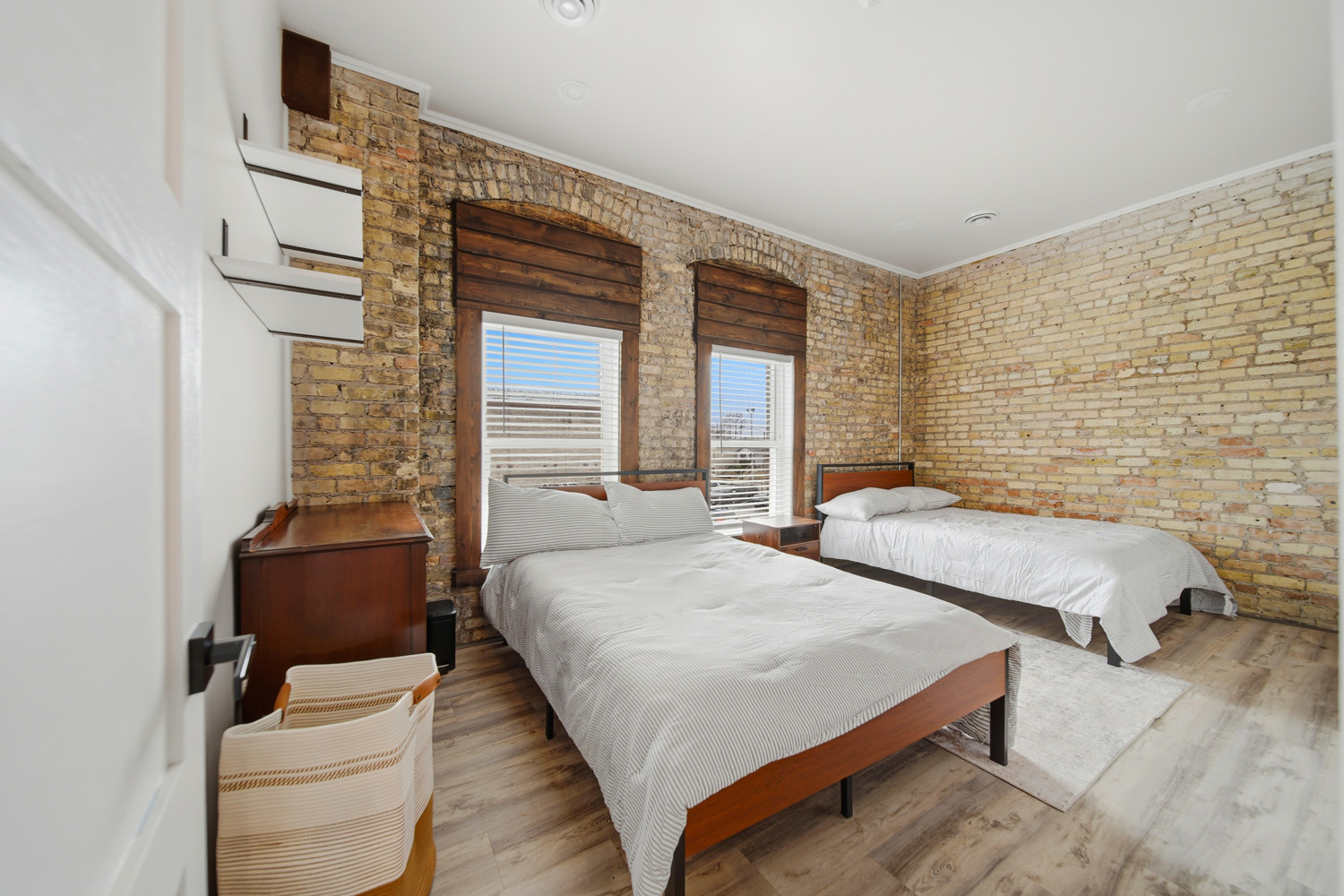
For individuals in recovery who want more support and structure before fully transitioning to independent living, a sober living home may be the appropriate next step. Sober living provides a stable place to practice life skills, engage with care, and reestablish your daily rhythm with structure and guidance instead of pressure.
This guide explains what sober living can look like in Dallas, the supports available, and how the community resources throughout the city can help you move forward into lasting sobriety.
Why Choose Sober Living in Dallas?
Dallas has a reputation for resilience, and people feel that sense of community everywhere. For those in early recovery, this shows up in very real ways—steady neighborhoods, accessible care, and a daily rhythm that feels doable while rebuilding your life. Here are more reasons why Dallas is an ideal location to practice sober living:
Accessible and Convenient for Daily Life
One thing residents appreciate about Dallas is how simple it is to settle into daily life. Grocery stores, pharmacies, outpatient clinics, and community health centers are spread across the city, so you’re never scrambling to find what you need.
Public transportation reaches many central neighborhoods, making it easier to get to appointments, therapy sessions, IOP programs, or peer-support meetings. Whether you’re in Oak Lawn, Lakewood, Richardson, or East Dallas, the flow of the day tends to feel manageable.
Safe Neighborhoods and Steady Environments
Many Dallas neighborhoods offer a grounded, steady environment—tree-lined streets, local parks, and community spaces where people can settle and breathe. These calm pockets of the city give people in early recovery a sense of safety and stability, making it easier to build and maintain new habits.
A Wide Recovery and Mental Health Network
Dallas has a broad network of recovery support for individuals rebuilding their lives. Peer groups, counseling centers, outpatient programs, and nonprofit organizations are easy to find, and most operate in supportive, welcoming environments without judgment.
Residents commonly rely on a mix of therapy, peer mentoring, workshops, and community-based support to stay connected and encouraged as they move forward toward long-term sobriety.
Diverse Recovery Housing Options
Sober living homes in Dallas come in many forms to accommodate people on their personal recovery journeys. There are women’s sober living homes and men’s sober living homes, homes that highlight their LGBTQ-inclusivity, or coed homes for couples in recovery.
There are many pet-friendly homes, homes with an on-site manager for more structure, sober living homes using the Oxford House model (democratically run by the residents), and higher-end options in parts of North Dallas that may provide a more comfortable and private place to rebuild your life. No matter the arrangement you or a loved one is looking for, there is sober living in Dallas to support you.
Employment Opportunities Across the Metro Area
Dallas has a huge job market, which makes it easier for people in early recovery to find steady, straightforward work as they rebuild their routines.
Some of the major employers in the area include:
- Baylor Scott & White, which hires for non-clinical support positions like patient transport, front desk assistance, food service, and environmental services.
- Amazon, where warehouse and distribution centers offer reliable shifts in packing, sorting, and inventory work.
- Kroger, which frequently hires for stocking, customer service, curbside pickup, and store support roles.
- AT&T, which offers entry-level opportunities in customer support and call-center assistance with structured training.
- DFW Airport, where residents can find work in operations, customer service, baggage handling, and other hands-on support positions that keep the airport running smoothly.
What to Expect in a Sober Living Home in Dallas
Sober living homes in Dallas are meant to bridge the gap between treatment and independent living. Every home is a little different, but below are some things that you can expect from any sober living home in Dallas:
Structure and Routine
Most homes follow a simple, predictable routine — things like shared chores, a curfew, weekly meetings, and regular check-ins. Drug testing is usually part of the process too, not as a punishment, but as a way to keep the home stable for everyone living there. Residents are also encouraged to stay connected to outpatient care, therapy, IOP, or mental health appointments so they have support both inside and outside the house.
Community and Accountability
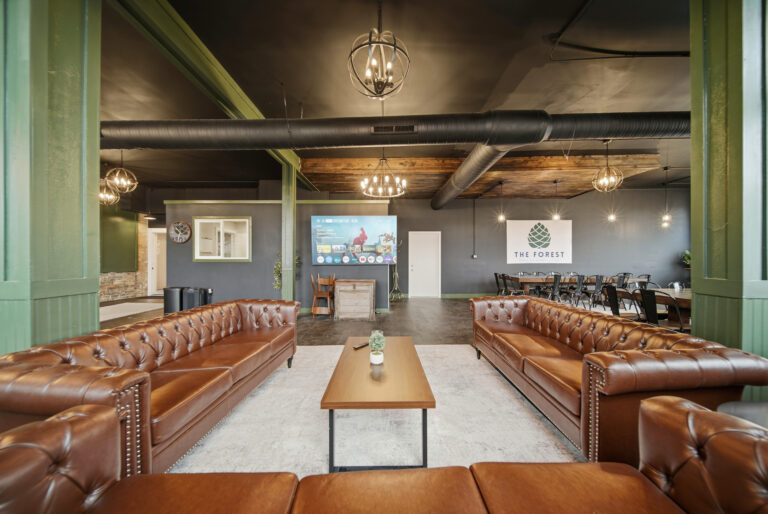
One of the biggest strengths of sober living is the people you share the space with. Living alongside others who understand addiction and early recovery makes a huge difference. There’s a natural sense of accountability and encouragement — celebrating wins together, talking through tough days, and knowing you’re not doing any of this alone.
Continued Recovery Support
Dallas has a wide range of recovery resources, and most residents keep using them while they’re in sober living. That might look like continuing outpatient treatment, joining group counseling, working with a recovery coach, or staying involved in aftercare. These supports help you build confidence and create habits that last well beyond your time in the house.
Sober-Friendly Things to Do in Dallas
Dallas has plenty of calm, low-pressure places to spend your time during early recovery. These activities make it easy to enjoy the day, stay grounded, and build new routines without being surrounded by nightlife or high-stress environments. Below are some local favorites worth exploring:
Klyde Warren Park offers open green space, food trucks, and shaded walking areas perfect for relaxed afternoons.
White Rock Lake Park provides quiet lakeside trails for walking, running, and fresh air.
The Dallas Arboretum & Botanical Garden offers gardens, pathways, and peaceful views for slow, mindful time outdoors.
The Perot Museum of Nature and Science gives residents an engaging, low-pressure place to explore exhibits and stay connected to the community.
Dallas Theater Center provides creative performances in a welcoming setting, offering a recovery-safe way to enjoy arts and culture.
Health and Wellness in Dallas
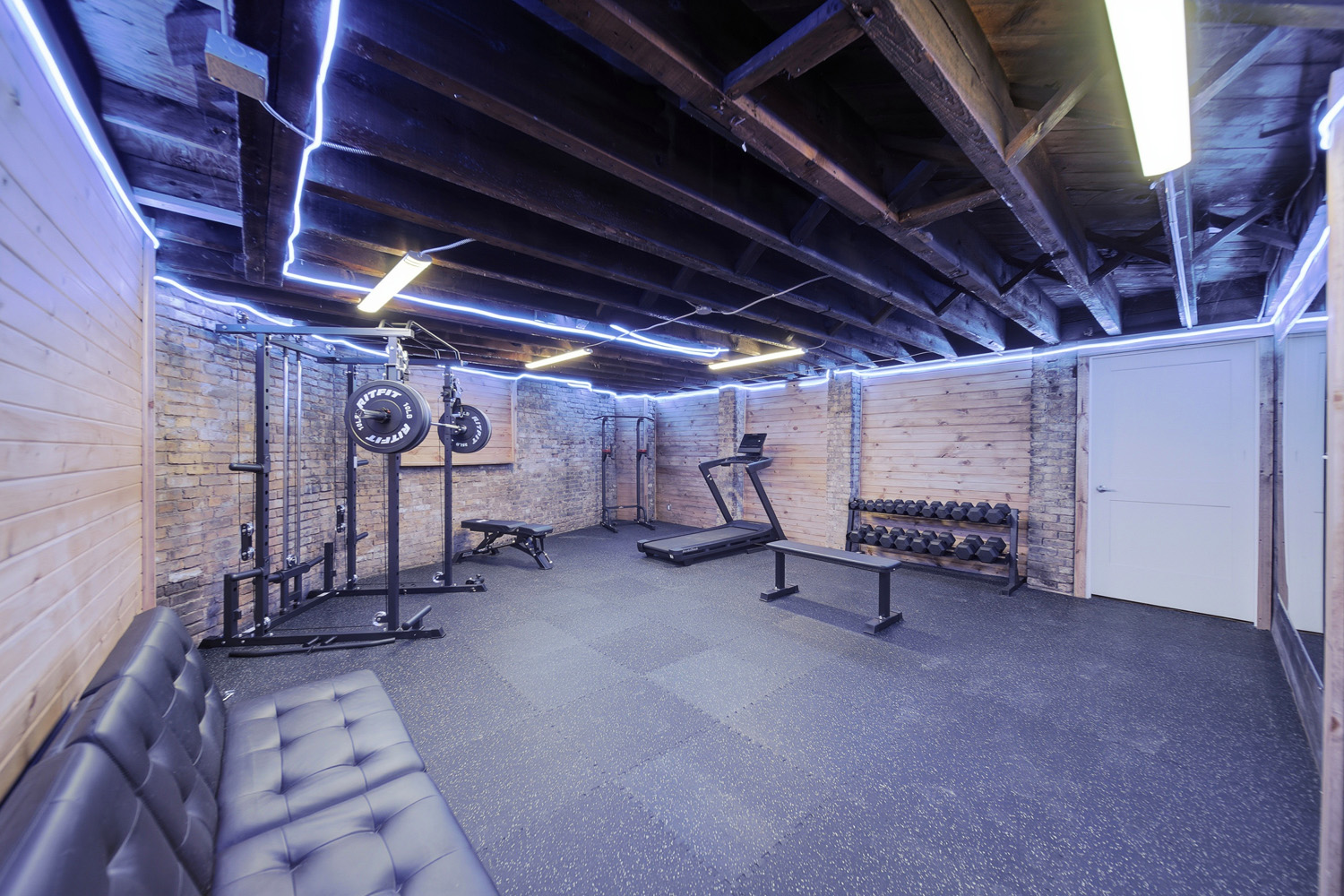
Gold’s Gym and other gyms across the metro offer strength training, group classes, and flexible workout hours.
Gaia Flow Yoga provides warm, community-focused yoga classes designed to build balance and mindfulness.
MoveStudio offers movement classes, dance-based fitness, and wellness workshops for all levels.
Sunstone Fit provides supportive yoga, pilates, barre, and other fitness sessions that help residents manage stress and stay grounded.
Restore Hyper Wellness offers stress-relief services including cryotherapy, compression therapy, and wellness sessions.
Local Substance Use and Recovery Stats
In Dallas County in 2023, the synthetic opioid fentanyl was involved in about 79.8 % of all overdose deaths, up from 11.4 % in 2018.[1]
Between 2018 and 2023 in Dallas County, non‐fatal drug overdoses nearly doubled.[2]
Hospitals in Dallas County reported drug-related overdoses (including non-fatal overdoses) climbed from 2,419 in 2018 to 3,818 in 2023.[3]