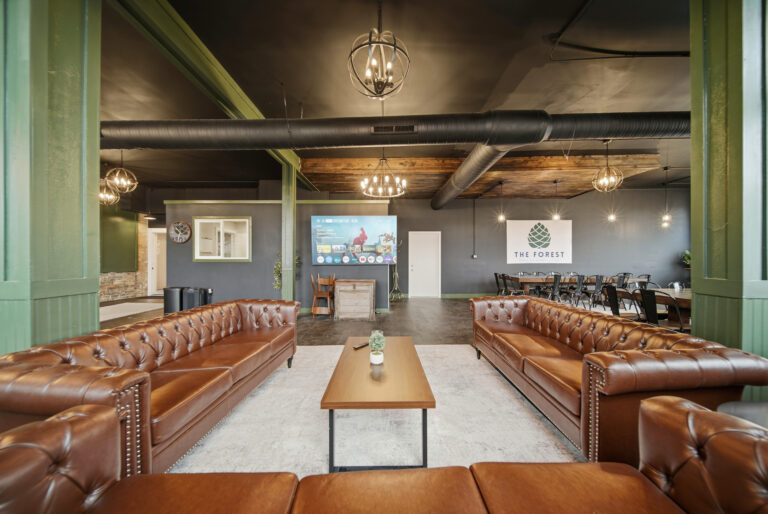
Fort Worth is a city with vibrant social connections and a relaxed, familiar pace. Its laid-back neighborhoods and easy-going atmosphere make for a healing environment, especially for someone in the process of rebuilding their life after addiction. Whether you are on your way to an outpatient appointment or you are starting to settle into life again, Fort Worth offers you space to breathe and grow into your recovery.
And for those moving out of treatment or detox and needing more support before living independently, sober living can be a productive next step. Sober homes offer you structure, support, and accountability, while still allowing you the space to grow at your own pace.
This guide outlines what sober living is like in Fort Worth, the different kinds of sober homes you can find, and the resources available to people working toward long-term sobriety.
Why Choose Sober Living in Fort Worth?
Fort Worth is a great place to live with a Texas vibe and plenty of local connection. Life moves more slowly in Fort Worth than fast-paced Dallas, and that slower pace can help cultivate habits to get you through early recovery. Here are a few more reasons Fort Worth is a good location for sober living:
A City With Manageable Routines
Fort Worth is clean and easy to get around, which helps individuals in sober living maintain predictable routines. Grocery stores, pharmacies, outpatient clinics, and community services are conveniently located no matter where you are in the city.
Those with no vehicle shouldn’t have any trouble getting around either. Public transportation connects many central neighborhoods to therapy appointments, IOP sessions, and sober support groups. Whether you are located near TCU, the Cultural District, or more traditional neighborhoods, life feels stable and steady.
Calm Neighborhoods and a Supportive Atmosphere
Many neighborhoods in Fort Worth have a relaxed and familiar vibe, with quiet roads, local parks, libraries, and community gathering places. For someone transitioning out of outpatient treatment, a relaxed neighborhood can create a calmer overall environment to assist with keeping focused, staying engaged with recovery habits, and ensuring the life skills learned during treatment are practiced every day.
A Strong Recovery Community
Fort Worth has an active recovery community. Peer groups, relapse-prevention programs, 12-step meetings, aftercare services, and nonprofits dedicated to bridging care and support for those in recovery are available throughout the city, usually no more than 10 or 15 minutes away.
The neighborhoods and overall Fort Worth community create an inviting and encouraging atmosphere, which can translate to feeling isolated and more supported in early recovery.
Diverse Sober Housing Options
There are a wide variety of sober housing options in Fort Worth to meet whatever living arrangement you’re looking for, including men’s, women’s, homes that highlight their LGBTQ inclusivity, and even housing for couples working through recovery together.
There are also pet-friendly sober living options for people who want to keep their animals with them, and for those who prefer a more comfortable atmosphere, some higher-end sober living homes that offer added amenities while still keeping structure and accountability at the core.
Employment Opportunities
Fort Worth has a strong job market in logistics, healthcare, administrative work, transportation support, customer service, and warehouse operations. Common employers include:
- Cook Children’s Medical Center hires for non-clinical roles such as maintenance, environmental services, food service, and front-desk support.
- Texas Health Resources also offers a range of entry-level support jobs, including unit clerks, scheduling assistants, housekeeping, and kitchen staff positions across multiple campuses.
- Amazon provides consistent warehouse work through its fulfillment centers, where roles often include picking, packing, sorting, and inventory support.
- UPS hires for package handling, warehouse sorting, and delivery support positions that offer structured shifts and hands-on work.
- Tarrant County employs residents in administrative support roles such as clerical assistance, receptionist work, customer service positions, and mail room support.
- H-E-B Groceries regularly hires for stocking, cashier roles, curbside pickup, produce and bakery support, and general store operations, all of which tend to have predictable schedules.
What to Expect in a Sober Living Home in Fort Worth
Sober living homes in Fort Worth are built to give people a steady place to land after treatment. Every home has its own personality, but most offer structure, community, and guidance that help early recovery feel more manageable. Here’s what day-to-day life usually looks like:
Structure and Routine
Most homes follow simple, predictable routines — shared chores, curfews, weekly house meetings, and regular drug testing. These expectations aren’t meant to feel controlling; they’re there to give life a rhythm again. Many residents also stay connected to outpatient care, therapy, or IOP services so they have support both inside and outside the home.
Community and Accountability
One of the biggest strengths of sober living is the connection between housemates. You’re living with people who understand addiction, mental health struggles, and the ups and downs of early recovery. Housemates check in on each other, offer encouragement, and share the hard moments as much as the good ones. That sense of community makes a huge difference — it helps the house feel like a safe, supportive place instead of just another place to stay.
Continued Recovery Support
Fort Worth has a wide network of treatment centers, counselors, recovery groups, and community programs. Many residents keep going to 12-step meetings, join aftercare groups, work with recovery coaches, or attend relapse-prevention programs. These layers of support help people build confidence, strengthen new habits, and keep moving toward long-term recovery.
Sober-Friendly Things to Do in Fort Worth
Fort Worth offers calm, low-pressure places to spend your time without alcohol or overwhelming environments. These spots help residents stay grounded, enjoy the city, and build healthier routines.
Trinity Park provides open space, walking trails, and riverside paths ideal for gentle movement and fresh air.
Fort Worth Botanic Garden offers peaceful gardens and quiet walking paths that support reflection and stress relief.
The Amon Carter Museum of American Art gives residents a calm, thoughtful environment to explore art without pressure.
During the day, Fort Worth Stockyards offers cultural experiences, shops, and historic sites in a relaxed setting.
The Modern Art Museum of Fort Worth provides a quiet, reflective place for community-friendly art viewing.
Health and Wellness in Fort Worth
Soul Sweat Hot Yoga offers movement, breathing, and grounding practices for all levels.
YMCA of Fort Worth provides accessible fitness classes, wellness programs, and community support.
The Indigo Yoga Studio offers warm, welcoming classes focused on mindfulness and well-being.
The Pilates Concept provides strengthening classes that help residents rebuild physical confidence.
iCRYO Fort Worth offers services like cryotherapy, infrared sauna, compression therapy, and IV drip wellness sessions to support recovery and wellness.
Local Substance Use and Recovery Stats
In 2023, there were 503 fatal overdoses among Tarrant County residents. 39% of those deaths involved synthetic narcotics (like fentanyl) and 39% involved psychostimulants (like methamphetamine).[1]
Among Tarrant County residents, there were 185 fentanyl-related overdose deaths in 2023, highlighting how synthetic opioids now account for a large share of the county’s overdose mortality.[1]
On the Texas Drug-Related Deaths Dashboard, Tarrant County is listed among the top five most populous Texas counties with the highest counts of drug poisoning deaths in 2023 (alongside Harris, Dallas, Bexar, and Travis Counties).[2]